
Pruning your yew bush is an essential part of its maintenance, but it can be intimidating if you’re not sure where to start. Not only does regular pruning help maintain its shape and promote healthy growth, but it also prevents overgrowth that can become a safety hazard. When left unpruned, yew bushes can grow out of control, potentially causing damage to nearby structures or even becoming a fire hazard due to their dense foliage. If you’re struggling to keep your yew bush under control, don’t worry – with the right techniques and timing, you’ll be enjoying a lush and thriving plant in no time. In this comprehensive guide, we’ll walk you through everything you need to know about pruning your yew bush effectively, from identification to safety precautions.
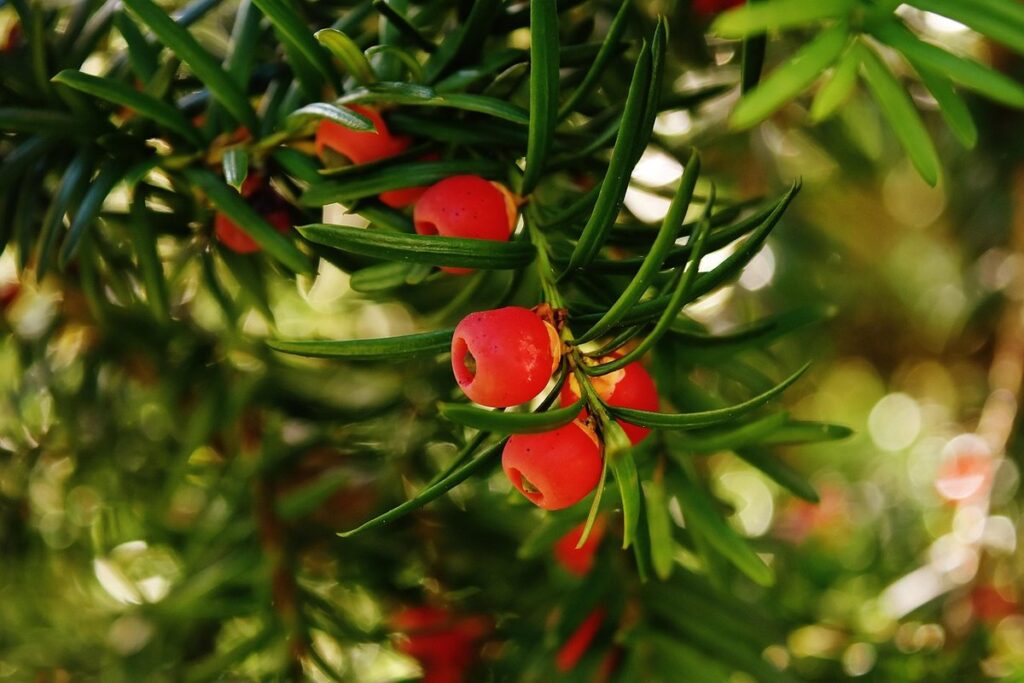
Understanding Your Yew Bush
To prune yew bushes effectively, it’s essential to understand their unique characteristics and growth patterns, which are influenced by factors like climate and soil quality.
Identifying Yew Bush Varieties
When it comes to pruning yew bushes, understanding which type you have is essential for effective and safe pruning practices. With over 200 species of yews, identifying the specific variety can be daunting, but it’s not impossible.
One way to identify yew bush varieties is by their characteristics. For instance, Japanese Yew (Taxus cuspidata) has flat, scale-like leaves that are a vibrant green color, whereas English Yew (Taxus baccata) has needle-like leaves with a more reddish tint. Chinese Yew (Taxus x media) boasts bright green foliage and can grow quite large.
Knowing the specific growth habits of your yew bush variety is also crucial for pruning. Some species, like the American Yew (Taxus canadensis), tend to be more compact and require less maintenance, while others, such as the Himalayan Yew (Taxus wallichiana), are more vigorous and demand regular pruning.
Take a closer look at your yew bush’s leaves, growth pattern, and overall size to determine which type you have. Consult with local nurseries or gardening experts if you’re unsure. With this knowledge, you’ll be better equipped to prune your yew bushes safely and effectively.
Common Problems with Yew Bushes
Before you start pruning your yew bushes, it’s essential to address some common problems that can affect their health and appearance. Pests like spider mites, scale insects, and bagworms can infest yew bushes, causing damage to leaves and stems. Regularly inspect your plants for signs of infestation, such as yellowing or distorted foliage, and treat promptly with insecticidal soap or neem oil.
Diseases like root rot, leaf spot, and canker are also common issues in yew bushes. Root rot is often caused by overwatering, while leaf spot and canker are fungal diseases that thrive in humid environments. To prevent these problems, ensure good air circulation around your plants, avoid overwatering, and remove any diseased or damaged branches.
Nutrient deficiencies can also impact the health of your yew bushes. A lack of iron, magnesium, or other essential nutrients can cause yellowing leaves, stunted growth, or other issues. Regular soil testing can help identify nutrient deficiencies, and fertilizing with a balanced, slow-release fertilizer can provide the necessary nutrients for healthy growth.
When to Prune Your Yew Bush
Knowing when to prune your yew bush is crucial for maintaining its shape and promoting healthy growth, so let’s dive into the timing details you need.
Determining the Best Time for Pruning
When it comes to pruning yew bushes, timing is everything. The best time for pruning depends on your climate, location, and specific plant needs. In general, spring and fall are considered the optimal seasons for pruning, but this can vary depending on where you live.
In warmer climates, such as those found in USDA zones 8-10, it’s best to prune yew bushes in late winter or early spring, around February or March. This allows new growth to emerge before the heat of summer sets in. In contrast, cooler climates with mild winters (USDA zones 3-7) can prune their yew bushes in late fall or early winter, from October to December.
Avoid pruning during the hottest part of the summer, as this can stress the plant and make it more susceptible to pests and diseases. Similarly, don’t prune too close to flowering time, as this can reduce blooming for that season. By pruning at the right time, you’ll encourage healthy growth, promote a full shape, and maintain your yew bush’s overall appearance.
In regions with harsh winters (USDA zones 1-2), it’s best to prune in late spring or early summer, after new growth has emerged, to minimize damage from extreme cold. Always consider the specific needs of your plant when deciding on the best time for pruning.
Preparing for Pruning Season
Before diving into pruning your yew bush, it’s essential to prepare your garden for this task. This involves gathering necessary tools, clearing space, and protecting the surrounding area. Start by collecting all the necessary pruning equipment, including a good pair of hand pruners or loppers, a pruning saw, and gardening gloves.
Clearing the area around your yew bush is also crucial to ensure safe and effective pruning. Remove any debris, leaves, or branches that could interfere with your work or create a tripping hazard. Create a clean path around the plant to allow for easy access to all areas of the bush.
To protect the surrounding area, lay down a tarp or old sheets to catch falling debris. This will save you from having to sweep up messes later on and also prevent damage to nearby plants or surfaces. By taking these simple steps, you’ll be well-prepared for pruning season and can focus on giving your yew bush the TLC it needs to thrive.
Techniques for Pruning Yew Bushes
To achieve a lush and balanced shape, you’ll want to focus on techniques that maintain the natural topiary form of your yew bushes. We’ll break down the key methods for pruning effectively.
Thinning vs. Shaping
When it comes to pruning yew bushes, two common techniques are often debated: thinning and shaping. While both methods have their own benefits, they serve different purposes and require distinct approaches.
Thinning involves selectively removing a portion of the existing foliage or branches to allow more sunlight to penetrate the bush, promoting healthy growth and preventing overcrowding. This method is particularly effective for yew bushes that have become dense over time, as it helps to restore air circulation and reduce the risk of disease. For instance, if your yew bush has been growing in a compacted area, thinning may be necessary to prevent moisture buildup.
In contrast, shaping involves cutting back branches to maintain or change the overall shape of the plant. This technique is ideal for yew bushes that have become unruly or are not meeting their desired form. When shaping your yew bush, aim to make clean cuts just above a growth node, as this will encourage new growth from the cut end.
Ultimately, the choice between thinning and shaping depends on the specific needs of your yew bush. Consider factors such as its age, size, and overall health when deciding which technique is best suited for your plant.
Cutting Branches Effectively
When cutting branches on yew bushes, it’s essential to use the right tool for the job. For smaller branches, hand pruners are a great option. These versatile tools allow you to make precise cuts and can be used for tasks like removing suckers or trimming individual stems.
For thicker branches, loppers are usually more effective. Look for loppers with long handles that provide leverage and comfort during use. When using loppers, cut just above a bud or node, as this will help promote healthy growth.
Pruning saws are best reserved for larger branches or those that are particularly thick or hard to reach. These specialized tools allow you to make clean cuts through the thickest branches without causing damage to surrounding foliage.
Regardless of which tool you choose, be sure to cut at a 45-degree angle, following the natural direction of the branch. This will help prevent water from collecting and promote healthy growth. By choosing the right tool for the job and making precise cuts, you can keep your yew bushes looking their best with minimal effort.
Safety Precautions and Considerations
Before you start pruning, it’s essential to take necessary precautions to avoid accidents and ensure a safe working environment for yourself. This includes wearing protective gear and being mindful of potential hazards.
Protective Gear for Pruning
When working with yew bushes, it’s essential to wear protective gear to minimize risks of injury from thorns, sap, and other hazards. Start by wearing long-sleeved shirts and pants made of durable material that can withstand scratches and punctures. This will help prevent skin irritation and potential infections.
Next, don’t forget gloves! Choose ones with reinforced palms and fingers for added protection against thorns and sap. Look for waterproof or water-resistant materials to make cleanup easier. Consider wearing gardening gloves with a built-in grip to improve dexterity when handling tools.
Eye protection is also crucial when pruning yew bushes. Wear safety glasses or goggles with polycarbonate lenses that can withstand impact from falling branches or tools. Avoid using regular eyeglasses, as they may not provide adequate protection in case of an accident.
Finally, cover your feet and head with sturdy boots and a hat to prevent injuries from slipping on sap or falling debris. By wearing these essential protective gear items, you’ll be well-equipped to tackle the task of pruning yew bushes safely and effectively.
Handling Sensitive Plants with Care
When pruning yew bushes, it’s essential to handle sensitive areas with care to prevent damage and promote healthy growth. Delicate stems and tender growth are particularly vulnerable to injury, so take extra precautions when working around these areas.
Begin by identifying the most fragile sections of the plant. Look for thin or weakly attached branches that may break easily under pressure. These areas should be pruned last, if at all, to minimize the risk of damage. When handling delicate stems, use long-handled pruning tools such as loppers or pole saws to maintain a safe distance and reduce the likelihood of accidental breaks.
It’s also crucial to prune in thin slices, rather than cutting through the stem in one swift motion. This helps prevent crushing or tearing the tissue, which can lead to infection or disease. By taking your time and approaching sensitive areas with care, you’ll be able to prune yew bushes effectively while minimizing the risk of damage to the plant.
If you do accidentally damage a delicate stem, apply a small amount of rooting hormone to the affected area to help stimulate healing. With patience and attention to detail, you can successfully prune your yew bushes without causing unnecessary harm.
After Pruning: Caring for Your Yew Bush
Now that you’ve pruned your yew bush, it’s essential to provide proper care to maintain its shape and promote healthy growth. This section will guide you through post-pruning maintenance techniques.
Post-Pruning Recovery
After pruning your yew bush, you can expect it to enter a recovery phase. This is a normal response to the stress of pruning, and it’s essential to understand what to look out for to ensure your plant recovers quickly and healthily.
During this period, your yew bush may exhibit some stress responses, such as browning or droopy leaves. This can be caused by the sudden loss of foliage, which can shock the plant. However, with proper care, you can mitigate these effects. Start by watering your yew bush thoroughly, making sure the soil is consistently moist but not waterlogged.
You may also notice some yellowing of new growth as the plant adjusts to its new shape and size. This is a normal process, but it’s essential to provide your yew bush with adequate nutrients during this time. Feed it with a balanced fertilizer, following the manufacturer’s instructions for application rates and timing.
By paying attention to these signs and taking proactive steps, you can help your yew bush recover from pruning and thrive in its new shape. With a little patience and care, your plant will bounce back, looking healthier and more vibrant than ever before.
Fertilizing and Watering for Optimal Health
Proper fertilization and watering are crucial steps in maintaining the health and vitality of your pruned yew bush. Fertilizing promotes healthy growth, encourages root development, and prevents nutrient deficiencies. Choose a balanced, slow-release fertilizer specifically formulated for evergreen plants like yews.
To fertilize effectively, follow these guidelines: apply 1-2 pounds of fertilizer per inch of tree diameter in early spring or fall when your yew bush is dormant. Spread the fertilizer evenly around the base, avoiding direct contact with the trunk and roots. You can also consider using organic options like compost tea or well-rotted manure to provide essential nutrients.
Watering is equally important, especially during the first growing season after pruning. Yews prefer moist soil but can be sensitive to overwatering. Check the soil regularly by inserting your finger into the soil up to the knuckle; if it feels dry, it’s time to water. Water thoroughly until water drains out of the bottom of the pot or a minimum of 6-8 inches into the surrounding soil. Adjust your watering schedule based on weather conditions and your yew bush’s specific needs.
Frequently Asked Questions
Can I prune yew bushes at any time of year, or are there specific seasons for pruning?
You can prune yew bushes during their dormant season, which varies depending on your climate. For most regions, the best time to prune is during late winter to early spring (January-March) or fall (September-November), avoiding the growing season when plants are actively producing new growth.
What if I accidentally cut a branch that was attached to the mother plant?
If you’ve cut a branch connected to the mother yew bush, it’s essential to inspect the wound for signs of healing. If the branch has been severed completely and is no longer attached, it may not regrow. However, if the cut area is calloused over, new growth should occur from the node (where the branch meets the stem).
How often do I need to water my yew bush after pruning?
After pruning your yew bush, it’s crucial to provide adequate hydration to support its recovery and promote healthy growth. Water regularly during the first few months following pruning, ensuring the soil remains consistently moist but not waterlogged. Adjust your watering schedule based on weather conditions and the specific needs of your plant.
Can I use regular garden shears for pruning yew bushes, or do I need specialized equipment?
While regular garden shears can be used for small-scale pruning tasks, they may not be suitable for heavy-duty trimming or shaping larger yew bushes. Consider investing in high-quality loppers or long-handled pruning saws for more efficient and precise cutting.
What if my yew bush is heavily infested with pests or diseases? Should I still prune it?
Before pruning your yew bush, inspect the plant for signs of pest or disease infestation. If you notice severe damage, consider addressing these issues first through proper pest control methods or fungicides. Only then should you proceed with pruning to prevent spreading any existing problems and promote healthy growth.