
Basil lovers, we know that growing this fragrant herb can be both rewarding and challenging. One key factor in achieving a bountiful harvest is understanding how to prune your basil plants correctly. But why is pruning so important for basil? It’s simple: regular pruning encourages healthy growth, promotes bushy shapes, and ultimately leads to more flavorful leaves. However, timing and technique are crucial to avoid shocking the plant or wasting your efforts. In this article, we’ll delve into the world of basil pruning, covering its growth cycles, essential techniques, and the optimal time for pruning. Whether you’re a seasoned gardener or just starting out, our expert guide will provide you with the knowledge to unlock the full potential of your basil plants and enjoy maximum harvests all season long.
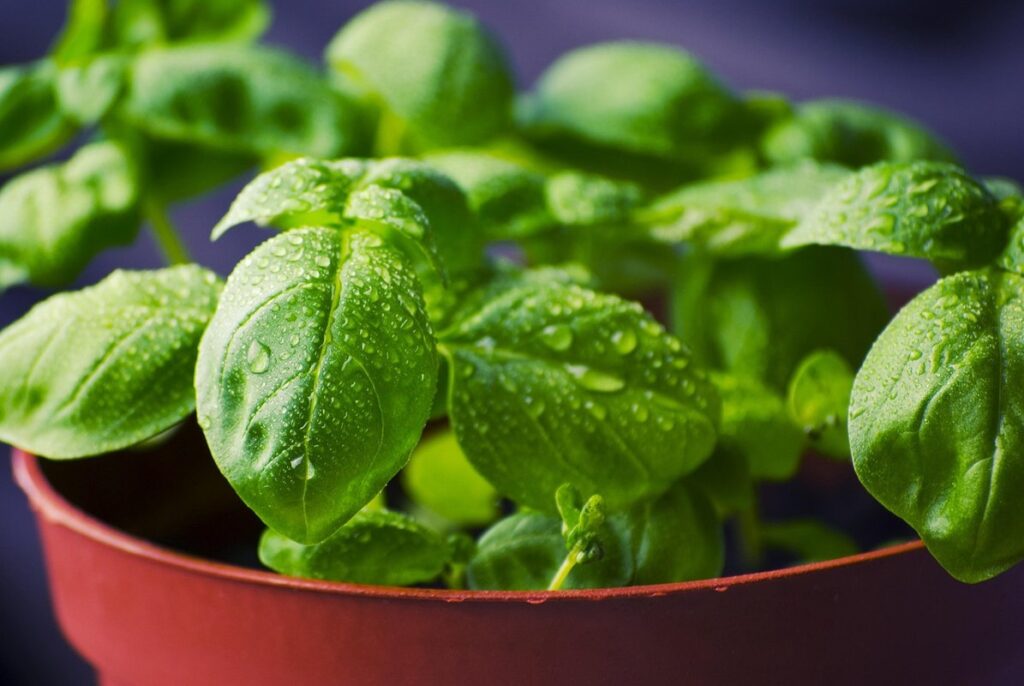
Understanding Basil’s Growth Cycle
To truly master the art of pruning basil, it’s essential to understand its growth cycle and how it responds to pruning at different stages. Let’s dive into the specifics of this critical process.
How Basil Grows and Develops
Basil’s growth cycle is a fascinating process that requires attention to its specific needs. As a warm-season crop, basil typically thrives in temperatures between 65-90°F (18-32°C). Its lifespan ranges from 3 to 6 months, depending on factors such as climate, soil quality, and pruning techniques.
Basil’s growth stages can be divided into three main phases: germination, vegetative growth, and flowering. During germination, basil seeds typically sprout within 7-10 days after sowing. In the vegetative stage, the plant focuses on developing its leaves, stems, and roots. This is the ideal time for pruning, as it encourages bushy growth and prevents flowering.
Factors that influence basil’s development include light exposure, water availability, and nutrient intake. Basil requires at least 4 hours of direct sunlight per day to photosynthesize effectively. Inconsistent watering can cause stress, leading to weak stems and reduced yields. Soil quality also plays a crucial role; ensure your potting mix is rich in organic matter and has good drainage properties.
By understanding basil’s growth cycle, you’ll be better equipped to provide the right conditions for optimal pruning and healthy plant development. With proper care and attention, your basil plants will reward you with an abundance of fragrant leaves and a prolonged harvest season.
Recognizing Signs of Overgrowth
As basil plants continue to grow, it’s essential to recognize signs of overgrowth to maintain their health and flavor. Legginess is one common symptom, where the stems become stretched out and woody, often leading to a sparse and unappealing appearance. This can be caused by inadequate pruning or an imbalance in soil nutrients.
Another indication of overgrowth is yellowing leaves. While some leaf drop is natural, widespread yellowing can signal an issue with water or nutrient uptake. Check the soil moisture level and ensure it’s not too dry or waterlogged, as this can cause stress to the plant. Regularly inspect your basil plants for signs of pest infestation or disease, which can also lead to yellowing leaves.
When you notice these symptoms, take action by pruning your basil back to encourage bushy growth and prevent further decline in flavor. Pinch off flower buds as they form, as this will help redirect energy towards leaf production, ensuring a continuous supply of fresh, flavorful basil.
Why Prune Basil
Pruning basil is a crucial step in keeping your plants healthy and productive, and understanding why it’s necessary will help you make the most of this technique. Let’s dive into the reasons behind pruning basil.
The Importance of Regular Pruning
Regular pruning is essential to maintaining healthy and productive basil plants. When you prune your basil regularly, you’re not only controlling its growth but also encouraging it to produce more leaves and flowers. This process has a significant impact on the plant’s overall health.
For one, regular pruning helps prevent pests and diseases from taking hold. By removing any weak or damaged leaves, you’re reducing the plant’s vulnerability to attacks from insects and fungi. Pruning also promotes air circulation around the plant, which further prevents disease development. This is particularly important for basil, as it’s susceptible to common issues like powdery mildew.
Furthermore, pruning encourages bushy growth and stimulates new leaf production. This means that your basil will produce more leaves than if you were to let it grow unchecked. The yield of fresh basil will be higher, which is beneficial for home cooks who rely on the herb as a key ingredient in various dishes. By pruning regularly, you’ll also notice an improvement in flavor – the plant’s energy is directed towards producing essential oils, making your basil taste more vibrant and aromatic.
Pruning should ideally be done every 7-10 days during peak growing seasons to maintain optimal health and yield. Start by removing any weak or spindly growth, then move on to pinch off flower buds as they form. This will direct the plant’s energy towards leaf production instead of seed development.
Common Mistakes to Avoid
When pruning basil, it’s easy to make mistakes that can harm the plant. One common error is cutting too much of the plant at once. This can shock the plant and cause it to become stressed, leading to reduced growth or even dieback. To avoid this, prune only what’s necessary, removing no more than one-third of the foliage in a single session.
Another mistake gardeners make is not providing adequate care after pruning. Pruning basil can be stressful for the plant, so it needs extra attention and TLC to recover. Make sure to water your basil plants thoroughly after pruning, and consider using a balanced fertilizer to give them an extra boost. Don’t forget to inspect your plant regularly for signs of disease or pests, which can take advantage of the weakened state caused by pruning.
It’s also essential to prune at the right time, ideally in the morning when the plant is most hydrated. This helps prevent shock and ensures a smoother recovery. By being mindful of these common mistakes and taking steps to mitigate them, you’ll be well on your way to growing healthy, thriving basil plants that will reward you with delicious flavor all season long.
Techniques for Pruning Basil
Now that you’ve learned the why and when of pruning basil, let’s dive into some practical techniques to keep your plants healthy and thriving. We’ll cover everything from pinching to pruning shears.
Pinching and Tipping
When it comes to pruning basil, two fundamental techniques come into play: pinching and tipping. These methods help control plant growth, promote bushy development, and prevent legginess.
To start with pinching, gently pinch or cut off the top set of leaves from the stem when your basil plant reaches 6-8 inches tall. This encourages the plant to grow more branching and increases yields. For example, when growing Genovese basil, a popular variety for pesto, pinching encourages it to produce more stems and leaves.
Tipping involves cutting off the very tip of the main stem at an angle using scissors or pruning shears. This not only prevents legginess but also promotes lateral growth by redirecting the plant’s energy towards producing more side shoots. To avoid damaging the remaining stem, make a 45-degree cut about one-quarter inch above a node – where a leaf meets the stem.
Pinching and tipping are effective ways to prune basil for bushy growth and healthy plants. By mastering these fundamental techniques, you’ll be able to control plant size and encourage more robust production of leaves and stems.
Cutting Back Overgrown Stems
Cutting back overgrown stems is an essential part of basil pruning to maintain the plant’s shape and promote healthy growth. When left unchecked, stems can become leggy and weak, making the plant more susceptible to disease and pests. To minimize damage, start by identifying the longest stem and snipping it off about 1-2 inches from a node (where a leaf meets the stem). This will help redirect energy towards new growth.
Next, examine the remaining stems for any signs of weakness or damage. Remove any weak or damaged stems at the base to prevent the spread of disease and encourage healthy growth. When cutting back stems, make clean cuts just above a node using sharp, sterile scissors or pruning shears. Avoid tearing the stem, as this can cause further damage and lead to infection.
By regularly trimming back overgrown stems, you’ll not only maintain your basil plant’s shape but also stimulate new growth and encourage bushy development. This will result in a healthier, more robust plant with plenty of leaves for harvesting.
Pruning Tools and Equipment
To get started on pruning your basil plants, you’ll need the right tools and equipment to make the process easy and efficient. From pruners to gloves, we’re covering the must-haves for successful pruning.
Essential Tools for Basil Pruning
When it comes to pruning basil, having the right tools can make all the difference. You’ll want to start with a good pair of scissors specifically designed for gardening, as they will have long handles and sharp blades that can easily cut through thicker stems.
Pruning shears are also essential for more precise cuts, especially when dealing with smaller stems or delicate areas of the plant. Look for shears with interchangeable blades, which will allow you to switch between different blade types depending on your needs. Some pruning shears may also come with features like rust-resistant coatings or ergonomic handles that make them easier to use.
Another important tool to consider is a pair of garden gloves. Not only will they protect your hands from thorns and dirt, but they’ll also provide grip when handling the plant, making it less likely for you to drop any pruned stems. When choosing gloves, look for ones made from breathable materials like cotton or mesh that will allow your skin to stay cool and dry during pruning.
It’s worth noting that sharp tools are more efficient than dull ones, so be sure to keep your scissors and shears well-maintained throughout the growing season. Regular sharpening will not only make pruning easier but also help prevent damage to the plant.
Preparing Your Pruning Equipment
Before diving into pruning your basil plants, it’s essential to prepare your equipment properly. This ensures that you’re working with clean and sharp tools, which is crucial for preventing the spread of diseases and promoting healthy growth.
Start by cleaning your pruning tools thoroughly. Use a soft brush or cloth to remove any debris, dirt, or old plant material from the blades and handles. For tougher buildup, mix a solution of mild dish soap and warm water, and gently scrub the tools with a soft-bristled brush. Rinse everything thoroughly with clean water to prevent any soap residue from affecting your plants.
Next, sharpen your pruning shears according to the manufacturer’s instructions or using a whetstone. Dull blades can cause more damage than you think, so take a few minutes to keep them in top condition. Finally, disinfect all tools with a mixture of 1 part bleach to 9 parts water. This will help eliminate any bacteria or fungal spores that could infect your basil plants.
Make sure to clean and dry your equipment after each use to maintain its condition and prevent the growth of bacteria or fungi. By following these simple steps, you’ll be ready to tackle pruning with confidence and keep your basil plants thriving.
Timing and Frequency of Pruning
When it comes to pruning basil, timing is everything. Let’s dive into how often to prune your basil plants for optimal growth and flavor.
Determining the Best Time to Prune
When it comes to pruning basil, timing is everything. The best time to prune your basil plants depends on several factors, including the plant’s maturity, climate, and your personal preferences.
In general, it’s a good idea to start pruning your basil when it reaches about 6-8 inches in height. This will help promote bushy growth and prevent the plant from flowering too quickly. If you’re growing basil indoors, you may need to prune more frequently, every week or two, as the plant can grow quite rapidly in ideal conditions.
Outdoor basil plants, on the other hand, can be pruned less frequently, typically every 2-3 weeks during peak growing seasons. Keep an eye on your plant’s response to pruning and adjust your schedule accordingly. For example, if you notice new growth happening too quickly, it may be time to prune more frequently.
Additionally, consider the climate where you’re growing your basil. In warmer climates, basil plants tend to grow more rapidly and may require more frequent pruning. In cooler climates, you may need to prune less often, allowing the plant to harden off before pruning.
How Often to Prune for Optimal Results
Pruning basil is not just about cutting off dead leaves; it’s an art that requires understanding of timing and frequency to optimize growth and productivity. When it comes to how often to prune basil, the answer largely depends on your climate and region.
In general, it’s recommended to prune basil every 7-10 days during its growing season, which typically spans from spring to fall. However, this can be adjusted depending on your location and the specific needs of your plant. For example, if you live in a hot and dry climate, you may need to prune more frequently (every 5-7 days) to prevent bolting and encourage new growth.
In contrast, cooler climates with plenty of rainfall may require less frequent pruning (every 10-14 days). It’s also essential to consider the stage of your basil plant’s life cycle. Young plants tend to respond well to more frequent pruning, while mature plants can benefit from a more relaxed pruning schedule. To determine the ideal frequency for your basil, observe its response to pruning and adjust accordingly.
Advanced Pruning Techniques
Now that you’re familiar with basic pruning techniques, it’s time to take your basil gardening skills to the next level by mastering advanced methods for optimal growth and harvest.
Air Layering and Grafting
Air layering and grafting are two advanced pruning techniques that can take your basil game to the next level. These methods may seem intimidating at first, but with practice and patience, you’ll be creating unique and resilient plants in no time.
Air layering involves inserting a small section of stem into a moss or soil medium while it’s still attached to the mother plant. This allows you to propagate new roots without having to remove the entire cutting from the parent plant. It’s an ideal method for basil, as it promotes root development and can increase yields by up to 30%. To try air layering, simply wrap a small section of stem with moistened moss or soil, making sure to cover about half of the stem length.
Grafting, on the other hand, involves attaching a piece of stem (called a scion) from one basil variety onto the root system of another (the rootstock). This technique can help prevent disease transmission and increase plant diversity. For example, you could graft a Thai basil scion onto a sweet basil rootstock to create a plant with the best traits of both varieties.
When trying air layering or grafting, be sure to use healthy stem sections and roots, and keep the soil consistently moist but not waterlogged. With a little practice and experimentation, you’ll be growing unique and thriving basil plants that will take center stage in your kitchen garden.
Maximizing Harvests with Regular Pruning
When you regularly prune your basil plants, you’re not only maintaining their appearance but also boosting their productivity. One of the most significant benefits of regular pruning is increased yields. By removing spent flowers and trimming back leggy stems, you encourage the plant to focus its energy on producing new growth and leaves.
This targeted approach allows you to harvest more frequently, as the plant is constantly producing fresh new foliage. In fact, studies have shown that basil plants pruned regularly can produce up to 30% more leaves than those left unpruned. This increased yield means you’ll enjoy a longer growing season, with plenty of opportunities to harvest fragrant, flavorful leaves.
To maximize your harvests through regular pruning, aim to trim back your basil plants by about one-third every few weeks. This will keep the plant bushy and encourage it to produce more leaves rather than flowers.
Conclusion
Now that you’ve mastered the techniques for pruning your basil, it’s time to wrap up and put what you’ve learned into action. Let’s review how to apply these tips to your own garden.
Recap of Key Takeaways
Pruning basil is an essential skill to master if you want to enjoy a bountiful harvest of this fragrant and flavorful herb. By reviewing the key takeaways from this article, you’ll be well on your way to becoming a seasoned basil pruner.
First and foremost, pruning basil is not just about cutting back the plant – it’s also about promoting healthy growth and preventing disease. By regularly removing flower buds and seed heads, you’re encouraging the plant to focus its energy on producing new leaves and stems rather than expending resources on reproduction. This simple technique can make a huge difference in the overall health and productivity of your basil plants.
Other key techniques for successful pruning include:
* Pinching off the top sets of leaves to encourage branching and promote a bushy shape
* Using clean, sharp tools to prevent spreading disease and making precise cuts
* Removing any dead or damaged leaves or stems to maintain plant hygiene
By incorporating these techniques into your regular basil care routine, you can expect to see significant improvements in plant growth and yield. For example, a study by the University of California found that basil plants pruned regularly produced up to 25% more biomass than those left unpruned.
In addition to these technical tips, it’s also essential to remember that pruning is an art as much as a science. Don’t be afraid to experiment and find what works best for your specific climate, soil conditions, and plant varieties. By combining these practical techniques with a little creativity and experimentation, you’ll be well on your way to becoming a master basil pruner.
Frequently Asked Questions
What are the most common mistakes to avoid when pruning basil for beginners?
Pruning can be intimidating, especially if you’re new to gardening. A common mistake is over-pruning, which can shock the plant and lead to reduced yields. Start by pinching off the top sets of leaves to encourage bushy growth. Remove any weak or spindly stems, but avoid cutting more than one-third of the plant’s foliage at a time.
Can I still prune basil in extreme weather conditions?
Pruning is essential for maintaining healthy growth, but what about during heatwaves or frost? Yes, it’s still possible to prune basil during these times. However, be cautious not to expose the plant to harsh conditions. Prune in the morning or evening when temperatures are milder, and avoid pruning during intense sunlight.
How often should I water my basil plants after pruning?
Proper hydration is vital for healthy growth. Water your basil plants thoroughly after pruning to help them recover from any stress caused by the process. Aim for consistent moisture levels, keeping the soil moist but not waterlogged. This will ensure a bountiful harvest and prevent the plant from becoming leggy.
What are some essential tools I need for effective basil pruning?
Investing in quality pruning equipment is crucial for achieving optimal results. You’ll need a good pair of sharp pruning shears or scissors, as well as a clean and sterilized cutting board. Optional but recommended tools include a garden knife, pruners with curved blades, and gloves to protect your hands from thorns.
Can I propagate basil by air layering or grafting after pruning?
Yes, basil can be propagated using advanced techniques like air layering or grafting. These methods allow you to create new plants without seeds or cuttings. Air layering involves making a small incision in the stem and wrapping it with moistened sphagnum moss, while grafting requires joining a piece of stem from one plant onto the root system of another.