
If you’re like many gardeners, you’ve probably encountered some stubbornness when trying to shape or maintain your rosemary plants. Pruning is essential for promoting healthy growth, but it can be tricky, especially if you don’t know where to start. Not only can improper pruning techniques stress the plant, but they can also lead to a lackluster appearance that doesn’t do justice to this fragrant and versatile herb. From young seedlings to mature shrubs, learning how to prune your rosemary correctly is crucial for optimal growth and topiary shaping. In this article, we’ll dive into the world of rosemary plant pruning, covering techniques for promoting healthy growth, common mistakes to avoid, and expert tips for achieving stunning topiary shapes that will make you proud of your garden.
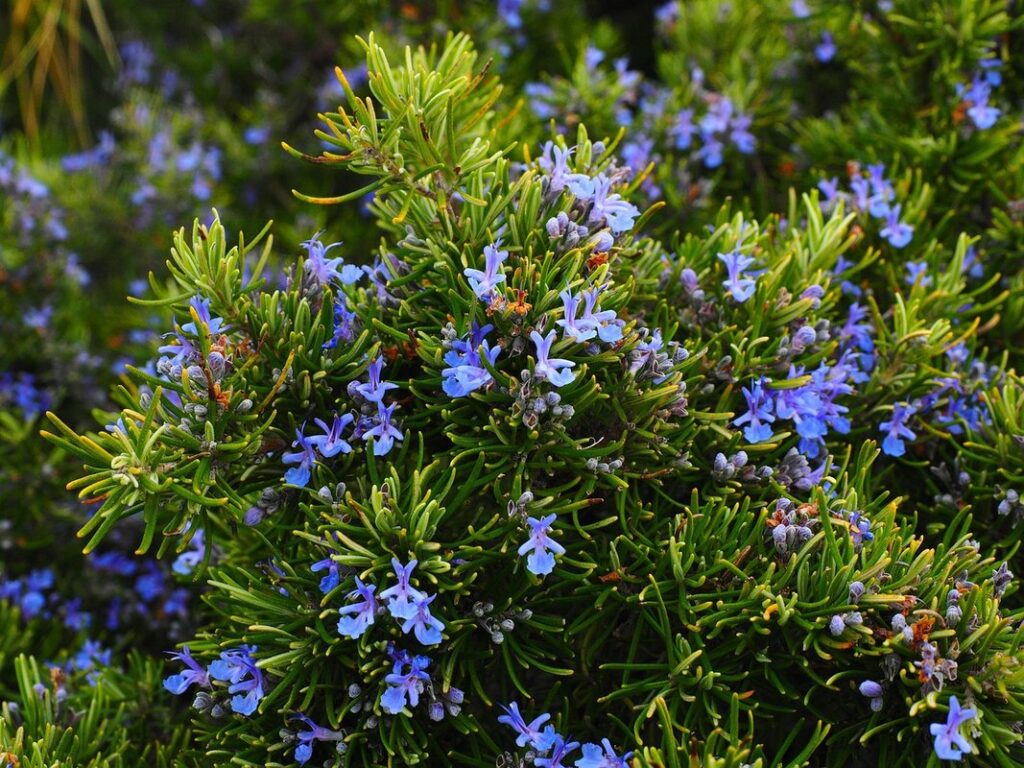
Understanding Rosemary Plant Care
To truly master the art of pruning a rosemary plant, you need to understand its basic care requirements and how they impact your pruning strategy. Let’s break down what rosemary needs to thrive.
Why Prune a Rosemary Plant
Pruning a rosemary plant is not just about maintaining its shape; it’s essential for promoting healthy growth and preventing issues that can arise from neglect. When you prune a rosemary plant regularly, you encourage new stem growth, which leads to more fragrant leaves and a bushier appearance. This process also allows air to circulate within the plant, reducing the risk of disease and pests like spider mites.
Pruning is particularly crucial during different stages of the rosemary plant’s life cycle. For young plants, pruning helps establish a strong structure and encourages upright growth. As the plant matures, regular pruning maintains its shape and prevents it from becoming leggy or bare in spots. Furthermore, pruning before winter helps protect the plant from cold damage by allowing new growth to harden off before frost sets in.
Pruning also plays a role in pest management. By removing old stems and leaves, you reduce the likelihood of attracting unwanted insects that feed on rosemary’s foliage. Regular maintenance through pruning ensures your rosemary plant stays healthy, robust, and fragrant throughout its life cycle.
Identifying the Right Tools and Equipment
When it comes to pruning a rosemary plant, having the right tools and equipment is essential for effective and safe pruning. You’ll want to start with a good pair of pruning shears, specifically designed for cutting woody stems like those found on rosemary plants. These shears should have sharp blades and comfortable grips to reduce fatigue during prolonged use.
Loppers are also useful for thicker branches that the shears can’t manage. Look for loppers with long handles (at least 30 inches) to provide leverage and control when cutting through stiffer stems.
Don’t forget gloves! Pruning rosemary plants can be rough on your hands, especially if you’re pruning regularly. A good pair of gardening gloves will protect your skin from scratches and thorns, keeping your hands safe and preventing damage to the plant.
To ensure proper tool maintenance, clean and sanitize your shears and loppers after each use. This will prevent the spread of disease and keep your tools in good working order for years to come. Regularly oiling moving parts can also extend their lifespan.
Pruning Techniques for Different Rosemary Plant Varieties
When pruning different types of rosemary, you’ll want to consider the unique needs and growth patterns of each variety. This guide will walk you through tailored techniques for each popular type of rosemary plant.
Pruning Young Rosemary Plants
When it comes to young rosemary plants, pruning is crucial to encourage bushy growth and promote root development. The goal is to create a strong stem structure that will support the plant’s future growth and productivity. To achieve this, start by pinching off the tips of the stems. This simple technique, known as “pinching,” encourages lateral branching and prevents the plant from becoming leggy.
Pinch off about one-third of the tip of each stem using your fingers or a pair of clean scissors. Be gentle, as rosemary is a delicate herb. For young plants with multiple stems, repeat this process for each stem to promote even growth. Next, inspect the plant for any leggy stems and cut them back to about half their length. This will help control the plant’s height and encourage new growth from the cut ends.
By pruning young rosemary plants regularly, you’ll be rewarded with a robust, bushy plant that’s perfect for cooking and fragrant potpourri. Remember to prune your rosemary regularly throughout its growing season to maintain its shape and promote healthy growth. With these simple techniques, you’ll be well on your way to growing a thriving rosemary herb garden.
Pruning Mature Rosemary Plants
When it comes to pruning mature rosemary plants, the goal is often to maintain their shape and promote healthy growth. If you’re dealing with a mature plant that’s lost its compact shape or has become overgrown, it’s time to get out the pruning shears.
To rejuvenate an old rosemary plant, start by removing any dead or damaged wood. This will help prevent the spread of disease and encourage new growth. Cut back branches that are crossing or rubbing against each other to improve air circulation and promote even growth. You can also reduce the overall size of the plant by cutting back stems to about one-third to one-half their original length.
To maintain a topiary or hedge style, prune your rosemary plant regularly throughout the growing season. Cut back the tips of the branches to encourage bushy growth and a more compact shape. Use the ‘pinch and pull’ technique to shape the plant’s edges and keep it looking neat and tidy. Remember to prune at the right time – during the cooler months when the plant is dormant – to avoid shocking the roots.
Timing and Frequency of Pruning
When it comes to pruning a rosemary plant, getting the timing right is crucial for healthy growth. Let’s dive into how often you should prune your rosemary and when to do it best.
Determining the Best Time to Prune
When it comes to pruning your rosemary plant, timing is everything. The ideal seasons for pruning are spring and fall, as these periods offer several benefits that contribute to the overall health and productivity of your plant.
Pruning in the spring allows you to remove any dead or damaged branches that may have accumulated over winter, promoting new growth and preventing disease from spreading. It’s also an excellent time to shape your rosemary plant into a desired form, such as a topiary or a hedge. By pruning in the spring, you’ll encourage a robust new crop of foliage and flowers.
On the other hand, fall pruning allows you to control the size of your plant, prevent it from becoming leggy, and direct its energy towards producing new growth. Pruning during this time also helps to harden off the plant for winter, reducing the risk of damage from extreme cold temperatures.
Remember, pruning at different times can have varying effects on plant growth and productivity. Pruning in the summer or early fall can stimulate new growth, but it may not provide enough time for the plant to recover before winter sets in. By sticking to spring and fall pruning, you’ll be able to maintain a healthy balance between growth and maintenance.
How Often Should You Prune Your Rosemary Plant?
Pruning frequency is essential to maintain a rosemary plant’s shape, promote healthy growth, and prevent overgrowth. The ideal pruning schedule depends on the plant’s growth rate, desired shape, and level of maintenance needed.
If you’re growing a compact or dwarf rosemary variety, prune it lightly every 1-2 weeks during the active growing season to maintain its shape and encourage bushy growth. This will also help prevent it from becoming leggy and promote a fuller appearance.
For standard rosemary plants, prune them every 4-6 weeks to control their size and promote new growth. Cut back about one-third of the plant’s stems to about half their height, making clean cuts just above a node. This will encourage new stem growth and prevent overgrowth.
Keep in mind that rosemary is a hardy plant and can tolerate some neglect. However, regular pruning will keep it looking its best and prevent it from becoming woody or leggy.
Common Mistakes to Avoid When Pruning
When pruning a rosemary plant, it’s easy to make mistakes that can harm your herb instead of helping it. Be aware of these common pitfalls to avoid damaging your plant.
Over-Pruning: A Risk for New Gardeners
As you begin to prune your rosemary plant, it’s essential to be aware of common mistakes that can have negative consequences on its health. One critical issue to avoid is over-pruning, which can stress the plant and lead to a range of problems.
Over-pruning occurs when too much of the plant is removed at once, leaving it vulnerable to disease, pests, and even death. This mistake often stems from a desire to shape or size-control the plant, but it can backfire if done excessively. When you remove more than 1/3 of the plant’s foliage in one session, you risk shocking the roots and disrupting its ability to photosynthesize.
To put this into perspective, imagine pruning your rosemary plant like cutting off a third of your own arm – it wouldn’t be sustainable for long-term health, would it? Similarly, over-pruning can cause the plant to expend energy on recovery rather than growth. This is especially crucial in young or newly planted rosemary, as they are more susceptible to damage from pruning.
To avoid over-pruning, take a gentle approach by regularly pinching off tips and trimming back leggy stems. Instead of cutting away too much foliage at once, prune your rosemary in smaller increments throughout the growing season. This allows the plant to gradually adjust to its new shape while minimizing stress.
Some other essential pruning guidelines include:
• Using sharp, clean tools to prevent spreading disease
• Pruning during the dormant season or early morning when the plant is less stressed
• Avoiding pruning in extreme weather conditions, such as intense heat or cold
By being mindful of these potential pitfalls and adopting a more nuanced approach to pruning, you’ll be well on your way to nurturing healthy, thriving rosemary plants.
Advanced Pruning Techniques
Now that you’ve mastered the basics, it’s time to take your rosemary pruning skills to the next level with these expert-approved advanced techniques for healthy growth.
Propagation Through Stem Cuttings
Propagating new rosemary plants through stem cuttings is an advanced technique that experienced gardeners can master. This method allows you to create multiple plants from a single mother plant, which is ideal for sharing with friends or expanding your rosemary collection.
To begin, choose healthy stems with plenty of growth and a few leaves. Cut 3-4 inch sections, making sure each cutting has at least two sets of leaves. Remove lower leaves, leaving only the top pair to prevent excessive moisture loss.
Prepare the rooting medium by filling a container with well-draining potting mix. Dip the cut end into a rooting hormone powder or liquid, following the product’s instructions. Gently plant the cutting 1-2 inches deep in the prepared medium, firming the soil around it. Water thoroughly and provide bright, indirect light.
Root development typically takes 7-10 days. Once roots are established, transplant the new rosemary plants into individual pots with a well-draining mix. Monitor their growth and prune them regularly to maintain shape and encourage bushy growth.
Creating a Topiary or Hedge Shape
When it comes to advanced pruning techniques, creating a topiary or hedge shape with rosemary can be a fun and rewarding challenge. Regular maintenance is key to achieving the desired shape, so make sure to set aside some time each week for pruning.
To start, you’ll want to select a few stems that will serve as the base of your topiary or hedge. Choose sturdy branches with a good balance of leaves and growth direction. Next, prune these stems back by about one-third to encourage bushy growth and prevent them from becoming leggy.
From there, you can begin shaping your rosemary into the desired form using regular pruning techniques. For example, if creating a topiary, use the technique known as “deadheading” – removing any seed heads that develop as they detract from the plant’s shape. To maintain a hedge, trim off the tips of the stems every few weeks to encourage branching and a more uniform shape.
Remember, patience is essential when shaping rosemary into a topiary or hedge. It may take several months for your plants to grow out to their full potential, so be sure to enjoy the process and make adjustments as needed along the way.
Troubleshooting Common Pruning Issues
Don’t worry if you’re not sure what to do when your rosemary plant starts to look a bit sad after pruning – we’ve got some solutions for common problems. From over-pruning to under-pruning, we’ll walk you through the fixes.
Dealing with Pests and Diseases After Pruning
After pruning your rosemary plant, it’s essential to inspect it regularly for signs of pests and diseases. Rosemary is susceptible to issues like spider mites, mealybugs, and scale insects, which can be challenging to eradicate once they’ve taken hold. To prevent infestations, ensure you’re providing good air circulation around the plant and keeping the surrounding area clean.
Common diseases affecting rosemary include root rot, powdery mildew, and leaf spot. These often result from overwatering or poor drainage. To maintain healthy plants, make sure to water them sparingly but consistently. Prune affected areas promptly to prevent further damage.
When spotting pests or diseases, act quickly by removing infected branches, isolating the plant, or using organic pest control methods like neem oil or insecticidal soap. Regularly inspect your plant’s foliage and stems for signs of stress or infection, taking action before issues escalate. With proper care and vigilance, you can prevent these problems from arising in the first place.
Some effective preventive measures include treating plants with fungicides during the growing season, practicing crop rotation to break disease cycles, and ensuring good soil quality by incorporating compost. By following these guidelines, you’ll be well-equipped to handle any challenges that arise after pruning your rosemary plant.
Resolving Pruning-Related Problems
When pruning rosemary plants, it’s not uncommon to encounter problems that can hinder healthy growth. Over-pruning is a common mistake many gardeners make, and it can lead to the plant becoming leggy and weak. To avoid this, be cautious of how much you’re removing from your rosemary plant.
Remove only what’s necessary – one-third to one-half of the old growth at most – and avoid cutting into new growth or buds. Incorrectly identifying plant parts for removal is another common issue. Take a closer look at the stem: if it’s woody, grey, and brittle, it’s likely dead wood that can be removed. On the other hand, stems with leaves will still be green and flexible.
If you’ve accidentally over-pruned your rosemary, don’t panic – simply reduce watering for a while to give the plant a chance to recover. To prevent this in the future, prune your rosemary regularly throughout the growing season, making small cuts rather than large ones. This will encourage bushy growth and help maintain a healthy balance between old and new wood. By being mindful of what you’re removing, you’ll be well on your way to achieving the perfect rosemary shape.
Frequently Asked Questions
Can I Prune My Rosemary Plant During the Winter Months?
Yes, rosemary plants can be pruned during winter months when they’re dormant. In fact, pruning at this time helps maintain their shape and encourages new growth in the spring. Just make sure to prune carefully, as over-pruning can stress the plant.
How Do I Handle Over-Pruning My Rosemary Plant?
Over-pruning can cause significant stress to your rosemary plant, making it more susceptible to disease and pests. If you notice signs of over-pruning, reduce pruning frequency or take a break from pruning for a few months to allow the plant to recover.
Can I Propagate New Rosemary Plants From Cuttings After Pruning?
Yes, you can propagate new rosemary plants from stem cuttings after pruning. This process encourages healthy growth and allows you to share your favorite rosemary varieties with friends or use them in different areas of your garden.
What’s the Best Way to Store My Pruned Rosemary Plant Material?
To store pruned rosemary plant material, place it in a plastic bag or container with a damp paper towel. Keep it away from direct sunlight and maintain a consistent temperature between 40°F and 50°F (4°C and 10°C) until you’re ready to propagate.
How Can I Minimize the Risk of Disease When Pruning My Rosemary Plant?
To minimize disease risk when pruning your rosemary plant, prune during dry weather, disinfect your tools regularly with a solution of water and bleach, and avoid over-pruning. Also, inspect your plant for signs of pests or disease before pruning to catch any issues early on.