
Pruning your plum tree is more than just a necessary task to keep it looking tidy. It plays a crucial role in promoting healthy growth, increasing productivity, and even extending the lifespan of your tree. However, pruning a plum tree can be intimidating, especially if you’re new to gardening or don’t know where to start.
In this article, we’ll break down expert advice on how to prune your plum tree effectively. We’ll cover understanding the unique growth patterns of plum trees, timing and techniques for optimal pruning, and post-pruning care to ensure your tree stays healthy and thriving. From avoiding common mistakes that can harm your tree to tips for promoting fruiting and encouraging strong growth, we’ll guide you through everything you need to know to become a confident plum tree pruner.
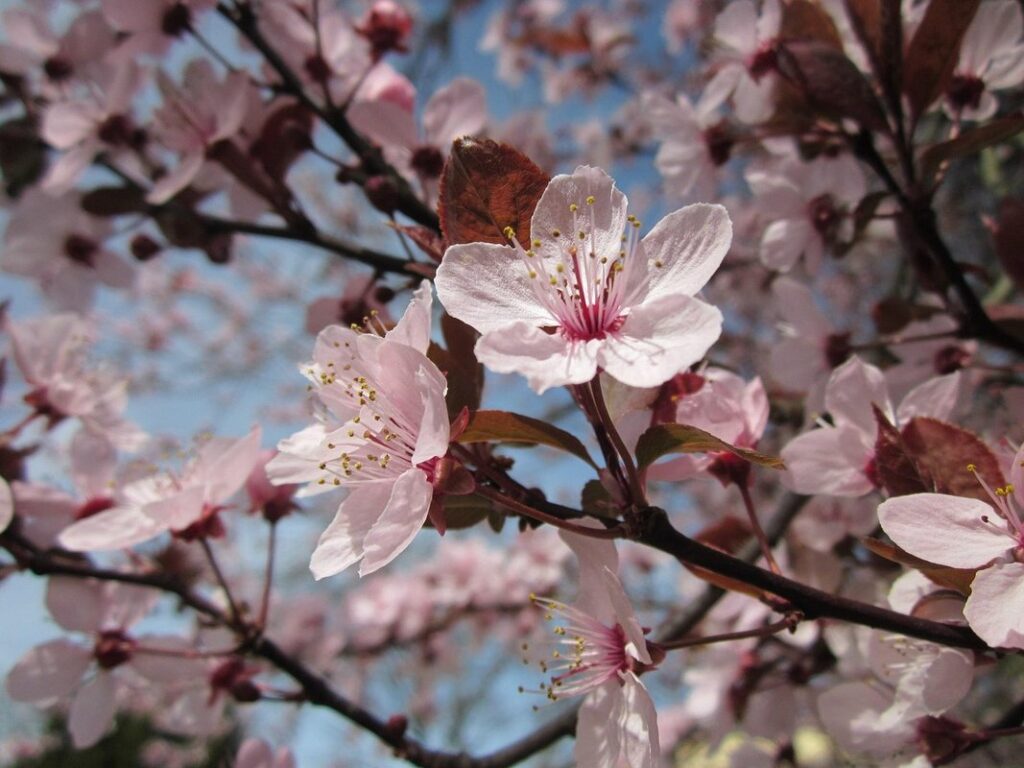
Understanding Plum Tree Growth Patterns
To grow and thrive, plum trees require a specific pruning pattern that promotes healthy growth and encourages fruit production. Let’s dive into the key factors influencing their growth patterns.
Identifying the Right Time to Prune
As you’ve learned about plum tree growth patterns, it’s essential to understand that their deciduous nature plays a significant role in determining the right time for pruning. Plum trees grow and develop throughout the year, with distinct periods of dormancy, active growth, and fruiting.
To maximize your tree’s health and productivity, pruning at the right time is crucial. Pruning during the dormant season (winter or early spring) allows the tree to focus its energy on new growth and fruit production. This timing also minimizes the risk of disease and pests that thrive in moist environments. In contrast, pruning during active growth periods can stress the tree, making it more vulnerable to damage.
Consider this: if you prune your plum tree too late in the growing season, you may inadvertently encourage weak or damaged branches to grow, compromising its overall health. By timing your pruning correctly, you’ll promote a strong, balanced structure and encourage fruiting for years to come.
Determining Pruning Frequency
Determining the right pruning frequency is crucial to maintaining a healthy and productive plum tree. The frequency of pruning depends on several factors including the age, size, and climate of the tree.
Young plum trees typically require more frequent pruning, as they need regular shaping and training to develop a strong structure. For the first two to three years after planting, prune your young plum tree annually or bi-annually, removing any weak or damaged branches. This will encourage healthy growth and help establish a central leader.
As your tree matures, you can reduce pruning frequency to every 2-3 years. However, if you live in an area with harsh winters or hot summers, more frequent pruning may be necessary to prevent damage from extreme weather conditions. For example, in areas with frequent frost, prune your plum tree annually to remove any dead or damaged branches that could be vulnerable to disease.
It’s also essential to consider the specific needs of your tree, and adjust pruning frequency accordingly. With regular observation and pruning, you can promote healthy growth, increase fruit production, and maintain a beautiful shape for your plum tree.
Preparing Your Tools and Protective Gear
Before you start pruning, it’s essential to have the right tools and protective gear to ensure a safe and effective process for your plum tree. Make sure you’re well-equipped with these essentials.
Choosing the Right Pruning Equipment
When it comes to pruning your plum tree, having the right equipment is essential for safety and effectiveness. You’ll need a few basic tools to get started: hand pruners, loppers, and a pole saw.
Hand pruners are perfect for trimming small branches and twigs close to the trunk. Look for a pair with sharp blades and comfortable grips. Regularly clean and oil your hand pruners to keep them in good condition. Remove any debris or sap buildup to prevent rust.
Loppers are ideal for cutting thicker branches up to 2 inches in diameter. Choose loppers with long handles to reduce strain on your back and arms. Keep the blades sharp by regularly honing them, and store loppers in a dry place when not in use.
A pole saw is necessary for pruning high branches safely. Select a pole saw with a sturdy fiberglass or aluminum shaft and comfortable grips. Regularly inspect your pole saw for damage and replace any worn-out components.
To extend the life of your tools, always clean them after each use and store them properly when not in use. Avoid leaving pruners and loppers outside, as exposure to rain and sunlight can cause damage.
Safety First: Protecting Yourself and Others
When pruning a plum tree, it’s essential to prioritize safety not only for yourself but also for others around you. This means taking necessary precautions to avoid accidents and injuries.
Wearing protective gear is the first step in creating a safe working environment. Always wear sturdy gloves to protect your hands from thorns, sap, and any sharp objects that may be dislodged during pruning. Safety glasses or goggles are also crucial, as they shield your eyes from debris and potential falling branches. A dust mask can help prevent inhalation of tree pollen, mold, or other airborne particles.
In addition to personal protective gear, maintain a safe working environment by clearing the area around the plum tree of any obstacles, tools, or loose objects that could cause tripping hazards. Ensure good visibility by pruning on a day with clear skies and minimal wind. Finally, prune in sections, maintaining a stable structure while removing branches. This will prevent any sudden branch drops, keeping you and those nearby safe.
Pruning Techniques for Different Branch Types
When pruning a plum tree, it’s essential to tailor your techniques to different branch types to ensure the health and productivity of your tree. We’ll break down the best methods for tackling various branch scenarios.
Removing Dead, Diseased, or Damaged Wood
When pruning a plum tree, it’s essential to remove dead, diseased, or damaged branches to maintain its overall health and productivity. These types of branches can serve as entry points for diseases and pests, putting the rest of the tree at risk.
To identify dead, diseased, or damaged branches, look for signs such as brittle or cracked wood, discolored bark, or an unnatural growth pattern. Diseased branches may also exhibit unusual odors or have a soft, mushy texture. Remove these branches by cutting them off at the branch collar – the raised area where the branch meets the trunk.
Cut just outside the branch collar, using a clean, sharp pruning tool to prevent damage to the surrounding bark. Make the cut at a 45-degree angle, and not too far from the trunk, to promote healthy growth. For larger branches, consider making two parallel cuts on either side of the branch to reduce it in size before removing it entirely.
By removing dead, diseased, or damaged wood, you’ll help maintain your plum tree’s health and promote a bountiful harvest.
Shaping the Tree for Optimal Growth
When shaping the tree for optimal growth, there are several pruning techniques to focus on. Reducing branch length is an essential aspect of plum tree pruning, as it allows sunlight to penetrate deeper into the canopy and encourages new growth. Remove longer branches by cutting them back to a lateral bud or a suitable branching point. This will not only improve air circulation but also promote even fruiting.
Thinning is another critical technique for maintaining the tree’s structure. Identify weak or crossing branches that may be competing with others for resources, and remove them carefully. Thin out select branches to allow more sunlight to reach inner areas of the tree, promoting healthy growth and development.
Opening up the canopy is also vital in shaping the plum tree’s structure. This involves removing lower branches that are rubbing against the trunk or creating a dense undergrowth. By thinning these branches, you’ll not only improve air circulation but also reduce disease susceptibility.
Pruning Strategies for Specific Plum Tree Varieties
Different plum tree varieties have unique pruning needs, and understanding these requirements is crucial to ensure your tree’s health and productivity. Let’s take a closer look at some specific pruning strategies for popular plum tree types.
Dwarf and Semi-Dwarf Varieties
Dwarf and semi-dwarf plum trees require more frequent pruning to maintain their shape and size, as they have a compact growth habit. These varieties are often grafted onto rootstocks that control the tree’s overall size, but pruning is still essential to encourage fruiting and prevent overgrowth.
To prune dwarf and semi-dwarf plum trees, focus on removing any dead, diseased, or damaged branches. This will help maintain the tree’s health and promote new growth. Also, remove any crossing or rubbing branches to allow for proper air circulation and sunlight penetration.
Prune your dwarf or semi-dwarf plum tree every 6-8 weeks during the growing season to maintain its shape and size. Remove about one-third of the new growth each time you prune to avoid over-pruning and stressing the tree. For example, if your tree has grown 3 feet in a single season, remove 1 foot of new growth during pruning.
Keep an eye out for fruiting branches, as these should be left intact or lightly pruned to encourage fruit production. With regular pruning, you’ll enjoy a healthy and productive dwarf or semi-dwarf plum tree that produces delicious fruit year after year.
Standard and Larger Varieties
When it comes to pruning standard and larger plum tree varieties, maintaining a strong central leader is crucial. This means allowing one main stem to dominate the center of the tree, while removing any weaker branches that may be competing for resources. A balanced canopy is also essential, as this helps promote even fruiting and prevents weight from becoming too concentrated on a single branch.
To achieve this balance, prune your standard or larger plum tree by removing about one-third of the oldest wood each year. This encourages new growth and allows the tree to maintain its natural shape. Focus on reducing crossing branches that rub against each other, as well as any dead, diseased, or damaged wood. Keep in mind that larger trees may require more extensive pruning, so be sure to consult with a professional if you’re unsure about how to proceed.
Remember to always prune your plum tree during its dormant season, typically between late winter and early spring, to minimize the risk of disease and promote healthy growth. By maintaining a strong central leader and balanced canopy, you’ll be rewarded with a healthier, more productive tree that yields an abundance of delicious fruit.
Post-Pruning Care and Maintenance
Now that you’ve pruned your plum tree, it’s essential to provide proper care for a healthy recovery. This includes regular watering, fertilization, and monitoring for pests and diseases.
Watering and Fertilizing After Pruning
After pruning your plum tree, it’s essential to provide it with proper care to promote healthy growth and productivity. Watering is a critical aspect of post-pruning care. Make sure to water your tree thoroughly, providing about 1 inch of water per week, either from rainfall or irrigation. This will help the tree recover from the pruning stress and establish new growth.
When it comes to fertilization, choose a balanced fertilizer with a ratio of 10-10-10 (nitrogen-phosphorus-potassium). Apply it according to the manufacturer’s instructions, usually in early spring when new growth begins. A pre-dawn application is best to minimize evaporation and ensure maximum absorption.
Don’t over-fertilize, as this can cause more harm than good. Plum trees are prone to nutrient deficiencies, but excessive fertilization can lead to problems like overgrowth and reduced fruit production. Keep an eye on your tree’s response to fertilization and adjust accordingly.
Monitoring for Pests and Diseases
Monitoring your plum tree regularly is crucial to prevent pest and disease issues. Check for signs of pests like aphids, whiteflies, and spider mites by inspecting the leaves, stems, and branches. Look for sticky honeydew droplets or fine webbing, which can indicate an infestation. Regularly inspect the tree’s bark for cracks or holes, which can be entry points for diseases.
Prevention is key; maintain a balanced ecosystem around your plum tree by attracting beneficial insects like bees and ladybugs. Encourage these visitors with native plants that provide nectar and pollen. For prevention, apply a fungicide specifically labeled for plum trees in early spring to protect against fungal diseases. Treat any pest or disease issues promptly to prevent spread.
Some common pests to watch out for include: Japanese beetles (beetle holes on leaves), caterpillars (striped or fuzzy larvae on leaves), and borers (small holes drilled into the trunk). Monitor your tree’s overall health by inspecting it regularly during different seasons. Be proactive in addressing any issues before they get out of hand, ensuring a healthy and productive plum tree for years to come.
Troubleshooting Common Pruning Mistakes
Don’t worry if you’re unsure where to start when it comes to pruning mistakes – we’ll walk through common errors and show you how to correct them. Let’s tackle those tricky situations together!
Over-Pruning: A Recipe for Disaster
Over-pruning is one of the most common mistakes gardeners make when it comes to plum tree pruning. It’s a mistake that can have serious consequences for your tree’s health and productivity. When you over-prune, you’re removing too much of the tree’s canopy, which can lead to reduced fruit production and increased susceptibility to disease.
For example, if you prune more than one-third of your plum tree’s branches in a single season, it may take several years for the tree to recover. This is because pruning stimulates new growth, but excessive pruning can put too much stress on the tree. As a result, the tree may divert its energy from producing fruit to repairing itself.
To avoid this mistake, it’s essential to prune your plum tree judiciously. Remove only what’s necessary – dead, diseased, or damaged branches – and take care not to over-prune healthy wood. Prune in moderation, aiming to maintain a balanced canopy that allows for good air circulation and sunlight penetration. This will help your plum tree stay healthy and productive year after year.
Under-Pruning: Missing Opportunities for Improvement
Under-pruning, which involves cutting back less than what’s necessary to maintain a tree’s health and productivity, can have unintended consequences on your plum tree. One common issue is uneven growth patterns, where certain branches grow more vigorously than others, leading to an unbalanced canopy. This not only affects the tree’s appearance but also compromises its structural integrity.
Poor air circulation is another problem associated with under-pruning. When branches are left too long, they can create a dense layer of foliage that traps moisture and creates ideal conditions for disease-causing pathogens. As a result, your plum tree may be more susceptible to fungal infections and pest infestations.
To recognize these issues, inspect your tree regularly after pruning and look for signs of uneven growth or poor air circulation. Check for narrow crotches, crossing branches, and weak attachments that can lead to branch failure. Make necessary adjustments by cutting back select branches to promote a balanced canopy and improve air circulation. This will help your plum tree maintain its overall health and productivity over the long term.
Frequently Asked Questions
What if I accidentally prune my plum tree at the wrong time, causing damage to the tree’s health?
Don’t panic! If you’ve pruned your plum tree during a sensitive period, assess the damage and take corrective action. Immediately inspect the pruning site for signs of stress or infection. If necessary, treat any affected areas with fungicides or antibacterial agents to prevent further harm. To avoid similar mistakes in the future, familiarize yourself with your tree’s specific growth patterns and prune according to its deciduous nature.
How do I know if my plum tree is receiving too much water after pruning?
Yes, watering is a crucial aspect of post-pruning care! Overwatering can lead to root rot, so monitor your tree’s soil moisture levels closely. Check the soil by inserting your finger into the top 2-3 inches of soil; if it feels dry, it’s time to water. Aim for about 1 inch of water per week, either through rainfall or irrigation. Reduce watering if you notice yellowing leaves or other signs of overhydration.
What should I do with the pruned branches after cutting them from my plum tree?
Don’t discard those pruning scraps! Use them as mulch or compost to nourish your tree’s roots and promote healthy growth. Cut the branches into smaller pieces, mix with other organic materials, and let it decompose over time. This will also help reduce waste and create a nutrient-rich soil amendment for your plum tree.
Can I use power pruning equipment for my small, dwarf plum tree?
Yes! Power pruning tools can be an excellent choice for efficiently pruning smaller trees like dwarfs. However, always choose the right tool for the job: select pruners with long handles or loppers designed specifically for fruit trees to minimize damage and ensure precise cuts.
What if I notice pests or diseases on my plum tree after pruning? How do I address these issues?
Identify the issue promptly and take action! If you spot signs of pests (like aphids, spider mites, or caterpillars) or diseases (such as powdery mildew or fire blight), isolate your tree to prevent the problem from spreading. Research and apply organic or chemical controls specifically designed for plum trees in your region. Regularly monitor your tree’s health after pruning and take preventative measures to maintain its overall well-being.