
Olive trees are a staple in many Mediterranean gardens, providing not only delicious fruit but also stunning beauty. However, with age comes complexity, and pruning olive trees is often misunderstood as a daunting task. But fear not! Pruning your olive tree correctly can have numerous benefits, from improving its overall health to increasing its yield of juicy olives. In this comprehensive guide, we’ll walk you through the essential tools, techniques, and tips for pruning olive trees like a pro. We’ll cover the dos and don’ts of pruning, including common mistakes to avoid, so you can ensure your tree stays healthy and thrives for years to come. By the end of this article, you’ll be equipped with the knowledge to prune your olive tree like an expert, unlocking its full potential.
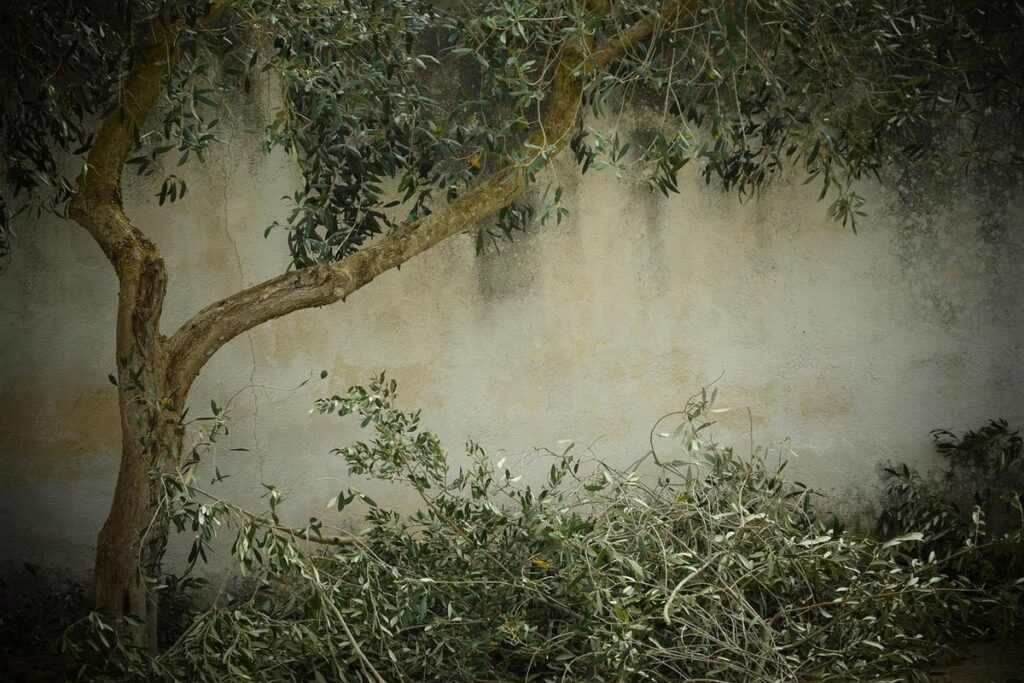
Understanding Olive Tree Pruning
Pruning olive trees requires a solid understanding of the process and how it impacts your tree’s growth. In this section, we’ll break down the basics to get you started on the right track.
Importance of Pruning
When you prune an olive tree, you’re not just shaping its branches – you’re giving it a new lease on life. Pruning is an essential part of olive tree care, and its benefits are multifaceted.
First and foremost, pruning promotes healthy growth by removing diseased or damaged branches that can spread disease and weaken the tree. By cutting off these weak points, you allow the tree to focus its energy on producing new growth, which leads to a stronger, more resilient tree.
Pruning also increases fruit production by allowing more sunlight to reach the fruiting wood. When olive trees are densely branched, they can produce too much foliage and not enough fruit. By thinning out these branches, you give the tree’s fruiting areas more room to breathe and shine.
Regular pruning also helps maintain the tree’s natural shape, which is crucial for its long-term health and productivity. A well-pruned olive tree is a happy, healthy tree that will reward you with bountiful harvests for years to come. By incorporating pruning into your regular maintenance routine, you’ll be amazed at the difference it makes in your tree’s overall performance.
Types of Pruning Cuts
When pruning olive trees, it’s essential to understand the different types of cuts involved. These cuts serve distinct purposes and can significantly impact the tree’s health, structure, and productivity. There are three primary types of pruning cuts: thinning, reduction, and renewal.
Thinning cuts involve removing select branches or twigs to improve air circulation, reduce congestion, and promote even growth. This type of cut is crucial for maintaining a balanced canopy and preventing disease. For example, remove any weak or crossing branches that may be competing with other parts of the tree for resources. Make these cuts at a 45-degree angle, about one-quarter inch from the bud (the area where the branch meets the trunk).
Reduction cuts are used to shorten branches or reduce their size. This is often necessary after heavy fruiting, as olive trees can become top-heavy and require pruning to maintain stability. Reduction cuts should be made at a 45-degree angle, about six to eight inches from the bud.
Renewal cuts involve removing older wood to promote new growth and rejuvenate the tree. These cuts are typically made in late winter or early spring before new growth begins. Cut branches back to a healthy bud or a lateral branch. This will stimulate new shoots and maintain the tree’s overall shape.
When to Prune Olive Trees
Knowing when to prune olive trees is crucial for maintaining their health and promoting new growth, which is why timing is everything in this process. Let’s explore the optimal seasons for pruning your olive tree.
Seasonal Considerations
When it comes to pruning olive trees, understanding seasonal considerations is crucial for optimal growth and fruit production. In warmer climates with mild winters, winter dormancy can be a great time to prune olive trees. During this period, the tree’s energy is redirected towards root growth, making it an ideal time for structural pruning.
However, in areas with harsher winters or colder climates, it’s best to delay pruning until spring growth begins. Pruning during active growth can stress the tree and make it more vulnerable to disease and pests. To determine the best time for pruning in your area, observe the tree’s natural growth patterns and take note of when new growth starts.
As a general rule, prune olive trees in late winter or early spring, just before new growth begins. This timing allows you to shape the tree without causing unnecessary stress. Prune during dry weather to minimize the risk of disease transmission through pruning wounds. By understanding seasonal considerations, you’ll be able to prune your olive tree at the optimal time for its specific climate and location.
Pruning during this period will encourage healthy growth, promote fruiting, and maintain the tree’s overall structure.
Weather Conditions
When pruning olive trees, it’s essential to consider the current and forecasted weather conditions. Extreme temperatures can impact the tree’s ability to heal after pruning, while excessive rain can make pruning more challenging.
Prolonged periods of extreme heat or cold can weaken the tree’s defenses, making it more susceptible to disease and pests. Pruning during such conditions can further stress the tree, reducing its capacity to heal wounds caused by pruning cuts. In contrast, mild temperatures between 40°F and 70°F (4°C and 21°C) are ideal for pruning, as they promote healthy healing and minimize the risk of infection.
Rainy weather can also hinder pruning efforts, making it difficult to maintain a clean cut and potentially causing mud or water to seep into wounds. If rain is forecasted within a few days of pruning, consider delaying your pruning schedule until drier conditions prevail. By taking weather conditions into account, you’ll be able to prune your olive tree at the optimal time, promoting healthy growth and maximizing yields.
Preparing for Pruning
Before you start pruning, let’s talk about preparing your olive tree for the task. This involves checking the weather and soil conditions to ensure the best results.
Equipment Needed
When it comes to pruning olive trees, having the right equipment is crucial for efficiency and effectiveness. Start by gathering essential tools that will make the process smoother. Loppers are a must-have for cutting thicker branches up to 2-3 inches in diameter. Opt for high-quality loppers with comfortable grips and sharp blades.
A pruning saw is also necessary for more substantial branches or those that require a cleaner cut. Choose a curved-blade saw, as they allow for better control and leverage. Additionally, invest in a pruning saw with a long handle to reduce strain on your back and shoulders.
Protective gear like gloves is often overlooked but is vital for preventing injuries. Look for thick, durable gloves made from materials like leather or synthetic materials that provide grip and cushioning. This will help prevent blisters and cuts when handling branches and tools.
Safety Precautions
When pruning olive trees, safety should always be your top priority. It’s essential to take necessary precautions to prevent accidents and injuries, not only for your own well-being but also for the health of your tree.
Before you start pruning, make sure to wear protective gear such as gloves, safety glasses, and a long-sleeved shirt to protect yourself from branches, leaves, and potential falling debris. A good pair of pruning shears or loppers is also crucial; choose ones with comfortable grips and sharp blades for efficient cutting.
When working on a ladder, stability is key. Ensure the ladder is securely positioned on a firm surface and consider enlisting someone to hold it in place for added support. Always maintain three points of contact with the ladder – two hands and one foot or two feet and one hand – to prevent slipping or falling.
Regular pruning can help maintain your olive tree’s health, but only if done safely. Take your time, stay focused, and prioritize caution over completing the task quickly. By following these simple safety measures, you’ll be able to prune your olive tree with confidence and enjoy its fruits for years to come.
Pruning Techniques
Now that we’ve covered the basics of pruning, it’s time to dive deeper into specific techniques you can use to shape and maintain your olive tree. Let’s explore some practical methods for achieving optimal growth and health.
Removing Deadwood
When pruning olive trees, it’s essential to remove deadwood, also known as “dead branches” or “suckers,” which can compromise the tree’s health and productivity. Deadwood is characterized by a dull grayish-brown color, brittleness, and often cracks or splits when flexed. To identify dead branches, gently grasp them with your hand; if they come off easily, they’re likely dead.
Removing deadwood not only improves air circulation within the tree but also reduces the risk of disease and pest infestations. Air circulation is vital for olive trees as it allows moisture to evaporate quickly, preventing fungal diseases from taking hold. Dead branches, on the other hand, can act as conduits for disease pathogens.
To safely remove deadwood, use a sharp pruning saw or loppers. Cut just above a growth node (the small knob where a branch meets the trunk) at an angle, making sure the cut is not too shallow and won’t harm surrounding tissues. Remove any dead material completely, cutting back to about one inch from the main trunk. This will allow for new growth to emerge from that point, promoting healthy tree development.
In extreme cases, if you notice a significant number of dead branches throughout your olive tree, consider consulting an arborist or pruning expert for guidance on addressing this issue comprehensively.
Shaping the Tree
Shaping an olive tree to its desired form is an art that requires patience and practice. As you prune regularly, you can create a beautiful and balanced canopy that promotes healthy growth and fruit production. One of the essential steps in shaping your olive tree is removing suckers – shoots that grow from the base of the tree or between branches. These should be removed immediately to prevent them from taking energy away from the rest of the tree.
When it comes to crossing branches, look for those that are rubbing against each other and causing damage. Cut back one of the branches, making sure to cut just above a growth node so that new wood grows in its place. This will help maintain a balanced canopy and prevent disease. Another technique is to remove weak or spindly branches to promote a strong framework for fruiting.
By removing suckers and crossing branches regularly, you can shape your olive tree into a beautiful and productive specimen.
Common Mistakes to Avoid
Don’t let pruning mistakes harm your olive tree, learn how to avoid common errors that can lead to reduced yields and damaged trees. From over-pruning to neglecting regular maintenance.
Over-Pruning
Over-pruning is one of the most common mistakes gardeners make when pruning olive trees. While it may seem counterintuitive, cutting back too much foliage can do more harm than good to your tree’s health and productivity.
When you over-prune an olive tree, you’re essentially causing stress damage that can lead to a range of problems. For one, the tree will expend valuable energy to produce new growth, which can divert resources away from fruit production. This can result in reduced yields or even no harvest at all. In extreme cases, over-pruning can also cause dieback, where branches and twigs fail to grow back.
It’s estimated that a mature olive tree needs only 20-30% of its foliage removed each year to maintain its shape and promote healthy growth. So how do you know when you’re pruning too much? A good rule of thumb is to remove no more than one-third of the tree’s branches in any given year, focusing on removing dead or damaged wood rather than just cutting back for aesthetic reasons.
Under-Pruning
When it comes to pruning olive trees, one of the most common mistakes gardeners make is under-pruning. This means not cutting away enough branches and leaves to maintain a healthy, balanced structure for the tree.
If you don’t remove enough diseased or damaged wood, it can lead to a weakened tree that’s more susceptible to pests and diseases. Fungal infections, in particular, thrive in damp environments created by retained moisture on infected branches. For instance, olive trees suffering from root rot may produce weak branches that are easier for insects like olive knot disease (Pseudomonas savastanoi) to infect.
Regular pruning not only eliminates these vulnerabilities but also promotes air circulation around the tree’s canopy. This helps prevent fungal growth and limits opportunities for pests to hide and multiply. To avoid under-pruning, it’s essential to inspect your olive tree regularly, removing any branches that are diseased or damaged. A good rule of thumb is to cut back about one-third of the tree’s new growth during each pruning session. By taking proactive steps, you can keep your olive tree in top condition and prevent costly problems down the line.
Maintaining Your Pruned Tree
Now that you’ve pruned your olive tree, it’s essential to maintain its new shape and encourage healthy growth by following some simple care instructions. Regular checks will keep your tree thriving.
Post-Pruning Care
After pruning your olive tree, it’s essential to provide it with proper care to promote healthy growth and prevent potential problems. The post-pruning period is critical for your tree’s recovery, so make sure you follow these steps carefully.
Watering plays a significant role during this time. Olive trees need consistent moisture, especially when they’re recovering from pruning. Water your tree thoroughly after pruning, and continue to keep the soil moist but not waterlogged. Aim for about 1 inch of water per week, either through rain or irrigation. However, be cautious not to overwater, as this can lead to root rot.
Fertilizing is also crucial during the post-pruning period. Pruning removes a significant portion of your tree’s foliage, which reduces its ability to produce nutrients through photosynthesis. Feed your olive tree with a balanced, slow-release fertilizer (10-10-10 NPK) about 2-4 weeks after pruning. This will provide your tree with essential nutrients necessary for new growth.
Regular monitoring is vital to prevent pests and diseases from taking advantage of your tree’s weakened state. Check your tree regularly for signs of infestation or infection, such as aphids, whiteflies, or fungal growths like powdery mildew. If you notice any issues, treat them promptly with organic or chemical methods.
To promote optimal recovery, maintain a consistent pruning schedule. Prune your olive tree at the right time (winter or early spring), and perform regular maintenance to keep it healthy and strong. By following these post-pruning care tips, you’ll be well on your way to enjoying a robust and productive olive tree for years to come.
Frequently Asked Questions
What’s the best time to prune my olive tree if I have a busy schedule?
If you’re short on time, consider pruning your olive tree during its dormant season (winter or early spring). This allows the tree to recover from pruning before new growth begins. Plus, it’s often easier to spot dead or diseased branches when the tree is bare.
How do I know if I’ve pruned too much of my olive tree?
Over-pruning can be detrimental to your olive tree’s health. Check for signs like excessive sap flow, a weak canopy, or an overall decline in growth. If you’re unsure, consider pruning only what’s necessary and erring on the side of caution.
What if I’ve missed a seasonal pruning session? Can I still prune my olive tree?
While it’s ideal to prune at the right time, you can still prune your olive tree during other seasons. Just be aware that this may impact the tree’s response to pruning. For example, pruning in the spring or summer might stimulate new growth, which could make future pruning sessions more challenging.
How do I maintain my pruned olive tree and prevent it from becoming lopsided?
To prevent an unbalanced canopy, prune your olive tree regularly, focusing on maintaining a central leader (main trunk) and evenly spaced branches. Also, consider pruning in small increments to avoid shocking the tree.
Can I use regular gardening shears for pruning my olive tree, or do I need specialized equipment?
While regular shears can work for smaller olive trees, they may not be sufficient for larger ones. Consider investing in loppers (long-handled pruning shears) or a pruning saw for more efficient and precise cuts. This will also help prevent accidental damage to the tree’s bark or branches.