
Are you a jasmine enthusiast struggling to keep your beautiful blooms thriving? Or perhaps you’re new to gardening with this lovely, fragrant plant. Whatever your situation, pruning is an essential part of maintaining healthy jasmine plants and encouraging them to produce more flowers. However, it’s easy to make mistakes that can harm or even kill your precious plant. In this comprehensive guide, we’ll walk you through the basics of jasmine pruning, covering everything from timing and tools to common mistakes to avoid. By mastering these techniques, you’ll be able to promote healthy growth, encourage blooming, and enjoy a stunning display of flowers year after year.
Understanding Jasmine Plants and Their Needs
To grow a thriving jasmine plant, it’s essential to understand its unique needs, which can vary depending on factors like climate, soil type, and intended use. Let’s dive into what makes these plants tick.
Choosing the Right Time to Prune Your Jasmine
When it comes to pruning your jasmine, timing is everything. The factors that influence pruning time are climate, plant age, and growth habits, which can vary significantly depending on the region you’re in.
In warmer climates with mild winters, jasmine tends to grow rapidly year-round, making regular pruning necessary to keep it under control. In these areas, prune your jasmine every 6-8 weeks during the growing season, focusing on maintaining shape and promoting new growth.
If you live in a cooler climate with harsh winters, your jasmine will likely go dormant during the winter months. Prune your plant in late winter or early spring, just before new growth begins, to remove any dead or damaged branches.
For younger plants (less than 2 years old), it’s best to prune minimally, focusing on removing any weak or spindly growth to encourage a strong foundation. As the plant matures, you can gradually increase pruning frequency and intensity to maintain its desired shape and promote healthy growth. By considering these factors, you’ll be able to tailor your pruning schedule to your specific jasmine plant’s needs, ensuring it thrives under your care.
Preparing Your Tools and Equipment for Pruning
When it comes to pruning jasmine plants, having the right tools and equipment is essential for effective and safe maintenance. As you prepare to tackle your jasmine pruning task, make sure you have the following essential items at hand.
First and foremost, invest in a good pair of gloves. Pruning can be physically demanding and may leave your hands exposed to thorns, sap, and dirt. A sturdy pair of gardening gloves will protect your skin from these potential hazards, ensuring that you can work comfortably throughout the task. Look for gloves with grip and dexterity, making it easier to handle tools and manipulate branches.
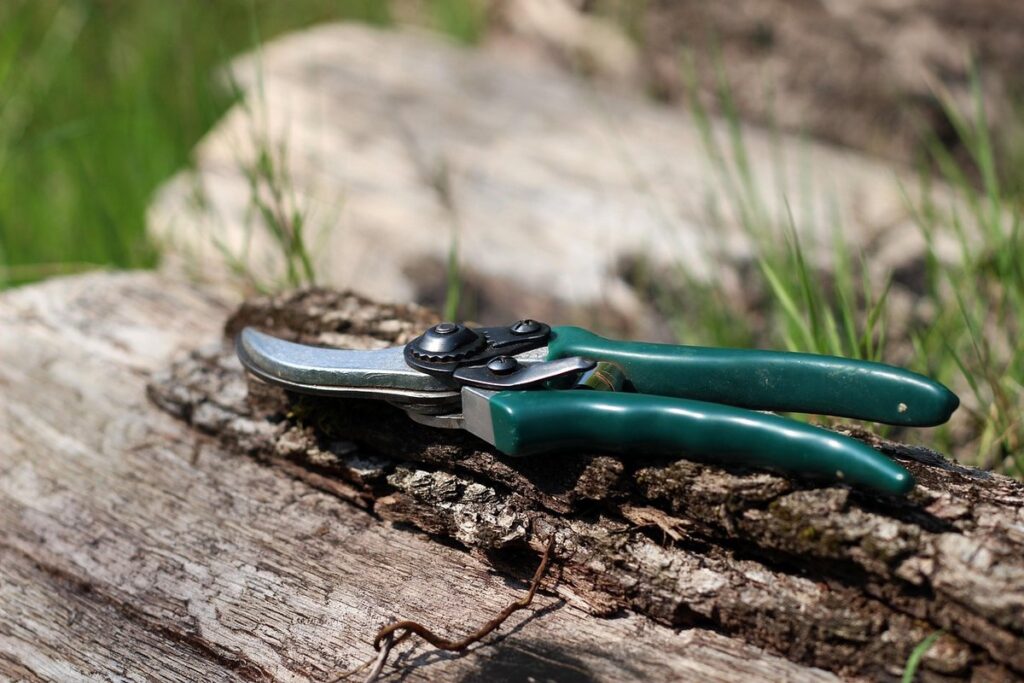
In addition to gloves, a good pruning shears or loppers are crucial for cutting through thick stems and branches. Pruning shears, also known as secateurs, are ideal for smaller cuts, while loppers provide the leverage needed for thicker limbs. Choose tools with high-quality blades that will stay sharp even after repeated use.
It’s also essential to have a sturdy pruning saw on hand for larger branches and deadwood removal. A well-maintained pruning saw will make quick work of these tasks and prevent further damage to your plant. When selecting tools, prioritize durability, comfort, and effectiveness to ensure a successful jasmine pruning experience.
Basic Pruning Techniques for Jasmine Plants
When it comes to maintaining your jasmine plants, learning basic pruning techniques is essential for promoting healthy growth and encouraging blooms. In this section, we’ll cover the fundamentals of pruning.
Removing Dead or Damaged Wood
When pruning jasmine plants, it’s essential to remove dead or damaged branches not only for aesthetic purposes but also to promote healthy growth and prevent disease spread. Dead wood can serve as a conduit for fungal diseases like crown gall and bacterial blight, which can quickly infect the entire plant.
To identify dead or damaged branches, inspect your jasmine plant regularly, looking for signs such as:
• Brittle or dry twigs
• Discolored leaves or stems
• Wilted or droopy growth
When you’ve identified a branch that needs removal, cut it back to about 6 inches from the main stem using sterile pruning tools. This will prevent any potential infection from spreading further into the plant.
It’s also crucial to remove any damaged or diseased areas as soon as possible to maintain your jasmine plant’s overall health and ensure optimal blooming performance.
Shaping and Thinning Out Your Jasmine Plant
When it comes to shaping and thinning out your jasmine plant, selective pruning is key. This process involves carefully choosing which stems to remove and when, allowing you to maintain the desired form of your plant while encouraging healthy growth.
To shape your jasmine plant, begin by identifying any branches that are growing inwards or crossing over one another. These should be removed immediately as they can become tangled and cause damage to the plant. Next, focus on thinning out stems by cutting back leggy sections to about a third of their length. This will help to encourage branching and promote a fuller appearance.
It’s also essential to maintain the shape of your jasmine plant throughout its growing season. Regular pruning will not only keep your plant looking neat but also prevent it from becoming too dense, which can lead to disease issues. To achieve this, simply remove any weak or spindly growth on a monthly basis, taking care to always use clean and sharp tools to avoid spreading diseases.
By implementing these techniques regularly, you’ll be able to maintain the desired shape of your jasmine plant while promoting healthy growth and blooming.
Advanced Pruning Techniques for Specific Growth Habits
If you’re dealing with particularly unruly or unique jasmine growth habits, don’t worry – we’ve got advanced pruning techniques to help you tame them. We’ll show you how to prune for optimal blooms and a healthy plant.
Pruning Climbing Jasmine Varieties
Pruning climbing jasmine varieties can be a bit more challenging than other types due to their vigorous growth habits. To manage this growth and encourage vertical development, you’ll want to focus on regular pruning during the right seasons.
When pruning your climbing jasmine variety, consider cutting back any leggy stems in late winter or early spring before new growth begins. This will help maintain a balanced shape and promote healthy, dense foliage. Make sure to cut just above a bud eye (the small swelling where a leaf meets the stem) to encourage branching and prevent dieback.
Regular tip pruning during the growing season can also help control the plant’s height and encourage more lateral growth. Simply snip off the terminal ends of stems, leaving about one-third of the stem intact. This will not only keep your jasmine in check but also stimulate a fuller, more lush appearance.
To avoid over-pruning and stressing the plant, prune no more than 20-30% of the total foliage at any given time. Remember to always make clean cuts just above a node (where a leaf meets the stem) using sharp, sterile pruning tools to minimize the risk of disease transmission.
Pruning Compact or Dwarf Jasmine Varieties
When it comes to compact or dwarf jasmine varieties, pruning plays a crucial role in maintaining their shape and promoting blooming. These plants are naturally smaller than their standard counterparts but can quickly become leggy and lose their compact shape if not pruned regularly.
To keep your compact or dwarf jasmine looking its best, focus on pinching or cutting back the tips of new growth to encourage branching and a bushy habit. This will also help control the overall size of the plant, keeping it within its desired dimensions. Prune after flowering to maintain the plant’s shape without removing the buds that will produce next year’s blooms.
In general, aim to prune compact or dwarf jasmine varieties lightly but regularly throughout the growing season. Remove any dead, diseased, or damaged stems as you go, and cut back leggy growth by about one-third to encourage a fuller plant. With regular pruning, your compact or dwarf jasmine will maintain its shape and continue to produce an abundance of fragrant flowers year after year.
For example, ‘Frogeri’ is a popular compact English lavender that benefits from regular pinching to maintain its compact shape.
Common Mistakes to Avoid When Pruning Jasmine Plants
When pruning jasmine plants, it’s easy to make mistakes that can damage your plant and leave it looking unkempt. Let’s take a look at some common errors to steer clear of.
Over-Pruning: A Major Pitfall for Jasmine Gardeners
Over-pruning is one of the most common mistakes Jasmine gardeners make. When you over-prune, you risk causing irreparable damage to your plant’s growth and blooming potential. This can lead to reduced plant vigor, which means your Jasmine may not be as resilient or healthy-looking as it should be.
When a plant is pruned too severely, it must devote more energy to repairing itself than to producing new growth. This results in fewer blooms, or even no blooms at all, as the plant directs its resources towards recovery rather than flowering. For example, if you prune your Jasmine back by more than one-third of its height, it may not be able to produce the same number of flowers it normally would.
To avoid this pitfall, it’s essential to prune your Jasmine with restraint and only remove what is absolutely necessary. Prune for shape and size control, but also keep an eye on how much foliage you’re removing at once. A good rule of thumb is to prune no more than 10-15% of the plant’s total growth in a single session.
Under-Pruning: Allowing Jasmine Plants to Become Leggy
When you’re pruning your jasmine plant, it’s easy to err on the side of caution and under-prune instead of taking off more than needed. But this approach can have some serious consequences for your plant’s health and appearance.
Under-pruning encourages legginess, which means that your jasmine will start to grow long, weak stems with few flowers or leaves. This is because the plant is putting all its energy into producing new growth rather than focusing on healthy, robust branches. Over time, this can lead to a lanky, unsightly appearance that’s more like a weed than a beautiful flowering vine.
Under-pruning also makes your jasmine plant more susceptible to disease. When stems are weak and leggy, they’re more vulnerable to pests and diseases that can quickly spread through the plant. This is because the plant’s energy is focused on producing new growth rather than building up its defenses against illness. To avoid these risks, make sure to prune your jasmine regularly and thoroughly, removing any weak or damaged stems as soon as you notice them.
Conclusion and Maintenance Tips
Now that you’ve mastered pruning your jasmine, let’s discuss how to keep it thriving in the long term with regular maintenance tips.
Final Thoughts on Pruning Your Jasmine Plant Successfully
As you’ve completed pruning your jasmine plant, take a moment to reflect on what you’ve learned. Regular maintenance is key to keeping your jasmine thriving and healthy. By following the techniques outlined in this guide, you’ve not only pruned your plant but also set it up for continued growth and blooms.
Remember that pruning is an ongoing process – it’s not a one-time task. Schedule regular check-ins with your plant to maintain its shape, promote new growth, and encourage blooming. Don’t forget to keep an eye out for any signs of disease or pests, addressing them promptly to prevent harm to your plant.
To ensure your jasmine continues to flourish, consider incorporating these habits into your routine: inspecting the plant regularly, pruning at least twice a year, and providing optimal growing conditions. By committing to these practices, you’ll be rewarded with a robust and fragrant jasmine plant that brings joy to your garden for years to come.
Additional Tips for Encouraging Healthy Growth
To ensure your jasmine plant thrives after pruning, it’s essential to maintain optimal growing conditions. This includes providing regular watering, fertilization, and monitoring for pests. Water your jasmine plant deeply once a week during its active growth phase, but avoid overwatering, which can lead to root rot. During the dormant season, reduce watering to once every 10-14 days.
Fertilize your jasmine plant with a balanced fertilizer (10-10-10) in the spring and summer months when it’s actively growing. You can also use a slow-release fertilizer for convenience. Keep in mind that overfertilization can damage your plant, so follow the recommended application rates.
Regularly inspect your jasmine plant for signs of pests like aphids, whiteflies, or spider mites. Use neem oil or insecticidal soap to control infestations. Prune any affected areas promptly to prevent further damage. By following these best practices, you’ll be able to create an environment that fosters healthy growth and encourages your jasmine plant to flourish year-round.
Frequently Asked Questions
How do I know if I’ve over-pruned my jasmine plant?
If you notice excessive cutting back of stems, or if your plant is not producing new growth, it’s likely that you’ve over-pruned. Yes, this is a common mistake that can be detrimental to the health and flowering performance of your jasmine. To avoid over-pruning in the future, focus on removing only dead or damaged wood during pruning sessions.
What are some signs that my jasmine needs more frequent pruning?
If you notice rapid growth, weak stems, or an increased number of buds forming along the branches, it’s likely that your jasmine requires more frequent pruning. In warmer climates, this may mean pruning every 4-6 weeks to maintain shape and promote healthy growth.
Can I prune my jasmine plant in the middle of a growing season?
While it’s generally recommended to prune at specific times depending on climate and growth habits, you can still prune your jasmine during an active growing season. However, be cautious not to remove too much foliage or cut back too many stems, as this can shock the plant.
How do I care for my jasmine after pruning?
After pruning your jasmine, make sure to provide it with sufficient water and nutrients. Fertilize lightly but regularly to promote new growth, and keep an eye out for pests or diseases that may take advantage of any exposed areas on the plant.
What are some tips for pruning compact or dwarf jasmine varieties?
When pruning compact or dwarf jasmine varieties, focus on maintaining a balanced shape and promoting bushy growth. Prune these plants more frequently to control their size and encourage new blooms, but avoid over-pruning, which can weaken their stems.