
Are you tired of wondering whether your jade plant needs a trim? With its low-maintenance reputation, it’s easy to forget about pruning, but neglecting this essential task can lead to overgrowth and weakened roots. On the other hand, learning how to prune your jade plant correctly can take it from dull to dazzling! In our ultimate guide to jade plant pruning, we’ll walk you through the basic techniques that will keep your plant looking its best, as well as some advanced methods for those who want to push their green thumb skills even further. We’ll also highlight common mistakes to avoid, so you can ensure a healthy and thriving jade plant that brings joy and freshness to any room in your home.
Understanding Your Jade Plant’s Pruning Needs
Understanding your jade plant’s pruning needs is essential for maintaining its shape, promoting healthy growth, and encouraging new leaf development. Let’s break down what to expect from your plant’s unique pruning requirements.
Recognizing Why Pruning is Essential
Pruning is an essential practice that often gets overlooked by jade plant enthusiasts. However, neglecting to prune your jade plant can have severe consequences on its health and appearance.
First and foremost, pruning helps maintain your jade plant’s shape and size. As it grows, the stems and branches become leggy and unbalanced, making it look unkempt and unsightly. Regular pruning encourages bushy growth by promoting new shoots and leaves to develop from the center of the plant. This not only improves its aesthetic appeal but also keeps it compact and manageable.
Beyond appearance, pruning plays a crucial role in maintaining your jade plant’s overall health. Pruning removes diseased or damaged areas, preventing the spread of pests and diseases that can be detrimental to the plant’s well-being. It also helps control pest populations by removing infested leaves or stems, thereby reducing the risk of an infestation taking hold.
Pruning is a vital aspect of jade plant care, and its benefits are undeniable.
Identifying the Right Tools and Materials
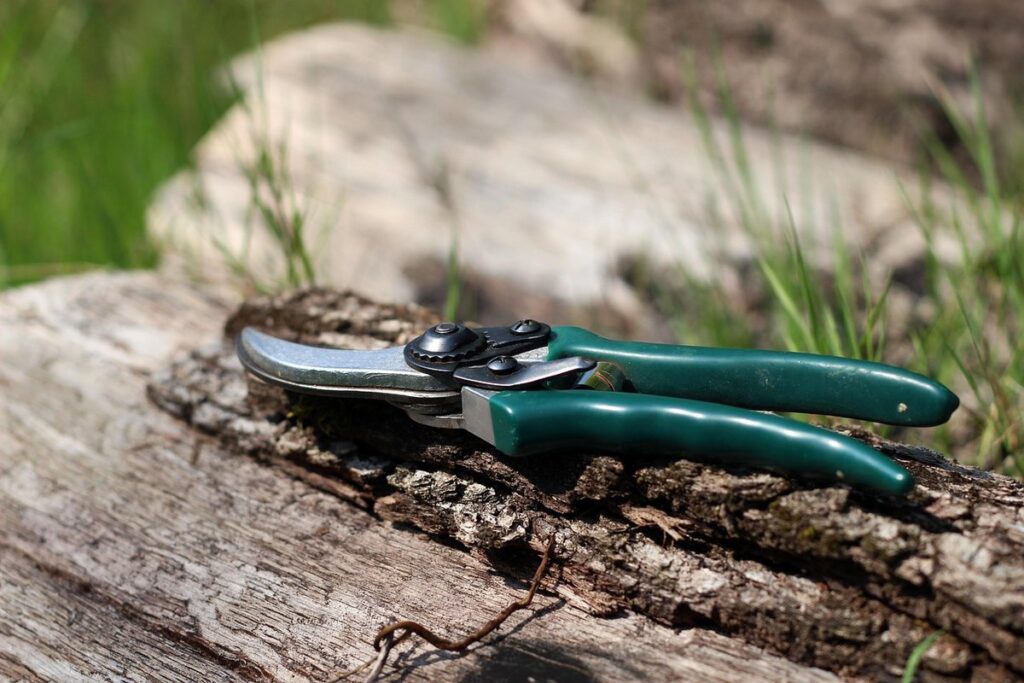
To prune your jade plant effectively, you’ll need the right tools and materials. Let’s start with the essentials: pruning shears are a must-have for cutting thick branches or stems. Look for sharp, clean blades to prevent crushing the delicate leaves of your jade plant. There are two main types of pruning shears: bypass pruners and anvil pruners. Bypass pruners are ideal for most pruning tasks as they cut through the branch without crushing it.
You’ll also want a good pair of gloves to protect your hands from thorns and sap. This will make handling the plant much more comfortable and prevent any accidents. Cleaning supplies, such as a gentle soap and a soft-bristled brush, are necessary for removing any debris or dust that may be clinging to the leaves.
In addition to these basic tools, you’ll need a clean, sanitized surface to work on. This will help prevent the spread of any diseases or pests that might be present on your jade plant. Make sure to wash your hands thoroughly before and after handling your plant.
Basic Pruning Techniques for Jade Plants
To prune your jade plant effectively, you’ll want to start by mastering the basic techniques that will help shape and maintain its beautiful foliage. We’ll walk you through these essential methods step-by-step.
Understanding Pruning Shapes and Styles
When it comes to pruning jade plants, understanding different shapes and styles can help you achieve your desired aesthetic. One popular style is topiary, where the plant is pruned into a specific shape using wire frames or shaping techniques. This creates a formal, symmetrical look that’s perfect for small spaces or as a decorative accent.
Espalier pruning involves training the plant to grow along a trellis or wall, creating a beautiful display of foliage and flowers. Free-form designs, on the other hand, allow the plant to grow naturally without any constraints, resulting in a unique and organic shape.
To achieve these styles, it’s essential to understand the plant’s natural growth habits and prune accordingly. For topiary shapes, prune regularly to maintain the desired form, while espalier pruning requires patience as the plant grows along the trellis. Free-form designs require minimal pruning, allowing the plant to thrive naturally.
Some popular examples of jade plants in different shapes include miniature topiaries for small gardens and espalier-trained plants used as vertical gardens.
Removing Dead or Damaged Leaves
Removing dead or damaged leaves from your jade plant is an essential step in maintaining its overall health and appearance. These unsightly leaves can not only detract from the plant’s beauty but also create an environment conducive to disease and pests.
To identify dead or damaged leaves, inspect your plant regularly, looking for signs such as discoloration, brittleness, or a dry, papery texture. Gently grasp the leaf at its base and twist it gently; if it comes off easily, it’s likely dead or dying.
When removing dead or damaged leaves, use clean pruning shears to prevent spreading diseases. Cut the leaf just above a node (where a leaf meets the stem), making a 45-degree angle cut to promote healthy growth. This will also help prevent water from collecting on the wound and reducing the risk of fungal infections.
Apply a thin layer of clear wax or a plant sealant to the exposed area to protect it from drying out and promoting callusing over time.
Advanced Pruning Techniques for Shaping and Renovation
Now that you’ve mastered the basics of pruning, it’s time to take your skills to the next level. In this advanced guide, we’ll cover techniques for rejuvenating overgrown stems and shaping your jade plant into a stunning work of art.
How to Prune a Jade Plant for Better Air Circulation
Air circulation is crucial for jade plants, and pruning plays a significant role in maintaining healthy airflow. When stems grow tightly together, they create a humid microclimate that fosters the development of fungal diseases such as root rot and leaf spot. Pruning helps to mitigate this issue by allowing air to circulate freely around the plant.
To improve air circulation, prune your jade plant to maintain an open center. Remove any dead or damaged stems, which can harbor disease-causing pathogens. Cut them back to the base, making clean cuts just above a node (where a leaf meets the stem). This will encourage new growth and prevent the spread of disease.
Regular pruning also helps to reduce humidity by promoting air exchange within the plant’s leaves. By keeping your jade plant at a moderate height, you can ensure better air circulation around its foliage, reducing the risk of fungal diseases.
Revitalizing Old or Overgrown Jade Plants
Revitalizing old or overgrown jade plants can be a daunting task, but with the right techniques, you can restore them to their former glory. If your plant has become leggy or its leaves are looking dull and worn out, it’s time to take action.
First, assess the extent of the damage by gently separating the stems from each other. This will give you an idea of how much pruning is required. For severely overgrown plants, start by reducing the height of the plant by cutting back about one-third of the longest stems to a healthy-looking node. This will encourage new growth and help control the plant’s size.
Next, focus on rejuvenating the growth by removing any weak or spindly stems and old leaves that are no longer producing new growth. Cut these off at the base, taking care not to damage the remaining stem tissue. By pruning back overgrown jade plants in this way, you’ll be able to stimulate new growth, reduce maintenance, and get your plant looking healthy and vibrant once again.
When renovating an old or overgrown jade plant, it’s essential to maintain good air circulation around the plant by spacing out its stems evenly. This will help prevent water from collecting on the leaves and promote healthy root development.
Pruning Schedule and Frequency
To keep your jade plant thriving, it’s essential to establish a regular pruning schedule and frequency that suits its growth needs at different times of the year. This guide will walk you through the process.
Determining the Best Time to Prune
When it comes to pruning your jade plant, timing is everything. The ideal seasons and timing for pruning depend on several factors, including your climate, temperature, and humidity levels. Generally, the best time to prune your jade plant is during its dormant season, which typically falls between fall and early spring.
In warmer climates with high temperatures and humidity, it’s best to prune in late winter or early spring before new growth begins. This allows the plant to focus its energy on producing new leaves and roots rather than fighting off pests and diseases that thrive in hot weather.
On the other hand, if you live in an area with cooler winters, you can prune your jade plant in fall or early winter. Pruning during this time encourages the plant to produce new growth before the cold weather sets in.
It’s essential to avoid pruning your jade plant during its active growing season, typically between spring and summer. This is when the plant is producing new leaves and stems, and pruning during this time can stress the plant and lead to disease or pests. By pruning at the right time, you’ll promote healthy growth, encourage bushy shape, and keep your jade plant looking its best.
Creating a Maintenance Plan
Creating a maintenance plan for regular pruning is crucial to ensure your jade plant stays healthy and thrives. To start, schedule a specific day each month or season to dedicate to pruning. This could be on the first Sunday of every month or during the spring equinox when new growth begins.
Determine the frequency of pruning based on your jade plant’s needs. Healthy plants typically require more frequent pruning (every 4-6 weeks) compared to those struggling with pests, diseases, or nutrient deficiencies. Consider factors like the plant’s age, size, and current health. For instance, a mature jade may only need pruning every 8 weeks, while a younger one might benefit from bi-weekly prunes.
Potential adjustments are necessary as your plant grows and changes. Monitor its progress, taking note of new growth patterns or signs of disease. If you notice overgrown branches, dead leaves, or pest infestations, adjust your pruning schedule accordingly. Remember to water your jade thoroughly before pruning to prevent shock and promote healthy recovery.
Common Mistakes to Avoid When Pruning Jade Plants
When pruning your jade plant, it’s easy to make mistakes that can harm the plant, so let’s cover some common pitfalls to avoid right from the start. By understanding these errors, you’ll be able to prune like a pro.
Incorrect Cutting Techniques
When pruning your jade plant, it’s essential to use proper cutting techniques to avoid causing damage to the plant. One common mistake is using dull blades, which can tear the stems rather than making a clean cut. This can lead to infection and scarring on the plant.
To prevent this, make sure to use sharp, sterile pruning tools specifically designed for plants. Dull blades can also cause uneven cuts, which can be unsightly and weaken the plant’s structure. When cutting, aim for a 45-degree angle and make clean cuts just above a node (where a leaf meets the stem). This will help the plant heal quickly and prevent water from collecting in the cut area.
Uneven cuts can also lead to uneven growth patterns on your jade plant. To avoid this, take your time when pruning and use a gentle sawing motion to cut through thick stems. With practice, you’ll become more comfortable with pruning techniques and be able to achieve clean, even cuts that promote healthy growth in your jade plant.
Over-Pruning and Under-Pruning
When pruning your jade plant, it’s easy to get carried away with removing excess growth. However, over-pruning can have serious consequences for your plant’s health. When you prune too much of the plant at once, you’re essentially stripping away its natural defense mechanisms. This weakening of the immune system makes your jade plant more susceptible to pests and diseases.
In extreme cases, over-pruning can even lead to root damage or death if the plant isn’t able to recover in time. On the other hand, under-pruning doesn’t necessarily sound like a problem – after all, it’s better than over-doing it, right? But the reality is that an under-pruned jade plant can suffer from poor air circulation.
This lack of airflow allows moisture to become trapped around the leaves and stems, creating an ideal environment for fungal diseases like root rot. Moreover, when pruning is inadequate, your plant may not be able to photosynthesize efficiently, leading to stunted growth and a decrease in its overall vitality.
Conclusion and Tips for Success
Now that you’ve mastered the art of pruning your jade plant, let’s wrap up with some essential tips to ensure its continued health and beauty. You’ll learn how to keep it thriving!
Recapitulating Key Takeaways
Pruning your jade plant requires attention to detail and adherence to specific techniques to promote healthy growth and prevent overgrowth. To ensure you’re on the right track, let’s recapitulate the essential points from our comprehensive guide.
Firstly, we discussed the ideal time for pruning – during the spring and early summer months when your plant is actively growing. This allows for new growth to flourish after pruning. Remember to remove any dead or damaged leaves or stems first, as these can harbor pests and diseases that might spread to other parts of the plant.
Next, focus on shaping your jade plant’s branches by cutting back overgrown tips and reducing stem length. Be cautious not to cut too much at once, as this can shock the plant. Prune about 1/3 of the stems in each session, giving the plant time to adjust before the next pruning.
By incorporating these best practices into your regular maintenance routine, you’ll be able to enjoy a thriving and visually appealing jade plant that brings life and serenity to any room. Remember to observe your plant’s response to pruning and adjust your technique as needed. With practice, you’ll become more confident in your ability to prune your jade plant effectively.
Additional Resources and Support
If you’re still unsure about pruning your jade plant or have specific questions, there are several resources available to help. Online forums like Reddit’s r/plantcare and r/jadepants, as well as gardening communities on Facebook and Instagram, can provide valuable advice from experienced growers. You can also seek guidance from local nurseries or gardening stores in your area.
For more in-depth information, consider consulting books on jade plant care and pruning from reputable authors. Some popular online resources include The Spruce, Gardening Know How, and Houseplant Magazine. These websites offer a wealth of knowledge on houseplants, including pruning techniques, propagation methods, and troubleshooting common issues.
Additionally, don’t be afraid to reach out to fellow growers in your community or online for advice. They can offer practical tips and share their own experiences with jade plant care. Some popular online groups include the Jade Plant Enthusiasts group on Facebook and the Jade Plant subforum on GardenWeb. By connecting with others who share your passion, you can stay up-to-date on the latest pruning techniques and gain a deeper understanding of how to keep your jade plant healthy and thriving.
Frequently Asked Questions
What are some common mistakes to avoid when pruning my jade plant for the first time?
When starting out with pruning your jade plant, it’s easy to over-prune or under-prune, which can harm the plant. Be sure to identify the right tools and materials (such as clean scissors or pruning shears) before you start pruning. To avoid common mistakes, focus on removing only dead or damaged leaves, and don’t remove more than one-third of the plant’s foliage at a time.
How often should I prune my jade plant after it has reached maturity?
After your jade plant has matured and is thriving, you’ll want to maintain its shape through regular pruning. Aim to prune your mature jade plant every 6-12 months, or as needed. This will help keep the plant bushy and encourage new growth.
Can I still prune my jade plant if it’s indoors with limited natural light?
Yes, even indoor jade plants need pruning to stay healthy and thriving. Since they may not receive direct sunlight like outdoor plants do, pay closer attention to their shape and remove any weak or spindly growth that might be stretching towards available light sources.
What happens if I over-prune my jade plant? Can it recover?
Yes, jade plants are relatively resilient and can recover from over-pruning. However, over-pruning can weaken the plant’s roots and lead to reduced growth. If you do accidentally over-prune your plant, reduce subsequent pruning sessions to once a year or less until it regains its strength.
How do I know when my jade plant needs a more extensive renovation?
Look for signs that your jade plant has outgrown its container or is showing significant signs of wear and tear. This might include severely overgrown stems, damaged leaves, or root bound growth. If you notice these signs, it’s likely time to renovate your jade plant using advanced pruning techniques.