
Pruning is often misunderstood as a task that cuts back on blooms, but the truth is just the opposite. With the right techniques, you can actually encourage your flowering plants to produce more vibrant and frequent flowers all season long. But how do you prune for maximum blooming potential without sacrificing the beauty of your garden? In this comprehensive guide, we’ll walk you through the secrets to pruning like a pro and avoid common mistakes that can leave your blooms dwindling. From understanding plant types and growth habits to timing and technique, we’ll cover it all. Whether you’re looking to maximize blooms in spring or create a year-round showstopper, our expert advice will help you unlock the full potential of your flowering plants and take your garden to the next level.
Understanding the Importance of Pruning
Pruning is often misunderstood, but it plays a crucial role in encouraging flowering and maintaining healthy plants. Let’s dive into the importance of pruning.
The Role of Pruning in Flowering Plants
When it comes to flowering plants, pruning is an essential practice that not only enhances their appearance but also promotes healthy growth and encourages blooming. For many flowering plants, regular pruning helps maintain a balanced shape, allowing them to channel energy towards producing vibrant flowers.
Pruning affects the overall well-being of flowering plants in several ways. By removing dead or diseased branches, you eliminate potential entry points for pests and diseases, reducing the risk of infection and promoting a clean environment around the plant. Additionally, pruning helps control the plant’s size and shape, making it easier to manage its space requirements and accommodate any necessary support systems.
In terms of benefits, pruning stimulates the growth of new shoots and blooms by removing constraints on the plant’s ability to expand. This process triggers cell division in the plant, leading to a more vigorous and productive growth pattern. For instance, after pruning, flowering plants like roses or peonies are likely to produce larger, more abundant flowers due to the redirected energy flow.
By adopting a regular pruning schedule, you can significantly improve your chances of getting the best out of your flowering plants. Start by removing any dead, diseased, or damaged branches and proceed with shaping the plant according to its needs.
Common Mistakes to Avoid When Pruning for Flowers
When it comes to pruning for flowers, there are several common mistakes that gardeners make, which can actually have the opposite effect and hinder blooming. One of the most significant errors is cutting too much at once. It’s tempting to give plants a radical haircut in an attempt to rejuvenate them, but this can be disastrous. Instead, take off no more than one-third of the plant’s foliage at a time. This allows the plant to recover and redirect its energy towards producing flowers.
Another mistake is pruning at the wrong time of year. For example, cutting back spring-flowering plants in the fall or winter will prevent them from blooming the following season. Similarly, pruning summer-blooming plants too early can reduce their flowering potential for that year. Be sure to research the specific needs of your plants and prune accordingly.
It’s also essential to avoid making clean cuts with a dull tool, as this can cause damage to the plant. Use sharp, clean tools to make precise cuts just above a node or bud eye.
Selecting the Right Tools for Pruning
When it comes to pruning, having the right tools is essential to avoid damaging your plants and to ensure you’re cutting at the correct spots. Next, let’s talk about selecting the best pruning shears for your needs.
Choosing Pruning Shears and Loppers
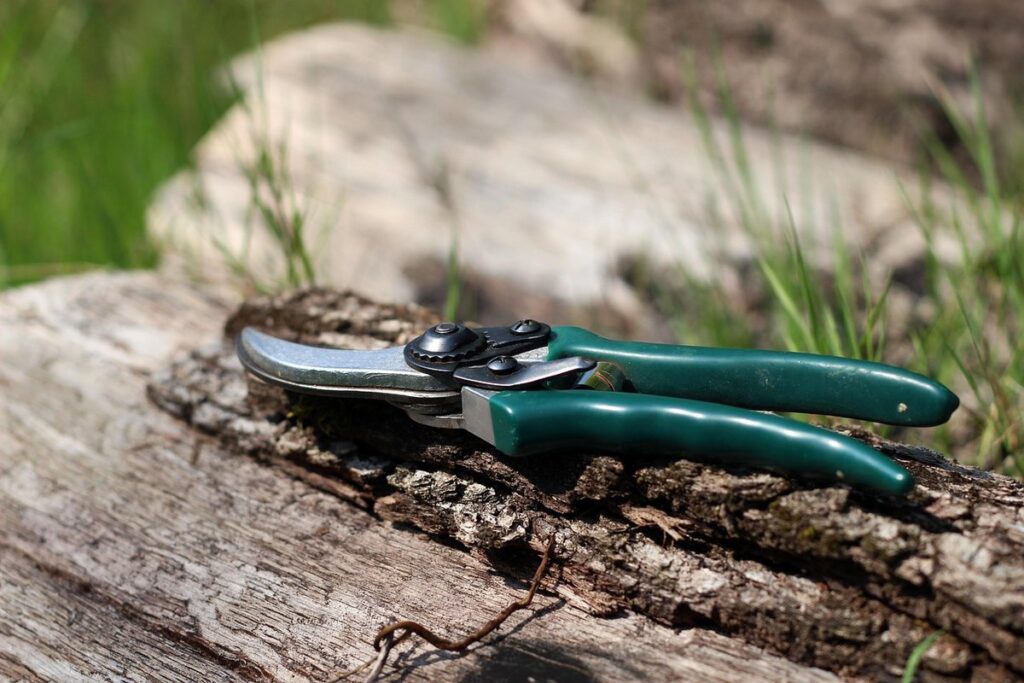
When it comes to pruning to encourage flowering, having the right tools for the job is essential. As a gardener, you need to choose pruning shears and loppers that are suitable for the size and type of plants in your garden.
Consider the plant’s branch thickness: for thicker branches, opt for high-quality loppers with long handles (around 30-40 inches) and sturdy blades made from durable materials like steel or titanium. These will provide extra leverage and protection against accidental cuts.
For smaller shrubs or vines, pruning shears are a better choice. Look for sharp, corrosion-resistant blades and comfortable grip handles that fit your hand well. Make sure to choose shears with a locking mechanism to prevent accidental opening.
Ultimately, the right tool also depends on personal preference: if you have larger hands or struggle with smaller tools, look for ergonomic grips or extended handles. Consider investing in a pair of pruning shears and loppers from reputable brands known for their quality and durability. This will ensure that your pruning tasks are efficient and effective, allowing you to focus on encouraging those beautiful flowers to bloom.
Sharpness Matters: Keeping Your Pruning Tools in Tip-Top Condition
Keeping your pruning tools in good condition is crucial for effective and safe pruning. A dull tool can cause more damage than a sharp one, leading to torn branches, stripped bark, and an increased risk of infection. Regular maintenance will ensure that your tools are always ready for use.
To clean your pruning tools, start by wiping them down with a soft cloth after each use. This removes any debris or sap that may have accumulated on the blades. For more thorough cleaning, mix 1 part white vinegar with 2 parts water and soak the tool in it for about an hour before rinsing thoroughly. Sharpness can be maintained through regular honing, but if your tool is severely dull, it’s best to replace it altogether.
As a rule of thumb, sharpen or hone your pruning tools every 10-15 uses. This will help maintain their effectiveness and prevent damage to the plant. If you’re unsure about the condition of your tool or how to sharpen it, consider consulting with a gardening expert or purchasing new ones.
Timing and Techniques for Pruning
Now that you know why pruning is essential for flower encouragement, let’s dive into when to prune and how to do it effectively to maximize results.
When to Prune for Maximum Flowering Potential
Pruning at the right time can make all the difference for maximum flowering potential. It’s essential to understand that different types of flowering plants have unique growing seasons and requirements.
For spring-flowering bulbs like tulips, daffodils, and hyacinths, it’s best to prune immediately after blooming has finished. This allows new growth to emerge from the base of the plant, which will eventually produce next year’s flowers. For example, after your tulips have finished blooming in late spring, wait until their foliage starts to yellow and die back, then cut it off at ground level.
For perennials like roses, daylilies, and coneflowers, prune them right after they finish blooming or during the dormant season. Pruning too early can remove flower buds that have already formed for next year’s bloom. For example, a rose bush will produce new canes from its base in the spring, which will then produce blooms later in the summer.
When it comes to flowering shrubs like lilacs and azaleas, prune them immediately after they finish blooming to maintain their shape and promote healthy growth. This will also encourage them to produce more flowers next year.
Remember, pruning is not a one-time task; it’s an ongoing process that requires regular maintenance throughout the growing season.
The Different Types of Prunes: How to Make Cuts That Encourage Growth and Bloom
When it comes to pruning to encourage flowering, understanding the different types of prunes is crucial. Gardeners often think that pruning involves simply cutting back branches, but there are several techniques to promote healthy growth and blooming.
One key technique is called thinning, which involves removing select branches to allow more light to reach the remaining buds and flowers. This type of prune should be done in late winter or early spring, just before new growth begins. By selectively removing branches, you’re encouraging the plant to focus its energy on producing blooms rather than foliage.
Another technique is called renewal pruning, which involves cutting back a portion of the plant to about 6-12 inches from the ground. This type of prune stimulates new growth and can be particularly effective for promoting flowering in older or overgrown plants.
Regular tip-pruning is also essential to encourage blooming. By removing just the top few inches of growth, you’re encouraging the plant to produce lateral shoots and more blooms.
Common Flowering Plants and Their Specific Pruning Needs
As we dive deeper into pruning for flowering, let’s look at some common plants that require specific attention to thrive, from roses to hydrangeas.
Pruning for Roses, Hydrangeas, and Other Popular Blooms
When it comes to pruning for roses, hydrangeas, and other popular blooms, understanding their unique characteristics is crucial for encouraging healthy growth and an abundance of flowers. For instance, rose bushes require regular maintenance to promote blooming. Deadheading, or removing spent blooms, should be done immediately after flowering to direct the plant’s energy towards producing new buds.
Hydrangea pruning, on the other hand, involves cutting back stems to about one-third in late winter or early spring. This encourages the development of new flower buds along current season’s growth, resulting in a more abundant bloom in summer months.
Peonies also benefit from timely pruning. Remove spent blooms and cut back tall stems to around 8-10 inches after flowering to allow for renewal of foliage and storage of nutrients. When dealing with peony tubers, avoid cutting through the buds or growth points, as this can damage future flower production.
For plants like lilacs, hibiscus, and lavender, pruning typically involves removing deadwood, shaping the plant, and reducing height after blooming periods have passed. Pruning these plants at the right time not only maintains their overall health but also promotes further flowering and encourages new growth.
Shrubs, Vines, and Climbers: Pruning for a Variety of Flowering Plants
When it comes to pruning flowering shrubs, vines, and climbers, many gardeners are unsure where to start. These plants have distinct growth habits that require different pruning techniques to encourage healthy growth and maximum bloom production.
For example, hydrangeas, a popular flowering shrub, benefit from regular deadheading to promote repeat blooming. Remove spent blooms as soon as they fade to encourage the plant to produce new flowers. In contrast, roses, another type of flowering shrub, require more severe pruning to maintain their shape and promote healthy growth.
Vines like clematis and honeysuckle also need careful pruning to control their spread and encourage blooming. Cut back stems to about 12 inches from the ground in late winter or early spring to rejuvenate the plant and remove any dead or damaged wood.
Climbing plants, such as wisteria and trumpet vine, can be pruned after they finish blooming to maintain their shape and promote healthy growth. Remove any weak or spindly growth, and cut back stems to about 6 inches from the ground to encourage new shoots to emerge.
By understanding the specific pruning needs of these flowering plants, gardeners can ensure they receive regular maintenance to thrive and provide beautiful blooms year after year.
Encouraging Year-Round Interest with Spring and Fall Pruning
While many gardeners focus on pruning during the active growing season, spring and fall pruning are also crucial for year-round interest. By incorporating these seasons into your pruning routine, you’ll see a significant impact on your plant’s flowering performance.
How to Create a Pruning Schedule That Keeps Your Garden Looking Great All Year
Creating a pruning schedule is an essential part of maintaining a thriving garden that blooms consistently throughout the year. A well-planned pruning schedule ensures that your plants are pruned at the right time to encourage healthy growth, prevent overgrowth, and promote blooming periods.
To create a comprehensive pruning schedule, start by identifying the types of plants in your garden and their specific pruning needs. Different plants have unique pruning requirements based on factors such as bloom cycles, growth habits, and seasonal changes. For example, spring-flowering shrubs like lilacs and azaleas require regular pruning after blooming to maintain shape and encourage new growth.
Consider dividing your garden into zones or sections with similar pruning needs. This will help you develop a tailored pruning schedule that suits each area’s specific requirements. Use a gardening calendar or planner to keep track of pruning tasks, taking note of factors like weather conditions, soil moisture, and plant dormancy periods.
Some essential tips for executing a successful pruning schedule include:
* Pruning regularly, even if it’s just a few minutes per week
* Using the right tools, such as sharp shears or loppers, to avoid damaging plants
* Pruning at the right time of day (e.g., during cooler hours) to minimize stress on plants
* Documenting pruning tasks and results to refine your schedule over time
By developing a thoughtful and adaptable pruning schedule, you’ll be able to enjoy a vibrant garden throughout the year, with peak blooming periods punctuated by regular bursts of new growth and color.
Troubleshooting Common Issues and Challenges
Don’t worry if you encounter problems while pruning to encourage flowering, we’re here to help you troubleshoot common issues that might be holding back your blooms. We’ll walk through potential challenges and their solutions together.
What to Do When Your Plants Refuse to Bloom or Prune Properly
When plants refuse to bloom or prune properly after pruning for flowers, it can be frustrating and puzzling. But don’t worry, these issues are common and often have simple explanations. To identify the problem, let’s consider some potential causes:
One possible reason is that you’ve pruned your plant at the wrong time of year. Many plants produce blooms on new growth, which means they need a chance to grow before flowering. If you prune too early in the season, you might be removing the buds that would have produced flowers later on. For example, if you’re pruning a rose bush in late winter or early spring, you might be removing the buds that form during the previous growing season.
Another potential issue is over-pruning. While pruning is essential for promoting healthy growth and encouraging blooms, over-pruning can stress your plant and reduce flowering. When pruning, aim to remove no more than one-third of the plant’s foliage at a time. This will help prevent shock and give your plant a chance to recover.
To take corrective action, start by checking the plant’s soil conditions. Is it too dry or too wet? Make sure to provide your plant with the right amount of water and nutrients for its specific needs.
Consider the plant’s light exposure as well – is it getting enough sunlight? Most flowering plants need at least six hours of direct sunlight per day to produce blooms. Finally, review your pruning techniques to ensure you’re not causing unnecessary stress to your plant. By identifying and addressing these common issues, you can encourage your plants to bloom beautifully and reduce the risk of damage from improper pruning practices.
Conclusion: Maximizing Flowering Potential Through Effective Pruning
Now that you’ve mastered the art of pruning to encourage flowering, it’s time to reap the rewards. With regular pruning and proper technique, your plants will be bursting with blooms in no time. To maximize their potential, remember to prune at the right time for your specific plant type – early spring or late winter is usually ideal. Don’t be afraid to get creative with different shapes and sizes, as this can actually encourage more flowers to grow. For example, try topiary pruning to create a beautiful focal point in your garden.
By following these simple tips and techniques, you’ll be well on your way to creating a stunning floral display that will impress friends and family alike. Happy pruning!
Frequently Asked Questions
Can I Prune Too Much and Harm My Plants?
Yes, pruning too much can harm your plants by removing too many leaves or stems, leading to nutrient deficiencies and reduced blooming potential. Start with light pruning and gradually increase the frequency and intensity based on plant responses.
How Often Should I Prune for Maximum Flowering Potential?
The frequency of pruning depends on plant type, growth habits, and desired bloom times. Typically, flowering plants require regular pruning every 4-6 weeks during growing seasons to encourage repeat blooming. Adjust your pruning schedule according to specific plant needs.
What Are the Best Tools for Pruning Large Shrubs or Vines?
For larger shrubs or vines, use long-handled loppers (2-3 feet) or pruning saws with a curved blade, designed for heavy-duty cutting. These tools allow you to reach and make clean cuts in thicker stems without damaging nearby branches.
Can I Prune My Plants at Any Time of the Year?
While it’s tempting to prune during winter dormancy, some plants are sensitive to late-winter pruning. Wait until spring growth begins (late winter to early spring) or fall, when new growth slows down. This allows plants to direct energy towards root development and storage.
How Do I Prevent Disease Spread When Pruning?
To prevent disease spread through pruning tools:
- Clean your tools with soap and water between cuts.
- Sanitize tools with a solution of 1 part bleach to 10 parts water.
- Avoid touching nearby plants or foliage when handling pruning equipment.