
Pruning is an essential part of gardening, but it can be intimidating if you’re new to it. We’ve all been there – cutting back a branch only to realize we may have gone too far. Pruning mistakes are more common than you think, and they can actually harm your plants in the long run.
When pruning, it’s easy to get carried away and over-prune, which can leave your plant vulnerable to disease and pests. On the other hand, under-pruning won’t give your plant the shape or size you want. And then there are the growth habits of certain plants – some need regular pruning while others should be left alone.
In this article, we’ll explore the common pruning mistakes to avoid and what not to do when trimming back your plants. We’ll cover over-pruning, under-pruning, and mistaking plant growth habits, so you can learn how to prune like a pro and keep your garden healthy and thriving.
Understanding Pruning Basics
To prune effectively, you need a solid grasp of pruning basics, including understanding why and how to prune, as well as recognizing good growth habits. Let’s start there.
What is Pruning?
When it comes to gardening and landscaping, pruning is an essential practice that requires attention to detail. But what exactly is pruning? In simple terms, pruning is the process of cutting or removing certain parts of a plant to promote healthy growth, maintain its shape, and encourage new development.
The primary purpose of pruning is to control the size and direction of a plant’s growth, ensuring it remains balanced and visually appealing. By selectively removing branches, stems, or roots, gardeners can enhance air circulation, reduce disease susceptibility, and improve overall plant resilience. Pruning also plays a crucial role in maintaining plant density, allowing for better light penetration and promoting photosynthesis.
Pruning benefits extend beyond aesthetics; they also have practical implications for gardening productivity. By pruning regularly, you can: increase fruiting and flowering productivity, enhance plant vigor, and reduce waste by removing dead or diseased wood. Moreover, pruning helps maintain your garden’s overall health, reducing the risk of pest infestations and fungal infections.
Types of Pruning Tools and Techniques
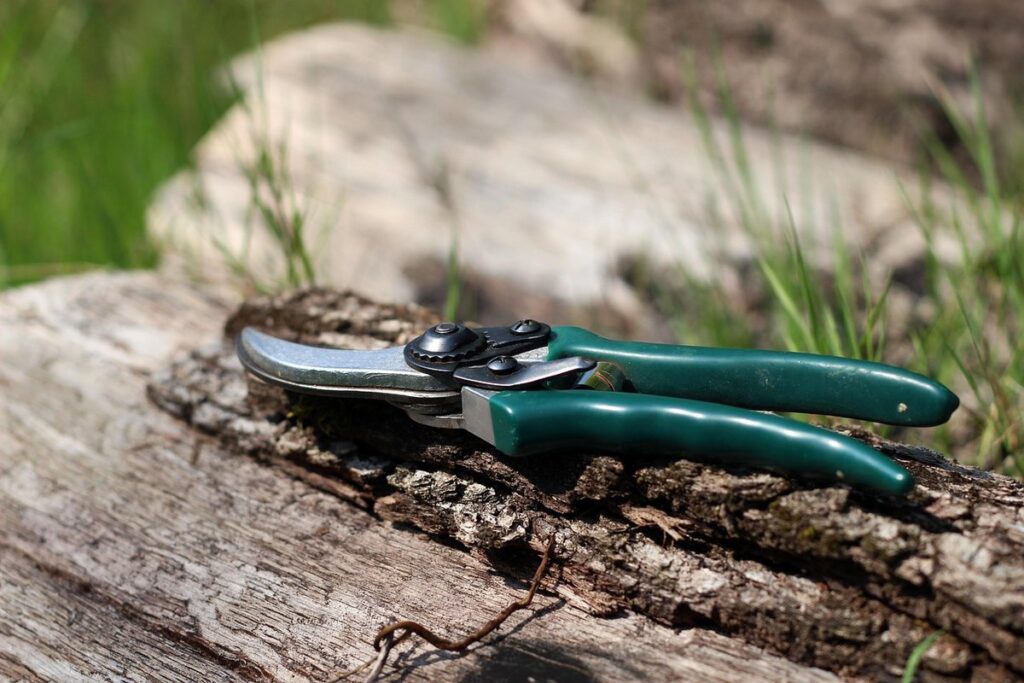
When it comes to pruning, having the right tools for the job can make all the difference. The type of tool you use will depend on the size and type of plant you’re working with. Hand pruners are perfect for delicate branches and small shrubs, while loppers are ideal for thicker stems and branches up to 2 inches in diameter. Saws are reserved for larger branches or those that are too hard to cut through with hand tools.
In addition to choosing the right tool, it’s also essential to understand various pruning techniques. Cutting is a simple technique where you remove branches to maintain shape or promote growth. Thinning involves removing select branches to improve air circulation and allow more sunlight to reach inner areas of the plant. Cutting back is a more extreme technique used to control overgrown plants or reduce their size. For example, if you have an unruly rose bush, cutting it back by about one-third can help encourage new growth and prevent disease.
The key is to use the right tool for the job, and to prune at the right time of year for your specific plant species. Pruning during the wrong season or using the wrong technique can lead to further damage, so make sure you’re doing it correctly!
Over-Pruning: The Most Common Mistake
When it comes to pruning, over-pruning is one of the most common mistakes gardeners make, leading to bare branches and weakened plants. In this section, we’ll explore the causes and consequences of over-pruning.
Cutting Too Much at Once
When you’re pruning your plants, it’s easy to get carried away and remove too much foliage at once. But this can be a recipe for disaster. Over-pruning can stress a plant, leaving it vulnerable to disease or pest issues. Think of it like going on a diet – if you cut back too quickly, your body (or in this case, the plant) may not have enough resources to recover.
When pruning, aim to remove no more than 25% of foliage in one session. This will give the plant time to adjust and allow new growth to emerge. If you’re unsure about how much to prune, start with small sections and gradually work your way up. For example, if you have a large shrub, break it down into smaller areas and focus on one section at a time.
By being mindful of the amount of foliage removed, you can prevent stress and promote healthy growth in your plants. Remember, pruning is not just about shaping or maintaining – it’s also an opportunity to give your plants the TLC they need to thrive.
Pruning During Wrong Times
When you prune during active growth phases, such as spring and early summer, it can cause more harm than good. This is because plants are investing energy in producing new growth, and pruning at this time can shock the plant, leading to a cascade of negative effects.
During these periods, plants are actively producing new leaves, flowers, or fruit. Pruning now can disrupt this process, causing the plant to divert its energy towards healing the wounds rather than growing new tissue. This can result in weakened stems, reduced yields, and an increased susceptibility to pests and diseases.
For example, pruning a young tree in the spring can cause it to drop its leaves and go into dormancy, making it vulnerable to disease and insect attacks. Similarly, cutting back a shrub during early summer can reduce its ability to photosynthesize, leading to stunted growth and reduced flowering.
To avoid this mistake, wait until your plants have completed their active growth phase before pruning them. This is typically in late summer or fall for most deciduous trees and shrubs, allowing them to recover from the stress of growth before undergoing further reduction.
Under-Pruning: A Less Obvious yet Serious Error
When it comes to pruning mistakes, under-pruning is often overlooked but can be just as detrimental as over-pruning. It’s essential to get this right to maintain healthy and thriving plants.
Failing to Remove Dead or Damaged Wood
Removing dead, diseased, or damaged branches is an essential part of pruning that often gets overlooked. When you leave these branches on a tree, it’s not just a matter of aesthetics – it can have serious consequences for the health and longevity of the plant.
Dead wood can harbor diseases like Dutch elm disease, which can spread rapidly through infected trees. Infected branches can also attract pests, further weakening the tree’s defenses. Similarly, diseased or damaged branches can become entry points for fungal infections that can spread throughout the plant.
To prevent this from happening, remove any dead, diseased, or damaged branches as soon as possible. Cut them back to a lateral bud or a healthy branch stub using a sharp, sterile pruning tool. This will help promote new growth and reduce the risk of disease transmission. Don’t forget to disinfect your tools between cuts to prevent the spread of infection.
In some cases, it may be tempting to just prune away infected areas without addressing the underlying cause. However, this approach can lead to further problems down the line. To ensure you’re removing dead wood effectively, inspect your tree regularly and tackle any issues promptly.
Not Pruning for Air Circulation
Poor air circulation is often overlooked as a critical factor in pruning mistakes. When plants are densely pruned, it can create a microclimate that fosters disease and pest issues. This is because stagnant air allows moisture to accumulate, creating an ideal environment for fungal growth. On the other hand, healthy air circulation helps prevent the spread of disease by allowing excess moisture to evaporate quickly.
To improve air flow around plants, prune them in a way that maintains some space between branches. Aim for a balanced shape that doesn’t overcrowd any one area. When pruning dense clusters of stems, consider removing every other stem to allow for better air circulation. This technique is called ” thinning.” By doing so, you’ll not only reduce the risk of disease but also promote healthy growth and development.
Remember, pruning is not just about maintaining a plant’s appearance; it’s also crucial for its long-term health.
Mistaking Plant Growth Habits
When pruning, it’s easy to misinterpret a plant’s natural growth habits, leading to unintentional harm. Understanding these habits is crucial for making informed pruning decisions that promote healthy growth and development.
Pruning Plants with Different Growth Patterns
When it comes to pruning plants with different growth patterns, understanding their specific needs is crucial to avoid making costly mistakes. One common mistake gardeners make is not considering the plant’s indeterminate or determinate growth habit.
Indeterminate plants, such as tomatoes and peppers, continue to grow and produce new flowers throughout the season. These plants require regular pruning to promote healthy growth, prevent disease, and encourage fruiting. Prune them back by about one-third in late spring to control height and encourage more fruit production. For example, if your tomato plant is growing too tall, prune it back to about two-thirds of its current height. This will not only keep the plant manageable but also direct its energy towards producing more fruit.
Determinate plants, like bush beans and eggplants, grow to a certain height and then stop. They require less pruning as they are self-contained and don’t need regular harvesting. However, it’s still essential to prune them lightly to maintain shape and promote healthy growth. Prune determinate plants after they’ve finished flowering to remove any spent flowers and encourage new ones to form.
It’s also worth noting that some plants have a semi-determinate or semi-indeterminate growth habit, meaning they combine elements of both indeterminate and determinate growth patterns. For example, compact tomato varieties like ‘Patio’ or ‘Tiny Tim’. These plants require pruning similar to indeterminate plants but are more compact in size.
Pruning plants with different growth patterns requires a tailored approach to ensure you’re not over-pruning or under-pruning your plants. By understanding their specific needs and adjusting your pruning techniques accordingly, you can promote healthy growth, prevent disease, and encourage fruiting – ultimately leading to a bountiful harvest.
Pruning Based on Size Alone
When pruning based on size alone, it’s easy to over- or under-prune your plants. This mistake often occurs when you’re focused solely on achieving a uniform shape or removing dead branches without considering the plant’s natural growth habits.
For instance, if you’re pruning a young tree that naturally has a broad canopy, cutting back its stems too aggressively can cause it to become leggy and weak. On the other hand, failing to prune a shrub with a tendency to become leggy will result in a dense, compacted mass of branches.
To avoid this mistake, observe your plant’s natural growth patterns before pruning. Note how its branches grow, where they tend to fork or split, and whether it has any inherent weaknesses. This knowledge will help you identify areas that need attention without compromising the plant’s overall health or structure.
For example, if a shrub tends to produce long, trailing stems, consider pruning these back to encourage bushy growth. Conversely, if a tree naturally has a narrow crown, prune only select branches to maintain its natural shape and balance.
Pruning for Aesthetics vs. Function
When pruning, it’s easy to get caught up in aesthetics versus functionality – after all, a beautiful garden is just as important as one that serves its purpose.
Prioritizing Appearance Over Health
Prioritizing appearance over health can lead to severe consequences for your plants. When you focus solely on shaping and maintaining a visually appealing form, you may inadvertently harm the plant’s structural integrity. This is especially true for plants with fragile branches or sensitive growth patterns.
For instance, top-heavy trees pruned into symmetrical shapes are more susceptible to wind damage and breakage. Similarly, over-pruning of flowering shrubs can reduce their blooming potential and even lead to disease susceptibility.
To avoid these issues, it’s essential to strike a balance between aesthetics and plant health. Consider factors like branch thickness, growth habits, and natural lines when pruning for appearance. Be cautious not to remove more than one-third of the plant’s foliage in a single session, as this can cause shock and potentially lead to disease or pest infestations.
By prioritizing plant health alongside visual appeal, you’ll create a resilient landscape that thrives with minimal maintenance requirements. Regular observation and pruning adjustments will help you achieve your desired aesthetic while safeguarding the well-being of your plants.
Balancing Aesthetic and Functional Pruning
When it comes to pruning, finding the right balance between aesthetics and function can be challenging. On one hand, you want to maintain a beautiful and well-manicured appearance; on the other hand, you also need to ensure that your plants remain healthy and continue to thrive.
One common mistake is over-pruning for visual appeal, which can ultimately compromise the plant’s structural integrity. This is especially true for trees with a naturally irregular shape or those with significant branch growth. For instance, pruning the lower limbs of a young tree may improve its appearance but also reduces its ability to absorb sunlight and nutrients.
To strike a balance, consider pruning in three stages: maintenance, renovation, and replacement. Maintenance pruning involves regular trimming to maintain shape and promote healthy growth. Renovation pruning is more extensive and should be done every 10-15 years to restructure the plant’s branches. Finally, replacement pruning involves removing dead or damaged limbs to prevent disease and pest issues.
When in doubt, it’s always better to err on the side of caution and consult with a professional arborist or horticulturist for guidance.
Common Mistakes with Specific Plant Types
When pruning specific plants, it’s easy to get into the habit of applying general rules without considering their unique needs. We’ll explore common mistakes made with popular plant varieties and how to correct them.
Fruit Trees, Shrubs, and Perennials
When it comes to pruning fruit trees, shrubs, and perennials, there are several common mistakes that can be detrimental to their health and appearance. For instance, over-pruning is a frequent error with fruit trees like apple and cherry trees. Removing too much wood can reduce the tree’s ability to produce fruit and even kill it in extreme cases.
With shrubs, one of the most common pruning mistakes is cutting back too much at once. This can cause shock to the plant, leading to disease and pest issues. Perennials are often pruned incorrectly as well – deadheading too close to the crown or removing too many flowers can reduce the plant’s ability to produce blooms in subsequent years.
To avoid these common mistakes, it’s essential to prune these plants with a more nuanced approach. For example, fruit trees should be pruned in late winter or early spring, while shrubs and perennials are best pruned during their dormant season. By pruning just the right amount, you can promote healthy growth, encourage blooming, and maintain your plant’s overall shape.
Ornamental Plants (Bonsai, Topiary)
When it comes to ornamental plants like bonsai and topiary, pruning can be a delicate art that requires precision and patience. One of the unique challenges with these plants is maintaining their shape and size without compromising their aesthetic appeal.
For bonsai trees, for example, pruning is not just about cutting away branches – it’s also about creating a miniature landscape in a container. Pruning mistakes can result in an uneven or unbalanced look that detracts from the plant’s overall beauty. To avoid this, focus on maintaining a clear trunk and balanced branch structure. When removing leaves or branches, leave a small portion of stem intact to prevent scarring.
Topiary plants are also prone to pruning errors, particularly when it comes to maintaining their intricate shapes. Over-pruning can cause these plants to lose their definition and become lumpy or irregular. To avoid this, prune in small increments, working from the base of the plant upwards, and use clean-cutting tools to prevent tearing the foliage.
Pruning ornamental plants requires attention to detail and a clear understanding of their specific needs. By taking the time to research and learn about these unique considerations, you can create stunning displays that showcase your pruning skills and bring beauty to any space.
Conclusion and Final Tips
Now that we’ve explored common pruning mistakes, let’s tie everything together with some final tips to ensure your garden thrives. Here are a few essential takeaways to remember.
Recap of Common Pruning Mistakes
As we conclude this journey through common pruning mistakes, let’s take a moment to recap the most critical errors to avoid. By now, you’ve learned about over-pruning, under-pruning, and cutting at the wrong time of year. You also know how to prevent pruning shock and when to prune different types of plants.
Remember that pruning is not a one-size-fits-all solution. Each plant has its unique needs, and ignoring these can lead to disaster. Consider the type of plant you’re working with and tailor your approach accordingly. For example, if you’re dealing with a young tree, avoid removing too much foliage at once, as this can cause stress and even kill the tree.
Some specific mistakes to keep in mind include:
• Pruning during periods of active growth or when plants are under stress
• Removing more than one-third of the plant’s canopy at once
• Cutting branches at incorrect angles or without considering their potential for regrowth
• Failing to make clean cuts, which can lead to disease and pest issues
By keeping these mistakes in mind, you’ll be well on your way to becoming a pruning pro and enjoying healthier, more vibrant plants.
Best Practices for Effective Pruning
Now that we’ve covered common pruning mistakes to avoid, let’s focus on best practices for effective pruning. Regular maintenance is key to keeping your plants healthy and thriving. Set aside time each season to prune dead, diseased, or damaged branches, as well as shape and maintain the overall structure of your plants.
Patience is also essential when it comes to pruning. Don’t be tempted to over-prune in an attempt to fix past mistakes or create a perfect landscape overnight. This can cause more harm than good, leading to shock, stress, and potential disease or pest issues. Instead, focus on making small, incremental changes that allow your plants to adapt gradually.
Finally, attention to detail is crucial when pruning. Take the time to inspect each branch carefully, looking for signs of weakness, damage, or pests. Use clean, sharp tools to make precise cuts, and avoid over-cutting or tearing branches, which can cause damage to the plant’s tissues. By following these best practices, you’ll be well on your way to becoming a pruning pro and enjoying a lush, healthy landscape all year round.
Frequently Asked Questions
How do I know when to stop pruning to avoid over-pruning?
Don’t worry if you’re unsure – it’s a common issue even experienced gardeners face! To prevent over-pruning, inspect your plant regularly and identify the balance point. Prune more frequently as needed, but avoid taking off too much at once. For example, if you’re pruning branches on a shrub, take off no more than one-third of its foliage per session.
Can I prune my plants during their dormant season?
Pruning during dormancy can be beneficial for some plant types, such as roses and fruit trees, but it’s essential to note that not all plants respond well to pruning during this time. Research your specific plant species’ requirements before cutting back during the winter months. Some plants may require protection from harsh weather conditions while dormant.
How do I choose between different pruning tools?
Selecting the right tool for the job is crucial, especially when working with delicate or hard-to-reach areas of your garden. Common choices include hand pruners, loppers, and hedge clippers. Consider the size and thickness of branches you’ll be cutting, as well as any specific features required for precision pruning (e.g., curved blades for topiary work).
What if I’ve accidentally over-pruned a plant – is it too late to save it?
While prevention is key, not all hope is lost! If you’ve over-pruned your plant, assess the damage and consider taking action promptly. Prune back damaged areas to encourage new growth, but avoid further stress by providing adequate care, including proper watering and fertilization.
How often should I prune plants with different growth patterns?
Some plants require more frequent pruning than others. For example, flowering shrubs may need regular shaping throughout the growing season, while deciduous trees can be pruned less frequently – typically during their dormant period or after they’ve dropped their leaves. Study your plant’s specific needs and adjust your pruning schedule accordingly to promote healthy growth and blooms.