
Pruning your sage plants might not be the most glamorous task in gardening, but trust us, it’s crucial for promoting bushy growth and preventing disease. Sage can get leggy and woody if left unpruned, which not only affects its appearance but also reduces its potency and flavor. If you’re like many herb enthusiasts, you want to get the most out of your harvest, and that starts with proper pruning techniques.
In this article, we’ll break down the best methods for pruning sage effectively. We’ll discuss the right tools to use, the ideal timing for pruning, and how often you should be doing it. Whether you’re a seasoned gardener or just starting out, our step-by-step guide will have your sage plants thriving in no time, with plenty of leaves to harvest and enjoy throughout the season. By following these tips, you’ll be well on your way to growing healthy, robust sage plants that will add flavor and zest to your cooking.
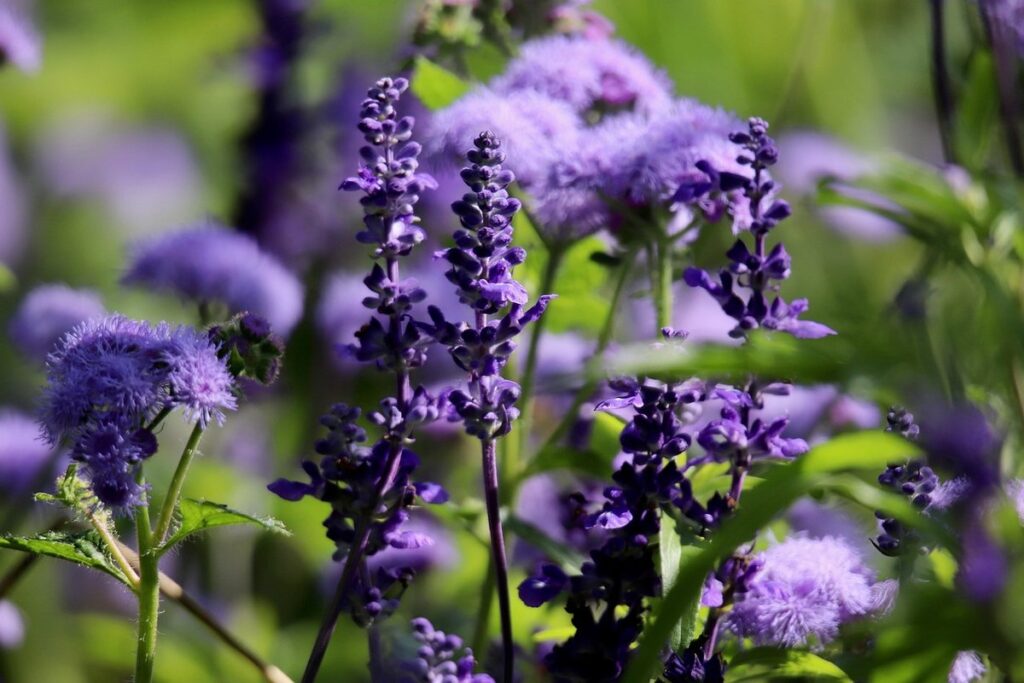
Benefits of Pruning Sage
Pruning sage can have a significant impact on your plant’s health and productivity, but what exactly do you stand to gain from doing so? We’ll explore these benefits in more detail.
Why Prune Sage Regularly
Regular pruning of sage is essential for maintaining the plant’s health and promoting its optimal growth. One of the primary reasons to prune sage regularly is to improve air circulation around the plant. When sage plants are left unpruned, their dense foliage can create a humid microclimate that fosters the development of fungal diseases such as root rot and leaf spot.
Pruning also helps prevent pests like aphids and whiteflies from taking hold on the plant. By removing spent flowers and trimming back overgrown stems, you’ll reduce the risk of disease and pest infestations. Additionally, regular pruning encourages bushy growth and promotes new foliage development, which can help replace any damaged or diseased leaves.
To prune sage effectively, focus on removing about one-third of the plant’s foliage during each pruning session. This will help maintain a balanced shape and prevent the plant from becoming leggy. By incorporating regular pruning into your sage care routine, you’ll be able to enjoy a healthy and productive harvest of this versatile herb for years to come.
How to Identify Healthy Sage Plants
When it comes to pruning sage, the first step is identifying which plants need attention. Look for signs of overgrowth, such as a sprawling habit or a lack of new growth at the center of the plant. These plants are producing more foliage than they can support and will benefit from being cut back.
Check the leaves and stems for any signs of disease like yellowing, browning, or blackening. Healthy sage plants should have vibrant green leaves with a slight sheen to them. If you notice any discoloration, it could be due to overwatering or underwatering, which can lead to root rot.
Healthy sage plants will also have a compact growth habit and produce plenty of new growth at the tips of the stems. They may even start to flower, producing small purple blooms. Take note of the plant’s overall appearance and take action when you notice any decline in health.
By identifying and addressing issues early on, you can prevent more severe problems from developing, ensuring your sage plants stay healthy and productive throughout their lifespan.
The Role of Pruning in Encouraging Bushy Growth
When you prune sage regularly, it encourages bushy growth and prevents legginess. This is because pruning helps to promote branching, which leads to a fuller and more compact plant.
Pruning stimulates the production of new growth by removing weak or spindly stems. When these stems are removed, the plant focuses its energy on developing stronger, more robust branches that produce leaves and flowers closer together. As a result, the plant appears bushier and more lush.
To promote bushy growth in your sage plants, prune them back to about one-third of their height after they’ve finished flowering in the summer. This will encourage new growth from the base of the plant, resulting in a fuller appearance. You can also trim back individual stems to maintain a neat shape and encourage branching.
By pruning regularly, you’ll be able to control the size and shape of your sage plants, preventing them from becoming leggy and sparse. With regular maintenance, you can enjoy healthy, bushy sage plants that are perfect for cooking or adding a fragrant touch to your garden.
Choosing the Right Time for Pruning
Pruning at the right time is crucial for a healthy and thriving sage plant, so let’s dive into when to prune your sage to maximize its potential. Understanding this timing will help you achieve optimal results.
Understanding Sage’s Growing Seasons
When it comes to pruning sage, understanding its growing seasons is crucial. This knowledge will help you determine the best time for pruning and ensure a healthy, thriving plant.
In temperate climates, sage typically blooms from mid-summer to early fall. In regions with mild winters, it may bloom year-round or produce new growth during the spring. Conversely, areas with harsh winters may experience a dormant period during this time. Climate and weather conditions significantly impact sage’s growing seasons.
If you live in an area with frost, prune your sage plant after the last frost of winter. This usually occurs between February and April, depending on your location. Pruning too early can encourage new growth that may be susceptible to damage from frost.
Conversely, if you reside in a region with mild winters or no frost, prune during late winter or early spring when new growth begins. Keep an eye on the weather forecast for potential frosts and adjust your pruning schedule accordingly.
It’s essential to monitor your plant’s specific needs based on its climate, soil type, and exposure to sunlight. By considering these factors, you can determine the ideal time to prune your sage plant and promote healthy growth throughout the year.
Signs That Sage Needs Immediate Pruning
If you notice that your sage plant is not thriving despite regular care, it may be a sign that it needs immediate pruning. One of the most obvious signs is dead or dying foliage. If leaves are turning yellow, brown, or black, and are wilted, crispy, or dropping off, it’s likely due to overgrowth or disease.
Another indication that your sage needs pruning is if you notice a decline in its fragrance and flavor. Sage plants produce their signature aroma and taste through the release of oils from their leaves. If the plant is not producing enough new growth, the existing foliage may become weakened and less aromatic.
Other signs that require immediate attention include:
• Branches becoming leggy or bare
• Leaves being crowded together, allowing disease to spread more easily
• Stem rot or fungal infections, which can be fatal if left unchecked
In these situations, pruning your sage as soon as possible will help to prevent further decline and encourage new growth. This will also give you the opportunity to assess the plant’s overall health and make any necessary adjustments to its care routine.
The Impact of Pruning Timing on Regrowth
When it comes to pruning sage, timing is crucial not just for the plant’s immediate appearance but also for its long-term health and regrowth. Pruning at the right time can stimulate new growth, encourage bushy habits, and prevent legginess, while pruning at the wrong time can lead to a weak or stressed plant.
Pruning in the spring, as we’ve discussed earlier, encourages new growth and promotes a fuller plant. However, if you prune too early in the growing season, you risk removing young buds that are about to bloom. On the other hand, pruning too late in the season may not give the plant enough time to recover before winter.
To minimize the impact of pruning on regrowth, consider timing your pruning sessions around the sage’s natural growth cycles. For example, if you’re growing a perennial sage variety, prune it back after the first frost to about 6-8 inches from the ground. This will allow the plant to regenerate new shoots and roots over the winter months.
In terms of specific pruning techniques, make sure to remove only the dead or damaged wood, cutting at a 45-degree angle just above a node (where a leaf meets the stem). This will help prevent waterlogged stems and encourage healthy regrowth.
Techniques for Pruning Sage
When pruning sage, it’s essential to learn specific techniques that promote healthy growth and encourage bushy foliage. We’ll walk you through these vital methods step by step.
Pinching vs. Cutting: Choosing the Right Method
When it comes to pruning sage, you have two primary methods at your disposal: pinching and cutting. The choice between these techniques depends on several factors, including the type of sage plant you’re working with.
For young or dwarf varieties of sage, such as ‘Purpurascens’ or ‘Tricolor’, pinching is often the preferred method. This involves gently removing the growing tips to encourage bushy growth and prevent the plant from becoming leggy. Pinching is also useful for controlling the height of compact or container-grown sage plants.
Cutting, on the other hand, is better suited for established or woody varieties like ‘Common Sage’ (Salvia officinalis). This method involves cutting back stems to a lateral bud or just above a leaf node to promote new growth and encourage branching. Cut any dead, diseased, or damaged wood back to healthy tissue.
Consider the plant’s growth habit, age, and size when deciding between pinching and cutting. For most types of sage, a combination of both techniques can help maintain shape and promote healthy growth.
Pruning Tools and Equipment Essentials
When it comes to pruning sage, having the right tools and equipment can make all the difference. To prune your sage safely and effectively, you’ll need a few essential items in your arsenal.
First and foremost, invest in a good pair of sharp, clean pruning shears. Look for ones with long handles that allow for comfortable grip and leverage, making it easier to cut through thicker stems. A pruning saw is also useful for cutting thicker branches or when dealing with multiple stems at once. Choose one with a curved blade to navigate tight spaces.
A grafting knife can come in handy for more precise cuts, especially when shaping individual stems or removing dead wood. You’ll also need some gardening gloves to protect your hands from thorns and sap. For larger sage plants, consider using loppers or pruning shears with long handles to reach those hard-to-access areas without straining your back.
Remember to clean and disinfect your tools after each use to prevent the spread of diseases. A small pot of water and some mild soap should suffice for a quick rinse. Proper tool maintenance will ensure your sage plant stays healthy and vigorous throughout its growth cycle.
Tips for Pruning Large or Overgrown Sage Plants
When tackling large or overgrown sage plants, pruning can seem like an intimidating task. However, with the right techniques and approach, you can reduce their size without compromising their health.
Start by evaluating the extent of the overgrowth. Take note of areas where new growth is sparse or deadheading is necessary to encourage a balanced shape. Remove any damaged or diseased branches as soon as possible, cutting them back to about 1-2 inches from the plant’s base. This will help prevent the spread of disease and promote healthy growth.
For larger plants, it may be necessary to thin out sections by up to one-third to improve air circulation and sunlight penetration. Selectively remove thicker stems while leaving smaller ones intact to maintain the plant’s overall shape and structure. By pruning with a focus on balance and form, you’ll achieve a more manageable size without sacrificing your sage’s vitality.
Common Mistakes to Avoid When Pruning Sage
When pruning sage, there are several common mistakes that can be detrimental to your plant’s health and appearance. Let’s explore what to avoid during the pruning process.
Understanding the Difference Between Deadheading and Pruning
When pruning sage, it’s easy to get confused between deadheading and pruning. While both processes are essential for maintaining a healthy and thriving plant, they serve different purposes and require distinct techniques.
Deadheading involves removing spent flowers from the plant, typically after they’ve bloomed. This process encourages the sage plant to focus its energy on producing new growth and flowers, rather than expending resources on seed production. To deadhead correctly, simply pinch or cut off the faded blooms at their base, making sure not to damage any underlying leaves.
Pruning, on the other hand, involves cutting back the entire stem or branches of the sage plant to maintain its shape, promote new growth, and increase yields. Unlike deadheading, pruning is typically done in late winter or early spring, before new growth begins. By understanding the difference between these two processes, you can avoid common mistakes that might harm your plant’s health and appearance.
When pruning, be mindful not to cut too much of the stem at once, as this can shock the plant and lead to disease or pest issues. Instead, prune just a few inches from the base, making clean cuts with sharp tools to minimize damage. By getting deadheading and pruning right, you’ll enjoy a robust, fragrant sage plant that’s perfect for cooking and decorative purposes.
How Over-Pruning Can Harm Sage Plants
Over-pruning can be detrimental to sage plants, causing irreparable damage and stunting their growth. When you remove too much of the plant’s foliage, it disrupts its ability to photosynthesize and produce new leaves. This can lead to a range of problems, including:
* Yellowing or browning of remaining leaves
* Wilting and drooping stems
* Reduced leaf production and a stunted appearance
To avoid over-pruning your sage plants, monitor their growth closely and only remove what’s necessary. Prune any dead or damaged leaves to prevent the spread of disease, but be cautious not to cut too much at once. Signs of over-pruning include a sudden drop in plant health and an inability to recover from further pruning.
If you’ve accidentally over-pruned your sage plants, there are steps you can take to help them recover. Start by providing more water and fertilizing the soil to give the plant the nutrients it needs to bounce back. Remove any dead or damaged leaves to prevent disease, but avoid further pruning until the plant has had a chance to regrow its foliage. With proper care, your sage plants should be able to recover from over-pruning, but prevention is always the best approach.
The Importance of Maintaining Plant Health Post-Pruning
Maintaining plant health after pruning is crucial for promoting healthy regrowth and preventing disease. When you prune sage, you create an open wound on the stem that can be susceptible to infection. To prevent this, it’s essential to treat the pruning wounds with care.
Start by allowing the cut ends to dry out for a day or two before applying any treatments. This helps to prevent moisture from accumulating and reducing the risk of fungal diseases. You can then apply a fungicide or pruning sealant specifically designed for herb plants like sage. These products create a barrier that prevents water and pathogens from entering the plant, promoting healthy healing.
In addition to protecting the cut ends, make sure to provide your pruned sage with optimal growing conditions. This includes providing enough light, water, and nutrients. Prune your sage in the morning, when the plants are at their highest moisture content, to reduce stress on the plant. By taking these steps, you’ll be well on your way to maintaining a healthy and thriving sage plant.
Aftercare and Maintenance for Pruned Sage
Now that you’ve pruned your sage, it’s essential to care for the plant properly to ensure its continued health and vitality through proper aftercare. This includes regular watering and fertilization.
Tips for Promoting Healthy Regrowth
After pruning your sage plant, it’s essential to provide the right conditions for healthy regrowth. One of the most critical factors is fertilization. You can use a balanced fertilizer that contains nitrogen, phosphorus, and potassium (NPK). Apply it according to the manufacturer’s instructions, usually once a month during the growing season.
However, avoid over-fertilizing, as this can lead to weak and leggy growth. Instead, opt for an organic or slow-release fertilizer that promotes healthy root development and encourages bushy growth. Some excellent options include fish emulsion, compost tea, or a balanced 10-10-10 NPK fertilizer.
Another crucial aspect is watering. Pruned sage plants require consistent moisture, especially during the first few weeks after pruning. Water your plant when the top inch of soil feels dry to the touch, but avoid overwatering, which can lead to root rot and other issues. Aim for about 1-2 inches of water per week, either from rain or irrigation.
To promote even healthier regrowth, ensure your sage plant receives adequate sunlight (at least four hours a day) and maintain a comfortable temperature between 65°F to 75°F (18°C to 24°C). Regular pruning will also encourage new growth, so don’t hesitate to prune your sage plant regularly throughout the growing season.
How to Encourage New Growth and Leaf Production
After pruning your sage plant, it’s essential to create an environment that encourages new growth and leaf production. This is where aftercare comes into play. To stimulate healthy growth, ensure that your pruned sage receives sufficient light exposure. Most varieties of sage require at least 4-6 hours of direct sunlight per day. If you’re unable to provide this much light, supplement with grow lights to prevent stunted growth.
Temperature also plays a significant role in promoting new growth. Sage prefers well-draining soil and temperatures between 65°F (18°C) and 75°F (24°C). Avoid placing your pruned sage near heating vents or radiators, as extreme temperatures can hinder growth.
Monitor your plant’s water intake, as overwatering is common when encouraging new growth. Water sparingly, allowing the top inch of soil to dry out between waterings. Fertilize your pruned sage once a month with a balanced fertilizer to provide essential nutrients for healthy growth. By controlling these factors, you’ll be well on your way to promoting robust leaf production in your pruned sage plant.
Common Challenges Faced by Pruned Sage Plants and Solutions
After pruning your sage plant, it’s not uncommon for challenges to arise. Pests and diseases can quickly take hold if you’re not vigilant about monitoring your plant’s health. One of the most common pests affecting pruned sage plants is aphids, which can weaken the plant and spread disease. To prevent infestations, inspect your plant regularly and use neem oil or insecticidal soap to repel these pesky insects.
Diseases like powdery mildew and root rot are also potential threats to pruned sage plants. These issues often arise from overwatering or poor air circulation around the plant. To prevent disease, ensure good air circulation by keeping your plant at least 6 inches away from any walls or other plants. Water only when the soil feels dry to the touch, and avoid getting water on the leaves to reduce the risk of fungal infections.
Regular pruning can also make sage plants more susceptible to pests and diseases. To minimize this risk, prune your sage plant in the spring or early summer, allowing it time to recover before the heat of summer sets in.
Frequently Asked Questions
What if I’m unsure whether my sage plant is diseased or just needs pruning?
When in doubt, it’s always best to err on the side of caution and inspect your plant more closely. Check for any visible signs of disease like yellowing leaves, black spots, or a sticky substance on the stems. If you’re still unsure, consider consulting with a gardening expert or taking a sample to a local nursery for advice.
How often should I prune my sage plants if they’re indoors?
Since indoor conditions can be more controlled and humid, it’s generally recommended to prune your sage plants every 2-3 weeks during the growing season. This will help maintain air circulation and prevent disease. Monitor your plant’s response and adjust pruning frequency as needed.
What happens if I accidentally over-prune my sage plant?
Yes, over-pruning can be detrimental to your sage plant, causing stress and potentially leading to disease or pest issues. If you’ve over-pruned, focus on providing optimal growing conditions and maintaining good hygiene practices around the plant. Monitor for signs of recovery and adjust your pruning schedule accordingly.
Can I prune my sage plants at any time of year, or are there specific seasons?
No, it’s generally recommended to prune sage in the spring or early summer when new growth is most active. Pruning during this time helps encourage bushy growth and promotes healthy regrowth. Avoid pruning too close to winter as this can stress the plant and make it more vulnerable to disease.
How do I prevent my pruned sage plants from becoming leggy again?
To prevent legginess, focus on pinching or cutting back your sage plants regularly, rather than just pruning them once a season. This will help maintain a bushy shape and encourage new growth. Also, make sure to provide enough light and nutrients to support healthy regrowth.