
Pruning roses can seem like a daunting task, especially if you’re new to gardening. But don’t worry, with a few simple tips and tricks, you’ll be on your way to growing beautiful, blooming roses in no time. In this step-by-step guide, we’ll walk you through the fundamentals of pruning roses for beginners, covering everything from choosing the right tools to post-pruning care. We know that pruning can seem overwhelming, but trust us, it’s a crucial part of keeping your roses healthy and thriving. By following our easy-to-follow instructions, you’ll learn how to prune your roses like a pro, and enjoy stunning blooms all season long. From basic techniques to essential tools, we’ve got you covered in this comprehensive guide to pruning roses for beginners.
Choosing the Right Tools and Equipment
To get started with pruning, you’ll need a few essential tools, such as long-handled loppers and pruning shears, which are covered in more detail below.
Types of Pruning Tools
When it comes to pruning roses, having the right tools can make all the difference. As a beginner, you may be wondering what type of pruning tool is best for the job. Fortunately, there are several options available, each with its own unique uses and advantages.
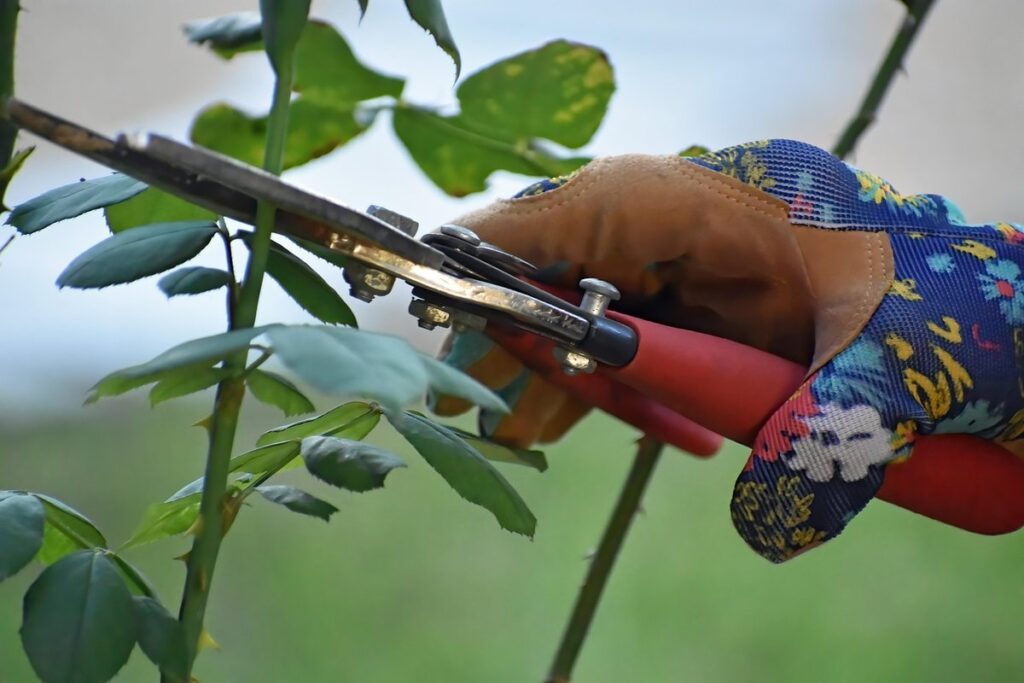
Hand pruners, also known as secateurs, are ideal for cutting smaller stems and branches. They’re lightweight, easy to maneuver, and perfect for precise cuts. However, they may not be suitable for thicker branches, which can require more force to cut through.
Loppers are a great option for pruning larger stems and branches up to 2-3 inches in diameter. They offer more leverage than hand pruners, making it easier to cut through thicker wood. However, they can be cumbersome and difficult to use in tight spaces.
When choosing between hand pruners and loppers, consider the size of the branch you’re trying to prune. If it’s small, hand pruners are a good choice. For larger branches, loppers are the way to go.
It’s also worth noting that pruning saws can be useful for cutting thicker branches or dead wood, especially when pruning older rose bushes. However, they require more skill and experience to use effectively.
Safety Precautions When Handling Pruning Tools
When handling pruning tools, safety should always be your top priority. Pruning can be physically demanding and involves sharp blades that can cause serious injuries if not handled properly. To prevent accidents, it’s essential to wear the right protective gear.
Start with a good pair of gloves that provide grip, cushioning, and protection from cuts. Look for gardening gloves made from durable materials like leather or synthetic fabrics. These will help prevent hand fatigue and protect your hands from blisters and cuts. Eye protection is also crucial when working with pruning tools. Wear safety glasses or goggles to shield your eyes from debris and flying particles.
In addition to gloves and eye protection, consider wearing long sleeves, pants, and closed-toe shoes to minimize exposure to thorns and other sharp objects. Keep loose clothing tied back and avoid wearing jewelry that could get caught in the blades. Regularly inspect your pruning tools for any damage or wear, and keep them clean and well-maintained to prevent accidents. By taking these simple precautions, you’ll be able to prune your roses safely and effectively.
Understanding Rose Types and Their Pruning Needs
To prune roses effectively, you need to understand the different types of roses and their specific pruning needs, which can vary significantly from one another. Let’s break it down by type.
Deciduous vs. Evergreen Roses
When it comes to pruning roses, understanding the type of rose you have is crucial. There are two main types: deciduous and evergreen roses. Deciduous roses shed their leaves seasonally, much like trees do, whereas evergreen roses keep their foliage year-round.
Deciduous roses typically require more maintenance than evergreen varieties because they produce new growth each spring. This means you’ll need to prune them back in late winter or early spring, before new growth begins. Prune deciduous roses to about one-third of their overall size to encourage healthy growth and prevent disease. Cut stems at a 45-degree angle, just above a bud eye (the small swelling from which a new branch grows).
Evergreen roses, on the other hand, need less pruning, but still require regular maintenance. Prune them lightly in late spring or early summer after they’ve finished blooming. Remove any dead, diseased, or damaged stems and trim back overgrown branches to maintain shape. Keep in mind that evergreen roses are more susceptible to disease, so be sure to inspect your plants regularly for signs of trouble.
Hybrid Tea, Floribunda, and Climbing Roses
Hybrid Tea, Floribunda, and Climbing Roses are among the most popular types of roses, and understanding their unique characteristics is essential for effective pruning. To identify these rose types, look for distinct features: Hybrid Teas have large, solitary flowers, often with a strong fragrance; Floribundas produce clusters of blooms in various colors and scents; while Climbing Roses feature long canes that can be trained to grow up trellises or walls.
When it comes to pruning these rose types, the goal is to maintain their natural shape and encourage healthy growth. For Hybrid Teas, prune back 1/3 to 1/2 of the canes each year to promote new blooms and prevent over-maturity. Floribundas require more frequent pruning, as they produce multiple blooms throughout the season; remove spent flowers and weak canes to maintain a bushy shape. Climbing Roses need less pruning, but still benefit from annual maintenance: cut back 6-12 inches of the longest canes to encourage new growth and keep the plant compact.
Regular pruning also helps control disease and pests, which can be more prevalent in these rose types due to their popularity among gardeners. By understanding the specific needs of Hybrid Tea, Floribunda, and Climbing Roses, you’ll be able to provide them with optimal care through regular pruning.
Pre-Pruning Steps: Inspecting the Rose Bush
Before you begin pruning, take some time to inspect your rose bush for any signs of disease, pests, or damage that may need attention first. This simple step can save you from making things worse later on.
Identifying Dead, Diseased, or Damaged Wood
When inspecting your rose bush before pruning, it’s essential to identify and remove dead, diseased, or damaged wood. This will help prevent the spread of disease, encourage healthy growth, and promote a robust bloom. To do this effectively, start by examining each branch for signs of decay.
Look for branches that are brittle, cracked, or have visible cracks. These can be indicative of internal damage. Additionally, check for soft spots, discoloration, or unusual growth patterns. If you notice any of these characteristics, carefully cut the affected section using clean pruning tools to prevent spreading disease.
Cut back to a healthy-looking bud or node, making sure to remove at least 1 inch of infected tissue. This will help your rose bush redirect its energy towards producing new growth and flowers. Remember, removing dead, diseased, or damaged wood is crucial for maintaining the overall health and appearance of your rose bush. It’s an essential step in pruning roses that beginners often overlook.
Thinning and Air Circulation
When pruning a rose bush, it’s easy to focus solely on removing dead or diseased branches. However, thinning and improving air circulation are equally essential steps that can make all the difference in promoting healthy growth and blooming.
To achieve this, look for areas where branches are overcrowding each other, and carefully remove some of the smaller stems to allow more space between them. This will not only improve air circulation but also enable sunlight to reach deeper into the plant. Aim to maintain a balance between dense foliage and open spaces – about 6-8 inches (15-20 cm) apart is ideal.
As you prune, keep in mind that rose bushes have two main types of growth: primary stems and secondary canes. Primary stems are thicker and grow from the base of the plant, while secondary canes emerge from them. When thinning, focus on removing weak or damaged secondary canes to prevent disease and encourage healthy primary stem growth.
By prioritizing air circulation, you’ll not only promote better blooming but also reduce the risk of fungal diseases that thrive in humid environments. Remember to prune in a way that allows for easy airflow – about 1-2 feet (30-60 cm) between branches is optimal.
Pruning Techniques: Cutting and Shaping
Now that you know how to assess your rose bushes, it’s time to learn the techniques for cutting and shaping them effectively. This will help maintain their shape and encourage healthy growth.
Making Clean Cuts
When pruning roses, making clean cuts is essential to promote healthy growth and prevent disease. To make a clean cut, it’s crucial to use sharp tools, as dull blades can tear the bark of the stem instead of cutting through it cleanly.
To cut at the right angle, aim for a 45-degree angle sloping away from the bud eye (the small swelling where the leaf meets the stem). This allows water to run off and reduces the risk of disease. Start by making a small incision about 1/4 inch above the bud eye, then gently slice through the stem using a smooth, even motion.
Removing any dead or diseased tissue is also vital when pruning roses. Inspect each cut and remove any discolored or damaged areas to prevent the spread of disease. Use sterile pruning shears or scissors to make these cuts, and disinfect your tools between cuts to prevent cross-contamination. By following these simple steps, you’ll be able to make clean cuts that will promote healthy growth and a beautiful bloom in your rose garden.
Shaping and Renovating Rose Bushes
When it comes to shaping and renovating rose bushes, beginners often feel overwhelmed by the sheer amount of work involved. However, with the right techniques and approach, you can breathe new life into your old roses or train climbing varieties to thrive in their designated spaces.
For rejuvenation and renewal, start by removing any dead, diseased, or damaged branches. Cut these back to about 12-18 inches from the base of the plant using sharp, clean pruning tools. Next, focus on reducing the overall height and width of the bush by cutting back one-third to one-half of its stems. This will help control its size while promoting new growth.
Training climbing roses is a bit more involved, but with some patience and persistence, you can create beautiful displays. To begin, choose a suitable support for your climber, such as a trellis or arbor. Then, gently weave the rose stems through the framework, securing them in place with soft ties or clips. Over time, the plant will grow up and around the structure, creating an stunning display of blooms.
It’s essential to note that rejuvenation pruning is usually best done annually, while renewal pruning can be performed every 3-4 years as needed.
Post-Pruning Care: Aftercare and Fertilization
Now that you’ve pruned your roses, it’s time to give them the TLC they need to thrive. In this next step, we’ll cover aftercare and fertilization techniques.
Watering and Mulching
After pruning your rose bushes, it’s essential to provide them with proper care to promote healthy growth and prevent disease. Watering and mulching are two crucial aspects of post-pruning care that often get overlooked by beginners.
When it comes to watering, the goal is to maintain adequate moisture levels without overwatering your roses. A general rule of thumb is to water your rose bushes deeply once or twice a week, depending on weather conditions. However, avoid getting water on the leaves or stems to prevent fungal diseases. Instead, focus on soaking the roots by placing the pot in a saucer filled with water or using a soaker hose.
Mulching around your rose bushes helps retain moisture in the soil and suppresses weeds that compete for nutrients. Organic mulch options like wood chips, bark, or compost are excellent choices as they break down over time, adding nutrients to the soil. Spread a 2-3 inch layer of mulch around the base of your roses, keeping it a few inches away from the stems.
Remember, consistency is key when it comes to watering and mulching. By establishing a regular routine, you’ll be well on your way to growing strong, healthy rose bushes that will bloom beautifully for years to come.
Fertilizing Roses
Now that you’ve pruned your roses, it’s time to give them the nutrients they need to thrive. Fertilizing roses is a crucial step in post-pruning care, and timing is everything. The best times to fertilize rose bushes are in early spring, just before new growth begins, and again in mid-summer when plants are in full bloom.
When it comes to choosing a fertilizer, you have two main options: organic or inorganic. Organic options like compost, well-rotted manure, or fish emulsion are great for promoting healthy soil biota and reducing the risk of over-fertilization. On the other hand, inorganic fertilizers like synthetic NPK (nitrogen-phosphorus-potassium) provide a quick boost of nutrients but can be harsh on plants if overused.
To prepare fertilizer, follow the instructions on the label or bag, making sure to mix it with plenty of water. Apply the fertilizer evenly around the base of the plant, avoiding the leaves and flowers. For optimal results, use a slow-release fertilizer that will provide nutrients over an extended period, rather than a quick fix that might burn your roses’ roots.
Common Mistakes to Avoid When Pruning Roses
When pruning roses, it’s easy to make mistakes that can harm your plants, so let’s explore some common pitfalls to avoid and how to steer clear of them. By doing so, you’ll ensure a healthy and thriving rose garden.
Incorrect Cutting Techniques
When pruning rose branches, it’s essential to avoid common mistakes that can damage the plant and hinder its growth. One of the most critical errors is making uneven cuts. This can cause the branch to decay quickly, making the plant more susceptible to disease and pests.
To make clean cuts, use a sharp, sterile tool, such as pruning shears or loppers, and cut at a 45-degree angle. This will help prevent water from collecting on the cut area and promote healing.
Another mistake is leaving stubs behind after cutting branches. These can become entry points for diseases like black spot and powdery mildew, which can quickly spread through the plant.
When removing foliage, avoid taking off too much at once. This can shock the plant, causing it to drop all its leaves and potentially leading to root damage. Instead, remove no more than one-third of the plant’s foliage in a single pruning session.
Over-Pruning and Under-Pruning
When it comes to pruning roses, it’s easy to get caught up in trying to achieve the perfect shape. However, over-pruning and under-pruning are two common mistakes that can have serious consequences for your rose bushes.
Over-pruning involves cutting back more than one-third of the plant’s branches, which can shock the bush and lead to disease or pest issues. For example, if you’re trying to reduce the size of a large rose bush, it’s better to prune it gradually over several years rather than all at once. This allows the plant to adjust to its new shape and promotes healthy growth.
On the other hand, under-pruning can also be detrimental to your rose bushes. If you don’t prune enough, the plant may become leggy or produce fewer blooms. To strike a balance, focus on removing dead, diseased, or damaged branches, as well as any suckers or crossing stems that can cause damage.
A good rule of thumb is to remove no more than 20-30% of the plant’s branches each year. This will encourage new growth and help maintain the bush’s shape without stressing it out.
Conclusion: Tips for Continued Success
Now that you’ve mastered the basics of pruning roses, let’s explore some additional tips to help you continue growing and caring for your beautiful blooms. You’ll be a pro in no time!
Ongoing Care and Maintenance
As you’ve completed pruning your rose bushes and applied the care and maintenance techniques outlined in this guide, it’s essential to remember that your work is far from over. Ongoing care and maintenance are crucial for optimal results and to ensure your roses continue to thrive.
By following these simple practices, you’ll be able to enjoy a bountiful harvest of beautiful blooms and keep your rose bushes healthy and vibrant throughout the growing season. Here are some key takeaways to bear in mind:
* Continue to water your roses regularly, especially during hot or dry weather. Aim for about 1 inch of water per week, either from rain or irrigation.
* Fertilize your roses once a month with a balanced fertilizer. This will provide them with the necessary nutrients to produce healthy growth and blooming.
* Prune your roses again in the late winter or early spring to maintain their shape and promote new growth.
Regular deadheading is also vital for encouraging repeat flowering and maintaining the overall appearance of your rose bushes. Remove spent blooms as soon as they fade, taking care not to damage any new buds that may be forming.
In addition to these basic care and maintenance practices, it’s essential to keep an eye out for signs of disease or pests that can affect your roses. Regularly inspect your plants for any unusual growths, discoloration, or other abnormalities, and take prompt action if you notice anything out of the ordinary.
By committing to ongoing care and maintenance, you’ll be rewarded with a lush and vibrant display of blooms that will bring joy and beauty to your garden for years to come.
Frequently Asked Questions
Can I still prune my roses if they’re not blooming yet?
Yes, it’s essential to prune your roses even before they bloom. Pruning at the right time can encourage new growth and help promote healthy blooms throughout the season.
What should I do if I accidentally over-prune my rose bush?
Over-pruning can be a common mistake when learning to prune roses. To recover from over-pruning, reduce pruning for the rest of the growing season and focus on promoting new growth. You may need to fertilize your rose bush more frequently to support its recovery.
How often should I water my rose bushes after pruning?
Watering is crucial after pruning to help the plant recover from the stress of cutting back. Water your rose bushes thoroughly, keeping the soil consistently moist but not waterlogged. This will promote new growth and help prevent disease.
Can I use regular household scissors to prune my roses?
No, it’s best to invest in dedicated pruning tools, such as long-handled loppers or hand pruners, which are designed specifically for cutting through thicker branches and making precise cuts. Regular household scissors can be too dull and may cause damage to your rose bush.
What if I have multiple types of roses with different pruning needs?
When caring for a mix of deciduous and evergreen roses, consider their specific pruning requirements. Deciduous roses typically require more aggressive pruning in the dormant season, while evergreen roses need lighter pruning throughout the growing season.