
Pruning rosemary is often overlooked, but this simple yet essential task can make all the difference in your herb garden. Not only does regular pruning promote healthy growth and prevents woody stems from forming, but it also encourages new blooms to emerge, giving you a continuous harvest of fresh rosemary leaves. But when and how should you prune? The answer lies not just in timing, but also in technique. With the right approach, you can keep your rosemary bush thriving, maintain its compact shape, and enjoy an abundance of fragrant flowers. In this article, we’ll delve into the world of pruning rosemary, covering why it’s crucial for a healthy plant, when to prune, and how to do it effectively for optimal blooms and growth.
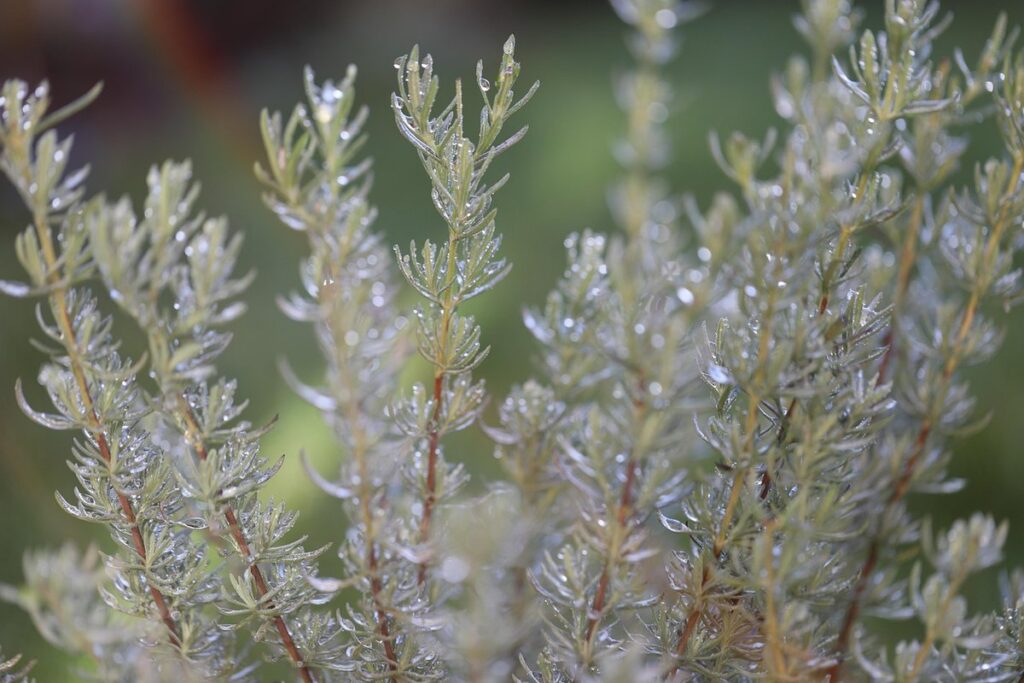
Understanding Rosemary Pruning
When it comes to pruning rosemary, it’s essential to understand how and when to trim your plant for optimal growth. This involves identifying the right time and techniques for cutting back your rosemary.
Why Prune Rosemary
Pruning rosemary is a crucial step in maintaining its shape, promoting healthy growth, and encouraging new blooms. Without regular pruning, rosemary can become leggy, produce fewer flowers, and eventually lose its flavor and aroma. This is because pruning helps to control the plant’s natural tendency to grow upright and develop weak stems.
When you prune rosemary, you’re essentially giving it a haircut. You’re removing old growth to make way for new, vigorous shoots that will produce more leaves and flowers. Pruning also encourages the plant to become bushy and compact, which makes it easier to manage and care for.
By pruning your rosemary regularly, you’ll see an improvement in its overall health. It will produce more fragrant leaves, more abundant flowers, and be less prone to disease. In fact, studies have shown that regular pruning can increase the production of essential oils in rosemary by up to 20%. This means that pruned rosemary plants not only look healthier but also smell better!
When to Prune Rosemary
When it comes to pruning rosemary, timing is everything. The best time to prune this fragrant herb depends on various factors such as season, climate, and personal preference.
In general, rosemary can be pruned year-round, but the ideal times are during its active growth periods. For most regions, spring (late March to early May) and summer (June to August) are the best seasons for pruning rosemary. During these times, the plant is actively growing, and pruning encourages new growth, promoting a bushy shape and preventing legginess.
Pruning in the fall (September to November) also has its advantages, especially if you live in areas with harsh winters. Pruning back the plant before winter helps protect it from cold damage and promotes root growth during the dormant season. In warmer climates, pruning can be done after the first frost, as this allows the plant to put on new growth before the heat of summer.
Ultimately, the key is to prune rosemary regularly to maintain its shape and promote healthy growth, regardless of when you do it. By doing so, you’ll enjoy a thriving, fragrant herb garden that’s perfect for cooking and decorative purposes.
Pruning Tools and Techniques
To prune rosemary effectively, you’ll need the right tools for the job. We’ll cover the essential pruning tools and techniques that will help keep your rosemary looking its best.
Choosing the Right Pruners
When it comes to pruning rosemary, having the right tools for the job can make all the difference. You’ll want pruners that are designed to handle the dense, woody stems of this herbaceous perennial.
Hand pruners are a great option for most pruning tasks when it comes to rosemary. Look for ones with sharp, angled blades and comfortable grips. They’re perfect for cutting back individual stems or making precise cuts in tight spaces. For thicker branches, loppers are the way to go. Choose ones with long handles (around 30-40 inches) that allow you to generate more leverage and make cutting easier.
Hedge clippers can also be useful when pruning large sections of rosemary at once. They’re particularly helpful for maintaining a uniform shape or size. When selecting hedge clippers, opt for ones with sharp blades and comfortable grips, as well as a locking mechanism to prevent accidental opening. Regardless of the type of pruner you choose, make sure they’re clean and sanitized before use to prevent the spread of disease.
Basic Pruning Techniques
When it comes to pruning rosemary, having the right techniques is essential for promoting healthy growth and preventing overgrowth. Let’s start with some basic pruning techniques that you can use on your rosemary plant.
Cutting involves removing individual stems or branches from the plant using sharp, clean pruning shears. To do this, identify a stem that’s growing in an unwanted direction or one that’s become leggy and trim it back to about 1/4 inch above a leaf node. Cut just above a node for optimal growth.
Pinching is similar to cutting but involves pinching off the tips of stems rather than cutting them completely. This technique encourages bushy growth and prevents overgrowth by removing the plant’s apical meristem, or growing tip. To pinch, simply grasp the stem between your thumb and index finger and gently squeeze until it breaks off.
Shaping is a more advanced pruning technique that involves using shears to shape the overall form of the rosemary plant. This can help control the plant’s size and promote even growth by removing any straggly or uneven stems.
How to Prune Different Types of Rosemary
Pruning rosemary for different types can be a bit tricky, but don’t worry, we’ve got you covered. We’ll break down how to prune rosemary by type, from Upright to Dwarf varieties.
Pruning Upright Rosemary
When it comes to pruning upright rosemary varieties, the goal is to control height, promote a bushy shape, and encourage new growth. To start, identify the tallest stems and trim them back by about one-third to one-half. This will not only reduce the plant’s overall height but also force new growth from lower branches.
Next, focus on shaping the plant into a compact, bushy form. Remove any leggy or weak stems, cutting them back to about 1-2 inches from the main branch. This will help maintain a neat and tidy appearance while also promoting healthy, vigorous growth.
As you prune, be sure to cut just above a leaf node – the point where a leaf meets the stem – as this encourages new growth and prevents the plant from becoming leggy. By following these simple steps, you’ll be able to control the height of your upright rosemary and maintain its desired shape while encouraging healthy, robust growth. Regular pruning will also help prevent the plant from becoming too woody or scraggly over time.
Pruning Trailing Rosemary
Pruning trailing rosemary is slightly different from pruning upright varieties, as its spreading habit can quickly take over your garden beds if left unchecked. To manage the length of a trailing rosemary, start by cutting back about one-third to one-half of the plant’s longest stems, making clean cuts just above a node using sharp pruning shears.
This will help control the plant’s spread and encourage new growth from below. Next, look for any woody or leggy stems that are past their prime – these can be removed entirely to make way for newer, healthier shoots. To promote rooting, trim the lower leaves off the longest stems, leaving about an inch of stem bare between each node.
This will allow for more light to reach the roots and encourage new growth from below. By pruning in this manner, you’ll prevent overgrowth and maintain a balanced, full shape for your trailing rosemary. Remember to prune after the active growing season has ended, usually around late autumn or early winter, to minimize shock to the plant. Regular pruning will also encourage new flowers and improve overall health.
Common Mistakes to Avoid
When pruning rosemary, it’s easy to make mistakes that can harm your plant’s growth. Let’s explore some common errors to steer clear of for a thriving and healthy rosemary bush.
Over-Pruning
When it comes to pruning rosemary, it’s easy to get carried away and end up with a plant that’s more stressed than revitalized. Over-pruning is a common mistake that can have serious consequences for the health and productivity of your rosemary plant.
Pruning too much of the foliage can cause significant stress to the plant, making it more susceptible to disease and pests. This is because the cut stems are exposed, creating an entry point for pathogens and insects. Imagine cutting back a big chunk of your rosemary plant only to watch it develop black spot or root rot – not what you had in mind when pruning!
To avoid this pitfall, prune no more than one-third of the foliage at any given time. Take small cuts, working from the bottom up, to maintain the plant’s shape and encourage new growth. This will also help prevent the spread of disease. By being gentle with your rosemary’s pruning needs, you’ll be rewarded with a healthy, thriving plant that produces plenty of fragrant leaves for cooking and seasoning.
Under-Pruning
Pruning rosemary is an essential task that’s often overlooked by many gardeners. Neglecting to prune this herb regularly can lead to a number of issues that’ll make it difficult for your plant to thrive. One of the most noticeable consequences of under-pruning is legginess, where the stems become long and weak, making the plant more susceptible to damage from wind or pests.
If left unpruned, rosemary plants will also lose their fragrance, which is one of its most attractive qualities. This is because the herb’s essential oils are concentrated in new growth, so if old stems are allowed to linger, they’ll continue to dominate the plant and overpower any newly developing fragrant parts.
In extreme cases, failing to prune your rosemary can even lead to plant death. When stems become too long and woody, they stop producing new growth, leaving the plant vulnerable to disease and pests that prey on weak or dying plants. To avoid these problems, make pruning a regular part of your rosemary care routine – ideally every 1-2 weeks during the growing season.
Aftercare and Maintenance
Now that you’ve pruned your rosemary, it’s essential to take care of the plant to ensure healthy growth and prevent pests. This involves regular watering, fertilization, and monitoring for any signs of disease.
Post-Pruning Care
After pruning your rosemary plant, it’s essential to provide proper care to ensure healthy growth and prevent disease. Watering is crucial during this period, as the plant will be more susceptible to dehydration due to the removed foliage. Check the soil moisture daily, and water only when the top inch of soil feels dry to the touch. Avoid overwatering, which can lead to root rot and other issues.
Fertilizing your rosemary after pruning can also promote healthy growth. Use a balanced, water-soluble fertilizer (10-10-10) at half the recommended strength. This will provide essential nutrients without burning the roots. You can fertilize every 2-3 weeks during the growing season. Mulching around the base of the plant can also help retain moisture and suppress weeds.
Keep an eye out for pests like spider mites, mealybugs, and aphids, which can take advantage of the weakened plant. Regularly inspect your rosemary for signs of infestation, such as white powdery patches or sticky substance on leaves. If you notice any issues, treat with neem oil or insecticidal soap according to the product’s instructions.
Regular pruning also helps prevent diseases like black spot and root rot. To minimize the risk, make sure to disinfect your pruning tools between cuts and dispose of any pruned material to prevent fungal spores from spreading.
Ongoing Pruning Schedule
To ensure your rosemary plant remains healthy and thriving, it’s essential to develop an ongoing pruning schedule. This will involve regular maintenance throughout the year, taking into account factors like climate and season. In warmer climates, prune your rosemary plant more frequently – ideally every 4-6 weeks during the growing season (spring-fall) – while in cooler areas, you can space out prunings to every 8-12 weeks.
Consider your personal preferences when deciding on a pruning schedule. If you prefer a bushy shape, focus on pinching off tips and trimming stems for new growth. For a more compact plant, aim for regular cuts to encourage branching.
Keep an eye on the plant’s condition: if it appears leggy or overgrown, it’s likely due for a trim. You can also use seasonal cues – prune after flowering in spring, or before winter dormancy sets in. Regular pruning will help control size, promote new growth, and maintain overall health. By following this schedule, you’ll be able to keep your rosemary plant looking its best year-round.
Tips for Specific Rosemary Varieties
If you have a favorite rosemary variety, such as ‘Arp’ or ‘Tuscan Blue’, we’ve got pruning tips tailored just to your needs. Learn how to prune these popular varieties for optimal growth and harvests.
Dwarf or Compact Varieties
When it comes to pruning dwarf or compact rosemary varieties, you’ll need to be mindful of their unique needs and requirements. These smaller plants can be quite delicate and may not respond well to the same aggressive pruning techniques used for full-size rosemary.
To prune a dwarf or compact rosemary, start by gently removing any dead or damaged branches. This will help maintain the plant’s overall health and appearance. Next, use a pair of sharp, clean scissors or pruning shears to trim back the tips of the stems. Cut just above a leaf node, making sure each stem is around 1-2 inches long.
It’s essential to prune compact rosemary more frequently than full-size varieties, typically every 1-2 weeks during the growing season. This will encourage bushy growth and prevent the plant from becoming leggy. Be cautious not to over-prune, as this can cause stress to the plant and lead to disease or pests.
To avoid over-pruning, observe your compact rosemary regularly and prune only what’s necessary to maintain its shape and promote healthy growth. By following these guidelines, you’ll be able to keep your dwarf or compact rosemary looking its best throughout the growing season.
Herbaceous vs. Woody Rosemary
When it comes to pruning rosemary, not all varieties require the same approach. Herbaceous and woody rosemary are two distinct types that need different care techniques to maintain their health and promote new growth.
Herbaceous rosemary is a type of rosemary that grows from a single stem or crown, producing smaller leaves and stems compared to its woody counterpart. To prune herbaceous rosemary effectively, cut back the entire plant by one-third in late winter or early spring, just before new growth begins. This will encourage bushy growth and prevent the plant from becoming leggy.
On the other hand, woody rosemary has a more upright growth habit and can become quite tall. To prune woody rosemary, focus on removing any dead or damaged stems, as well as about one-third of the oldest branches. This will help maintain the plant’s shape and promote new growth from the center. It’s also essential to thin out the plant by cutting back some of the lateral shoots to allow for better air circulation.
Remember, regular pruning is crucial to maintaining rosemary’s health and promoting new growth. By understanding your rosemary variety and tailoring your pruning approach accordingly, you’ll be rewarded with a thriving, fragrant herb that will add flavor and charm to your cooking.
Conclusion and Final Tips
As we wrap up our guide to pruning rosemary, let’s summarize key takeaways and provide some final tips for maintaining a healthy and thriving herb garden.
Recap of Key Takeaways
To ensure you’re getting the most out of your rosemary plant, let’s quickly recap the key takeaways from this ultimate guide. Regular pruning is not only essential for maintaining a healthy rosemary plant but also for encouraging new growth and preventing pest infestations.
When pruning rosemary, timing is everything – prune at the right moment to stimulate new growth and prevent shock to the plant. As we discussed earlier, consider the type of rosemary you’re growing: young or mature plants require different approaches.
To promote bushy growth, prune your rosemary plant regularly, removing any leggy stems by cutting them back to about one-third their length. This will encourage a fuller shape and more fragrant foliage. Don’t forget to pinch off flower buds to direct the plant’s energy towards leaf production rather than seed development.
By incorporating these tips into your pruning routine, you’ll be able to keep your rosemary plants thriving throughout the growing season.
Encouragement for Experimentation
Now that you’ve mastered the basics of pruning rosemary, it’s time to take your skills to the next level. Remember, every rosemary plant is unique, and what works for one may not work for another. This is where experimentation comes in – the key to unlocking optimal growth and health for your specific plants.
Don’t be afraid to try new techniques and schedules to see what works best for you. For example, if you live in a hot climate, you might find that pruning rosemary more frequently helps prevent it from becoming leggy and water-stressed. On the other hand, if you’re growing rosemary in a cooler region, less frequent pruning may be necessary to prevent damage from frost.
Here are some tips for experimenting with different pruning techniques:
* Try pruning your rosemary plants at various times of year to see how they respond.
* Experiment with different pruning patterns, such as cutting back the entire plant or just trimming off the tips.
* Observe how your rosemary plants react to varying levels of water and nutrients.
By embracing experimentation and adapting your pruning techniques to your specific climate and plant needs, you’ll be well on your way to becoming a master rosemary pruner.
Frequently Asked Questions
What are the immediate benefits of pruning rosemary for my herb garden?
Pruning rosemary provides an instant boost to your herb garden by removing dead or weak growth, promoting healthy new stems, and encouraging a burst of new blooms. This not only enhances the plant’s appearance but also increases its fragrance and flavor.
Can I still prune rosemary during the winter months when it’s dormant?
Yes, pruning rosemary can be done during its dormant period (winter), as this allows for more extensive cuts without shocking the plant. However, avoid cutting back too much of the existing growth, focusing on maintaining a compact shape rather than drastically reducing foliage.
How often should I water my rosemary plant after pruning to ensure optimal recovery?
Water your rosemary plant gently but thoroughly after pruning to encourage new root growth and prevent shock. Keep the soil consistently moist but not waterlogged, as this can lead to root rot. Adjust your watering schedule based on your plant’s specific needs and environmental conditions.
What are some common mistakes to avoid when pruning upright or trailing rosemary?
When pruning upright rosemary, be cautious not to remove too many branches at once, as this can cause the plant to become leggy. For trailing rosemary, avoid cutting back stems too far from the node (where new growth emerges), as this can lead to reduced flowering and overall plant health.
How long does it take for a pruned rosemary plant to recover and start producing new growth?
The recovery time for a pruned rosemary plant varies depending on factors like climate, soil quality, and initial plant health. Generally, you should see noticeable new growth within 1-2 weeks after pruning, with the plant reaching its full potential in about 6-8 weeks.