
As the seasons change and summer’s warmth gives way to autumn’s chill, your raspberry bushes are likely producing fewer new growths and focusing on storing energy for next year. Pruning them in fall is an essential step in promoting healthy growth, preventing disease, and maximizing yields. By pruning at the right time, you’ll encourage your raspberry bushes to produce strong canes, increase fruiting, and reduce the risk of pests and diseases that thrive in the cold weather. In this article, we’ll explore the benefits of pruning raspberry bushes in fall, show you when and how to do it, and provide tips on the tools and techniques you need to know for a successful prune. With our guide, you’ll be able to give your raspberry bushes the TLC they need to thrive all year round.
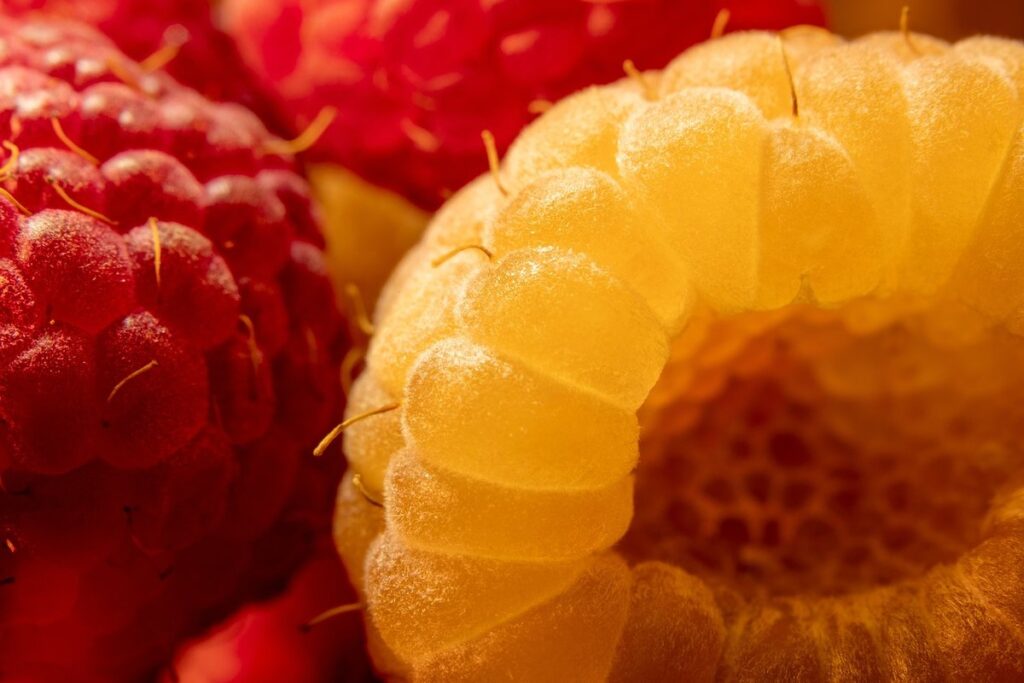
Why Prune Raspberry Bushes in Fall
You may wonder why pruning your raspberry bushes in fall is essential for their health and productivity, but it’s a crucial step to take before winter sets in. Let’s explore this important task further.
Benefits of Fall Pruning for Raspberry Health
When you prune raspberry bushes in fall, you’re not only clearing away dead and diseased canes but also giving your plants a much-needed boost for the coming year. Improved air circulation is one of the most significant benefits of fall pruning. As the bush regenerates new growth, it promotes healthy airflow, which helps prevent fungal diseases like botrytis and crown rot that thrive in damp environments.
By removing diseased or damaged canes, you’re reducing the risk of disease spread to other parts of the plant. This is particularly crucial for raspberries, which are susceptible to root rot and other infections. Regular fall pruning also encourages new growth, leading to a more vigorous and resilient plant overall. Think of it as giving your raspberry bush a tune-up before winter. By doing so, you’ll be rewarded with healthier, more productive plants come springtime.
Timing and Preparing for Fall Pruning
When to Prune Raspberry Bushes and Preparing for the Task Ahead
Timing is everything when it comes to pruning raspberry bushes. As a general rule, you should prune them in late summer or early fall, typically around August or September. This allows the plants to put on new growth before winter sets in, making them more resistant to cold temperatures and disease.
To prepare for pruning, gather your tools and materials beforehand. You’ll need a pair of sharp, clean pruning shears, loppers, or a saw, depending on the size of the canes you need to cut back. Wear protective gloves and safety glasses to prevent injury from thorns or falling debris.
Before you start pruning, remove any dead or diseased stems. Cut them off at the base using a 45-degree angle, making it easier for water to run off and preventing rot from setting in. This will also help promote healthy new growth come springtime.
Choosing the Right Pruning Tools and Techniques
Now that you know when and how to prune your raspberry bushes, it’s time to talk tools and techniques. We’ll cover the essential pruning equipment and methods for a healthy, productive bush.
Essential Pruning Tools for Raspberry Bushes
When it comes to pruning raspberry bushes in fall, having the right tools is essential for efficient and effective maintenance. A good set of pruning tools will make a big difference in ensuring that your raspberry bushes stay healthy and productive.
You’ll need hand pruners for tasks like cutting back suckers, removing dead or diseased wood, and shaping the bush. Look for high-quality pruners with sharp blades and comfortable grips to reduce fatigue during long pruning sessions. Loppers are also a must-have for thicker stems and canes that require more force to cut through. These long-handled pruning tools allow you to reach into tight spaces without having to resort to ladders or other equipment.
A saw is another necessary tool for pruning raspberry bushes, especially when it comes to cutting larger branches or sections of the plant. A curved-blade saw is ideal for navigating dense canopies and making precise cuts. When choosing a saw, consider one with a durable construction and rust-resistant coating to ensure longevity.
When selecting pruning tools, make sure they are clean and sharp before use. Regularly cleaning your tools will prevent the spread of disease and keep them in good working order. It’s also essential to store them properly after each use to maintain their condition.
Basic Pruning Techniques for Raspberry Bushes
When it comes to pruning raspberry bushes, there are three fundamental techniques that will help you achieve a healthy and productive plant: cutting back canes, removing dead wood, and shaping the bush.
Cutting back canes is essential for maintaining the shape of your raspberry bush. In the fall, cut back any tall, vigorous canes that have finished producing fruit to about 1-2 inches from the ground. This will help promote new growth in the spring and encourage a more balanced structure.
Removing dead wood is also crucial for preventing disease and pests from taking hold. Inspect your bushes carefully and remove any dead or damaged branches. Cut them off at the base, making sure to disinfect your pruning tools between cuts to prevent the spread of disease.
Shaping the bush involves removing select canes to create a balanced structure. Prune out weak or spindly growth, as well as any suckers that are growing in the center of the plant. This will help direct the plant’s energy towards producing fruit rather than foliage.
Pruning Methods for Different Types of Raspberries
Raspberry enthusiasts, let’s dive into the specifics of pruning techniques tailored to each type of raspberry bush: summer-bearing, fall-bearing, and everbearing. This will help you optimize your harvests for years to come.
Pruning Summer-bearing Raspberry Bushes
When pruning summer-bearing raspberry bushes, it’s essential to focus on removing canes that have already fruited. This type of raspberries produces fruit on the current season’s growth, typically from mid-summer to early fall. To identify which canes to cut back, look for stems with dead or damaged leaves, weak growth, or those that are not producing new shoots.
Cut back these canes to about 3-4 inches above the ground during the fall pruning session. This will help redirect energy towards new growth and encourage a more balanced cane structure. Be cautious not to cut too close to the base of the plant, as this may cause damage or lead to disease issues. Remove any weak or spindly canes altogether, as these will not provide optimal support for fruiting canes.
By pruning summer-bearing raspberry bushes in fall, you’ll promote a healthier and more productive plant come springtime. Remember to also inspect the soil and root system during this process, making sure they’re well-draining and fertile. Regular maintenance and pruning are key to achieving bountiful harvests from your summer-bearing raspberries.
Pruning Fall-bearing and Ever-bearing Raspberry Varieties
When it comes to pruning fall-bearing and ever-bearing raspberry varieties, you need to take into account their unique growth habits. Fall-bearing raspberries produce one large crop in late summer or early fall, while ever-bearing varieties produce smaller crops throughout the growing season.
For fall-bearing varieties, prune them in the same way as summer-bearing ones: remove any dead, diseased, or damaged canes, and cut back the new growth to about 6-8 inches from the ground. This will help encourage new growth and promote healthy fruiting for next year’s crop.
Ever-bearing raspberries require more frequent pruning. After they finish producing in late summer, remove any weak or spindly stems, as well as any canes that are growing outside of the designated bed. In early spring, cut back the canes to about 12-18 inches from the ground to encourage new growth and promote healthy fruiting.
Keep in mind that both types of raspberries benefit from a layer of mulch around their base, which will help retain moisture and suppress weeds. Regular pruning is essential for maintaining the health and productivity of your fall-bearing and ever-bearing raspberry varieties.
Tips for Pruning Raspberry Bushes in Different Climatic Conditions
Pruning raspberry bushes is a year-round task, but when it comes to different climates, understanding how to prune effectively can be challenging. We’ll break down tips for pruning in various weather conditions below.
Pruning in Warm Climates: Special Considerations
In warm climates, pruning raspberry bushes can be a daunting task. The high temperatures and humidity create an ideal environment for pests and diseases to thrive, making it challenging to maintain the health of your plants. Heat stress is also a major concern, as over-pruning can cause significant damage to the plant.
To manage heat stress and pest/disease pressure in warm climates, prune your raspberry bushes during the cooler months, typically from fall to early winter. This allows the plant to heal quickly before the hot summer months set in. Be cautious not to remove more than one-third of the plant’s foliage at a time, as this can cause undue stress.
Keep an eye out for common pests like aphids and spider mites, which thrive in warm temperatures. Regularly inspect your plants and take action promptly if you notice any infestations. Use organic methods whenever possible to minimize chemical exposure.
When pruning, focus on removing dead, diseased, or damaged canes, as well as any weak growth that may be vulnerable to pests. This will help maintain the plant’s overall health and promote new growth in the spring. By following these guidelines, you’ll be able to successfully prune your raspberry bushes even in warm climates.
Pruning in Cold Climates: Protecting Against Frost Damage
In cold climates, pruning raspberry bushes requires extra caution to prevent frost damage. When temperatures drop below 32°F (0°C), sensitive buds and new growth can be damaged or killed by frost. To protect your plants, prune them in early fall, about 6-8 weeks before the first frost. This allows the plant to harden off before winter, reducing the risk of frost damage.
To further protect against frost damage, choose a pruning technique that minimizes the exposed surface area of the plant. Cut canes at a 45-degree angle, just above a bud eye (where a new cane will emerge). This directs new growth away from cold winds and reduces moisture loss through transpiration. Also, avoid making fresh cuts on the plant in late fall or early winter, as these will be more susceptible to frost damage.
If you do need to make a cut, apply a layer of mulch or straw around the base of the plant to insulate it from cold temperatures. This can help keep the soil temperature from dropping too low and reduce moisture loss through evaporation.
Common Mistakes to Avoid When Pruning Raspberry Bushes
When pruning your raspberry bushes, it’s easy to get carried away and make mistakes that can harm their health and productivity. Let’s cover some common pitfalls to watch out for when cutting back your fall harvest raspberries.
Over-pruning: A Leading Cause of Plant Stress
Over-pruning is one of the most common mistakes gardeners make when pruning raspberry bushes. It’s an easy mistake to fall into, especially if you’re trying to keep your plants tidy and under control. However, over-pruning can lead to severe plant stress, causing damage that takes months or even years to recover from.
When you prune too much of the plant, you remove not only unwanted growth but also vital structural elements and nutrient-rich tissues. This can weaken the plant’s ability to produce new canes, flowers, and fruit. As a result, yields may be significantly reduced, and your raspberry bushes might struggle to thrive.
In extreme cases, over-pruning can even cause dieback, where the affected areas turn brown and become brittle. To avoid this, it’s essential to prune judiciously and only remove what’s absolutely necessary. When in doubt, start with small, gentle cuts and observe how your plants respond before making further adjustments. By being mindful of pruning limits, you’ll help maintain your raspberry bushes’ overall health and ensure a bountiful harvest come springtime.
Under-pruning: Failing to Remove Dead or Damaged Wood
Failing to remove dead or damaged wood from your raspberry bushes can have serious consequences. This is known as under-pruning, and it’s a common mistake that many gardeners make when pruning their plants in the fall. When you don’t remove diseased or dying branches, you’re essentially creating an environment where diseases can spread easily.
For example, if you leave dead wood on your bushes, fungal spores can take hold and infect the surrounding healthy tissue. This can lead to a range of problems, including root rot, leaf spot, and even plant death. In fact, studies have shown that pruning is one of the most effective ways to prevent disease in raspberry plants.
To avoid under-pruning, make sure to inspect your bushes carefully before you start cutting. Remove any branches that are dead, damaged, or diseased, taking care not to damage healthy tissue as you work. By doing so, you’ll be able to promote healthy growth and reduce the risk of disease in your raspberry plants.
Conclusion and Final Tips for Success
Now that you’ve successfully pruned your raspberry bushes, let’s wrap up with some final tips to ensure a bountiful harvest next season.
Reviewing Key Pruning Principles and Best Practices
When reviewing the principles and best practices for pruning raspberry bushes in fall, it’s essential to consider several key points. For one, timing is crucial; prune your raspberries in late winter or early spring, not in fall, as this can actually promote new growth that may be damaged by frost.
However, if you do need to prune in the fall, make sure to remove any dead, diseased, or damaged canes immediately. Cut these off at ground level using sharp, clean pruning tools. Remove any weak or spindly growths, and cut back floricanes (last year’s fruiting canes) by about one-third to promote new growth.
Remember to also thin out the remaining canes to improve air circulation and reduce disease risk. Cut back suckers that are growing from the base of the plant, as these can take energy away from the rest of the plant. By following these best practices, you’ll be well on your way to maintaining a healthy and productive raspberry bush.
Encouraging Readers to Apply Their New Knowledge
Now that you’ve gained valuable insights into pruning raspberry bushes in fall, we’d love to see you put this knowledge to practice. Pruning is an essential part of maintaining a healthy and productive raspberry bush, and with the right techniques, you can enjoy a bountiful harvest for years to come.
Take note of your progress as you prune your raspberry bushes, and don’t hesitate to reach out if you have any questions or concerns. You can also share your experiences with fellow gardeners online or in local gardening communities – it’s a great way to learn from others and get feedback on your techniques.
Remember, pruning is not just about cutting back the bush; it’s also an opportunity to observe its overall health and make adjustments for future seasons. By regularly inspecting your raspberry bushes and making necessary adjustments, you’ll be rewarded with a robust and thriving plant that produces delicious fruit year after year.
Frequently Asked Questions
What’s the best time to prune my fall-bearing raspberries, considering their unique growth cycle?
For fall-bearing raspberry varieties, it’s essential to prune immediately after harvest, usually late summer or early fall. This timing encourages new canes to grow, which will produce fruit next season. Pruning too early can lead to reduced yields, so wait until the plants have finished producing fruit.
Can I still prune my raspberry bushes in winter if I missed pruning them in fall?
Yes, it’s still beneficial to prune your raspberry bushes in winter, even if you missed the optimal fall pruning time. However, be cautious not to damage young new growth or cause unnecessary stress on the plant. Prune only what’s necessary, focusing on removing dead, diseased, or damaged wood.
How do I know which tools and techniques are best for my specific climate?
The choice of pruning tools and techniques depends on your local climate conditions. For areas with high humidity, use sharp, clean tools to prevent spreading diseases. In colder climates, consider using insulated pruning gloves to protect hands from cold temperatures. Consult with a local nursery or gardening expert for tailored advice.
Can I prune my ever-bearing raspberries the same way as summer-bearing varieties?
Ever-bearing raspberry varieties require more frequent and selective pruning than their summer-bearing counterparts. Remove weak growth, encourage air circulation, and promote healthy canes. This type of pruning will help maintain the plant’s vigor and prevent disease susceptibility in these continuously fruiting bushes.
What are some common mistakes to avoid when pruning my raspberry bushes?
Avoid over-pruning, which can cause unnecessary stress on the plant, or under-pruning, failing to remove dead or damaged wood that invites diseases. Also, be mindful of pruning during extreme weather conditions (e.g., rain, wind) to prevent injuries and ensure accurate cuts.