
As a pepper plant enthusiast, you’re probably wondering whether to give your plants a little TLC before the winter months set in. Pruning pepper plants during winter may seem counterintuitive, but it’s actually an essential task that can make all the difference come springtime. Not only can pruning help reduce stress and disease on your plants, but it also encourages dormancy – which is crucial for a thriving next season.
In this article, we’ll explore the best methods, tools, and techniques for pruning pepper plants during winter, so you can keep your plants healthy and productive. We’ll cover why pruning is necessary, how to identify the right branches to prune, and what tools to use for optimal results. Whether you’re a seasoned gardener or just starting out, our expert tips will help you prepare your pepper plants for a strong comeback come spring, ensuring a bountiful harvest all season long.
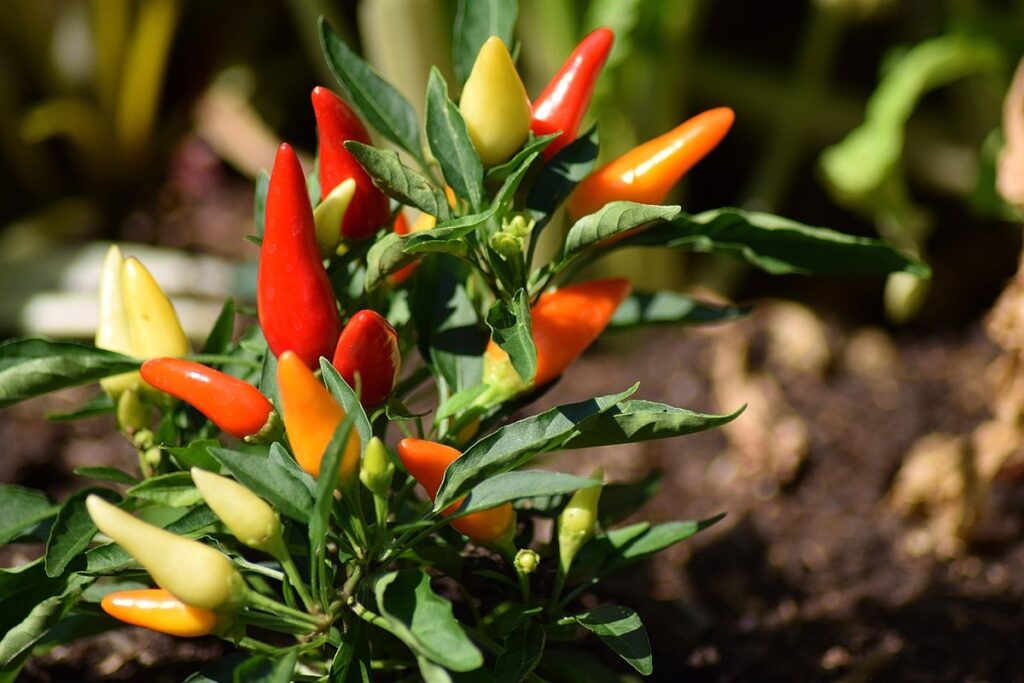
Understanding the Importance of Pruning Pepper Plants
Pruning pepper plants during winter may seem counterintuitive, but it’s actually crucial for their health and productivity. In this next part, we’ll explore why pruning is essential for pepper plant care.
Why Prune Pepper Plants?
Pruning pepper plants is more than just a cosmetic task; it’s essential for their overall health and productivity. When you prune your pepper plants regularly, you’re promoting healthy growth by removing any weak or diseased branches that can hinder the plant’s ability to focus its energy on producing fruit. By pruning these unwanted sections, you allow the plant to direct its resources towards developing stronger, more robust stems.
Not only does pruning promote healthy growth, but it also increases yields. Pepper plants produce fruit along their entire length, so by removing lower leaves and branches, you’re allowing light to reach more of the plant’s surface area, resulting in a higher number of flowers and subsequently, peppers. This technique is particularly effective for indeterminate pepper varieties, which can grow quite large.
Pruning also plays a crucial role in preventing disease. By removing any damaged or diseased tissue, you prevent the spread of fungal diseases that can weaken the plant and reduce its ability to produce fruit. Regular pruning keeps your pepper plants healthy, vigorous, and productive throughout the growing season, making it an essential part of their care.
Types of Pruning Methods for Pepper Plants
When it comes to pruning pepper plants, you have several methods at your disposal. Topping involves cutting back the plant’s growth tips to control its height and promote bushy growth. This is especially useful for large pepper plants that may be taking up too much space in your garden. Pinching is another technique where you remove the top set of leaves from the plant, encouraging it to produce new shoots.
Defoliation involves removing some or all of a pepper plant’s leaves to encourage more fruit production and prevent fungal diseases. However, this method should only be used during the hottest part of summer when the plant is already producing well. When deciding which pruning method to use, consider your specific goals for your pepper plants. If you want to control their height, topping may be the way to go.
If you’re looking to promote bushy growth and increase yields, pinching or defoliation might be more suitable options. Be sure to prune only what’s necessary, as over-pruning can stress your plants and reduce fruit production.
Benefits of Pruning Pepper Plants During Winter
Pruning pepper plants during winter may seem counterintuitive, but it can actually lead to a more robust and productive harvest in the spring. Let’s explore the benefits of this practice further.
Reduced Stress and Disease Prevention
Pruning pepper plants during winter can have a profound impact on their overall health and resilience. When left unpruned, pepper plants can become stressed due to the cooler temperatures and reduced light, making them more susceptible to disease and pests.
As you know, stress weakens the plant’s immune system, leaving it vulnerable to pathogens like powdery mildew, root rot, and leaf spot. By pruning your pepper plants in winter, you’re giving them a chance to recover from the previous growing season and regroup for the next one. Prune away any dead or damaged branches, as well as any suckers that may be competing with the main stem for nutrients.
This process also promotes air circulation within the plant, which is essential for preventing diseases like fungal infections. Moreover, pruning encourages new growth, allowing your pepper plants to produce more vigorous and productive stems come springtime. To maximize these benefits, prune about 1/3 of your pepper plant’s branches during winter, making sure to disinfect your tools between cuts to prevent the spread of disease.
Encouraging Dormancy
Pruning your pepper plants during winter may seem counterintuitive, but it can actually help induce dormancy, preparing them for a strong start come spring. When peppers go through a period of cold weather, they tend to focus their energy on survival rather than growth. By pruning in the winter, you’re giving your plant a break from constant growth and allowing it to conserve its resources.
Think of it like hibernation – just as animals prepare for a long winter’s nap by storing up fat reserves, your pepper plants can benefit from a similar “rest period”. Pruning helps reduce the plant’s energy expenditure, redirecting it towards rebuilding and rejuvenating itself. This means that when warmer temperatures return, your peppers will be ready to burst back into growth.
To encourage dormancy, prune your pepper plants in late winter or early spring, removing any dead or damaged branches. Cut back about one-third of the plant’s foliage, taking care not to over-prune and stress the plant further. By giving your peppers a chance to rest, you’ll be rewarded with healthier, more resilient plants come growing season.
Preparing Pepper Plants for Pruning
Before you start pruning, it’s essential to prepare your pepper plants by cleaning them up and removing any dead or damaged leaves to prevent disease from spreading. This will make the pruning process much more efficient.
When to Prune: Climate and Region Considerations
When it comes to pruning pepper plants, climate and region play a significant role in determining when to prune. In areas with harsh winters, it’s essential to consider frost dates and temperature fluctuations before deciding on the best time for pruning.
In regions with early frosts, typically around late September or early October, it’s crucial to wait until after the last frost date has passed before pruning pepper plants. Pruning too early can lead to new growth that may be damaged by subsequent frosts. Conversely, in areas with mild winters or those located near the equator, you may be able to prune your pepper plants year-round.
Another factor to consider is temperature fluctuations. If your area experiences significant temperature drops at night, even if it’s warm during the day, it’s best to wait until temperatures stabilize before pruning. This will prevent shock to the plant and encourage healthy regrowth.
For example, in USDA Hardiness Zone 4, where winters can be particularly harsh, it’s recommended to prune pepper plants in late spring, after the last frost date has passed. In contrast, growers in Zone 10 can often prune their pepper plants throughout the year, as temperatures remain relatively consistent.
Tools and Materials Needed for Pruning
To prune pepper plants effectively during winter, you’ll need to gather some essential tools and materials. Start by investing in a good pair of pruning shears specifically designed for fruiting plants like peppers. These shears will make it easier to cut through thick stems without causing damage.
You’ll also want to wear protective gloves while pruning to prevent thorn pricks and other minor injuries. A clean workspace is crucial when pruning, so clear any debris or fallen leaves from the area before you begin. Have a bucket or container nearby to collect any pruned branches.
Other materials you may find useful include a sharpener for your pruning shears, some twine or wire for supporting weak stems, and a gardening kneeler or stool for comfort while working on lower-growing plants. Don’t forget to disinfect all your tools before use with a mixture of soap and water to prevent the spread of diseases.
When handling your pruning shears, make sure to clean them after each cut to avoid transferring bacteria between plants. This is especially important when pruning multiple pepper plants in close proximity. By having the right tools on hand and taking proper precautions, you’ll be able to prune your pepper plants safely and effectively during winter.
Steps to Prune Pepper Plants During Winter
If you’ve decided to prune your pepper plants during winter, follow these simple steps to help them come back strong and healthy next growing season. This is a crucial part of maintaining their vigor.
Step 1: Inspect the Plant
When inspecting your pepper plant for damaged or diseased areas, start by looking at the overall health of the plant. Check for signs of pests like aphids, whiteflies, and spider mites, which can cause yellowing leaves and stunted growth. Also, check for diseases such as fungal infections, bacterial spot, or powdery mildew, which can be identified by visible lesions on the leaves.
Walk around your plant and gently touch each leaf to check for any soft spots or areas where the stem has been damaged. Check the nodes – these are the points where the leaves meet the stem. If you notice any signs of disease or pests here, it’s essential to treat the issue before it spreads to other parts of the plant.
Check the roots as well by gently removing the plant from its pot. Look for any dead or rotting roots which can be a sign of overwatering. If you find any damaged areas, prune them immediately to prevent the spread of disease and encourage healthy growth. Remember, prevention is key when it comes to winter pruning – catching issues early will save your plant from potential disaster.
Step 2: Remove Dead or Diseased Branches
When removing dead or diseased branches from your pepper plants during winter, it’s essential to do so properly to avoid spreading disease. Start by inspecting the plant carefully for any signs of damage or decay, such as black spots, yellowing leaves, or brittle stems.
To remove a branch, make a clean cut just above a node using sharp, sterile pruning shears or loppers. Cut at a 45-degree angle, and make sure to disinfect your tools between cuts to prevent the spread of disease. For diseased branches, it’s best to remove them entirely to prevent further infection.
Cutting too close to the trunk can cause damage, so be mindful of this when pruning. If you’re unsure about which branches to remove or how to proceed, consider consulting a gardening expert or researching online for guidance. Remember that proper pruning techniques will help your pepper plants stay healthy and thrive throughout the growing season.
Additional Tips and Considerations
As you prepare for winter, there are a few more things to keep in mind when it comes to pruning your pepper plants. Some additional considerations can make a big difference in their health and productivity come springtime.
Pruning vs. Cutting Back: What’s the Difference?
When it comes to maintaining pepper plants during winter, you may come across terms like “pruning” and “cutting back.” While these two methods are often used interchangeably, they have distinct purposes and applications. Pruning is the process of selectively removing specific parts of a plant, such as dead or diseased leaves, to promote healthy growth and encourage fruiting. It’s typically done to maintain a plant’s shape, improve air circulation, and remove any infected areas that could spread disease.
On the other hand, cutting back refers to the process of reducing a plant’s overall size by removing a significant portion of its stems or branches. This method is often used to control plant growth, prevent over-vigoration, and direct the plant’s energy towards producing fruit. Unlike pruning, cutting back can be more invasive and may require a greater amount of plant material to be removed.
Understanding the difference between these two methods will help you determine when to use each approach. If you’re looking to promote healthy growth or remove diseased areas, pruning is likely the better choice. However, if you need to control your pepper plants’ size or direct their energy towards fruiting, cutting back may be more suitable.
Common Mistakes to Avoid When Pruning Pepper Plants
When pruning pepper plants during winter, it’s easy to get carried away and make mistakes that can harm the plant. One common mistake is over-pruning, which can lead to a decrease in fruit production and even kill the plant if done excessively. Be cautious not to remove more than one-third of the plant’s branches at a time.
Another error is neglecting proper sanitation techniques. Pruning tools can spread diseases like pepper mildew and tobacco mosaic virus if not cleaned and disinfected regularly. To avoid this, make sure to wash your pruning tools with soap and water after each use, and dry them thoroughly to prevent bacterial growth.
It’s also essential to prune at the right time. If you’re planning to prune in winter, wait until the plant is dormant, as pruning during active growth can shock the plant and reduce fruit production.
Frequently Asked Questions
Can I Prune Pepper Plants During a Frost?
Yes, pruning pepper plants during winter can still be beneficial even if there’s a risk of frost. However, it’s essential to prune your plants as soon as the frost has passed and new growth begins. This will help prevent damage from extreme cold temperatures.
What Happens If I Miss the Optimal Pruning Time?
While pruning is most effective during winter, it’s still beneficial to prune pepper plants in late spring or early summer if you’ve missed the optimal time. However, keep in mind that pruning at this stage may not promote dormancy as effectively as winter pruning.
Can I Use Regular Scissors for Pruning Pepper Plants?
No, using regular scissors for pruning can be damaging to your pepper plant. Instead, use high-quality, sharp gardening pruners or loppers specifically designed for cutting thick branches. This will help prevent crushing the stems and promote healthy healing.
Will Pruning My Pepper Plant Reduce Its Yield?
Pruning your pepper plant during winter may seem counterintuitive, but it can actually increase its yield come springtime. By removing weak or diseased branches, you’re allowing your plant to focus its energy on producing healthy fruit, resulting in a more bountiful harvest.
What’s the Best Way to Disinfect My Pruning Tools?
After pruning, disinfect your tools by washing them with soap and water, followed by a 10% bleach solution. This will help prevent the spread of diseases between plants and promote healthy growth. Always rinse your tools thoroughly before storing them for future use.