
Pruning your pepper plants is one of the most crucial steps in ensuring a bountiful harvest. Not only does proper pruning boost yield, but it also helps to improve flavor and promote healthy growth. If you’re struggling with weak or leggy stems, uneven fruiting, or pests taking over, it’s likely due to neglecting this simple yet essential task.
In this comprehensive guide, we’ll walk you through the best pruning techniques for pepper plants, covering everything from basic trimming to more advanced methods like topping and pinching. We’ll also discuss the must-have tools every gardener should have in their arsenal, as well as expert tips for maximizing your harvest and preventing common mistakes. Whether you’re a seasoned pro or just starting out, by the end of this article, you’ll be equipped with the knowledge to prune pepper plants like a pro and unlock their full potential.
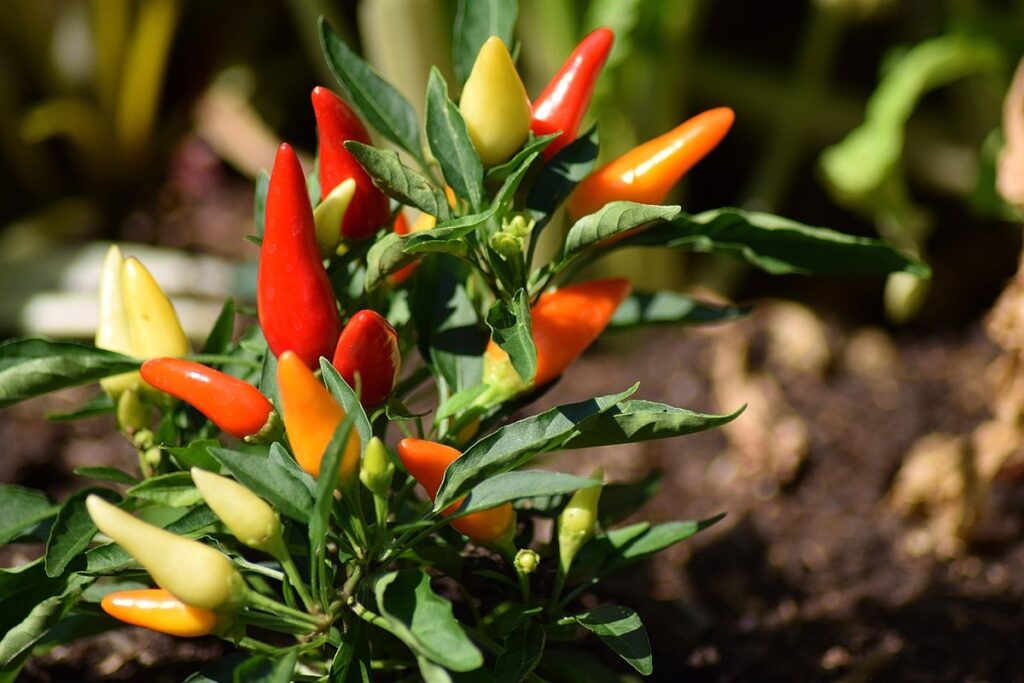
Understanding Pepper Plant Growth and Pruning Needs
To ensure you prune your pepper plants effectively, it’s essential to understand their growth habits and pruning requirements. Let’s dive into the specifics of how peppers grow and when they need pruning support.
Why Prune Pepper Plants
Pruning pepper plants is an essential part of their care, and it’s not just about aesthetics. When you prune your pepper plants correctly, you’re promoting healthy growth, increasing yields, and preventing diseases. One of the primary reasons to prune pepper plants is to control their shape and size. Pepper plants can grow quite large if left unpruned, which can lead to reduced air circulation and increased risk of fungal diseases.
Pruning also helps to remove any weak or diseased growth, allowing the plant to focus its energy on producing more fruit. In fact, studies have shown that pruning pepper plants can increase yields by up to 25%. By removing lower leaves and branches, you’re also reducing the amount of space needed for harvesting, making it easier to pick those ripe peppers.
By regularly pruning your pepper plants, you’ll encourage bushy growth, promote better fruiting, and keep your plant healthy and thriving. Remember, pruning is not a one-time task – it’s an ongoing process that requires regular attention throughout the growing season.
Identifying When to Prune
When to prune pepper plants is just as important as how to prune them. The optimal time for pruning depends on the plant’s growth stage and its purpose – whether it’s focused on producing fruit or developing a robust structure.
During the vegetative stage, typically within 1-2 weeks after transplanting seedlings into individual pots or directly into the garden, pepper plants benefit from light pruning to promote bushy growth. This is achieved by removing any weak or spindly branches and encouraging lateral shoots to develop. By doing so, you’ll ensure your plant has a strong foundation for fruit production.
As the plant starts producing flowers, usually around 60-70 days after transplanting, pruning becomes less frequent. However, some maintenance pruning is still necessary to direct the plant’s energy towards producing more flowers and eventually, peppers. Remove any weak or spindly growth that might be competing with the main stems for resources.
After harvesting, pepper plants often continue to produce new growth, albeit at a slower rate. At this stage, prune your plant back by about one-third to encourage new growth and prevent disease buildup in the old wood. This will also give you an opportunity to inspect the root system and make any necessary adjustments before replanting.
Tools and Techniques for Pruning Pepper Plants
Now that we’ve covered the basics of pruning pepper plants, let’s dive into the essential tools and techniques you’ll need to get started. With these tips, you’ll be pruning like a pro in no time!
Choosing the Right Pruning Tools
When it comes to pruning pepper plants, having the right tools for the job can make all the difference. You’ll want to start with a good pair of hand pruners. These are perfect for making precise cuts on thicker branches and stems. Look for ones with sharp blades and comfortable grips to reduce fatigue.
Loppers are another essential tool in your pruning arsenal. They’re ideal for cutting thicker branches that are too large for hand pruners. Choose loppers with long handles and sturdy blades to provide leverage and control.
For more extensive pruning or removing larger sections of the plant, you’ll need a pruning saw. This is particularly useful when dealing with woody stems or roots. Select a saw with fine teeth and a durable blade that can handle tough cuts without binding.
Regardless of which tool you choose, make sure it’s sharp and clean before use. Dull blades can cause damage to the plant, leading to disease and pests. Regularly cleaning your tools will also prevent the spread of diseases between plants. With the right tools in hand, pruning pepper plants becomes a much more manageable task.
Basic Pruning Techniques
When it comes to pruning pepper plants, mastering basic techniques is essential for promoting healthy growth and maximizing yields. One of the most critical aspects of pruning is making clean cuts. This means using sharp, sterile tools to trim branches at a 45-degree angle, just above a node (where a leaf meets the stem). Cutting too far down can damage the plant’s vascular system, leading to disease or even death.
Removing dead or diseased branches is another fundamental technique. Inspect your pepper plants regularly for signs of decay or pest infestation and prune these areas immediately to prevent the spread of disease. Cut back affected stems to a healthy node, making sure to disinfect your tools between cuts.
Shaping the plant’s structure also plays a crucial role in promoting growth and preventing over-crowding. By pruning select branches, you can encourage bushy, compact plants that receive more sunlight and air circulation. For example, prune the tips of pepper plants with long, leggy stems to encourage branching, or remove lower leaves to prevent fungal diseases from taking hold.
Pruning for Different Pepper Plant Types
When it comes to pruning pepper plants, different types require unique approaches. Learn how to tailor your pruning techniques to specific varieties of peppers in your garden.
Determinate vs. Indeterminate Pepper Plants
When it comes to pruning pepper plants, understanding their growth habits is crucial for optimal results. Determinate and indeterminate pepper plants are two distinct types that require different pruning approaches.
Determinate pepper plants, also known as compact or bush varieties, grow to a certain height and then stop. They produce a single main stem with fruiting branches and do not require support. Pruning determinate pepper plants involves removing lower leaves to promote air circulation and prevent fungal diseases. You can also remove any weak or spindly growth to maintain the plant’s shape.
Indeterminate pepper plants, on the other hand, are vining varieties that continue to grow throughout the season. They produce new growth and fruiting branches constantly and require regular pruning to keep them under control. When pruning indeterminate pepper plants, focus on removing lower leaves, weak growth, and any branches that are crossing or rubbing against each other. This will help promote air circulation, prevent disease, and encourage the plant to focus its energy on producing fruit.
Keep in mind that pruning timing is also crucial for both types of pepper plants. For determinate varieties, prune them after they’ve finished fruiting, while indeterminate varieties require regular pruning throughout the growing season. By understanding the unique characteristics of each type and pruning accordingly, you can maximize your pepper plant’s productivity and enjoy a bountiful harvest.
Pruning Compact or Dwarf Varieties
When it comes to compact or dwarf pepper plant varieties, pruning requires more attention due to their smaller size. These plants have a higher surface area to volume ratio, making them more prone to disease and pests. To maintain their health and productivity, prune them regularly.
Prune compact pepper plants by removing any weak or spindly growth, allowing the plant to put its energy into producing fruit. Remove any lower leaves that are touching the ground to prevent soil-borne diseases from spreading. Trim back leggy branches to encourage bushy growth and promote even ripening of peppers.
Some examples of compact pepper varieties include ‘Thai Hot’, ‘Patio’, and ‘Tiny Tim’. When pruning these plants, focus on maintaining a balanced shape and promoting air circulation. This will help prevent fungal diseases like powdery mildew from taking hold. Regular pruning will also encourage the plant to produce more fruit, increasing your overall yield.
By following these simple tips, you can keep your compact pepper plants healthy and thriving all season long.
Pruning for Maximum Yield and Flavor
To get the most out of your pepper plants, it’s essential to prune them correctly to maximize yield and flavor. In this next section, we’ll cover the techniques that will take your pruning skills to the next level.
Removing Flower Buds for Improved Yield
When to Pinch Flower Buds for Improved Yield
Pinching flower buds on pepper plants is an age-old technique that can significantly boost yield and flavor. By removing these early blooms, you’re encouraging the plant to direct its energy towards producing a higher number of peppers rather than diverting it into seed production.
This process, known as “pinching,” helps regulate the plant’s growth pattern and stimulates fruiting. When pepper plants are allowed to produce flowers, they tend to focus on developing seeds within those blooms. By removing these buds, you’re essentially saying, “No, let’s prioritize producing peppers instead.”
Timing is crucial when pinching flower buds. For indeterminate varieties, pinch off the first flower bud that appears after transplanting or around 3-4 weeks into growth. This allows the plant to establish a strong root system before channeling its energy towards fruit production. If you’re growing determinate varieties, wait until they’ve reached about half their expected height and begin producing flowers before removing any buds. By implementing this simple yet effective technique, you’ll be amazed at how your pepper plants respond by producing more peppers with better flavor.
Pruning After Harvest for Better Flavor
After harvesting your pepper plants, it’s essential to prune them properly to stimulate new growth. This process is often overlooked, but it plays a significant role in promoting healthy plant development and encouraging more flavorful peppers in subsequent harvests.
Pruning after harvest helps to direct the plant’s energy towards producing new growth rather than focusing on seed production. By removing spent flowers and seed pods, you’re essentially telling the plant that there will be no further fruiting, allowing it to channel its resources into growing new stems, leaves, and flowers. This process is called “false branching,” where the plant produces lateral shoots from the axils of the removed flowers.
To prune effectively, simply remove any remaining pepper pods, as well as any weak or spindly growth. Cut back any overgrown branches to encourage bushy growth and prevent disease. By doing so, you’ll not only stimulate new growth but also improve air circulation within the plant, reducing the risk of fungal diseases that thrive in humid conditions.
By incorporating pruning into your post-harvest routine, you can enjoy more vibrant, productive pepper plants with improved flavor profiles. This simple yet crucial step will help you optimize your pepper crop’s performance and taste for years to come.
Common Mistakes to Avoid When Pruning Pepper Plants
To get the most out of pruning your pepper plants, it’s essential to avoid a few common mistakes that can actually harm their growth and productivity. We’ll explore these errors in detail below.
Over-Pruning: A Common Pitfall
Over-pruning pepper plants is a common mistake that can have serious consequences for their health and productivity. When you remove too much of the plant’s foliage, it can lead to reduced yields, weakened structures, and increased susceptibility to diseases. For instance, if you prune away more than one-third of the plant’s leaves in a single session, it may not be able to produce enough chlorophyll to carry out photosynthesis efficiently.
As a result, the plant may become stressed, leading to stunted growth, poor fruit set, and lower yields. Furthermore, weakened structures can make the plant more vulnerable to diseases such as powdery mildew, leaf spot, and root rot. To avoid this pitfall, it’s essential to prune pepper plants carefully, removing only what is necessary to maintain their shape and promote healthy growth.
Here are some tips to keep in mind: prune no more than 10-15% of the plant’s foliage at a time, avoid pruning too much of the leafy growth near the base of the plant, and prioritize maintaining a balanced canopy to ensure even light distribution. By being mindful of these guidelines, you can enjoy healthy, productive pepper plants that thrive with minimal maintenance.
Under-Pruning: Another Critical Error
Under-pruning can be just as detrimental to pepper plants as over-pruning. When you don’t remove enough of the plant’s growth, weak and spindly stems develop, which are not only aesthetically unappealing but also unable to support the weight of fruit.
This leads to decreased fruiting, as the energy is diverted from producing fruit to supporting the weak growth. In addition to reduced yields, under-pruning can also cause a range of other problems, including:
• Increased susceptibility to disease and pests
• Reduced air circulation around the plant, which can lead to fungal diseases
• A more compact plant shape that’s less able to absorb sunlight and water
As with over-pruning, it’s essential to strike the right balance when pruning pepper plants. To avoid under-pruning, make sure you’re removing at least one-third of the current season’s growth in late spring or early summer, depending on your climate. This will promote healthy stem development and encourage a strong fruit set.
Tips for Incorporating Pruning into Your Pepper Plant Care Routine
To get the most out of your pepper plants, you need to know how and when to prune them. Here are some valuable tips to incorporate pruning into your routine seamlessly.
Scheduling Regular Pruning Sessions
To keep your pepper plants thriving, it’s essential to schedule regular pruning sessions. This might sound like an added task, but trust us, it’s worth the effort. Pruning at specific growth stages and seasons can help control plant size, promote healthy growth, and even boost fruit production.
As a general rule, start pruning your pepper plants when they’re about 6-8 inches tall. This is usually around 2-3 weeks after transplanting them into larger containers or directly into the garden. During this stage, remove any weak or spindly growth to encourage a bushy shape and more fruiting branches.
As summer progresses, prune your pepper plants every 4-6 weeks to maintain their size and promote healthy air circulation. This is also an excellent opportunity to inspect for pests or diseases and take corrective action if necessary. In the fall, after the first frost, prune back your pepper plants to about half their height to help protect them from harsh winter conditions.
By following this schedule, you’ll be able to keep your pepper plants in top condition throughout the growing season.
Monitoring Plant Response to Pruning
Monitoring your pepper plants’ responses to pruning is crucial for optimal results. As you prune your pepper plants, pay attention to their reaction to the cuts. This might seem like a simple task, but it’s essential for determining whether your pruning techniques are effective.
Some signs that your pepper plant is responding positively to pruning include:
* A sudden surge in growth, with new leaves and branches emerging from the nodes
* An increase in fruit production, as the plant directs its energy towards producing more peppers
* A noticeable reduction in pest and disease issues, as the plant’s energy shifts away from supporting unwanted organisms
On the other hand, if your pepper plant is responding negatively to pruning, you may notice:
* Stunted growth or a lack of new leaves
* Reduced fruit production or smaller peppers
* An increase in stress signals, such as yellowing or browning leaves
To adjust your techniques accordingly, start by observing your plants over time. Note the specific pruning methods that yield positive results and those that don’t. Make adjustments to your technique based on what you observe, and don’t be afraid to try new approaches if needed. By monitoring your pepper plants’ responses to pruning, you’ll refine your technique and optimize your plant’s performance.
Frequently Asked Questions
Can I Prune My Pepper Plants During Blooming?
Yes, it’s safe to prune pepper plants during blooming, but be cautious not to remove the flower buds or you’ll reduce yield. Focus on shaping and maintaining plant structure while allowing some flowers to bloom for pollination.
What Happens If I Over-Prune My Pepper Plant?
Over-pruning can lead to reduced yields, increased stress, and a higher risk of disease. If you notice your pepper plant is severely stressed after pruning, provide extra care with fertilizers, water, and monitor it closely. In the future, aim for balanced pruning.
How Often Should I Prune My Pepper Plant?
Pruning frequency depends on the stage of growth and plant type. For determinate varieties, prune every 1-2 weeks during peak growing periods. Indeterminate varieties require more frequent pruning (every 3-4 days) to control height and promote lateral growth. Adjust your schedule based on plant response.
Can I Prune My Compact or Dwarf Pepper Plant?
Compact and dwarf pepper plants still benefit from regular pruning, especially for maintaining shape and promoting bushy growth. Use smaller pruning tools to avoid damaging delicate branches. Keep in mind that over-pruning these varieties can lead to reduced yields.
How Do I Know If I’ve Pruned My Pepper Plant Correctly?
Check plant health by looking for signs of stress reduction (less legginess, improved fruiting), and inspect your pruning cuts to ensure they’re clean and not causing damage. Monitor your plants regularly to adjust your pruning schedule based on their response and adapt to any changes in growth patterns.