
Orchid cacti are stunning additions to any indoor space, but they require proper care to thrive. Pruning is an essential part of their maintenance, as it promotes healthy growth and encourages blooming. When done correctly, pruning can be a game-changer for orchid cactus growers, boosting the plant’s overall appearance and longevity. However, many beginners are hesitant to prune their precious plants, fearing they might harm them instead of helping.
In this comprehensive guide, we’ll walk you through the benefits and techniques of pruning orchid cacti. From understanding when to prune to mastering various pruning methods, our expert tips will cover everything you need to know to become a pro at trimming your orchid cactus. Whether you’re an experienced grower or just starting out, this guide is perfect for anyone looking to give their orchid cactus the TLC it deserves.
Understanding the Importance of Pruning
Pruning is a crucial aspect of orchid cactus care that’s often misunderstood, but it plays a vital role in promoting healthy growth and preventing damage to your plants. In this section, we’ll explore its importance in more detail.
Why Prune an Orchid Cactus?
Pruning an orchid cactus may seem intimidating at first, but it’s a crucial step in maintaining these beautiful plants. By pruning regularly, you can promote healthy growth, increase blooming frequency, and maintain the plant’s shape.
One of the main benefits of pruning is that it encourages new growth. When you remove old or damaged segments, the remaining parts of the cactus receive more nutrients and light, which helps them grow stronger and healthier. This, in turn, increases the chances of your orchid cactus blooming regularly. In fact, many experienced growers swear by regular pruning as a key factor in encouraging their plants to produce vibrant flowers.
Another advantage of pruning is that it allows you to control the shape and size of your orchid cactus. By removing excess segments or stems, you can maintain a balanced and visually appealing appearance for your plant. This is especially important if you’re growing multiple orchids together, as pruning helps keep them from becoming too tangled or overgrown.
By incorporating regular pruning into your orchid cactus care routine, you’ll be rewarded with a healthier, more vibrant plant that’s more likely to thrive and bloom. Remember to always use clean, sharp tools when pruning, and aim for about 1/3 of the segments at most – this will help prevent shock and promote healthy regrowth.
Identifying the Right Time for Pruning
When it comes to pruning an orchid cactus, timing is everything. You’ll want to prune at the right moment to encourage healthy growth and prevent damage to the plant.
Consider the season: For most orchid cacti, the best time for pruning is during the spring or early summer when new growth begins. This allows you to remove any dead or damaged segments and promote vigorous growth. However, if you live in a cooler climate with shorter summers, fall might be a better time to prune.
Climate also plays a role in determining the right pruning time. In areas with extremely hot temperatures, it’s best to prune during the spring when the weather starts to cool down. This helps prevent shock to the plant from intense heat.
The age of your orchid cactus is another factor to consider. Young plants may require more frequent pruning to control their shape and promote healthy growth. Mature plants, on the other hand, can be pruned less frequently to maintain their desired form.
As a general rule, prune your orchid cactus when it has 2-3 new segments emerging from the center of the plant. This ensures that you’re not removing too much of the plant’s structure and allowing new growth to develop.
Common Mistakes to Avoid When Pruning
When pruning your orchid cacti, it’s easy to get caught up in the excitement of shaping and rejuvenating your plants. However, there are several common mistakes that growers make when pruning their orchid cacti, which can ultimately hinder the plant’s growth and health.
One of the most significant errors is over-pruning, which can leave the plant vulnerable to disease and pests. Over-pruning also slows down the plant’s ability to recover from stress, making it more susceptible to damage. To avoid this mistake, make sure to prune only what’s necessary – remove any damaged or dying segments, but leave healthy tissue intact.
Another common mistake is pruning at the wrong time of year. Orchid cacti typically go dormant during the winter months, so it’s best to avoid pruning during this period. Pruning during dormancy can cause unnecessary stress to the plant and lead to disease issues.
It’s also essential to handle your orchid cactus with care when pruning. Use a clean and sterile tool to prevent spreading diseases from one segment to another. Cut just above a node or joint, as this will allow for new growth to emerge.
Keep in mind that pruning is not a one-size-fits-all process. Each orchid cactus variety has unique needs, so be sure to research specific pruning requirements for your plant.
Basic Pruning Techniques for Beginners
To prune your orchid cactus effectively, you’ll want to start by learning some essential techniques that will help you maintain a healthy and balanced plant. We’ll break down these basic methods step-by-step.
Choosing the Right Tools
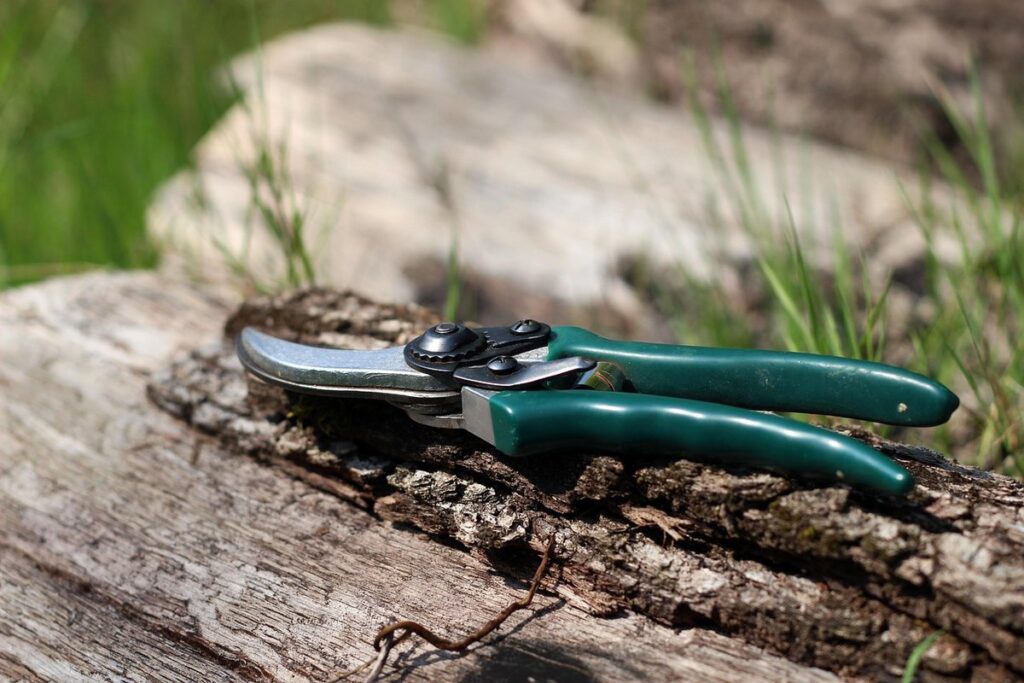
When it comes to pruning an orchid cactus, having the right tools is crucial for achieving precise cuts and avoiding damage to the plant. As a beginner, it’s essential to invest in a few basic yet high-quality tools that will make the pruning process smoother and more efficient.
Start by choosing a good pair of clippers specifically designed for cacti and succulents. These clippers typically have curved blades that allow you to make clean cuts close to the stem without crushing the plant tissue. Look for clipper brands like Fiskars or Corona, which offer high-quality options suitable for orchid cactus pruning.
In addition to clippers, a sharp knife is also necessary for removing larger segments of stems or roots. Opt for a dedicated cactus and succulent knife with a curved blade that’s designed specifically for making precise cuts in thick plant tissue. Always use a sharp knife to avoid crushing the plant material and promote healthy healing.
Wear protective gloves when handling your orchid cactus, as the spines can be quite sharp and cause discomfort or even injury. Look for gardening gloves with puncture-resistant palms that will give you confidence while working with your plants.
Removing Dead or Damaged Segments
Removing dead or damaged segments is an essential part of orchid cactus pruning. Not only does it maintain the plant’s appearance, but it also helps prevent the spread of disease and encourages healthy growth. To do this safely, start by examining the plant carefully for any areas that have turned brown, yellow, or black.
Use a pair of clean, sharp scissors or clippers to cut off these segments at the base, making sure to disinfect your tools between cuts to avoid transferring bacteria. For more extensive damage, you may need to remove entire segments, but be cautious not to cut too much at once, as this can stress the plant.
When removing damaged areas, also take a moment to inspect the roots for any signs of rot or decay. If you notice any issues, gently remove the affected area and treat the remaining roots with a fungicide solution to prevent further damage. By regularly pruning dead or damaged segments, you’ll be able to keep your orchid cactus looking its best and promote overall health.
Shaping and Trimming
When it comes to shaping and trimming your orchid cactus, timing is everything. Prune your plant during its dormant season, typically from fall to early spring, when new growth is minimal. This allows you to focus on maintaining the desired shape without promoting excessive new growth.
To maintain a symmetrical or compact shape, remove any leggy segments by cutting them back about one-third to half of their length. This will encourage branching and promote a fuller appearance. When trimming, make clean cuts just above a node (where a leaf meets the stem), using a sharp, sterile tool to prevent spreading disease.
For more dramatic reshaping or re-potting, you can remove multiple segments at once. However, do this carefully to avoid stressing the plant excessively. Be mindful of your cactus’s natural growth habits and adapt your pruning strategy accordingly. For example, some species like Epiphyllum may produce sprawling stems that require support rather than cutting back.
Pruning regularly also encourages air circulation around the plant, reducing the risk of root rot and other diseases.
Advanced Pruning Techniques for Experienced Growers
If you’re an experienced grower looking to take your orchid cactus care to the next level, advanced pruning techniques can help promote healthy growth and blooms. We’ll dive into these specialized methods in this section.
Rejuvenating Mature Plants
When it comes to rejuvenating mature orchid cacti, pruning is not just about maintaining their shape, but also about encouraging new growth and revitalizing the plant’s overall health. As your orchid cactus matures, old segments may start to decline, reducing the plant’s vigor and blooming potential. To tackle this issue, advanced growers use a technique called “cutting back” – essentially pruning away older stems to stimulate new growth.
To do this effectively, you’ll need a sharp, sterile knife or pruning tool. Carefully inspect your orchid cactus, identifying which segments are weak or dead. Using the tip of your knife, make a clean cut just above a node (where a segment meets another). Make sure not to remove too much tissue at once – cutting back by about one-third is usually sufficient. This will allow your plant to redirect its energy towards healthy growth.
By rejuvenating your mature orchid cactus in this way, you can expect new segments to sprout within a few weeks, and blooms should return to their former vibrancy.
Propagation through Stem Cuttings
Propagating new orchid cacti from stem cuttings is an excellent way to multiply your favorite varieties or share plants with friends. To get started, you’ll need a healthy mother plant with plenty of stem segments that can be used for propagation.
Choose sections of the stem that have at least two nodes, as these are more likely to root successfully. Cut the section from the mother plant using a sharp, sterile tool, making sure each cut is about 1-2 inches above a node. You’ll also want to use a rooting hormone powder or liquid to help stimulate root growth.
To increase your chances of success, use a well-draining potting mix and a small pot (around 4-6 inches deep). Plant the cutting at an angle, making sure the node is buried in the soil but not covered. Water gently but thoroughly, and provide bright indirect light. Keep the soil consistently moist but not waterlogged, as this can lead to rot.
With proper care, you should start seeing roots develop within 2-3 weeks, followed by new growth and eventually a fully formed new plant.
Encouraging New Growth after Pruning
After you’ve pruned your orchid cactus, it’s essential to provide optimal growing conditions to encourage new growth. This is where patience and attention to detail come into play. Make sure the plant is receiving sufficient light – most orchid cacti require bright, indirect light to produce new flowers and stems.
Maintain a consistent temperature between 65-75°F (18-24°C), which will help promote healthy growth. Watering becomes more critical after pruning as the plant’s energy reserves are depleted. Water sparingly but thoroughly, allowing the soil to dry slightly between waterings.
Provide your orchid cactus with a well-balanced fertilizer once a month during the growing season. This will give the plant the necessary nutrients to produce new growth and strengthen its roots. Repotting may also be necessary after pruning if the plant has outgrown its container or is showing signs of nutrient deficiency. Choose a pot that is slightly larger than the previous one, using a well-draining cactus mix to prevent root rot.
Tips for Specific Orchid Cactus Varieties
When pruning specific orchid cactus varieties, it’s essential to consider their unique growth habits and characteristics to ensure you’re making the right cuts. This section shares tips for popular varieties that require special attention.
Popular Species and Their Pruning Needs
When it comes to pruning orchid cacti, knowing the specific needs of popular varieties can make all the difference. Let’s take a closer look at three well-known species: Epiphyllum, Disocactus, and Pseudorhipsalis.
Epiphyllum orchid cacti are known for their large, showy flowers and segmented stems. For these plants, prune in late winter or early spring to promote new growth and encourage flowering. Remove any damaged or diseased segments, cutting them back about 1-2 inches from the node (where the segment meets the stem). This will help stimulate fresh growth and prevent the spread of disease.
Disocactus orchid cacti have delicate, almost velvety stems that require more gentle pruning. Prune in late spring or early summer to control size and shape. Use sharp, clean tools to cut back segments about 1/3 to 1/2 from the node, leaving a small piece of stem intact.
Pseudorhipsalis orchid cacti have long, thin stems that benefit from regular pruning. Prune in late winter or early spring to maintain shape and promote healthy growth. Cut back damaged or overgrown segments about 2-3 inches from the node, using a sharp, sterile knife or pruning tool.
Remember to always clean your tools between cuts to prevent spreading disease, and disinfect any wounds on the plant to encourage healing.
Adapting to Unique Growing Conditions
Growing orchid cacti under unique conditions requires adapting pruning techniques to ensure optimal health and appearance. For instance, plants grown in high humidity environments may benefit from more frequent pruning to prevent waterlogged tissues, which can be prone to rot. When working with these plants, use a sharp tool and make clean cuts just above a growth node.
In contrast, orchid cacti exposed to extreme temperatures may require adjustments to pruning timing and technique. For example, if your plant is growing in an area with intense sunlight during the summer months, prune more frequently to control its size and prevent burning. Conversely, when plants are exposed to cold or drafty conditions, prune less often to minimize stress.
Some orchid cactus varieties can also be sensitive to temperature fluctuations, so it’s essential to research specific needs for your plant. In general, avoid pruning during periods of extreme weather, such as intense heat or cold snaps. Instead, focus on maintaining the plant’s overall health through regular watering and fertilization practices. This will help it adapt more effectively to its unique environment and respond well to pruning efforts.
Common Pruning-Related Problems and Solutions
Pruning your orchid cactus can sometimes go awry, but don’t worry, we’ve got you covered. We’ll walk through common mistakes to avoid and practical solutions to get you back on track.
Dealing with Rot and Decay
Rot and decay are common issues that can arise when pruning an orchid cactus. One of the most prevalent causes is over-watering, which can lead to root rot. This occurs when excess moisture accumulates around the roots, creating a conducive environment for fungal growth.
To prevent root rot, it’s essential to water your orchid cactus sparingly and only when the soil feels dry to the touch. Make sure the pot has good drainage holes to allow excess water to escape. If you do accidentally over-water, repot the plant in fresh cactus mix as soon as possible.
Another cause of decay is physical damage during pruning. When cutting segments or leaves, make clean cuts using a sharp tool to minimize the risk of infection. For any cut ends, apply a small amount of cactus wound powder to help protect against fungal invasion.
Keep an eye out for signs of rot or decay, such as soft, mushy stems or dark brown spots on leaves. If you notice these symptoms, treat the affected area with a fungicide specifically designed for orchids.
Encouraging Root Growth after Pruning
Encouraging root growth after pruning is crucial for your orchid cactus to recover and thrive. When you prune your orchid cactus, you’re removing not only the old or damaged segments but also a significant portion of its root system. This can cause stress to the plant, making it more susceptible to disease and pests.
To encourage root growth after pruning, provide optimal growing conditions. Make sure your orchid cactus is in a well-ventilated area with bright, indirect light. Maintain a consistent temperature between 60°F to 70°F (15°C to 21°C) and ensure good air circulation around the plant.
Also, focus on providing essential nutrients. Feed your orchid cactus with a balanced, water-soluble fertilizer (20-20-20) once a month during the growing season. You can also use a fertilizer specifically formulated for cacti and succulents, which will provide additional benefits like increased root growth.
Monitor your plant’s watering schedule as well. Roots need time to recover from pruning, so avoid overwatering, which can lead to rot and other issues.
Conclusion: Mastering the Art of Orchid Cactus Pruning
Now that you’ve mastered the basics, it’s time to refine your pruning skills and learn how to expertly trim and shape your orchid cactus for optimal growth.
Recap of Key Takeaways
As you’ve reached the end of this comprehensive guide to orchid cactus pruning, let’s take a moment to recap the key takeaways. By now, you should feel confident in your ability to prune your orchid cactus like a pro.
First and foremost, it’s essential to understand the importance of pruning for your orchid cactus’ overall health and appearance. Regular pruning encourages growth, promotes blooming, and prevents pests and diseases from taking hold. To achieve this balance, start by identifying the right tools for the job – a pair of sharp, sterile scissors or pruning shears.
When it comes to the actual pruning process, remember that less is often more. Remove any dead or dying segments, cutting them back to about an inch above the node where they meet the plant’s stem. Be cautious not to over-prune, as this can shock the plant and lead to a decline in health. By following these simple steps and tips, you’ll be well on your way to mastering the art of orchid cactus pruning.
Remember to review our recommended pruning schedule for optimal growth and blooming results. With practice and patience, you’ll develop a keen eye for spotting when your orchid cactus needs some TLC.
Final Tips and Advice
As you’ve completed this comprehensive guide on orchid cactus pruning, it’s time to reflect on what you’ve learned and how to apply these new skills. Remember that mastering the art of pruning takes patience, practice, and persistence. To further enhance your techniques, here are some final tips and advice:
Always inspect your orchid cactus carefully before each pruning session to assess its health and identify any potential issues. This will enable you to make informed decisions about which stems to remove or reshape. Don’t be afraid to experiment with different pruning styles, as this can help you develop a unique approach that suits the specific needs of your plant.
Make it a habit to disinfect your pruning tools between cuts to prevent the spread of diseases and pests. This simple step can make all the difference in keeping your orchid cactus healthy and thriving. Lastly, don’t neglect to provide your plant with the right environment, including sufficient light, water, and nutrients. With these final tips in mind, you’re now well-equipped to tackle any pruning challenges that come your way.
Frequently Asked Questions
What if I’m unsure whether my orchid cactus needs pruning at all?
Yes, it’s always better to err on the side of caution and consult with a professional or do some research to determine if your plant requires pruning. Factors like age, health, and growth patterns can influence this decision.
Can I prune my orchid cactus during its dormant period, or should I wait until it’s actively growing?
While it may seem counterintuitive, pruning during the dormant period can actually help stimulate new growth when the plant starts to grow again. However, be sure to monitor your plant’s condition closely and only remove damaged or dead segments.
How often should I prune my orchid cactus to achieve optimal results?
The frequency of pruning depends on various factors, including the plant’s age, growth rate, and desired shape. As a general rule, aim for regular maintenance sessions every 4-6 weeks during the growing season, adjusting as needed based on your specific situation.
What if I accidentally cut too much of my orchid cactus while pruning?
If you’ve over-pruned your plant, don’t panic! Start by providing optimal care conditions and monitor its response. If necessary, consider repotting or using propagation techniques to help the plant recover. Keep in mind that some species are more forgiving than others.
How can I prevent my orchid cactus from becoming too leggy after pruning?
To prevent legginess, focus on maintaining a balanced shape by selectively removing weak or spindly segments. You can also encourage bushy growth by pruning in a way that promotes branching and density. Regular fertilization and sufficient light exposure will also help your plant stay healthy and compact.