
Pruning your cherry tree can be a daunting task, especially if you’re new to gardening. But with the right techniques and tools, you can encourage healthy growth, promote blooming flowers, and even increase fruit production. However, pruning mistakes are common, which is why it’s essential to understand the basics of how cherry trees grow. In this article, we’ll break down the fundamentals of pruning your cherry tree, including its growth patterns and what to look out for when pruning. We’ll also cover expert tips on pruning techniques, tools you need, and safety precautions to ensure a successful pruning experience that keeps both you and your tree safe. By following our guide, you can learn how to prune your cherry tree correctly and enjoy the rewards of a thriving garden.
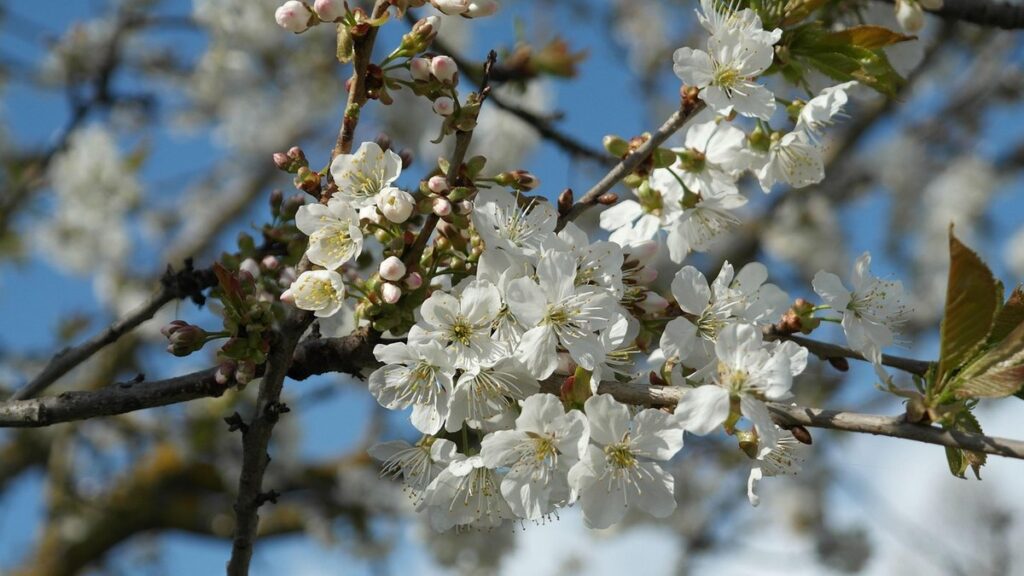
Understanding Cherry Tree Growth and Development
To grow a healthy and productive cherry tree, it’s essential to understand its growth patterns and development stages. Let’s explore how cherry trees develop over time.
The Importance of Regular Pruning
Regular pruning is an essential part of maintaining healthy and productive cherry trees. When done correctly, it can improve tree growth, promote fruiting, and even increase yields. Pruning encourages the tree to focus its energy on producing a robust framework of branches that support a generous canopy.
Pruning also helps control disease and pests by removing infected or damaged wood, reducing the risk of infection spreading throughout the tree. By maintaining an open center, you allow air and sunlight to penetrate more easily, reducing moisture retention in the canopy, which can lead to fungal diseases.
To effectively prune your cherry tree, it’s essential to remove dead, diseased, or damaged branches (DDBs) annually. This will help prevent the spread of disease and encourage healthy growth. Prune weak and crossing branches to promote air circulation and sunlight penetration. When pruning, always follow a ‘three-cut’ rule: make one cut above a lateral branch, one just below the main trunk, and a final ‘clean-up’ cut on the removed branch.
By incorporating regular pruning into your tree maintenance routine, you’ll enjoy healthier, more productive cherry trees that thrive for years to come.
Identifying Pruning Needs Based on Age and Size
Identifying pruning needs based on age and size is crucial for cherry tree growth and development. As a young tree grows, it will require more frequent pruning to establish a strong structure and promote healthy growth. Typically, young trees (less than 3 years old) should be pruned annually to maintain a central leader and remove any weak or damaged branches.
As the tree matures (around 5-10 years), pruning needs shift towards maintaining size and shape. Prune cherry trees regularly during their dormant season to control height, encourage fruiting, and promote air circulation. For mature trees, prune only what is necessary – typically one-third of new growth per year – to avoid shocking the tree.
Consider a tree’s overall size when determining pruning needs. Large, established trees may require less frequent pruning but more extensive cuts to maintain their shape. Monitor your cherry tree’s growth patterns and prune accordingly to prevent overgrowth or structural issues.
Pruning Techniques for Cherry Trees
When it comes to maintaining healthy and productive cherry trees, mastering pruning techniques is crucial. In this next section, we’ll dive into the specific methods you need to know.
Choosing the Right Tools for Pruning
When it comes to pruning cherry trees, having the right tools is essential for effective and safe pruning. You’ll want to start with hand pruners, also known as secateurs, which are perfect for making small cuts on branches less than 1 inch in diameter. They’re great for shaping the tree’s canopy and removing any weak or damaged growth.
For thicker branches, you’ll need loppers. These long-handled pruning shears are designed to cut through stems up to 2 inches in diameter. Look for loppers with a sturdy blade and comfortable grip to make pruning easier on your hands and arms.
Finally, for larger branches or tree removal, you’ll need a saw. A good quality pruning saw is essential for making clean cuts and preventing damage to the surrounding bark. Use a curved saw for thicker branches, as it allows for smoother cuts and less pressure on the blade.
When choosing your tools, consider the size of your cherry tree and the type of pruning you’ll be doing. It’s also important to keep your tools sharp and well-maintained to ensure clean cuts and prevent damage to your tree.
Basic Pruning Cuts: Cutting Out Deadwood and Water Sprouts
When pruning dead branches and water sprouts from cherry trees, it’s essential to make proper cutting motions to ensure a smooth cut and minimize damage to the tree. To do this, hold your pruning tool at a 45-degree angle, with the blade facing the direction you want the branch to grow. This will help prevent tearing the bark and reduce the risk of disease or pests entering the wound.
For dead branches, look for signs such as dry, brittle wood or leaves that have turned yellow or brown. Cut these branches off at a 1/4 inch above a bud or a lateral branch, using a smooth, gentle motion. Make sure to cut on the outside of the branch collar (the raised area where the branch meets the trunk) to promote healthy healing.
Water sprouts, which grow from the base of the tree, should be removed entirely. Cut them off at ground level, just above a lateral root or bud. This will help redirect the tree’s energy towards growing new shoots and fruit. Remember to disinfect your pruning tool between cuts to prevent the spread of disease.
Thinning and Shaping: Techniques for Maintaining Tree Structure
Thinning and shaping are essential techniques for maintaining the structure of your cherry tree. This process involves selectively removing branches to allow more sunlight to penetrate the canopy, balance the tree’s growth, and maintain its desired shape.
When thinning, focus on removing no more than 10-20% of the tree’s branches in a single pruning session. This will help prevent shocking the tree and promote healthy regrowth. Identify branches that are crossing or rubbing against each other, as well as those growing inward toward the trunk, which can lead to damage and disease.
To balance the tree’s structure, look for branches that are unevenly spaced or growing at an unusual angle. Prune these branches back to a lateral bud or a main stem, making clean cuts just above a growth node. This will encourage new growth and help maintain a balanced canopy.
Remember to prune cherry trees during their dormant season (winter or early spring) to minimize the risk of disease and pest issues. Regular thinning and shaping will not only promote healthy growth but also ensure your cherry tree remains visually appealing throughout the seasons.
Pruning at Different Times of Year
When pruning a cherry tree, timing is everything. Let’s dive into how to prune your cherry tree throughout the year for optimal health and fruit production.
Spring Pruning: Removing Deadwood and Encouraging Growth
As spring arrives, it’s essential to focus on pruning cherry trees to promote healthy growth and maximize their potential. One of the most critical aspects of spring pruning is removing deadwood – branches that are diseased, damaged, or dying. This not only enhances the tree’s appearance but also reduces the risk of disease spreading and protects nearby plants from potential damage.
When identifying deadwood, look for signs like cracks in the bark, brittleness, or an unusual coloration. Remove any sections entirely, cutting just outside a growth node to prevent further decay. Next, address any crossing or rubbing branches that may be competing for sunlight and nutrients. Make clean cuts at a 45-degree angle, about 1/4 inch above a bud, using sharp, sterile pruning tools.
By removing deadwood and addressing structural issues in the spring, you’re allowing your cherry tree to channel energy into producing new growth – more flowers, fruit, or foliage. This also sets the stage for optimal flowering and fruiting come summer.
Summer Pruning: Maintaining Shape and Reducing Stress
Summer is an excellent time to prune cherry trees, as it allows you to maintain their shape and reduce stress caused by extreme weather conditions. When temperatures are consistently above 65°F (18°C), the tree’s growth slows down, making it easier to work with. Prune any branches that are crossing over other branches or rubbing against each other, as this can cause damage and create entry points for pests and diseases.
To maintain your cherry tree’s shape, remove any weak or spindly growth that’s not producing fruit. Cut these branches back to about 6-8 inches from the trunk, making sure to make a clean cut just above a bud eye. This will encourage new growth and help the tree redirect its energy towards healthy development.
It’s also essential to check for any signs of disease or pests, such as powdery mildew, black knot, or aphids. Remove any infected branches, and consider using organic or integrated pest management methods to control infestations. By pruning your cherry tree regularly, you’ll not only maintain its structure but also promote healthy growth and fruit production for years to come.
Safety Precautions When Pruning Cherry Trees
When pruning cherry trees, it’s essential to take necessary safety precautions to avoid accidents and injuries. This includes wearing protective gear and being mindful of your surroundings.
Personal Protective Equipment (PPE) and Safety Gear
When working with cherry trees, it’s essential to prioritize your safety by wearing the right Personal Protective Equipment (PPE) and using necessary safety gear. One of the most crucial items is a pair of gloves, which will protect your hands from thorns, splinters, and sap. Look for gloves made from durable materials like leather or synthetic fabrics that are specifically designed for gardening tasks.
Eye protection is another must-have when pruning cherry trees. Wear safety glasses or goggles to shield your eyes from flying debris, branches, and sap. Make sure they have a sturdy frame and good UV protection. A harness can also be useful, especially if you’re working at heights. This will help prevent falls and provide support for long periods of climbing.
It’s also important to wear durable, closed-toe shoes or boots with good traction to prevent slipping on wet branches or soil. Finally, consider wearing a dust mask or respirator when pruning cherry trees, as the sap can be irritating to your lungs.
Climbing and Aerial Lifts: Choosing the Right Equipment
When working with tall cherry trees, accessing branches safely can be a challenge. This is where climbing equipment and aerial lifts come into play. These tools provide a secure way to prune higher branches without the risk of falls.
Aerial lifts, such as boom lifts or scissor lifts, are ideal for high-reach pruning jobs. They allow you to extend your reach and maneuverability while maintaining stability on the ground. For instance, when pruning a cherry tree with a 20-foot canopy, an aerial lift can help you access branches that would be difficult to reach otherwise.
When choosing an aerial lift or climbing equipment, consider the following factors:
* Height capacity: Ensure the equipment can safely support your weight and reach the desired height.
* Stability: Opt for a machine with a wide base for improved stability on uneven terrain.
* Accessibility features: Look for features like adjustable platforms and comfortable operator stations to minimize fatigue.
By selecting the right climbing equipment or aerial lift, you’ll be able to prune cherry trees efficiently and safely, even in hard-to-reach areas.
Tips for Effective Pruning Results
To achieve optimal results, it’s essential to prune your cherry tree at the right time and with the proper techniques. This section will cover valuable tips to help you get pruning like a pro!
Common Mistakes to Avoid When Pruning Cherry Trees
When pruning cherry trees, it’s essential to avoid common mistakes that can harm the tree. Over-pruning is one such mistake, as it can lead to stress, disease susceptibility, and even death. Prune only what’s necessary, cutting branches at a 45-degree angle just above a bud or lateral branch. Improper cutting techniques, like leaving stubs or making too-long cuts, can also cause damage.
Another common error is pruning at the wrong time. Cherry trees typically require pruning in late winter or early spring, before new growth begins. Pruning during active growth can stimulate new shoots, which may not have enough time to harden off before frost sets in. It’s also crucial to avoid topping cherry trees, as this can lead to water sprouting and reduce fruiting potential.
To prune effectively, inspect the tree carefully, removing any dead, diseased, or damaged branches. Cut just outside a bud or lateral branch, about 1/4 inch from the trunk. If you’re unsure, it’s always best to consult a local arborist or gardening expert for guidance.
Measuring Progress: Evaluating the Effectiveness of Your Pruning Efforts
Measuring progress is crucial to ensure that your pruning efforts are effective. To evaluate the success of your pruning session, observe your cherry tree’s growth and health over time. Look for signs of new growth, such as increased leaf density or the emergence of new flowers and fruits.
Regularly inspect your tree for any dead or diseased branches, which can hinder its overall health. Keep a record of your pruning activities to track the changes in your tree’s structure and appearance. This will help you identify areas where adjustments are needed for future pruning sessions.
Consider taking before-and-after photos to visually assess the impact of your pruning efforts. This will also serve as a reference point for comparing subsequent pruning sessions. It’s essential to be patient, as noticeable improvements may take time to develop.
Conclusion: Benefits and Rewards of Pruning Cherry Trees
Pruning cherry trees can be a daunting task for many gardeners, but the benefits and rewards far outweigh the effort. Regular pruning not only promotes healthy growth and fruit production, but it also helps maintain the tree’s shape and structure. By removing dead, diseased, or damaged branches, you’re essentially giving your tree a “makeover” that will improve its overall appearance and longevity.
In addition to enhancing the tree’s aesthetic appeal, proper pruning techniques can also lead to increased yields of delicious fruit. Cherry trees produce more flowers and subsequently more fruit when pruned correctly. So, take the time to learn the proper pruning techniques and reap the rewards – you won’t regret it!
Frequently Asked Questions
Can I prune my cherry tree during any time of year, or are there specific seasons when it’s best to do so?
Yes, the ideal pruning season for cherry trees varies depending on your location and climate. Generally, spring (late February to early April) is considered the best time for major pruning, as this allows new growth to occur before summer. However, in areas with mild winters or hot summers, summer pruning may be necessary to maintain shape and reduce stress.
How do I determine if my cherry tree needs a lot of pruning, or just minor adjustments?
When assessing your tree’s pruning needs, consider factors like age (young trees require more pruning), size (large trees may need less), and disease/pest presence. Inspect the tree for deadwood, water sprouts, and crossing branches, which can cause damage and reduce yields.
What should I do if I accidentally cut a healthy branch while pruning my cherry tree?
If you mistakenly cut a healthy branch, don’t panic! While it’s ideal to avoid cutting into living tissue, not all hope is lost. You can try to reattach the severed section using wire or twine, ensuring the area is clean and dry before doing so.
How often should I prune my cherry tree after its initial pruning?
Regular pruning is essential for maintaining healthy growth and productivity. Aim to prune your cherry tree annually, focusing on specific tasks like deadwood removal (spring), shaping and thinning (summer), and reducing winter damage (autumn).
Can I use power tools or machinery for pruning my large cherry tree, or is it best to do it manually?
While power tools can be efficient for larger trees, they may not provide the precision needed for detailed cuts. For more extensive pruning or when working with particularly delicate branches, consider using loppers or hand saws instead of power equipment to avoid damage and ensure a clean cut.