
Pruning lavender is often overlooked, but it plays a crucial role in promoting healthy growth and vibrant blooms. By cutting back your lavender plants at the right time, you can encourage new growth, boost yields, and keep them looking their best. If you’re wondering how to prune lavender like a pro, you’re not alone! In this article, we’ll dive into the when, why, and how of pruning lavender for optimal growth and health in your garden. We’ll cover expert tips on pruning techniques, timing, and care, so you can get the most out of your beautiful purple blooms. Whether you’re a seasoned gardener or just starting out, this guide is designed to help you master the art of pruning lavender and enjoy a thriving, stunning display all season long.
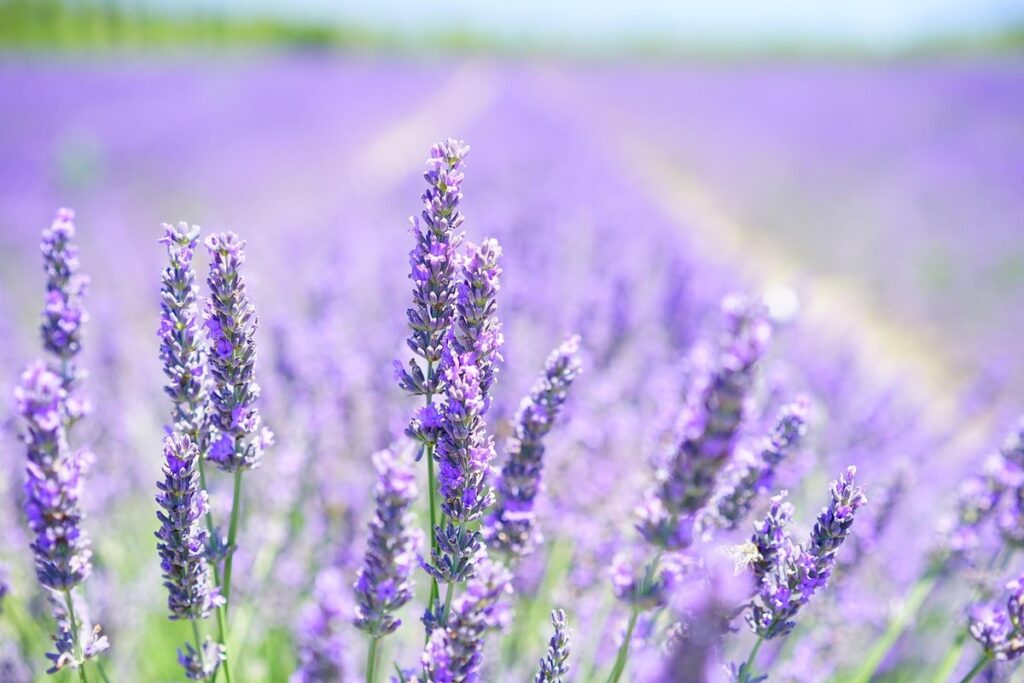
Why Prune Lavender
So, why do you need to prune lavender at all? This section will explain the importance of pruning and how it directly impacts your plant’s ability to thrive.
Understanding the Importance of Pruning
Pruning lavender is an essential process that plays a vital role in promoting new growth, improving plant health, and increasing yields. When left unpruned, lavender plants can become leggy and woody, which can lead to reduced flower production and an overall decline in the plant’s vigor.
Regular pruning helps to maintain the plant’s shape, encourages bushy growth, and stimulates the production of new flowers. By removing dead or damaged stems, you’re allowing the plant to focus its energy on producing healthy new growth. This not only enhances the plant’s appearance but also promotes a more robust and resilient lavender shrub.
Furthermore, pruning helps to control the spread of diseases and pests that can affect lavender plants. By regularly inspecting and removing any infected or infested stems, you’re reducing the risk of these issues spreading throughout the plant. With regular pruning, you’ll be able to enjoy a bountiful harvest of fragrant flowers and a healthy, thriving lavender plant for years to come.
By incorporating pruning into your lavender care routine, you’ll not only improve the overall health of your plants but also encourage them to produce an abundance of beautiful blooms.
Identifying the Best Time to Prune
When it comes to pruning lavender, timing is everything. The optimal time for pruning depends on several factors, including your climate, region, and the season. In general, the best time to prune lavender is during its dormant season, which varies depending on where you live.
In cooler climates with mild winters, such as in the UK or Northern Europe, the best time to prune is usually late winter to early spring (February to March). This allows new growth to emerge before the heat of summer. In warmer climates like those found in Southern Europe or California, pruning can be done in late spring after the blooming period has ended (May to June).
Consider your specific region’s climate and season when deciding on the best time for pruning. For example, if you live in an area with very hot summers, it’s essential to prune in a way that promotes new growth during the cooler months.
If you’re unsure about the optimal pruning time for your area, start by observing your lavender plants’ natural growth patterns and adjust accordingly. Pruning at the right time will encourage healthy growth, promote blooming, and give you a bountiful harvest of fragrant flowers.
Preparing Your Lavender Plant for Pruning
Before you start pruning your lavender, it’s essential to prepare your plant by clearing any debris and ensuring its overall health is good. This step sets the foundation for a successful pruning process.
Inspecting the Plant
When inspecting your lavender plant, it’s essential to look for signs of disease, pests, or areas that require pruning. Start by walking around the plant and examining its overall shape and structure. Look for any dead, diseased, or damaged stems, which can be a sign of fungal diseases like powdery mildew or root rot.
Check for pests such as aphids, whiteflies, or spider mites, which can cause damage to the leaves and stems. Inspect the plant’s roots by gently digging around the base, looking for any signs of rot or disease. Also, examine the soil moisture levels, making sure it’s not too wet or dry.
When inspecting the foliage, look for yellowing or browning leaves, which can be a sign of overwatering or underwatering. Check for any signs of nutrient deficiencies, such as pale or discolored leaves. By carefully examining your plant, you’ll be able to identify areas that need pruning and take corrective action before it affects the rest of the plant.
As you inspect, take note of any weak or spindly growth, which can benefit from thinning out to promote air circulation and healthy new growth.
Sharpening Tools and Gathering Equipment
To begin pruning your lavender plant effectively, it’s essential to have the right tools and equipment on hand. This will not only make the process easier but also help prevent any potential damage to the plant.
For pruning lavender, you’ll need a few basic tools, including high-quality pruners or clippers specifically designed for cutting flowers and foliage. Look for ones with sharp blades that can handle thicker stems if necessary. Loppers are also useful for tackling thicker branches or those that are harder to reach.
Don’t forget personal protective gear such as gardening gloves to protect your hands from thorns and dirt, as well as safety glasses to shield your eyes from debris. Additionally, a garden kneeler or knee pads can provide comfort during the pruning process by reducing strain on your knees.
Before you start cutting, make sure your tools are clean and sanitized to prevent any potential spread of disease. Finally, keep a trash bag nearby for disposing of any clippings and debris to maintain a tidy workspace.
Techniques for Pruning Lavender
Now that you know why pruning lavender is essential, let’s dive into some practical techniques to help you encourage new growth and keep your lavender plants thriving. From deadheading to selective thinning, we’ll cover it all.
Removing Dead Wood
When pruning lavender, it’s essential to remove dead, diseased, or damaged branches to maintain the plant’s health and promote new growth. This process is often referred to as “removing dead wood.” Start by inspecting your lavender plant carefully, looking for any branches that are completely brown or brittle, or those that have visible signs of disease such as black spots or powdery mildew.
To remove these branches, use a pair of clean and sharp pruning shears. Cut the branch at a 45-degree angle, about one-quarter inch above a growth node. This will help prevent water from collecting on the cut end and reduce the risk of further decay. It’s also essential to disinfect your pruning tools between cuts to prevent the spread of disease.
Be sure to remove any branches that are rubbing against each other or those that are growing inwards, as these can cause damage to the plant and inhibit new growth. By removing dead wood regularly, you’ll be able to maintain a healthy lavender plant that produces plenty of new stems and flowers throughout the season.
Cutting Back Old Stems
When it comes to pruning lavender, cutting back old stems is an essential technique for encouraging new stem production and increasing yields. This process involves removing older, woody stems that have completed their flowering cycle to make way for new growth.
To do this effectively, start by identifying the oldest and most woody stems in your lavender plant. These are typically the ones at the base of the plant or those that have finished flowering. Use a sharp pair of pruning shears to cut these stems back to about one-third from the ground. This will help direct the plant’s energy towards producing new growth, rather than supporting old, woody stems.
By removing old stems, you’ll also help improve air circulation and reduce the risk of disease. Plus, this process will promote a more compact and bushy shape in your lavender plant. Simply cut back to about one-third from the ground, making sure to make clean cuts just above a leaf node. This will encourage new growth to emerge from those nodes, leading to a more abundant harvest of fragrant blooms come springtime.
Pinching Off Tips
When pruning lavender, pinching off tips is an essential technique to control stem length, encourage branching, and prevent over-growth. By removing the terminal bud at the end of each stem, you’re signaling to the plant that it needs to focus its energy on producing new growth rather than continuing to grow taller.
This simple yet effective technique has several benefits for your lavender plants. For one, pinching off tips helps control stem length, which is particularly important if you’re growing compact varieties or want to maintain a certain shape in your garden bed. By limiting the height of each stem, you’ll also encourage branching, resulting in a fuller and more lush plant.
In addition, pinching off tips prevents over-growth by directing the plant’s energy towards producing more stems rather than elongating existing ones. This is especially important for older plants that may be prone to legginess or become too woody with age. By regularly pinching off tips, you’ll promote healthy and balanced growth, ensuring your lavender plants continue to thrive and produce an abundance of fragrant flowers year after year.
Pruning for Specific Lavender Varieties
When pruning lavender, it’s essential to consider the unique characteristics of each variety, as some require more delicate care than others. This section will focus on pruning techniques specific to popular lavender varieties.
English vs. French vs. Spanish Lavender
When it comes to pruning lavender for new growth, not all varieties are created equal. Different types of lavender have unique needs and characteristics that require specific pruning techniques to encourage healthy growth and blooming.
English lavender, with its compact growth habit and delicate foliage, requires a more gentle approach. Prune English lavender back by about one-third in the spring, removing any dead or damaged stems. This will help maintain its shape and promote new growth. Be careful not to cut too much of the plant back, as this can lead to a decrease in blooming.
French lavender, on the other hand, is more robust and can be pruned more aggressively. Prune it back by about half in the spring, removing any weak or spindly growth. This will help control its size and encourage new stems to grow from the base of the plant.
Spanish lavender is a bit of an outlier, as it has a tendency to become leggy over time. To combat this, prune it back by about one-third in the spring, removing any dead or damaged stems. However, be sure to cut just above a node (where a leaf meets the stem) to encourage new growth.
By pruning your lavender according to its specific needs, you’ll be rewarded with a bountiful harvest of fragrant blooms and healthy, thriving plants.
Other Lavender Species
While English lavender (Lavandula angustifolia) and French lavender (Lavandula stoechas) are the most popular varieties for pruning, there are several other lavender species that require specific attention. For instance, Portuguese lavender (Lavandula multifida) has a more delicate appearance and requires regular pinching to encourage bushy growth.
When pruning Portuguese lavender, focus on removing no more than one-third of the plant’s height each year. This will help maintain its compact shape and promote new stem growth. To achieve this, gently pinch off the top sets of leaves with your fingers or use a pair of clean scissors to snip them off at an angle.
Other species like Lavandula dentata (toothed lavender) and Lavandula latifolia (spike lavender) also benefit from regular pruning to maintain their shape and promote new growth. For these varieties, prune in late winter or early spring, removing any dead or damaged stems. This will help redirect the plant’s energy towards producing healthy new flowers and foliage.
Post-Pruning Care
Now that you’ve pruned your lavender, it’s time to focus on post-pruning care to ensure your plant recovers quickly and grows even stronger. Proper care is crucial during this vulnerable period.
Watering and Mulching
Proper watering and mulching are crucial steps in post-pruning care for lavender. After pruning, your lavender plant is more vulnerable to moisture stress, which can lead to root damage and weaken its ability to produce new growth. To prevent this, make sure to water your lavender thoroughly after pruning, taking care not to overwater. A general rule of thumb is to provide about 1-2 inches of water per week, either through rainfall or irrigation.
Mulching around the base of your lavender plant is also essential for retaining moisture and regulating soil temperature. Organic mulch materials such as bark chips, straw, or even gravel can help suppress weeds that compete with lavender for water and nutrients. Apply a 2-3 inch layer of mulch, keeping it a few inches away from the plant’s stem to prevent rot. Replenish the mulch layer annually to maintain its effectiveness.
By prioritizing proper watering and mulching after pruning, you’ll create an ideal environment for your lavender to thrive and promote healthy root growth. This will set the stage for a bountiful harvest of fragrant flowers come summer.
Monitoring for Pests or Diseases
After pruning your lavender plant, it’s essential to keep an eye out for signs of pests or diseases that can compromise its health and productivity. Regular monitoring will help you catch issues early on, making it easier to prevent their spread and treat them effectively.
Start by inspecting your plant regularly, especially after rainfall or watering. Look for signs of pests like aphids, whiteflies, or spider mites on the leaves and stems. Check for tiny eggs, webs, or sticky honeydew droplets that can indicate an infestation. If you notice any of these issues, isolate the affected area to prevent the problem from spreading.
Diseases like root rot, leaf spot, or powdery mildew can also affect your lavender plant. Watch for yellowing leaves, black spots, or a white, powdery coating on the foliage. To prevent diseases, maintain good air circulation around your plants and ensure they receive adequate sunlight.
If you do detect any issues, treat them promptly with organic pest control methods like neem oil or insecticidal soap. For diseases, use fungicides specifically designed for lavender plants, following the product’s instructions carefully. By staying vigilant and taking prompt action, you can prevent pests and diseases from compromising your lavender plant’s growth and harvest.
Conclusion and Final Tips
Now that you’ve mastered pruning lavender for new growth, it’s time to put your newfound skills into practice and enjoy a bountiful harvest. Here are some final tips to keep in mind.
Recapitulating Key Takeaways
As we conclude our discussion on pruning lavender for new growth, let’s recap the key takeaways to ensure you’re equipped with the knowledge to coax a bountiful harvest from your plants.
First and foremost, it’s essential to prune at the right time – in late winter or early spring, before new growth begins. This allows you to remove dead or damaged wood and shape the plant for optimal growth.
Secondly, prune your lavender wisely: cut back one-third of the oldest stems to about 6-8 inches from the ground, removing any weak or spindly growth. This encourages a strong, bushy habit and promotes new stem development.
To further stimulate growth, be sure to remove any flower stalks after blooming – this redirects energy towards foliage production. Also, consider thinning out the plant to allow for better air circulation and sunlight penetration.
By following these simple yet effective pruning tips, you’ll set your lavender up for a season of vibrant growth and abundance.
Additional Resources and Considerations
If you’re looking to dive deeper into pruning lavender techniques or have specific questions, there are several resources available that can provide valuable insights. The “Pruning and Training Lavender” chapter in Graham Potter’s book “The New Organic Grower: A Master’s Manual of Tools and Techniques for the Home and Market Gardener” offers a comprehensive guide to pruning lavender for new growth.
For online tutorials, the Royal Horticultural Society (RHS) website features an informative video on pruning lavender, covering essential techniques such as removing old flower stalks and shaping the plant. Additionally, the RHS’s article “How to Prune Lavender” provides detailed guidance on pruning methods at different stages of a lavender plant’s growth cycle.
When considering how to prune your lavender plants, it’s also essential to note that regular maintenance can help prevent pest and disease issues.
Frequently Asked Questions
Can I prune lavender at any time, or are there specific seasons for pruning?
Pruning can be done at different times depending on your location and the specific needs of your plant. Generally, it’s best to prune immediately after blooming to promote new growth and encourage more flowers in the next season. However, if you live in an area with hot summers, consider pruning during the cooler months (fall or early spring) to minimize stress on the plant.
How often should I water my lavender plant after pruning?
After pruning, your lavender plant will need adequate moisture to recover from the stress of cutting back its stems. Water it regularly until new growth appears, usually within 1-2 weeks. Once established, reduce watering to once a week during dry spells and avoid overwatering, which can lead to root rot.
I’ve heard that pruning can help prevent pests like aphids and whiteflies. Is this true?
Yes! Pruning your lavender plant regularly helps keep it healthy and less attractive to pests like aphids and whiteflies. By removing dead or damaged stems, you’re reducing the areas where these pests tend to congregate. Additionally, good hygiene practices, such as cleaning your pruning tools between cuts, can further prevent the spread of pests.
Can I use loppers or hedge clippers to prune my lavender plant?
While loppers and hedge clippers can be used for pruning larger branches on other plants, it’s best to use hand pruners or sharp secateurs for lavender. This is because the stems are often delicate and can easily be damaged by using heavy-duty equipment.
How do I know if my lavender plant needs more pruning than usual?
If your lavender plant appears leggy, woody, or has a sparse habit, it may need more frequent pruning to promote bushy growth and encourage new flowers. Look for signs of overgrowth or decline in the plant’s overall appearance, and adjust your pruning schedule accordingly.