
Are you looking for a secret to making your jasmine plant bloom more beautifully? Or perhaps you want to keep its growth in check, ensuring it stays healthy and thriving all year round? Pruning is an essential part of caring for this fragrant flowering plant. But when is the right time to prune jasmine? The answer isn’t as simple as it seems. Timing plays a crucial role in promoting blooming and maintaining its stunning beauty. In this article, we’ll delve into the best techniques and timing for pruning your jasmine plant, so you can enjoy its sweet fragrance and lovely blooms all season long.
Understanding Jasmine Growth and Development
Jasmine growth and development are crucial factors to consider when deciding when to prune your plant, as they impact flowering and overall health. Let’s dive into how jasmine grows and develops over time.
Seasonal Patterns of Growth
Jasmine growth and development are significantly influenced by seasonal patterns. During spring, jasmine plants experience an uptick in growth due to the increasing temperatures and sunlight hours. This period is ideal for pruning as it encourages new growth and allows the plant to establish a robust root system.
Summer months bring high temperatures and humidity levels that can be detrimental to jasmine if not managed properly. Pruning during this time may cause stress to the plant, leading to potential fungal diseases and pest infestations. Instead, focus on maintaining regular watering schedules and providing adequate air circulation around the plant.
Autumn is another season where pruning can be beneficial for jasmine. The cooler temperatures and reduced humidity levels make it an ideal period for shaping and renovating the plant’s structure. Prune your jasmine in late autumn to promote healthy growth during the upcoming winter months.
In winter, prune only damaged or dead sections of the plant to prevent further damage from frost and cold temperatures. This will help maintain the overall health and appearance of your jasmine throughout the off-season.
Identifying Pruning Needs Based on Plant Age
As jasmine plants mature, their pruning needs change significantly. Young jasmine plants require more frequent pruning to establish a strong foundation and encourage bushy growth. However, as the plant reaches maturity (typically within 2-3 years), it becomes less demanding.
One of the key signs that indicate when a jasmine needs pruning is its shape. Mature plants can become overgrown and leggy, with long stems that need to be trimmed back to maintain their appearance. Inspect your plant regularly for any branches that are crossing or rubbing against each other, as these will need to be removed to prevent damage.
If you notice that your jasmine is not producing flowers as abundantly as it used to, pruning may also be necessary. Prune the oldest stems first, cutting them back by about one-third to promote new growth and encourage flowering. Keep in mind that jasmine plants typically require less frequent pruning after they reach maturity, but occasional maintenance will still be necessary to keep them looking their best.
When pruning mature jasmine, focus on maintaining its shape and promoting healthy growth rather than drastically cutting it back. This will help prevent shock and ensure the plant continues to thrive.
Reasons for Pruning Jasmine
You’ll want to prune your jasmine plant for several important reasons, including maintaining its shape and promoting healthy growth. Proper pruning techniques can also increase blooming potential.
Promoting Healthy Growth and Development
Pruning jasmine not only enhances its aesthetic appeal but also promotes healthy growth and development. One of the primary benefits of pruning is improving air circulation within the plant. When branches are removed, they create space for fresh air to circulate, which helps prevent diseases like powdery mildew that thrive in humid environments.
Regular pruning also allows you to remove diseased or damaged branches, preventing the spread of infections and maintaining the overall health of the plant. This is particularly important for jasmine varieties prone to pests and diseases, such as Phyllosticta leaf spot. By removing affected areas, you can prevent further damage and promote new growth.
Maintaining your jasmine’s shape through pruning also encourages bushy growth, which leads to a more robust and fragrant bloom. Prune back overgrown sections to encourage branching and promote even growth throughout the plant. This simple yet effective technique will help keep your jasmine healthy, thriving, and looking its best throughout the growing season.
Enhancing Aesthetics and Fragrance
Pruning jasmine is not just about maintaining its health and growth; it also plays a significant role in enhancing its aesthetics and fragrance. One of the primary benefits of pruning jasmine is that it helps to reduce legginess, promoting a more balanced and compact shape. By removing long, leggy stems, you encourage the plant to produce more blooms and maintain a fuller appearance.
Regular pruning also encourages blooming by stimulating the plant to produce new growth, which in turn triggers flower production. This means that your jasmine will bloom more profusely throughout the year, creating a stunning display of fragrant flowers. To maximize blooming potential, prune your jasmine after its main flowering season has ended, typically in late summer or early fall.
In addition to promoting blooming, pruning also enhances the fragrance of jasmine by removing weak and dead wood that can detract from the plant’s overall scent. By maintaining a healthy and compact shape, you allow the plant to focus energy on producing more flowers and intense fragrance.
Timing Pruning for Optimal Results
Pruning at the right time is crucial for jasmine’s growth, so let’s dive into the specifics of timing pruning to ensure optimal results and prevent damage. This will help you avoid common mistakes.
Spring Pruning: Post-Winter Care
Spring is a perfect time to prune jasmine, as it allows you to address any damage caused by winter weather. As temperatures rise, new growth begins to emerge, making it an ideal moment to inspect and trim back branches that may have suffered during the colder months.
When examining your jasmine plants in spring, look for dead or damaged branches, which can be removed using pruning shears or loppers. This not only improves the plant’s appearance but also promotes healthy growth by redirecting energy away from dying areas. Cut back any weak or spindly growth to about one-third of its original length to encourage bushy development.
By removing deadwood and encouraging new growth, you’ll create an environment conducive to blooming. Pruning in spring also allows for better air circulation, reducing the risk of disease and pests. Take advantage of this opportunity to give your jasmine a refreshed look and set it up for a vibrant display of blooms in the upcoming growing season. Be sure to clean your pruning tools regularly to prevent the spread of diseases.
Summer Pruning: Managing Shape and Size
Summer pruning is an essential maintenance task for jasmine plants, especially during their active growth phase. By pruning in the summer, you can control the shape and size of your plant, promoting a more compact and balanced appearance.
One of the primary benefits of summer pruning is reducing legginess. As jasmine grows, it tends to produce long, weak stems that can stretch upwards towards the sky. This not only makes the plant look unkempt but also reduces its flowering potential. By pruning these leggy stems during the summer, you can encourage more lateral growth and a fuller appearance.
To manage size, focus on pruning new shoots and tips rather than cutting back established wood. Cut back around one-third of the new growth to control the size of your plant without compromising its overall health. This technique also helps redirect energy towards producing more flowers.
For best results, prune jasmine in late spring or early summer when the plant is actively growing. Use sharp, clean pruning tools and make cuts just above a node, about 1/4 inch from the base.
Tools and Techniques for Effective Pruning
To prune jasmine effectively, you’ll need the right tools and techniques up your sleeve. Let’s dive into the essentials to get your pruning game on track.
Choosing the Right Pruning Tools
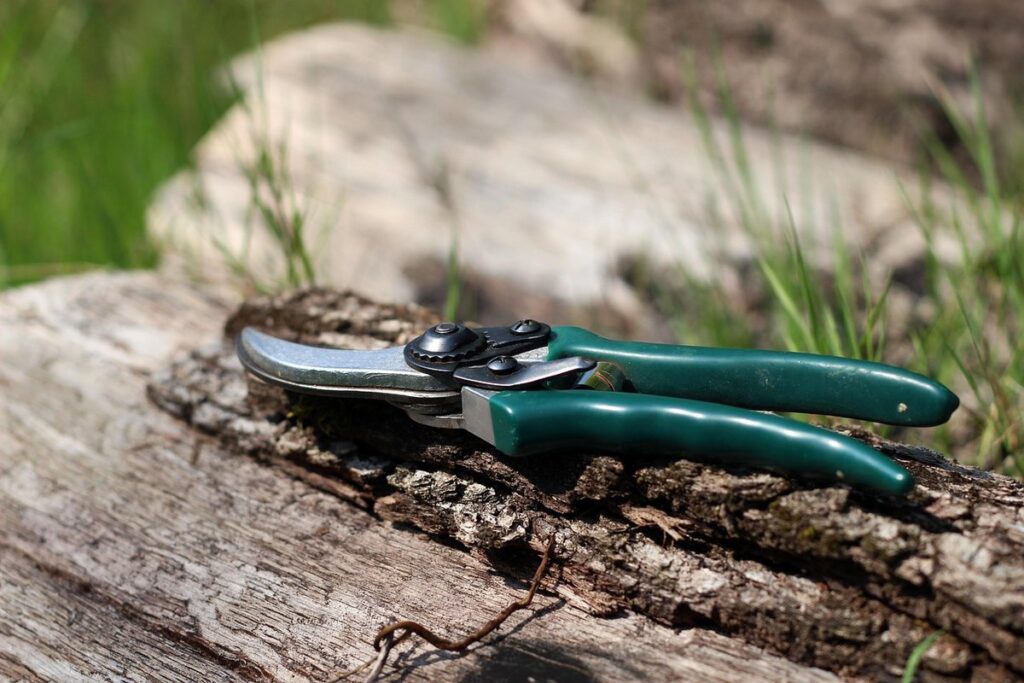
Pruning jasmine requires the right tools to ensure a clean and efficient cut. Before you begin, make sure you have the following essentials: loppers, pruning saws, and gloves. Loppers are perfect for cutting thicker stems up to 2-3 inches in diameter. Choose bypass loppers over anvil-style as they cause less damage to the plant.
A pruning saw is ideal for more significant cuts or when dealing with branches that are too hard for loppers to handle. Select a curved-blade saw, which allows for easier access and reduced strain on your wrist. Always wear gloves while pruning to protect yourself from thorns and dirt.
When selecting pruning tools, consider the size of your jasmine plant and the specific tasks you need to perform. A good pair of loppers should be able to cut through 1-2 inch branches with minimal effort. If you’re new to pruning, it’s also a good idea to practice on a small section of the plant before tackling more substantial areas.
Basic Pruning Techniques: Cutting and Shaping
Pruning is an essential part of maintaining healthy and beautiful jasmine plants. When it comes to cutting and shaping, a few basic techniques will help you achieve the desired look for your blooms. To begin with, make sure your pruning tools are sharp and clean. Dull blades can tear the bark, leading to disease or pest issues.
For cutting techniques, use a combination of diagonal cuts to remove unwanted growth, promote new flower buds, and maintain the plant’s shape. Hold the tool at a 45-degree angle, with the blade facing the stem, and cut about one-quarter inch above a bud eye (the small swelling on a stem where a leaf meets). Apply gentle pressure, allowing the tool to do the work.
When shaping your jasmine, focus on thinning out stems to allow for better air circulation. This will also encourage new growth and blooms. Use loppers or pruning shears to cut back select branches, removing any dead, diseased, or damaged sections. Make clean cuts just above a bud eye, leaving enough stem length to support the weight of new growth.
Clean up by removing any debris or clippings. This will prevent the spread of disease and encourage healthy growth for your jasmine plants. With regular pruning, you’ll enjoy a robust and fragrant bloom display throughout the growing season.
Common Mistakes to Avoid When Pruning Jasmine
When pruning jasmine, it’s easy to make mistakes that can damage your plant and hinder its growth. Let’s explore some of the most common errors to avoid when pruning your beautiful bloomers.
Over-Pruning: The Risks and Consequences
Over-pruning can be detrimental to jasmine plants, and it’s essential to recognize the risks involved. When you over-prune your jasmine, you’re essentially cutting away too much of the plant’s growth, which can severely impact its ability to produce flowers. Jasmine relies on old wood to produce blooms, so excessive pruning can reduce or even eliminate flower production altogether.
Moreover, over-pruning can make the plant more susceptible to disease. When a significant portion of the foliage is removed, the plant becomes vulnerable to pests and diseases that can take hold in the remaining wounds. This can lead to further complications and potentially harm the entire plant.
To avoid this mistake, it’s crucial to prune your jasmine judiciously. Prune only what’s necessary – remove dead or damaged growth, shape the plant as needed, and promote healthy new growth. Use clean, sharp tools to minimize damage to the plant, and make cuts at a 45-degree angle just above a bud eye. This will help prevent disease entry points and encourage the plant to focus its energy on producing flowers rather than regrowing damaged tissue.
Under-Pruning: Missing Opportunities for Improvement
Under-pruning can be just as detrimental to your jasmine plant’s health as over-pruning. When you don’t prune your jasmine enough, it can lead to a lack of air circulation around the plant. This is because dense foliage prevents air from circulating freely, making your plant more susceptible to disease and pests. As a result, your jasmine may not produce as many flowers as it could be capable of.
In addition to reduced blooming, under-pruning can also cause your plant’s growth to become unbalanced. Jasmine plants need regular pruning to maintain their shape and promote healthy growth. Without sufficient pruning, the tips of the stems will become leggy and weak, making the plant more prone to breakage in the wind.
To avoid these issues, make sure to inspect your jasmine regularly for any dead or damaged branches. Prune these areas back to about 1/4 inch from the node where a leaf meets the stem. This will help maintain air circulation and encourage new growth.
Conclusion and Next Steps
Now that you’ve learned how and when to prune your jasmine, let’s wrap up with a summary of key takeaways and discuss what comes next for your beautiful plant.
Recap of Key Takeaways
As we conclude our comprehensive guide on when to prune jasmine, let’s recap the essential points covered. Pruning is an integral part of maintaining a healthy and thriving jasmine plant. By pruning at the right time, you can encourage new growth, promote blooming, and maintain the overall shape of your plant.
When to Prune Jasmine: The Key Takeaways
* Prune jasmine in late winter or early spring, before new growth begins, to remove dead or damaged branches.
* Remove any weak or spindly stems that are not producing flowers to promote bushy growth.
* Cut back overgrown tips and canes to maintain a balanced shape and encourage more blooms.
* Pruning too much of the plant’s foliage can lead to reduced blooming, so be cautious when cutting back the branches.
Why Prune Jasmine? The Benefits
* Regular pruning helps control the size and shape of your jasmine plant, making it easier to manage and maintain.
* Pruning removes dead or diseased wood, preventing the spread of disease and pests.
* By removing weak growth, you can direct the plant’s energy towards producing more flowers.
Tips for Effective Pruning
* Use clean and sharp pruning tools to prevent spreading diseases.
* Make cuts at a 45-degree angle, just above a node (where a leaf meets the stem).
* Water your jasmine plant well after pruning to help it recover from any stress caused by the pruning process.
By following these guidelines and tips, you’ll be able to prune your jasmine plant effectively and enjoy its beautiful blooms for years to come. Remember, regular pruning is key to maintaining a healthy and thriving jasmine plant.
Frequently Asked Questions
How to know if I’ve over-pruned my jasmine plant?
Yes, you can check for signs of over-pruning by looking for a lack of new growth or an excessive amount of old wood. Over-pruning can cause stress to the plant, making it more susceptible to diseases and pests.
What should I do with the pruned sections after trimming my jasmine plant?
You can repurpose the pruned sections as cuttings for propagation or use them in floral arrangements to make the most out of your beautiful jasmine blooms. Just be sure to remove any dead or diseased branches before using them.
Can I prune my jasmine plant during autumn, even if it’s not mentioned specifically in this article?
Yes, pruning during autumn can help maintain shape and size while promoting healthy growth for next year’s blooming season. However, avoid pruning too much as autumn is a dormant period for many plants, including jasmine.
What are some common mistakes to watch out for when using power tools to prune my jasmine plant?
When using power tools, be cautious of over-cutting or stripping away too much foliage. Also, make sure your tools are clean and well-maintained to avoid spreading diseases or pests. Regularly sharpen blades and change cutting strings as needed.
How often should I inspect my jasmine plant for pruning needs after the initial pruning session?
Regular inspections every 2-3 months will help you identify when your jasmine plant requires additional pruning, especially during peak growth periods like spring and summer.