
As a hydrangea enthusiast, you’re probably no stranger to their stunning blooms and delicate foliage. But did you know that pruning your hydrangeas in winter can have a significant impact on their overall health and flowering performance? By pruning at the right time, you can improve blooming, reduce disease risk, and increase vitality – essentially giving your plants a head start on the growing season. In this article, we’ll dive into specific pruning techniques and care strategies for different types of hydrangeas, including Bigleaf, Panicle, and Oakleaf varieties. We’ll cover everything from when to prune, how much to cut back, and which tools are best suited for the job. Whether you’re a seasoned gardener or just starting out with hydrangeas, this guide will provide you with the knowledge you need to give your plants the TLC they deserve.
Understanding Hydrangea Care and Pruning
To care for your hydrangeas through winter, you’ll want to understand how to properly prune them, which involves more than just cutting back stems. Let’s dive into the specifics of hydrangea care and pruning now.
Types of Hydrangeas and Their Pruning Needs
Hydrangea enthusiasts know that pruning is crucial to maintaining their beauty and vitality. However, different types of hydrangeas require unique approaches when it comes to pruning. Let’s take a closer look at the Bigleaf, Panicle, Smooth, and Oakleaf varieties.
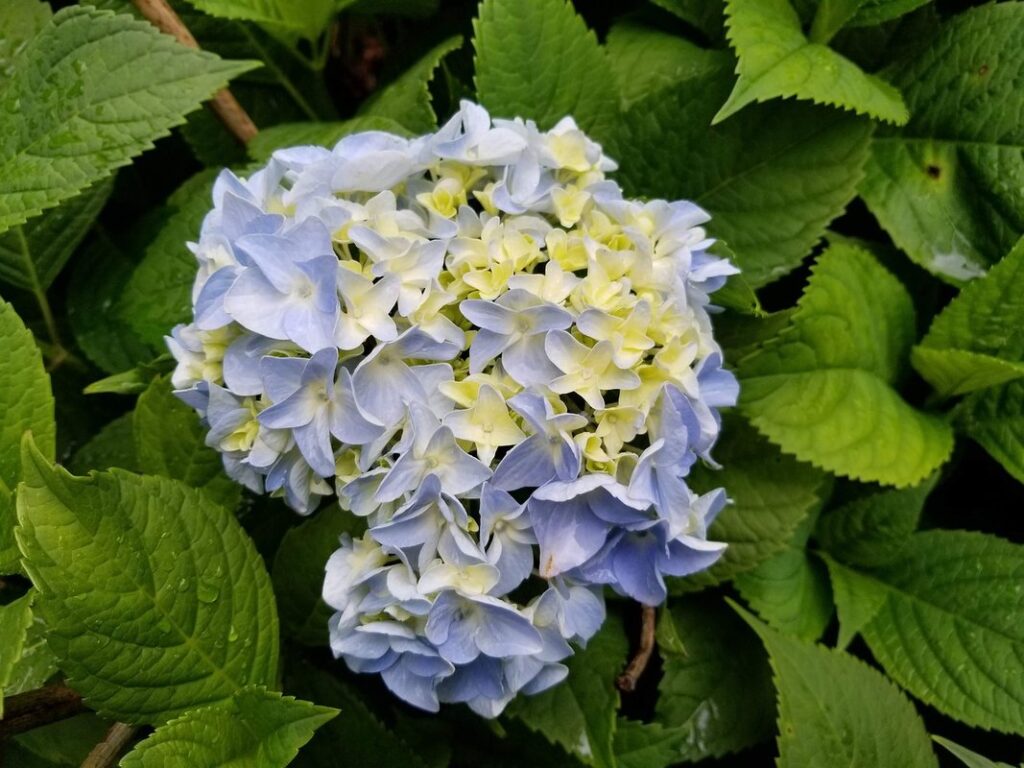
Bigleaf hydrangeas (Hydrangea macrophylla) are one of the most popular varieties, known for their stunning blue or pink blooms. When pruning these beauties, focus on cutting back about 6-8 inches from old flower stalks in late winter or early spring. This will encourage new growth and prevent weak stems from flowering.
Panicle hydrangeas (Hydrangea paniculata), on the other hand, are known for their long, conical blooms that can reach up to 12 inches in length. Prune these plants back by about one-third in late winter or early spring, removing any dead or damaged branches. This will help promote healthy growth and encourage new flower stalks.
Smooth hydrangeas (Hydrangea arborescens) have a more compact growth habit than other varieties and require less pruning. Simply remove any dead or damaged branches in late winter or early spring, and you’ll be good to go.
Benefits of Pruning in Winter
Pruning hydrangea plants during the winter months may seem counterintuitive, but it offers numerous benefits that can improve their overall health and blooming potential. One of the primary advantages is that it helps to promote healthy growth and encourages new blooms for the upcoming season.
By pruning in winter, you reduce the risk of disease and pests that can thrive in warmer temperatures. This is especially true for hydrangeas that are prone to problems like leaf spot or powdery mildew. By removing any affected areas, you’re giving your plant a clean slate to start anew. Additionally, pruning during this time also stimulates new root growth, which increases the plant’s ability to absorb essential nutrients and water.
In fact, studies have shown that hydrangeas pruned in winter experience improved blooming compared to those pruned at other times of the year. This is because the plant focuses its energy on producing new flowers rather than trying to recover from summer stress. By pruning your hydrangea in winter, you’re essentially giving it a jumpstart on next season’s blooms.
Pre-Pruning Assessments: Evaluating Your Hydrangeas
Before you start pruning your hydrangeas, take a moment to assess their current state. Evaluate your plant’s growth pattern and any potential issues that may impact its health after winter.
Inspecting for Dead Wood and Diseased Branches
When inspecting your hydrangea for dead wood and diseased branches, it’s essential to be thorough and methodical. Start by visually examining the plant from different angles, looking for signs of damage or decay. Check for brittle or cracked stems, especially at the base of the plant where they meet the soil.
Next, gently tug on the branches; if any come off easily, this can indicate dead wood. Inspect the buds and leaves closely for signs of disease such as black spots, white powdery residue, or yellowing of the foliage. Pay particular attention to areas that are shaded by other plants or structures, as moisture tends to accumulate in these spots.
Look for branches with cankers – raised, rough patches on the bark that indicate decay beneath. Remove any cankered sections entirely, as they will only continue to spread disease through the plant if left intact.
Assessing Plant Health and Structure
Before you prune your hydrangea, it’s essential to assess its overall health and structure. This will help you identify potential issues that could be exacerbated by pruning, as well as ensure that your plant is receiving the necessary care to thrive.
Start by inspecting your hydrangea for signs of pests or diseases. Check for holes in leaves or flowers, which can indicate aphid or whitefly infestations. Look for powdery mildew or black spot on leaves, which can be caused by fungal infections. If you notice any of these issues, treat them promptly with the appropriate pesticides or fungicides.
Next, examine your hydrangea’s nutrient levels. Check for yellowing or curling leaves, which can indicate nitrogen deficiency. Look for pale or stunted growth, which may be due to a lack of phosphorus or potassium. Consider getting a soil test done to determine your plant’s nutrient needs and adjust your fertilization routine accordingly.
In addition to pests and nutrients, inspect the overall structure of your hydrangea. Check for any dead or damaged branches that should be removed during pruning. Look for signs of water stress, such as wilted leaves or droopy flowers. Make note of any areas with poor air circulation, which can lead to disease issues.
By taking the time to assess your hydrangea’s health and structure before pruning, you’ll be able to make informed decisions about how to prune your plant safely and effectively. This will help ensure that your hydrangeas remain healthy and thrive throughout the winter months.
Pruning Techniques: Cutting and Shaping Hydrangeas
When pruning hydrangeas, it’s essential to learn proper cutting techniques to promote healthy growth and encourage beautiful blooms next season. In this section, we’ll explore the best ways to cut and shape your hydrangeas for optimal results.
Cutting Back Canes for Renewal and Regrowth
When it’s time to cut back hydrangea canes, make sure you’re equipped with the right tools for the job. Choose pruning shears or loppers that are sharp and clean, as dull blades can tear the stems rather than making a clean cut. Cut the canes back to about one-third to one-half of their original height, cutting just above a growth node (the small swell on the stem where a leaf meets). This will encourage new growth from those nodes.
Cutting back hydrangea canes is an essential part of promoting renewal and regrowth. By removing dead or damaged stems, you’ll also be reducing the risk of disease and pests that often target weakened plants. Take your time when pruning, working your way through the plant to ensure even cuts and a balanced shape. If you’re new to pruning hydrangeas, start by cutting back just one section at a time to gauge the impact on the plant’s growth patterns.
Shaping and Tidying Up Hydrangea Bushes
When it comes to shaping and tidying up hydrangea bushes, this is where regular pruning plays a crucial role. Regularly trimming and cutting back leggy growth can help maintain the overall appearance of your bush and promote healthy new growth.
To start with, take a close look at the shape and structure of your hydrangea bush. Identify any dead or damaged branches that need to be removed completely, as these will only weaken the plant further if left intact. Next, use pruning shears or loppers to cut back any leggy stems by about one-third to encourage branching out.
This technique not only removes unsightly growth but also encourages a more balanced appearance, with a fuller shape and more blooms in the spring. To achieve this, make sure to cut just above a leaf node (the point where a leaf meets the stem), using a 45-degree angle. This will help prevent water from collecting on the wound and promote healthy healing.
By following these simple steps, you’ll be able to give your hydrangea bush the perfect shape for winter and beyond, making it ready for the next growing season.
Pruning Specific Types of Hydrangeas
When pruning specific types of hydrangeas, it’s essential to understand the unique needs and requirements of your particular plant variety to avoid causing more harm than good. This section will guide you through pruning oakleaf, panicle, and smooth hydrangeas.
Bigleaf Hydrangeas: Tips for Successful Pruning
Bigleaf hydrangeas (Hydrangea macrophylla) are known for their stunning blue or pink flowers, but they can be prone to branch dieback and leaf scorch, especially during the winter months. When pruning these plants, it’s essential to address these common challenges.
To start, inspect your Bigleaf hydrangea in late winter or early spring, looking for dead, diseased, or damaged branches. Remove any of these by cutting them off at a 45-degree angle just above a bud eye (the small swelling on the stem from which new growth emerges). This will help prevent the spread of disease and encourage healthy new growth.
When pruning Bigleaf hydrangeas, it’s also crucial to maintain their natural shape and promote flowering. Cut back stems that are leggy or have grown too long, cutting them back to about one-third to one-half of their height. Make sure to cut just above a bud eye in these cases as well, to encourage new growth from those points.
By pruning your Bigleaf hydrangeas with care, you can help prevent branch dieback and leaf scorch, promoting healthy growth and beautiful blooms for years to come.
Panicle and Smooth Hydrangeas: Special Considerations
When it comes to pruning Panicle and Smooth hydrangea varieties, there are some unique considerations you should be aware of. Unlike Bigleaf and Oakleaf hydrangeas, which produce large flowers on old wood, Panicle and Smooth hydrangeas produce smaller clusters of flowers on new growth.
This means that the pruning requirements for these types are slightly different. For Panicle hydrangeas, it’s essential to prune them immediately after they finish flowering in summer or early fall. Cut back about one-third to one-half of the stems to maintain shape and promote new growth.
Smooth hydrangeas, on the other hand, require minimal pruning. They tend to grow more compactly and don’t need as much maintenance. However, if you want to encourage more blooms, prune them lightly after they finish flowering in late summer or early fall.
It’s also worth noting that Panicle and Smooth hydrangeas can be prone to dieback, especially in colder climates. To prevent this, make sure to cut back any dead or damaged stems as soon as possible in winter or early spring.
Timing is Everything: When to Prune Your Hydrangeas
When it comes to pruning hydrangeas for winter, timing is crucial. Knowing when to prune will ensure your beautiful blooms come back year after year in perfect condition.
Winter vs. Spring Pruning: What’s Best for Your Hydrangeas?
When it comes to pruning hydrangeas, timing is crucial. While some gardeners swear by spring pruning, others advocate for winter pruning. But which approach is best for your hydrangeas? The answer lies in understanding the benefits and drawbacks of each.
Winter pruning allows you to see the overall shape and size of your plant during its dormant season, making it easier to plan and execute a more extensive prune. This approach can also help control disease and pests, as the reduced foliage makes it harder for them to thrive. However, winter pruning can stimulate new growth that may be vulnerable to cold temperatures.
On the other hand, spring pruning is often preferred by gardeners who want to encourage blooming in the current season. By cutting back hydrangea stems after they’ve finished blooming, you’ll promote new flower buds for next year’s bloom cycle. However, this approach can lead to over-pruning if not done carefully, potentially reducing blooms or even killing the plant.
Ultimately, both winter and spring pruning have their advantages and disadvantages. The best approach depends on your specific hydrangea variety, climate, and desired outcome. If you’re looking for a more precise control over your plant’s shape and size, winter pruning might be the way to go. But if you want to maximize blooms in the current season, spring pruning could be the better choice.
Considering Climate and Regional Factors
When pruning hydrangeas, it’s essential to consider climate and regional factors to ensure you’re doing so at the right time. Different climates and regions have varying frost dates, extreme weather events, and growing conditions that impact when and how to prune these beautiful flowers.
For instance, in areas with mild winters, such as USDA zones 8-10, hydrangeas can be pruned year-round. However, in colder regions like zones 3-5, it’s crucial to wait until the plant is dormant before pruning, typically around late winter or early spring. This is because harsh frosts and freezing temperatures can damage new growth.
Look up your area’s average frost date and plan accordingly. For example, if you live in a region with frequent frosts, such as Chicago, it’s best to prune hydrangeas after the last frost date. Similarly, if you’re in an area prone to extreme weather events like hurricanes or droughts, consider pruning at a time that minimizes damage.
Consider consulting local nurseries, gardening experts, or your county extension office for more specific advice tailored to your region’s unique conditions.
After-Pruning Care: Nourishing Your Hydrangeas
Now that you’ve pruned your hydrangeas for winter, it’s time to give them a little TLC to ensure they come back strong and healthy in spring. This includes providing essential nutrients and hydration.
Post-Pruning Care for Optimal Regrowth
After pruning your hydrangeas, it’s essential to provide them with the right conditions for optimal regrowth and blooming. This is where post-pruning care comes into play. To promote healthy growth, fertilize your hydrangeas immediately after pruning, but avoid using high-nitrogen fertilizers as they can encourage weak and leggy growth.
Instead, opt for a balanced fertilizer that contains phosphorus, which will help stimulate root growth and promote blooming. You can also consider applying a slow-release fertilizer in the spring to provide your plants with a steady supply of nutrients throughout the growing season.
Mulching is another crucial aspect of post-pruning care. Apply a 2-3 inch layer of organic mulch around the base of your hydrangeas, keeping it a few inches away from the stems. This will help retain moisture, suppress weeds, and regulate soil temperature. Water your plants regularly during their first growing season after pruning, but avoid overwatering as this can lead to root rot and other problems.
In terms of watering strategies, make sure to provide your hydrangeas with about 1-2 inches of water per week, either through rainfall or irrigation. Avoid getting water on the leaves or flowers to prevent disease and promote healthy growth.
Monitoring and Adapting to Changes After Pruning
Monitoring and adapting to changes after pruning is crucial to ensure your hydrangeas recover well from the process. As they settle into their new shape and size, keep a close eye on their responses, particularly during the first few weeks after pruning.
Look out for signs of stress or nutrient deficiencies that can manifest in various ways. For instance, yellowing leaves may indicate an iron deficiency, while droopy branches might suggest water stress or root damage from improper pruning techniques. Check your plants regularly to catch any issues early and make adjustments accordingly.
Maintain a regular watering schedule, as hydrangeas need consistent moisture during their recovery phase. Also, keep an eye on soil pH levels, ensuring they remain within the optimal range for your plant type (bigleaf: acidic 5.0-6.0, panicle: slightly acidic to neutral 6.0-7.0). Fertilize lightly with a balanced, water-soluble fertilizer if necessary, and prune back any new growth that appears too vigorous or unruly.
By remaining vigilant and adjusting care strategies as needed, you’ll minimize the risk of disease and promote healthy regeneration in your hydrangeas.
Frequently Asked Questions
What if I’ve missed the ideal pruning window for my hydrangeas? Can they still benefit from winter pruning?
While it’s best to prune hydrangeas during their dormant season, you can still prune them outside of this time frame. However, keep in mind that your plants may not respond as well to pruning done at other times. If you’ve missed the ideal window, focus on removing any dead or diseased branches and cut back overly long stems. This will help maintain your plant’s health and promote new growth.
How do I know if my hydrangea has been damaged by extreme cold temperatures?
After a harsh winter, inspect your hydrangeas for signs of damage. Look for blackened or discolored leaves, bare spots on the branches, or noticeable dieback. If you notice any of these symptoms, assess the extent of the damage and consider pruning back affected areas to encourage new growth.
Can I prune my hydrangeas more aggressively in the winter if they’re looking a bit scraggly?
While it’s tempting to prune heavily in the winter, be cautious not to over-prune your hydrangeas. This can lead to a loss of flowers or even plant death. Instead, focus on removing no more than one-third of the oldest stems to encourage new growth and renewal.
How do I care for my hydrangeas after pruning, especially during the dormant season?
After pruning your hydrangeas, provide them with regular watering and fertilization according to their specific needs. Mulch around the base to retain moisture and regulate soil temperature. During the dormant season, you can skip fertilizing, but continue to monitor your plants for any signs of disease or pests.
Are there any specific tools I should use when pruning my hydrangeas?
When pruning hydrangeas, it’s essential to have the right tools for the job. Use sharp, clean pruning shears or loppers to make precise cuts. Avoid using hedge clippers or string trimmers, as these can cause damage and spread disease. Consider investing in a pair of dedicated pruning shears specifically designed for hydrangea care.