
When it comes to pruning your hydrangea, timing is everything. The right cut at the right time can make all the difference in promoting blooming success and keeping your plants healthy and thriving. But did you know that different varieties of hydrangeas have unique pruning needs? Whether you’re growing bigleaf, panicle, smooth, oakleaf, or climbing hydrangeas, it’s essential to understand when to prune to get the most out of these gorgeous flowers. In this comprehensive guide, we’ll take a closer look at the specific pruning requirements for each variety, helping you learn how and when to prune your hydrangeas for optimal results. From promoting blooming success to maintaining plant health, we’ll cover it all to help you master the art of hydrangea pruning.
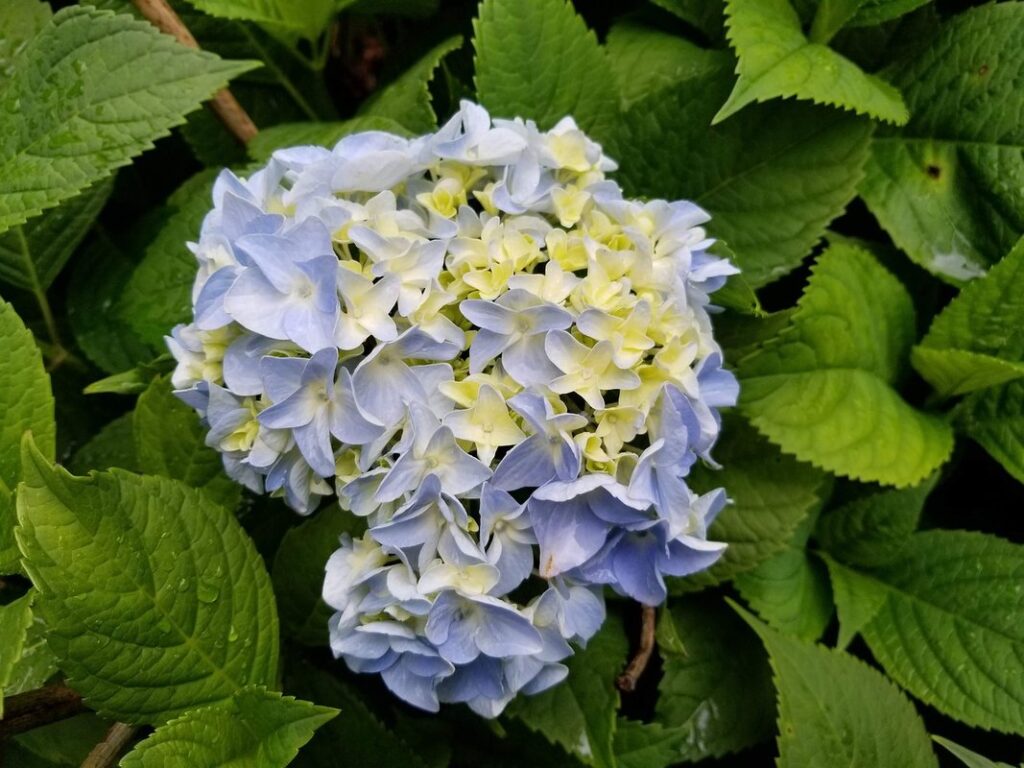
Understanding Hydrangea Pruning Basics
To grow stunning hydrangeas, it’s essential you understand how to prune them correctly. In this section, we’ll cover the basic pruning principles that apply to most types of hydrangeas.
Pruning Objectives and Timing
Pruning hydrangeas is a crucial aspect of their care, and it’s not just about cutting them back. The primary objective of pruning hydrangeas is to promote healthy growth, encourage blooming, and maintain the plant’s shape. Regular pruning can increase flower production by up to 50% and also help control the plant’s size.
When done correctly, pruning can stimulate new growth, which in turn leads to more blooms in subsequent seasons. However, timing is everything when it comes to pruning hydrangeas. The ideal time for pruning varies depending on the type of hydrangea you have.
In general, pruning can be done at different times of the year, such as in late winter or early spring before new growth begins, or immediately after blooming has finished. For example, if you want to encourage blue flowers, prune your Bigleaf Hydrangea in late winter or early spring, while Oakleaf and Panicle hydrangeas can be pruned at any time during the growing season.
Keep in mind that pruning too late in the fall can stimulate new growth, which may not have enough time to harden off before winter. This can make the plant more susceptible to damage from cold temperatures and frost.
Pre-Pruning Considerations
Before you start pruning your hydrangea, it’s essential to consider several factors that can impact its health and blooming performance. The soil quality is a crucial aspect to evaluate, as hydrangeas prefer well-draining soil with a pH between 6.0 and 7.0. If your soil is heavy clay or prone to waterlogging, you may need to take steps to improve drainage before pruning.
Additionally, climate plays a significant role in determining the best time for pruning. In areas with harsh winters, it’s often recommended to prune hydrangeas immediately after blooming, while in warmer climates, spring or early summer pruning can be done without compromising bloom production.
Understanding your specific variety is also vital. For example, Bigleaf and Panicle Hydrangeas typically require more severe pruning to maintain their shape and promote new growth, whereas Oakleaf and Smooth Hydrangeas are less demanding. Take note of the plant’s maturity level, as over-pruning can stress young or recently transplanted hydrangeas.
Lastly, inspect your plant for any signs of disease or pests before pruning. This will help you determine if pruning is necessary or if other measures need to be taken first.
Bigleaf Hydrangea Pruning (Hydrangea macrophylla)
When it comes to bigleaf hydrangeas, timing is everything when it comes to pruning. Proper pruning will keep your flowers blooming and your plant looking its best.
Timing and Techniques
When pruning bigleaf hydrangeas (Hydrangea macrophylla), it’s essential to consider their unique characteristics. Since these plants bloom on old wood, it’s best to prune them immediately after blooming, usually in late summer or early fall. This timing allows the plant to produce next year’s flower buds during its dormant period.
However, if you want to reduce the height of your bigleaf hydrangea or remove dead branches, you can prune it during its dormant season, typically from late winter to early spring. Keep in mind that pruning too much at this time may impact the following year’s blooms.
When it comes to techniques, deadheading is crucial for maintaining the plant’s appearance and promoting healthy growth. Remove spent flowers after they fade, cutting off the stem about an inch above a leaf node. For branch reduction, cut back stems to about one-third of their height or to a lateral bud. This will help maintain a balanced shape and encourage new growth.
Common Challenges with Bigleaf Hydranges
Growing bigleaf hydrangeas (Hydrangea macrophylla) can be a delightful experience, but it’s not without its challenges. One of the most common issues gardeners face is powdery mildew and leaf spot diseases. These fungal infections can quickly spread and cause unsightly white patches on leaves or black spots that drop off.
To combat these problems, ensure good air circulation around your plants by pruning nearby shrubs and trees. Regularly remove any infected leaves to prevent the disease from spreading. Fungicides can also be used as a preventative measure, but it’s essential to follow the product instructions carefully and apply them during the growing season.
Watering habits can also play a significant role in preventing these diseases. Avoid overhead watering, which can splash water onto leaves, creating an ideal environment for fungal growth. Instead, use soaker hoses or mulch around plants to retain moisture in the soil while keeping leaves dry.
Panicle Hydrangea Pruning (Hydrangea paniculata)
For panicle hydrangeas, specifically those of the Hydrangea paniculata variety, pruning is a crucial step in maintaining their shape and encouraging new blooms. Pruning at the right time will also prevent damage to next year’s flowers.
Distinguishing Characteristics and Pruning Strategies
Panicle hydrangeas, like Hydrangea paniculata, are quite different from bigleaf hydrangeas when it comes to pruning. One of the key characteristics that set them apart is their ability to produce flowers on new wood. This means that panicle hydrangeas can be pruned in late winter or early spring, and they’ll still produce plenty of flowers.
Unlike bigleaf hydrangeas, which require summer pruning to encourage blue flowers, panicle hydrangeas don’t have this same requirement. In fact, summer pruning can even reduce the number of flowers on a panicle hydrangea. So, what’s the best way to prune these shrubs? For panicle hydrangeas, it’s all about removing dead or damaged branches in late winter or early spring. This will help promote healthy growth and encourage plenty of new blooms.
When pruning, focus on cutting back any dead, diseased, or damaged stems. Remove any weak or spindly growth to maintain a balanced shape. Don’t be afraid to cut back panicle hydrangeas by as much as one-third to one-half in the early growing season – this will help promote plenty of new growth and flowers. By following these simple pruning strategies, you’ll be rewarded with plenty of beautiful blooms from your panicle hydrangea shrubs.
Panicle Hydrangea Varieties and Their Pruning Needs
Panicle hydrangea varieties offer a range of options for gardeners, each with its unique characteristics and pruning needs. ‘Limelight’ is a popular choice, known for its vibrant greenish-yellow flowers that fade to pink as they mature. To encourage the best blooms on this variety, prune it back by one-third in late winter or early spring, removing any dead or damaged branches.
Another sought-after cultivar is ‘Vanilla Strawberry’, which produces white flowers with a hint of strawberry fragrance. For optimal performance, prune ‘Vanilla Strawberry’ more aggressively, cutting it back to about 12-18 inches from the ground in late winter or early spring. This will help maintain its compact growth habit and promote new flower buds.
Both ‘Limelight’ and ‘Vanilla Strawberry’ benefit from regular maintenance throughout the growing season, including deadheading spent blooms and removing any diseased or damaged branches as needed. By understanding their specific pruning needs, gardeners can enjoy these beautiful panicle hydrangea varieties at their best.
Smooth Hydrangea Pruning (Hydrangea arborescens)
When it comes to pruning your Smooth Hydrangeas, timing is everything – learn when to prune these beautiful shrubs for optimal blooms and health. Pruning at the right time will make all the difference.
Characteristics and Growth Habits
Smooth hydrangea varieties, such as ‘Tardiva’ and ‘Vanilla Strawberry’, are known for their compact growth habit, typically reaching a height of 3-6 feet. This is in contrast to the larger, more sprawling hydrangeas like Bigleaf or Panicle types. Their compact nature makes them ideal for smaller gardens or containers.
One of the key characteristics of smooth hydrangeas is that they bloom in late summer, around July and August. As a result, pruning should be done immediately after blooming has finished, to promote new growth and encourage next year’s flowers.
To prune your smooth hydrangea, cut back stems to about 6-8 inches from the ground in early fall or late winter/early spring. This will help control size, shape, and promote a fuller plant come growing season. Prune only dead, diseased, or damaged branches as needed, leaving healthy growth intact.
Timing is crucial when pruning smooth hydrangeas; prune too early and you may sacrifice next year’s blooms. Wait until the new stems begin to grow in spring, about 4-6 weeks after the last frost date. This will help your plant put its energy into producing a lush display of flowers come summer.
Managing Smooth Hydrangea Size and Shape
To maintain the desired size and shape of smooth hydrangeas (Hydrangea arborescens), pruning plays a crucial role. These shrubs can grow quite large if left unpruned, but regular maintenance can keep them compact and bushy.
When it comes to sun exposure, consider that smooth hydrangeas prefer partial shade to full sun. In areas with intense sunlight, pruning can help control the plant’s size by removing long stems that tend to stretch towards the light. On the other hand, in shadier conditions, prune more frequently to encourage a fuller growth habit.
Soil quality is another factor to consider when pruning your smooth hydrangea. If your soil is rich and fertile, you may need to prune less often as the plant will grow more vigorously. Conversely, if your soil is poor or dry, prune regularly to promote healthy growth and root development. Prune in late winter or early spring, removing about one-third of the oldest stems at ground level. This encourages new growth and maintains a compact shape. By pruning with these factors in mind, you can enjoy a beautiful and well-shaped smooth hydrangea in your garden.
Oakleaf Hydrangea Pruning (Hydrangea quercifolia)
When it comes to pruning your Oakleaf Hydrangeas, timing is everything – but what are the key guidelines you need to follow? Pruning at the right time can make all the difference in maintaining their stunning foliage and blooms.
Unique Characteristics and Challenges
Oakleaf hydrangeas are known for their unique characteristics that set them apart from other varieties. One of the most notable features is their ability to produce flowers on old wood. This means that they bloom on stems produced in the previous year, unlike bigleaf and panicle hydrangeas which produce new growth in the spring.
This characteristic can be both an advantage and a challenge for gardeners. On one hand, oakleaf hydrangeas are more forgiving if pruning is done at the wrong time, as they still manage to produce some blooms. However, this also means that timely pruning is crucial to ensure optimal flowering performance. Gardeners need to strike a balance between maintaining the plant’s shape and allowing it to flower on its established stems.
A common challenge faced by gardeners growing oakleaf hydrangeas is deciding when to prune. Because they bloom on old wood, it may be tempting to wait until after blooming to prune. However, pruning in late winter or early spring can actually help promote healthy growth and encourage more blooms the following year.
Pruning Strategies for Oakleaf Hydrangeas
Pruning an oakleaf hydrangea (Hydrangea quercifolia) is crucial for maintaining its health and encouraging blooming. This deciduous shrub requires regular pruning to control its size, promote new growth, and prevent legginess. The right pruning strategies can make a significant difference in the overall appearance of your oakleaf hydrangea.
When pruning an oakleaf hydrangea, it’s essential to remove any dead or damaged branches. Cut these off at the base, making sure the cut is just above a bud or a lateral branch. This will help promote new growth and prevent disease from spreading. Next, focus on reducing the plant’s height by cutting back overgrown stems to about one-third of their length.
To encourage blooming, prune your oakleaf hydrangea immediately after it finishes flowering in late summer or early fall. Remove any weak or spindly growth, as well as any branches that cross or rub against each other. This will allow more sunlight to reach the remaining branches and promote healthy growth for next year’s flowers.
By pruning your oakleaf hydrangea regularly, you can enjoy its beautiful white blooms and attractive foliage for years to come.
Climbing Hydrangea Pruning (Hydrangea anomala)
Climbing hydrangeas are a bit more delicate when it comes to pruning, as improper cuts can damage their unique growth habit. In this section, we’ll cover how to prune climbing hydrangeas at the right time for optimal results.
Twining and Support Considerations
As you work with Climbing Hydrangea (Hydrangea anomala), it’s essential to understand its unique climbing nature and adapt pruning strategies accordingly. This variety is a vigorous climber that can reach lengths of up to 80 feet, making it perfect for covering large areas or arbors. With the right support, you can train Climbing Hydrangea to twine around trellises, arbor walls, or other structures.
To promote healthy growth and optimize flowering, prune your Climbing Hydrangea in late winter or early spring, before new growth begins. Remove any dead, diseased, or damaged branches, cutting them back to the nearest branch junction. This will help control its spread and encourage new shoots to emerge from the base of the plant.
When training the climber, use a sturdy trellis or support system that can withstand its weight. Prune back long stems in late spring after it has finished flowering, cutting them back by about one-third to maintain shape and encourage repeat blooming. By following these pruning strategies, you’ll be able to enjoy your Climbing Hydrangea’s stunning flowers and lush foliage for years to come.
Managing Climbing Hydrangea Size and Spacing
Climbing hydrangeas can quickly overgrow their allocated space if not pruned regularly. When managing their size and spacing, it’s essential to consider the mature size of the plant and the desired growth pattern. For example, a climbing hydrangea that’s growing up a large trellis may need more frequent pruning to keep it contained, whereas one growing along a smaller fence might require less maintenance.
To control the spread of a climbing hydrangea, focus on pruning the tips of the stems in late winter or early spring. This will encourage branching and prevent the plant from becoming leggy. You can also prune back long sections of stem by about one-third to two-thirds, making sure to remove any dead or damaged growth.
Prune more aggressively for climbing hydrangeas that are getting too large for their space. Cut back most of the stems to about 6-8 inches above ground level, and then trim back some of the new shoots in late summer to maintain a balanced shape.
Conclusion: Pruning for Success with Different Hydrangea Varieties
Now that you’ve learned when to prune hydrangeas by variety, it’s time to put this knowledge into practice. By following these guidelines and understanding the unique pruning needs of each type of hydrangea, you’ll be able to enjoy a lush, thriving garden. Remember, proper pruning is essential for promoting healthy growth, encouraging blooming, and maintaining the overall shape of your plants. With Bigleaf, Panicle, and Smooth varieties requiring distinct care, it’s crucial to identify which type you have before pruning.
In conclusion, taking the time to understand your hydrangea variety’s specific needs will make all the difference in its performance. By incorporating these tips into your routine, you’ll be well on your way to becoming a skilled gardener and enjoying vibrant blooms for years to come.
Frequently Asked Questions
What if I missed the optimal pruning time for my hydrangea variety?
Don’t worry; it’s not a fatal mistake! If you’ve missed the ideal pruning window, simply prune your hydrangeas as soon as possible after the blooming period. This will help maintain their shape and promote new growth, although it might affect next year’s bloom count.
How do I prevent damage to my hydrangea during pruning?
To avoid damaging your hydrangeas, use clean, sharp tools and make precise cuts just above a bud eye (the small swelling on the stem from which new growth emerges). This will encourage healthy regrowth and minimize stress to the plant.
Can I prune my bigleaf or panicle hydrangeas in the fall?
Yes. Pruning these varieties in the fall can actually help control disease spread, as it removes any infected tissue before winter dormancy sets in. Just be sure to clean your tools between cuts to prevent spreading diseases like powdery mildew.
How often should I water my newly pruned hydrangea plant?
Newly pruned plants are more susceptible to drought stress, so ensure they receive regular watering, especially during the first growing season. Aim for about 1 inch of water per week, either from rainfall or irrigation, to support their recovery and promote healthy growth.
What if I accidentally prune too much of my hydrangea’s stem?
Don’t panic! If you’ve over-pruned your hydrangea, focus on providing it with the right growing conditions, including sufficient light, water, and nutrients. This should help the plant recover and regrow new stems in due time.