
Pruning your Hydrangea Macrophylla is an essential part of its care, as it plays a crucial role in promoting healthy growth, encouraging blooming, and maintaining overall plant vitality. If you’re like many hydrangea enthusiasts, you might be wondering when and how to prune these beautiful plants. The right pruning techniques can make all the difference between a lush, vibrant shrub and one that’s struggling to thrive.
In this article, we’ll delve into the comprehensive world of Hydrangea Macrophylla pruning, covering seasonal considerations, advanced methods, and practical tips for optimal growth and blooming. From determining the right time to prune to mastering the art of cutting and shaping your plant, we’ll explore it all, helping you to achieve a stunning display of blue or pink flowers year after year. Whether you’re a seasoned gardener or just starting out with hydrangeas, this guide will equip you with the knowledge to keep your plants looking their best.
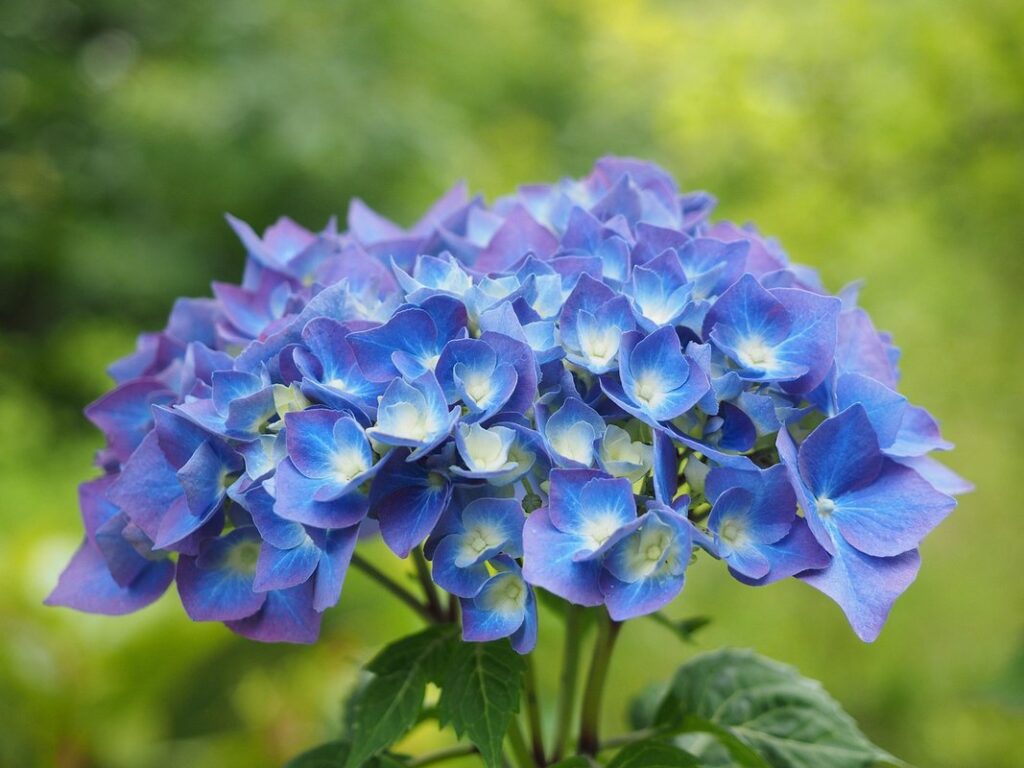
Understanding Hydrangea Macrophylla Pruning
Now that you understand why pruning is essential for your hydrangea macrophylla, let’s dive into the specifics of how to prune these beautiful flowers effectively.
Why Prune Hydrangea Macrophylla?
Pruning Hydrangea Macrophylla is an essential task for maintaining its health and beauty. One of the primary reasons to prune this stunning shrub is to maintain its shape. Over time, Hydrangea Macrophylla can become leggy or unruly if left unpruned, which not only affects its appearance but also restricts air circulation around the plant, potentially leading to disease.
Pruning also promotes healthy growth by encouraging new shoots and flowers to emerge from the base of the plant. By removing spent blooms and old wood, you’re giving your Hydrangea Macrophylla the opportunity to channel its energy into producing vibrant flowers and lush foliage. This process is especially crucial after flowering, when the plant’s blooms have faded.
To encourage blooming, prune your Hydrangea Macrophylla immediately after it finishes flowering in late spring or early summer. Cut back about one-third of the oldest canes to a healthy bud eye below the flower head. This will help stimulate new growth and promote next year’s flowers. Regular pruning throughout the growing season will also prevent the plant from becoming too dense, ensuring optimal blooming performance.
When to Prune Hydrangea Macrophylla?
Pruning a hydrangea macrophylla at the right time is crucial to maintain its beauty and promote healthy growth. The ideal pruning season depends on your location and climate. In regions with cold winters, like USDA zones 3-5, prune in late winter or early spring when new growth begins. This allows the plant to heal quickly from any potential winter damage.
For warmer climates, such as USDA zones 6-9, you can prune your hydrangea macrophylla after it finishes blooming in summer. This reduces the risk of new growth being damaged by frost. In areas with mild winters, like USDA zone 10 and above, pruning is usually not necessary unless you notice dead or damaged branches.
To determine the best time to prune for your location, consider the plant’s natural growth cycle and any extreme weather conditions in your area. Generally, it’s best to avoid pruning during the hottest summer months when the plant is under stress from heat and drought.
If you must prune during this time, focus on maintaining a clean shape and removing any dead or diseased branches.
Pre-Pruning Preparation
Before you start pruning, take some time to prepare your hydrangea macrophylla for optimal results by removing any dead or diseased branches. This step is crucial for a healthy and beautiful outcome.
Tools and Equipment Needed for Pruning
When it comes to pruning hydrangea macrophylla, having the right tools for the job is essential. You’ll need a few essential items in your arsenal, including loppers, pruners, and gloves.
Loppers are long-handled pruning shears that allow you to reach those hard-to-reach branches without straining your back. Look for loppers with high-quality blades and comfortable grips to make the task easier. Pruners, on the other hand, are shorter-handled shears ideal for making precise cuts in smaller stems.
Gloves are a must-have when pruning hydrangea macrophylla to protect your hands from thorns and sap. Look for gloves with padding on the palms and fingers for added protection. Safety gear such as eye protection and long sleeves can also come in handy, especially if you’re working with sharp branches or overgrown plants.
Remember to sterilize your tools between cuts using a disinfectant spray or a mixture of bleach and water to prevent the spread of disease from one plant to another. This is particularly important when pruning hydrangea macrophylla, as it’s susceptible to various diseases. By taking these precautions, you’ll be able to prune your hydrangeas with confidence and precision.
Identifying the Right Cut Type for Hydrangea Macrophylla
When it comes to pruning your Hydrangea Macrophylla, it’s essential to understand the different cut types and when to use them. This will help you make informed decisions about which branches to prune, resulting in a healthier, more vibrant plant.
Cutting back is used for rejuvenating overgrown or dead wood, typically on older plants or those that have been neglected. It involves cutting back stems to about one-third to one-half of their original height. This process helps to reduce the risk of disease and encourages new growth. For example, if a stem is damaged or diseased, cut it back to just above a bud eye (the small, swollen area from which new growth emerges). This will help the plant recover quickly.
Thinning involves removing select branches to improve air circulation and allow more sunlight to reach inner stems. Remove weak or spindly growth, cutting them at a 45-degree angle just above a bud eye. This will not only enhance the plant’s appearance but also promote healthy growth. Reducing is used for maintaining shape and size, typically on younger plants or those that have become too leggy. Cut back stems to about one-third of their original length, making clean cuts just above a bud eye.
When determining which cut type to use, consider the branch’s purpose and condition. Are you trying to rejuvenate the plant, improve its appearance, or maintain its shape? The answer will help guide your decision-making process. It’s also essential to inspect your plant regularly, identifying any dead or damaged wood that needs attention. By understanding these different cut types and when to use them, you’ll be well on your way to becoming a pruning expert for your Hydrangea Macrophylla.
Techniques for Pruning Hydrangea Macrophylla
Now that you know when and how to prune your hydrangea macrophylla, let’s dive into some specific techniques to ensure it stays healthy and flourishes all season. We’ll cover essential pruning methods.
Cutting Back Overgrown Branches
When it comes to pruning hydrangeas, one of the most critical steps is cutting back overgrown branches. This process not only helps maintain the plant’s shape but also promotes healthy growth and encourages new blooms.
To determine which branches need removal, look for those that are crossing or rubbing against each other, as well as any that are growing towards the center of the plant. These can be indicators of congestion, which can lead to disease and pest issues. Also, consider removing any weak or spindly growth, especially if it’s competing with more vigorous stems.
When making clean cuts, use sharp, sterile pruning tools to prevent spreading diseases. Cut just above a bud eye (the small swellings on the stem) at a 45-degree angle, allowing water to run off and promoting healing. Make sure your cut is about one-quarter inch above the bud eye to ensure it doesn’t get soggy and foster disease growth. Remove no more than one-third of the branch in a single season to avoid shocking the plant.
Thinning and Reducing: The Art of Balancing Growth
Thinning and reducing are essential techniques to master when pruning Hydrangea macrophylla. The goal is to strike a balance between foliage and blooms, ensuring the plant’s overall health and aesthetic appeal. To achieve this, focus on removing weaker or dead stems to promote vigorous growth.
When thinning, remove select stems from the center of the plant, making room for new growth to emerge. Cut these stems at a 45-degree angle, about one-third of the way through the stem, to prevent water from collecting and causing decay. This technique encourages air circulation and sunlight penetration, which is crucial for healthy blooms.
To reduce, select stems that are growing inward or crossing over other branches, then cut them back to about one-half their length. This will direct energy towards producing more flowers and maintaining a balanced shape. Be cautious not to remove too much at once, as this can stress the plant. Instead, prune in stages, allowing the plant to recover between sessions.
This approach will help you maintain a lush, full appearance while encouraging blooms to thrive. By judiciously thinning and reducing, you’ll create a healthy, well-balanced Hydrangea macrophylla that brings beauty to your garden for years to come.
Seasonal Pruning Considerations
When pruning your Hydrangea Macrophylla, it’s essential to consider the changing seasons and plan accordingly. This will help you maintain its optimal growth and flowering schedule.
Spring Pruning: Removing Winter Damage
As winter dormancy finally comes to an end, it’s essential to inspect your Hydrangea Macrophylla for damage and broken branches. After a harsh winter, plants may have suffered from wind, ice, or snow stress, leading to damaged leaves, stems, or even entire branches. Remove any broken or dead wood as soon as possible to prevent further decay and promote healthy growth.
When inspecting your plant, look for branches that are cracked, split, or showing signs of rot. Gently grasp the branch between your thumb and index finger and gently twist it back and forth – if it comes away easily, it’s likely damaged beyond repair. Remove any such branches at their base, making sure to cut just above a growth node (the small swell where a leaf meets the stem).
Remove any weak or spindly growth as well, especially if it’s rubbing against other branches or obstructing light. By clearing out damaged wood and promoting air circulation, you’ll encourage new growth and help your plant recover from winter stress.
Summer Pruning: Maintaining Shape and Promoting Blooms
As summer progresses and your Hydrangea macrophylla plant reaches its mature size, it’s essential to maintain its shape through regular pruning. This not only keeps the plant looking its best but also encourages blooming for next year’s flowers.
Summer pruning helps control the plant’s height by removing any new growth that exceeds 6-8 inches in length. Simply cut these stems back to about half their height, using clean and sharp pruning tools to prevent spreading diseases. By doing so, you’re directing the plant’s energy towards producing healthy blooms for next year rather than expending it on excessive foliage.
To make regular summer maintenance easier, consider the following tips: remove any dead or diseased branches as soon as you spot them; trim back stems that are touching nearby plants to prevent overcrowding and promote air circulation. By pruning your Hydrangea macrophylla regularly during the summer months, you’ll be rewarded with a lush, full plant that’s ready for its next blooming cycle.
Troubleshooting Common Issues After Pruning Hydrangea Macrophylla
Don’t worry if your newly pruned hydrangea isn’t blooming as expected – we’ve got you covered. This section tackles common issues that arise after pruning Hydrangea macrophylla and how to resolve them.
Addressing Cut-Wound Complications
Cut-wound complications can arise after pruning Hydrangea macrophylla due to diseases and pests taking advantage of the fresh cuts. Be on the lookout for signs like discoloration, blackening, or oozing sap around the cut area.
Fungal infections are common issues after pruning hydrangeas. To address this promptly:
* Remove any dead or dying branches to prevent spores from spreading
* Disinfect your pruning tools with 1 part bleach to 9 parts water between cuts
* Avoid over-watering, which can encourage fungal growth
Pests like aphids and scale may also infest the newly pruned plant. Check for them regularly by gently brushing off any white powdery substance or inspecting the stems for tiny eggs.
When treating pests:
* Use insecticidal soap to control mild infestations
* For severe cases, apply neem oil as per product instructions
* Consider introducing beneficial insects like ladybugs, which prey on aphids
It’s essential to address these complications quickly to prevent them from spreading and causing further damage to your hydrangea.
Revitalizing Plants with Poor Growth or Blooming Habits
If you’ve pruned your Hydrangea macrophylla and noticed that it’s struggling with poor growth or blooming habits, don’t worry – this is a common issue that can be addressed. Before we dive into solutions, let’s explore potential causes: inadequate light, water, or nutrients; root damage during pruning; or simply the natural fluctuation of plant health over time.
To rejuvenate your Hydrangea macrophylla, start by ensuring it receives sufficient light and water. Check if nearby plants or structures are blocking sunlight and adjust accordingly. Watering habits should be consistent – aim for about 1 inch of water per week, either from rain or irrigation.
Another crucial aspect is nutrient supply. Fertilize your plant with an acidic fertilizer (pH between 5.0-6.0) once a month during the growing season. This will encourage healthy growth and blooming. For root damage, gently inspect the roots for any visible signs of damage and trim them back if necessary.
Lastly, keep in mind that some varieties of Hydrangea macrophylla naturally grow more slowly or produce fewer blooms than others. Be patient, as it may take a few months to see improvement after pruning and adjustments have been made.
Advanced Pruning Techniques for Experienced Gardeners
For experienced gardeners looking to take their hydrangea pruning skills to the next level, we’ll dive into techniques that promote optimal blooming and overall plant health. This includes detailed strategies for shaping mature plants.
Pruning for Specialized Features (E.g., Topiaries, Bonsai)
When it comes to pruning hydrangea macrophylla for specialized features like topiaries or bonsai, you’ll need to take a more precise and patient approach. For topiary forms, the goal is to create a uniform shape while maintaining a balanced structure. To achieve this, prune your hydrangea in stages, starting with a light trim to maintain shape and encouraging growth in desired areas.
As for bonsai training methods, you’ll focus on developing a strong trunk and branches while minimizing foliage. This requires regular pruning to promote branching and encourage roots to grow outwards. Use a combination of techniques like defoliation (removing leaves) and pinching (removing tips from stems) to control growth and direct energy towards the desired areas.
To refine your bonsai, prune in late winter or early spring before new growth begins. Remove any weak or dead wood, then selectively remove leaves to maintain a balanced canopy. Monitor your tree’s response and adjust pruning frequencies accordingly.
Integration with Seasonal Gardening Plans
As an experienced gardener, you know that pruning is not just about cutting back a shrub, but also about fitting it into your overall gardening plan and schedule. When it comes to hydrangea macrophylla, incorporating pruning into your seasonal plans can make all the difference in maintaining its beauty and health.
In the spring, after the danger of frost has passed, prune your hydrangea macrophylla back by about one-third to encourage new growth. This is also a good time to remove any dead or damaged branches, making way for fresh blooms. As you’re pruning, keep an eye out for any signs of disease or pests, and take action promptly if necessary.
Summer months are all about maintenance – check on your hydrangea regularly to ensure it’s receiving the right amount of water and nutrients. This is also a good time to provide support for long stems, using stakes or trellises as needed. In the fall, prune back any remaining flowers or seed heads, making way for new growth in the spring.
This seasonal approach to pruning will help you stay on top of your hydrangea’s needs and keep it looking its best all year round. By incorporating these tips into your gardening plan, you’ll be rewarded with a stunning display of blooms come summer.
Conclusion: Putting It All Together
Now that you’ve pruned your Hydrangea Macrophylla, it’s time to put everything into practice. Remember, pruning is not just about cutting back branches; it’s also about shaping and guiding the plant’s growth for future blooms. By following the steps outlined in this guide, you’ll be able to encourage a healthy and thriving plant that produces beautiful flowers. To ensure your Hydrangea Macrophylla continues to flourish, make sure to water it regularly, provide sufficient sunlight, and fertilize it during the growing season. With proper care and attention, your pruned Hydrangea Macrophylla will reward you with stunning blooms for years to come. By implementing these techniques consistently, you’ll be able to enjoy the full potential of this magnificent plant.
Frequently Asked Questions
How do I know if my Hydrangea Macrophylla needs a hard prune or just maintenance pruning?
When determining the level of pruning your hydrangea macrophylla requires, examine its overall shape and growth habit. If it’s becoming leggy or has a sparse appearance, a hard prune may be necessary to revitalize its growth. On the other hand, if it’s primarily in need of minor shaping, maintenance pruning should suffice.
Can I prune my Hydrangea Macrophylla during any time of the year?
While seasonal considerations are essential for hydrangea macrophylla pruning, there is a small window between late winter and early spring when you can perform some light pruning. However, this is only recommended for minor shaping or removing dead wood.
How do I prevent cut-wound complications after pruning my Hydrangea Macrophylla?
To minimize the risk of infection and promote healthy healing after pruning your hydrangea macrophylla, ensure that all cuts are clean and angled away from the center of the plant. Apply a high-quality tree wound dressing to protect against disease and promote cell growth.
Can I use regular garden shears for pruning my Hydrangea Macrophylla?
While regular garden shears can be used for some pruning tasks, they may not provide the precision required for more delicate cuts or larger branches. Consider investing in high-quality loppers or pruning saws specifically designed for hydrangea macrophylla to ensure clean and safe cuts.
How long does it take for my Hydrangea Macrophylla to recover from a hard prune?
After performing a hard prune on your hydrangea macrophylla, allow 1-2 growing seasons for the plant to fully recover. During this time, monitor its progress closely and provide optimal care to support healthy growth and blooming.