
Hydrangea arborescens – those gorgeous, big blooms that add a touch of elegance to any garden. But did you know that regular pruning is essential for maintaining their health and encouraging stunning flower production? Pruning hydrangea arborescens might seem intimidating, but with the right techniques and timing, it’s actually quite straightforward. In this article, we’ll take the mystery out of pruning and give you a comprehensive guide to help your Hydrangea arborescens thrive. We’ll cover when to prune for optimal results, how to trim your hydrangeas like a pro, and what to do after pruning to ensure healthy regrowth and vibrant blooms. By mastering these techniques, you’ll be well on your way to growing robust, flowering shrubs that add beauty to your garden year after year.
Understanding Your Hydrangea
To get the most out of your hydrangea arborescens, it’s essential to understand its unique characteristics and growth habits that affect how you prune it effectively. This section will cover those key factors in detail.
Recognizing the Right Time to Prune
When it comes to pruning Hydrangea arborescens, timing is everything. You want to prune at a time when the plant is mature enough to handle the process, but not so late that it affects next year’s blooms. Generally, this means waiting until the plant has finished flowering for the season. For most varieties of Hydrangea arborescens, this will be in mid-to-late summer.
As you observe your plant over the seasons, take note of its growth patterns and when it typically stops producing new flowers. This is usually a good indication that it’s time to prune. Also, keep an eye out for any seasonal changes, such as winter dormancy or the onset of fall color. Prune after these periods, when the plant is at its most dormant, and you’ll be less likely to remove next year’s buds.
To determine if your Hydrangea arborescens needs pruning, simply inspect the plant for dead or damaged branches, and cut them back to about 6-8 inches from the ground. This will give the plant a chance to focus its energy on producing new growth in the spring.
Identifying the Different Types of Prunings Needed
When it comes to pruning your Hydrangea arborescens, you may be wondering which type of pruning is right for your plant. The truth is, different types of prunings serve different purposes, and knowing the difference can help you keep your hydrangea looking its best.
There are three main types of prunings to consider: renewal pruning, maintenance pruning, and rejuvenation pruning. Renewal pruning involves cutting back a mature hydrangea almost to the ground, typically after it has finished blooming in late summer or early fall. This type of pruning is ideal for plants that have outgrown their space or are looking a bit worn out.
Maintenance pruning, on the other hand, is done annually to keep your hydrangea healthy and promote new growth. It involves removing any dead, diseased, or damaged branches, as well as shaping the plant to maintain its desired shape. Rejuvenation pruning, often referred to as “hard pruning,” is a more drastic approach that involves cutting back older stems to about 6-8 inches from the ground to encourage new growth.
It’s worth noting that rejuvenation pruning should only be done every 5-10 years, depending on the age and size of your plant. Regular maintenance pruning will help keep your hydrangea looking its best in between these more drastic pruning sessions.
Tools and Equipment for Effective Pruning
To prune hydrangea arborescens effectively, you’ll need the right tools and equipment, which we’ll cover in detail next, including pruning shears and a saw.
Choosing the Right Pruning Shears
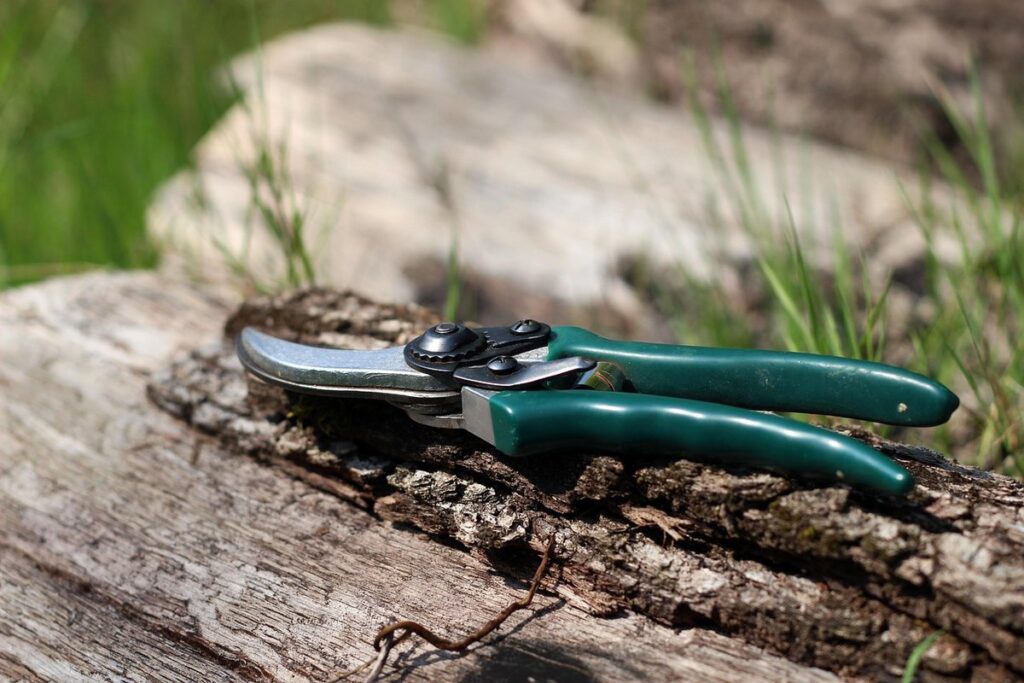
When it comes to pruning hydrangeas, having the right tools is crucial for achieving clean cuts and promoting healthy growth. Proper tool selection can make all the difference in ensuring a successful pruning session. There are two primary types of pruning shears: bypass and anvil.
Bypass pruners are ideal for cutting stems up to 1 inch in diameter and are perfect for hydrangea arborescens, as they allow for smooth cuts without crushing the stem. Anvil pruners, on the other hand, are better suited for thicker stems and can be used for more aggressive pruning.
When choosing the right pruners, consider factors such as the material (stainless steel or carbon fiber) and ergonomics. Look for shears with comfortable grip handles and a spring-loaded mechanism that reduces fatigue during prolonged use. A good pair of bypass pruners should have sharp blades and be well-maintained to prevent rust and ensure efficient cutting.
Investing in a quality pair of pruning shears will save you time and effort in the long run, not to mention promote healthier growth for your hydrangea arborescens plants.
Other Essential Tools and Accessories
In addition to the pruning shears and loppers, there are several other essential tools and accessories that will make the pruning process easier and more effective. A good pair of gardening gloves is a must-have when working with thorny hydrangea arborescens. Not only will they protect your hands from cuts and scratches, but they’ll also provide grip and dexterity for delicate pruning tasks.
A pruning saw is another valuable tool to have in your arsenal. It’s particularly useful for cutting thicker branches that are difficult to reach or require more leverage. When using a pruning saw, be sure to cut on the outside of the branch, following the natural angle of the stem. This will help prevent damage to the surrounding bark and promote healthy healing.
Other essentials include a knee pad or gardening kneeler to provide comfort and support while working at ground level, and a bucket or container for collecting pruned branches and debris. By having these tools on hand, you’ll be able to prune your hydrangea arborescens with confidence and precision. Remember to always clean and store your tools properly after use to maintain their effectiveness and extend their lifespan.
Basic Pruning Techniques
To prune your Hydrangea arborescens effectively, you’ll want to learn basic techniques such as cutting back canes and removing deadwood.
Step-by-Step Guide to Hydrangea Arborescens Pruning
When it’s time to prune your Hydrangea arborescens, follow these steps to maintain its health and appearance. Start by removing deadwood from the plant, cutting off any branches that are completely brown or gray, as they can’t be saved. Make clean cuts just above a bud eye or a lateral branch to encourage new growth.
Next, shape your Hydrangea arborescens to promote even growth and maintain its desired form. Remove any crossing or rubbing branches by cutting them off about an inch from the point of contact. This will prevent damage to the plant and improve air circulation.
To control the size of your Hydrangea arborescens, prune back branches that are growing outside of its natural shape or getting too leggy. Cut these branches back to about one-third to one-half of their length to maintain a balanced look and encourage new growth from lower buds.
Prune at the right time – after the blooming season but before new growth begins in early spring – to avoid cutting off next year’s flowers.
Common Mistakes to Avoid During Pruning
When pruning your Hydrangea arborescens, it’s easy to get carried away and make mistakes that can harm the plant. One common error is cutting too much at once. It may seem like a good idea to remove all dead or damaged branches in one session, but this can shock the tree and lead to further decline. Instead, prune in stages over several weeks or months.
Another mistake to avoid is leaving stubs on your Hydrangea arborescens. Cutting branches back to a bud, called a “heading cut,” encourages new growth from that spot. Leaving stubs can cause weak, water-spouting growth and make the tree more susceptible to disease. To avoid this, simply snip off the dead or damaged branch as close to the main stem as possible.
By taking your time and pruning judiciously, you can keep your Hydrangea arborescens healthy and thriving throughout the growing season. Regular maintenance will also encourage blooming, a key feature of this popular shrub.
Advanced Pruning Techniques
Now that you’ve mastered the basics of hydrangea arborescens pruning, let’s dive into some more advanced techniques to take your plant care skills to the next level.
Renewal Pruning for Overgrown Plants
Renewal pruning is an essential technique to rejuvenate overgrown Hydrangea arborescens plants. This process involves removing old stems to encourage new growth and make room for younger branches to take over. It’s a bit like giving the plant a haircut – it helps maintain its shape, promotes healthy growth, and even increases flower production.
When performing renewal pruning on your Hydrangea arborescens, start by identifying which stems are older and less productive. Look for stems that have produced flowers in the past but are now showing signs of decline or damage. Cut these stems back to about 6-12 inches from the ground, making sure each cut is clean and smooth.
By removing old stems, you’re allowing your plant to redirect its energy towards producing new growth. This will result in a more vigorous and productive plant come next season.
Shaping Hydrangea Arborescens for Aesthetic Appeal
To shape hydrangea arborescens for optimal aesthetic appeal, you’ll want to focus on controlling its height and spreading. One technique is to prune the plant’s tallest stems back by about one-third to a half after it finishes blooming. This will encourage new growth from lower branches, which can help control the overall height of the plant.
Another approach is to use selective pruning to maintain shape. Remove any dead or damaged wood, and trim back overgrown branches to about a foot from the main stem. This will also promote a fuller, more balanced appearance.
When it comes to spreading, consider using a technique called “air layering.” Make a small incision on the underside of a low branch, about 6-8 inches from the base of the plant. Gently pry away some bark and apply a rooting hormone to encourage roots to develop. Once roots have formed, you can cut the branch below the incision and reattach it to the main stem, which will create a new, self-sustaining section that can help control the spread of the plant.
By implementing these techniques, you’ll be able to shape your hydrangea arborescens into a stunning, well-proportioned specimen with optimal aesthetic appeal.
Post-Pruning Care
Now that you’ve pruned your Hydrangea Arborescens, it’s time to focus on post-pruning care to ensure a thriving and healthy plant all season long. This includes watering, fertilizing, and monitoring for pests.
Aftercare Instructions for Healthy Regrowth
After pruning your hydrangea arborescens, it’s essential to provide proper care for healthy regrowth. Start by watering your plant thoroughly after pruning, but avoid overwatering which can lead to root rot and other issues. Instead, water deeply once or twice a week, depending on weather conditions.
Fertilization is also crucial during the growing season (spring-fall). Use a balanced, slow-release fertilizer (10-10-10 NPK) in late March or early April, following the manufacturer’s instructions. This will provide your plant with the necessary nutrients for new growth. You can also apply an acidic fertilizer specifically formulated for hydrangeas to promote blue flowers.
Keep an eye out for pests like aphids, whiteflies, and spider mites, which can infest your plant after pruning. Regularly inspect your hydrangea for signs of these pests, such as yellowing leaves or sticky honeydew droplets on the stems. Use neem oil or insecticidal soap to control infestations, following the product’s instructions carefully.
By following these aftercare instructions, you’ll be able to encourage healthy regrowth and promote a thriving hydrangea arborescens. Regularly inspect your plant for any signs of stress or disease, making adjustments as needed to ensure optimal growth.
Monitoring Your Plant’s Response
Monitoring your plant’s response to pruning is crucial for healthy growth and blooming. After pruning Hydrangea arborescens, observe your plant closely to ensure it’s adapting well to its new shape.
Keep an eye out for signs of stress or shock, such as yellowing leaves, droopy branches, or a general decline in appearance. If you notice any of these symptoms, make sure your plant is receiving enough water and nutrients. It may take some time for the plant to recover from pruning, but with proper care, it should bounce back.
Regularly inspect your plant’s new growth, checking for signs of disease or pests. Prune dead or damaged branches promptly to prevent the spread of infection and maintain a healthy environment.
Make adjustments as needed based on your plant’s response. If you find that your Hydrangea arborescens is struggling, consider pruning less aggressively in future seasons or providing additional support with stakes or trellises.
As you monitor your plant’s progress, take note of its blooming habits and adjust your pruning schedule accordingly. Some Hydrangea arborescens varieties may require more aggressive pruning to encourage repeat blooms, while others may benefit from a more subtle approach.
Conclusion
Now that you’ve learned how to prune Hydrangea arborescens effectively, let’s wrap up by reviewing key takeaways and final tips for successful pruning.
Recap of Key Pruning Techniques
When pruning hydrangea arborescens, it’s essential to remember that the right techniques can make a significant difference in the health and appearance of your plant. To recap, let’s go over the key takeaways from this comprehensive guide.
Firstly, it’s crucial to prune your hydrangea arborescens at the right time – late winter or early spring before new growth begins. This allows you to remove dead, diseased, or damaged branches without harming the plant. When selecting which branches to remove, look for those that are crossing over other stems, as this can cause damage and reduce air circulation.
Another essential technique is to cut back the current season’s flower buds in late winter or early spring, just before new growth begins. This encourages the plant to produce more flowers in subsequent seasons. To do this, use pruning shears or loppers to cut off the buds about an inch above a leaf node.
It’s also vital to thin out your hydrangea arborescens to improve air circulation and reduce disease susceptibility. Remove weaker growth and any branches that are growing towards the center of the plant. This will help promote healthy growth and encourage more blooms.
Lastly, be sure to maintain a balanced shape by cutting back the tips of the stems in late spring or early summer. This will help control the plant’s height and promote a fuller, more compact shape.
By following these essential pruning techniques, you’ll be well on your way to growing a healthy, thriving hydrangea arborescens that produces an abundance of beautiful blooms year after year.
Frequently Asked Questions
What should I expect immediately after pruning my Hydrangea arborescens?
After pruning, your hydrangea will appear less robust as some of the stems are removed. However, this is a normal part of the process. Within weeks, new growth will emerge from the remaining buds and canes. This regrowth typically starts at the base of the plant and works its way up, giving it a fresh, rejuvenated appearance.
Can I prune my Hydrangea arborescens in the fall or early spring?
While pruning in mid-to-late summer is ideal for maintaining flower production, you can prune your hydrangea arborescens during dormancy if necessary. However, avoid pruning too late in the season as this may affect next year’s blooms. Pruning during dormancy can be beneficial for removing dead or damaged wood and shaping the plant.
How do I know when my Hydrangea arborescens is ready for renewal pruning?
Renewal pruning is typically necessary every 3-5 years to maintain a healthy balance between growth and flowering. Signs that your hydrangea needs renewal pruning include overgrown stems, reduced flower production, or the presence of dead wood. If you notice any of these issues, it’s time to consider performing a renewal prune on your plant.
What if I accidentally remove too much of my Hydrangea arborescens during pruning?
If you accidentally remove more growth than intended, the good news is that many hydrangeas are forgiving. The plant will still produce new growth from remaining buds and canes. Monitor your plant closely after pruning to ensure it’s producing new stems and leaves. With proper care, your hydrangea should recover and continue thriving.
How do I monitor my Hydrangea arborescens’ response to pruning?
Monitoring your hydrangea’s response involves tracking its growth, flower production, and overall health over time. Regularly inspect the plant for signs of disease or pests, and maintain a consistent watering schedule to support healthy regrowth. Keep an eye out for new growth emerging from the base of the plant, which is a sign that it’s responding well to pruning and producing new canes.