
Pruning your hibiscus plant might seem daunting, but trust us, it’s a crucial step in promoting healthy growth and encouraging those beautiful blooms to flourish. By mastering pruning techniques, you can increase flowering, prevent pests and diseases from taking hold, and keep your garden looking its best all season long.
Whether you’re a seasoned gardener or just starting out with hibiscus, knowing when and how to prune is essential for achieving the vibrant, thriving plants of your dreams. In this article, we’ll cover expert tips on pruning techniques, timing, and varieties, so you can enjoy a robust and pest-free garden. From understanding why pruning is important to learning specific strategies for promoting healthy growth and boosting blooms, we’ve got you covered – let’s dive in and get pruning!
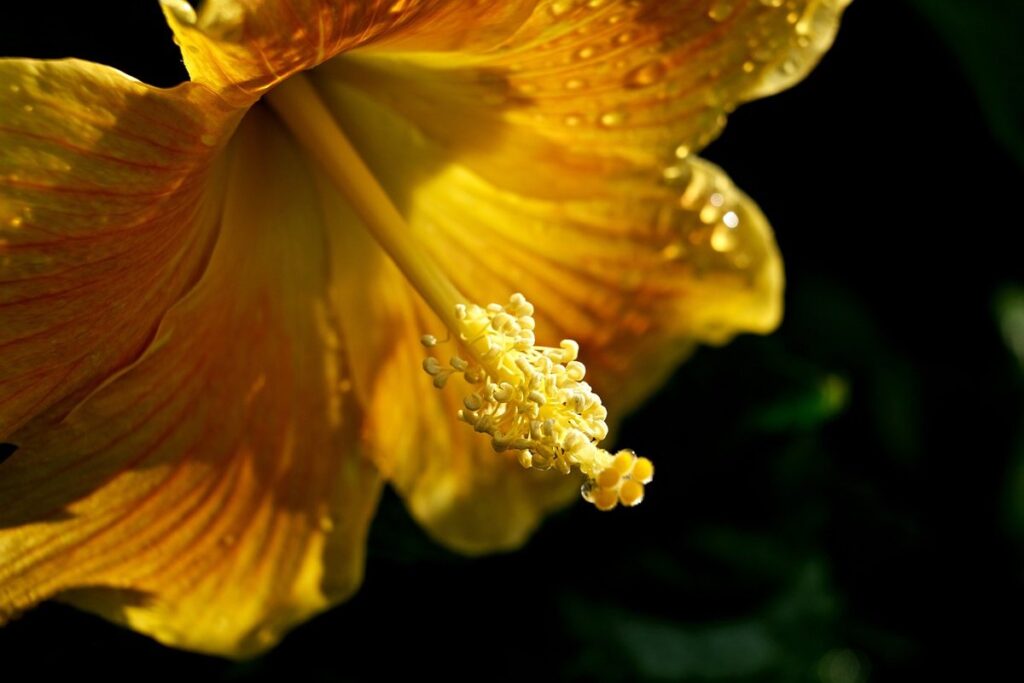
Benefits of Pruning Hibiscus
Pruning hibiscus not only helps maintain its shape, but also promotes healthy growth, encourages new blooms, and prevents disease. This is where the benefits really shine!
Why Prune Your Hibiscus?
Pruning your hibiscus is one of the most crucial tasks for maintaining a thriving garden. It’s not just about giving your plant a haircut; it serves multiple purposes that directly impact its overall health and productivity. By pruning your hibiscus, you promote healthy growth by removing dead or diseased branches, which can spread diseases to other parts of the plant.
This simple act also increases flowering, as pruning encourages new growth and stimulates the production of buds. You’ll find yourself with more vibrant flowers than ever before, adding color and beauty to your garden. Moreover, pruning helps prevent pests and diseases from taking hold by removing weak points where they can enter the plant.
Regular pruning also helps maintain the shape and size of your hibiscus, keeping it bushy and full rather than leggy or overgrown. This in turn improves air circulation around the plant, reducing the risk of fungal diseases that thrive in humid environments. With a little practice and patience, you’ll be amazed at how quickly pruning becomes second nature – and how much more vibrant your hibiscus will look as a result.
Types of Pruning for Hibiscus
When it comes to pruning hibiscus, different techniques can help you achieve specific goals. Let’s take a closer look at three common types of pruning: top-pruning, tip-pruning, and root-pruning.
Top-pruning involves cutting back the main stem or branches of your hibiscus plant, usually by one-third to half its height. This technique is ideal for promoting new growth, improving air circulation, and encouraging bushy habits in compact varieties. For example, if your hibiscus has become leggy over the winter months, top-pruning can help revive it.
Tip-pruning, on the other hand, involves removing the tips of branches to control height or encourage branching. This method is great for maintaining the desired size and shape of your plant while still allowing it to produce plenty of flowers. By pinching off the growing tips, you’ll stimulate the production of lateral buds, resulting in a fuller, more compact plant.
Root-pruning, often overlooked but equally important, involves gently lifting and inspecting the roots of your hibiscus. This process can help remove any dead or circling roots that may be hindering growth. By promoting healthy root development, you’ll give your plant the best chance to absorb nutrients and water, leading to a more resilient and thriving garden feature.
Preparing Your Hibiscus for Pruning
Before you start pruning your hibiscus, it’s essential to prepare the plant by removing any dead or damaged leaves and stems to prevent the spread of disease. This simple step sets your plant up for a healthy trim.
Choosing the Right Tools
When it comes to pruning hibiscus, having the right tools can make all the difference. You don’t need a whole arsenal of equipment, but investing in a few essential tools will help you tackle the task with ease and efficiency.
First and foremost, you’ll need a good pair of loppers. These long-handled pruning shears are perfect for cutting thicker stems up to 2-3 inches in diameter. Look for loppers with sharp blades and comfortable grips to make the task less straining on your hands and wrists.
A pruning saw is also a must-have, especially if you have mature hibiscus plants with larger branches. This type of saw is designed specifically for cutting through thicker wood, making it ideal for removing dead or damaged branches. Be sure to choose a saw with a curved blade to navigate tight spaces easily.
Lastly, don’t forget to protect your hands with a good pair of gardening gloves. These will not only shield you from thorns and sap but also provide grip and traction when handling slippery stems. Consider investing in a long-sleeved glove to keep your arms protected as well.
Timing of Pruning Sessions
When to prune your hibiscus is just as important as how to prune it. Pruning at the right time can make all the difference in promoting healthy growth and preventing disease. Generally, you’ll want to prune your hibiscus during two distinct periods: the dormant season and after new growth appears.
Dormant season pruning typically occurs between late winter and early spring, when your hibiscus is still asleep under a layer of protection from frost. This is an excellent time for more extensive pruning, as you can cut back stems to about 12-18 inches from the ground without causing harm. Removing dead or damaged branches helps prevent disease and encourages new growth.
Wait until after the first flush of new growth appears in spring before doing any minor pruning. This is usually around late March to early May, depending on your climate. During this time, you can tidy up the plant by removing any weak or spindly stems, promoting air circulation and preventing fungal diseases. Be cautious not to over-prune, as this can shock the plant and lead to a reduced bloom cycle.
Pruning Techniques for Different Hibiscus Varieties
When pruning different types of hibiscus, it’s essential to consider their unique growth habits and requirements, such as tropical varieties versus compact shrub forms. This section will walk you through specific techniques for various hibiscus types.
Hybrid Tea and Grandiflora Hibiscus
Hybrid tea and grandiflora hibiscus varieties are some of the most popular types of hibiscus grown for their large, showy flowers. However, they can be a bit more finicky when it comes to pruning. To keep these varieties looking their best and promoting healthy growth, you’ll want to prune them regularly.
Pruning hybrid tea and grandiflora hibiscus should be done on an ongoing basis throughout the growing season. Remove any dead or dying flowers, as well as any weak or damaged branches. This will help encourage new growth and prevent the spread of disease. You can also remove any suckers that grow from the base of the plant, as these can take energy away from the rest of the plant.
One key thing to note when pruning hybrid tea and grandiflora hibiscus is to make clean cuts just above a leaf node using sharp, sterile pruning tools. This will help promote healthy growth and prevent the spread of disease. Prune back leggy branches by about one-third to encourage bushy growth and more blooms.
Rose Mallow and Swamp Hibiscus
When it comes to pruning Rose Mallow (Hibiscus moscheutos) and Swamp Hibiscus (Hibiscus coccineus), these vigorous growers require a bit more finesse. Their stems can grow up to 15 feet tall, making them a stunning addition to any garden. However, their rapid growth can quickly become overwhelming.
To control their spread, prune your Rose Mallow and Swamp Hibiscus plants back by about one-third in late winter or early spring. This will help encourage bushy growth and prevent the stems from becoming too leggy. You can also cut back individual stems to about 6-8 inches above the soil line to promote new growth.
Regular deadheading of spent flowers will not only keep your plants looking tidy, but it’ll also stimulate more blooms throughout the growing season. Remove any weak or spindly growth as you prune to maintain a balanced shape and encourage healthy development. By pruning your Rose Mallow and Swamp Hibiscus regularly, you’ll be rewarded with a lush, thriving display of vibrant flowers that will add drama and beauty to your garden all summer long.
Common Mistakes to Avoid When Pruning Hibiscus
When pruning hibiscus, it’s easy to make mistakes that can harm your plant’s growth and health. Let’s take a look at some common errors to avoid.
Cutting Too Much or Too Little
When pruning hibiscus, it’s easy to get carried away with removing too much foliage or not enough. However, this can lead to stress and disease issues that can harm your plant. On one hand, if you remove too little of the old growth, the plant may become leggy and produce fewer blooms. This is because older leaves can harbor diseases and pests, so it’s essential to remove some of them to promote healthy growth.
On the other hand, removing too much foliage at once can shock the plant and cause it to become stressed. This can make it more susceptible to disease and pests. A good rule of thumb is to remove no more than one-third of the old growth at a time. This allows you to control the amount of stress on the plant while still promoting new growth.
Remember, regular pruning is key to maintaining a healthy hibiscus plant. By removing dead or damaged leaves and stems in moderation, you can encourage your plant to grow strong and thrive.
Not Pruning Regularly Enough
Regular pruning is an essential task when it comes to growing hibiscus plants. Neglecting this chore can lead to a multitude of problems for your garden. Without regular pruning, hibiscus plants become leggy and unbalanced, with weak stems that are more susceptible to disease and pests.
If you don’t prune your hibiscus regularly, it will also reduce the plant’s overall flowering performance. This is because the energy required for blooming is diverted to support excessive growth instead. You may see fewer flowers or smaller blooms, which can be disappointing if you’re looking forward to enjoying those stunning displays of color.
To avoid this issue, make pruning a regular part of your gardening routine. Remove any dead or damaged branches at least once a month during the growing season, and trim back overgrown sections to maintain a balanced shape. This will encourage healthy growth, promote blooming, and keep your hibiscus plant looking its best all year round.
Remember, prevention is key – by pruning regularly, you’ll save yourself the hassle of dealing with more serious problems down the line.
Troubleshooting Common Pruning-Related Issues
When unexpected problems arise during hibiscus pruning, it’s essential to know how to identify and address common issues to prevent damage to your plants. This section will walk you through solutions to common problems.
Dealing with Dead or Damaged Branches
When pruning hibiscus, it’s essential to identify and remove dead or damaged branches to prevent further disease spread and promote healthy growth. Look for signs of decay such as blackened stems, cracks, or soft spots on the wood. Be cautious not to confuse these with natural stress lines that can appear on older branches.
To assess a branch’s condition, gently scrape away any debris or leaf litter to expose the stem. If it crumbles easily or has a mushy texture, it’s likely dead and should be removed. For damaged but still sturdy branches, trim off the affected area with clean pruning tools to prevent disease from spreading further.
Regularly inspect your hibiscus plants for dead or dying wood, especially after periods of stress like harsh weather or pests. Removing these branches promptly will encourage the plant’s energy to focus on healthy growth and flowering, rather than struggling to recover from damage.
Encouraging New Growth
After pruning your hibiscus plant, it’s essential to encourage new growth to ensure its continued health and vigor. One of the most critical steps is providing the right nutrients through fertilization. Since hibiscus plants are heavy feeders, they require a balanced fertilizer rich in phosphorus to promote root development and flowering. You can apply a water-soluble fertilizer at half the recommended strength once a month, or use a slow-release formula that will last throughout the growing season.
In addition to fertilization, proper watering is also crucial for promoting new growth. Hibiscus plants prefer moist soil but can be susceptible to root rot if overwatered. To avoid this, make sure to water your plant thoroughly, allowing excess water to drain from the pot. You can also mulch around the base of the plant to retain moisture and suppress weeds.
By following these tips, you’ll be providing your hibiscus with the perfect conditions for new growth to flourish. Remember to keep an eye on your plant’s response to fertilization and adjust as needed to avoid overfertilizing. With proper care, your pruned hibiscus will quickly regain its vigor and continue to thrive in your garden.
Tips for Advanced Hibiscus Growers
If you’re already familiar with pruning hibiscus, but want to take your gardening skills to the next level, here are some advanced techniques to try. We’ll share expert tips on maximizing blooms and preventing common problems.
Experimenting with Different Pruning Techniques
As an advanced hibiscus grower, you’re likely eager to take your pruning skills to the next level. Experimenting with different techniques can help you achieve a more vibrant and healthy plant. Try your hand at ‘topping’ – cutting off the top third of new growth to encourage bushy growth and prevent lanky stems from developing. This method is especially useful for compact or dwarf varieties.
Another technique worth exploring is ‘tip pruning,’ where you remove only the tip of each stem, just above a leaf node. This encourages branching and can lead to more blooms throughout the growing season. You can also experiment with ‘deadheading’ – removing spent flowers – which not only keeps your plant looking tidy but can encourage repeat blooming.
For a more radical approach, consider trying ‘renovation pruning,’ where you cut back the entire plant to about a foot from the ground in late winter or early spring. This method is best suited for older plants that have become leggy and require rejuvenation. By experimenting with these various techniques, you’ll be able to fine-tune your pruning approach and achieve optimal results for your hibiscus.
Incorporating Companion Planting
When it comes to growing hibiscus, many gardeners overlook one simple yet effective technique: companion planting. By strategically placing other plants alongside your hibiscus, you can create a thriving ecosystem that promotes healthy growth and reduces pests and diseases.
Marigolds are an excellent choice for companion planting with hibiscus. Their bright yellow and orange flowers repel nematodes, which can harm hibiscus roots, while their strong scent deters aphids and whiteflies. By interplanting marigolds among your hibiscus, you’ll enjoy a reduced risk of these pests and a more balanced garden ecosystem.
Another beneficial companion for hibiscus is the nasturtium plant. Its bright flowers attract beneficial insects like lacewings and hoverflies, which prey on aphids and other pests that target hibiscus. By planting nasturtiums alongside your hibiscus, you’ll create a natural pest control system that’s both effective and environmentally friendly.
To incorporate companion planting into your hibiscus garden, choose plants with complementary growth habits and space requirements. For example, marigolds can thrive in the same full-sun conditions as hibiscus, while nasturtiums prefer slightly shadier areas. With a little planning and creativity, you can create a harmonious and resilient garden ecosystem that benefits from the unique strengths of each plant variety.
Frequently Asked Questions
What are the best times for regular pruning sessions?
Yes, it’s recommended to prune your hibiscus regularly, every 2-3 weeks during the growing season (spring-fall), to maintain its shape and promote healthy growth. This frequency may vary depending on the specific variety, climate, and level of care.
How can I tell if my hibiscus is receiving enough sunlight?
Observe your plant’s overall health and flowering pattern. Hibiscus typically requires at least 6 hours of direct sunlight per day to produce abundant blooms. If you notice weak or spindly growth, consider moving it to a brighter location.
Can I prune back overgrown branches on older hibiscus plants?
Yes, pruning mature hibiscus plants can be done in the same way as younger ones. Be cautious not to remove too much at once, as this may shock the plant. Start with minor cuts and gradually shape your plant’s structure.
How do I prevent pests and diseases from taking over after pruning my hibiscus?
Pruning itself doesn’t attract pests or disease, but weakened plants are more susceptible. Inspect your plant regularly for signs of infestation or infection, and take action promptly to prevent the spread. Regularly disinfect your pruning tools between cuts.
What if I accidentally cut a healthy stem while trying to remove dead branches?
Cut off only the diseased or damaged section, making sure not to damage the surrounding tissue. This should be done as soon as possible to minimize sap flow and promote healing.