
As a UK homeowner, maintaining your garden’s appearance can be a daunting task. One key aspect is pruning your hedges, but when exactly should you do this? The climate and soil conditions in the UK can make it tricky to determine the best time for pruning, especially considering factors like sunlight exposure. Pruning at the right time ensures not only the health of your hedges but also their aesthetic appeal.
In this article, we’ll delve into the essential techniques and schedules for pruning your hedges in the UK. We’ll explore how climate, soil type, and sunlight levels impact when to prune hedges. You can learn the best tools and methods to use depending on your specific conditions and get a step-by-step guide on when to prune different types of hedges. Whether you’re a seasoned gardener or just starting out, this article aims to provide you with expert advice for pruning like a pro.
Understanding Hedge Growth Cycles
When it comes to pruning hedges, understanding their growth cycles is crucial for maintaining a healthy and well-shaped hedge. Let’s take a closer look at how hedges grow throughout the year.
Factors Influencing Hedge Growth
Understanding the underlying factors that influence hedge growth is crucial for determining when to prune. Climate plays a significant role in shaping hedge growth patterns. For instance, hedges growing in areas with mild winters and cool summers tend to thrive during spring and autumn, whereas those in regions with harsher climates may experience slower growth.
Soil type also significantly impacts hedge growth. Well-draining soils allow roots to grow deeper, promoting healthy growth, whereas poorly draining soils can cause root rot, leading to reduced growth rates. Sunlight exposure is another vital factor – hedges receiving full sun tend to be denser and more robust than those in shaded areas.
In the UK, with its temperate climate, most hedge species experience their main growth periods during spring and summer. However, factors like soil type and sunlight can cause variations within these general patterns. Understanding these influences is essential for pruning at optimal times – pruning too early or late can lead to reduced growth rates and an increased risk of disease.
Consider the specific conditions your hedges are growing in when determining your pruning schedule – it may be necessary to adjust based on local climate, soil type, and sunlight levels.
Identifying Pruning Needs
Identifying pruning needs is crucial to maintaining healthy and visually appealing hedges. To recognize when your hedge requires attention, look out for signs of overgrowth, decay, or disease. Overgrown hedges can be identified by their excessive height, which can obstruct light and create an uneven appearance.
Check for dead, diseased, or damaged branches, as these can compromise the overall health of the hedge. Diseases such as honey fungus or root rot can cause discoloration, cankered bark, or mushrooms growing from the base of the plant. Regular inspections will help you catch issues before they spread and become more difficult to manage.
In addition to visual checks, consider factors like weather conditions and seasonal changes. For example, hedges exposed to strong winds may require pruning to maintain their shape and prevent damage. Similarly, droughts or extreme temperatures can cause stress to the plants, making them more susceptible to disease. By staying vigilant and addressing these issues promptly, you’ll be able to keep your hedge looking its best throughout the year.
Choosing the Right Time for Pruning
When it comes to pruning your hedge, timing is everything. In this next part of our guide, we’ll help you figure out when to prune your hedge in perfect sync with nature.
Seasonal Considerations
When pruning hedges in the UK, it’s essential to consider the time of year and choose the right season for maintenance. Spring (March to May) is an ideal time to prune deciduous hedges, as new growth begins after winter dormancy. This allows you to shape the hedge and promote healthy growth without causing excessive stress.
For evergreen hedges like conifers or boxwood, autumn (September to November) is a better option. Pruning during this season encourages new growth in the spring and helps maintain a neat appearance. Summer pruning can be done for specific hedges like lavender or rosemary, but it’s best avoided for most types as it can lead to dieback.
In contrast, pruning in winter (December to February) is generally not recommended, as the cold temperatures can cause damage and create an entry point for disease. By choosing the right season for pruning, you’ll be able to maintain your hedge’s health and appearance throughout the year.
Keep in mind that specific weather conditions like drought or extreme temperatures can impact pruning schedules. Always inspect your hedge before pruning and adjust your schedule accordingly to ensure the best results.
Understanding Dormancy Periods
Understanding dormancy periods is crucial when deciding on the right time for pruning. Different plant species have varying levels of dormancy, which affects their ability to heal wounds and respond to new growth. For example, coniferous trees like Leylandii and Lawson cypress are evergreen but still experience a dormant period in winter. In contrast, deciduous trees like oak and beech are dormant for around 3-4 months during the coldest part of winter.
To determine if your hedge is in dormancy, observe its growth patterns. If it’s not actively growing or producing new leaves, it may be dormant. This can also be influenced by weather conditions – prolonged periods of cold temperatures and frost can trigger dormancy. Knowing this, you should prune deciduous hedges between March to July when they’re actively growing, while coniferous ones are best pruned during the spring or early summer.
Some trees like apple and pear may require additional maintenance before pruning. They should be inspected for any signs of pests or diseases that could cause damage if cut back too vigorously. By understanding your hedge’s dormancy period, you can make informed decisions about when to prune for optimal growth and health.
Pruning Techniques and Tools
Now that you know when to prune your hedges, let’s dive into the essential pruning techniques and tools needed for a neat and tidy finish.
Essential Pruning Tools for UK Gardeners
As we delve into the world of pruning hedges in the UK, it’s essential to have the right tools for the job. Pruning can be a therapeutic task, but using the wrong equipment can lead to frustration and potentially damage your plants.
For UK gardeners, investing in good-quality loppers is crucial. Loppers are long-handled pruning shears that allow you to reach branches higher up on your hedge without needing a ladder. Look for loppers with hardened steel blades and comfortable grips, such as Felco or Corona models. For thicker branches (up to 40mm), consider investing in pruning saws, which come in various types, including bow saws and pull saws.
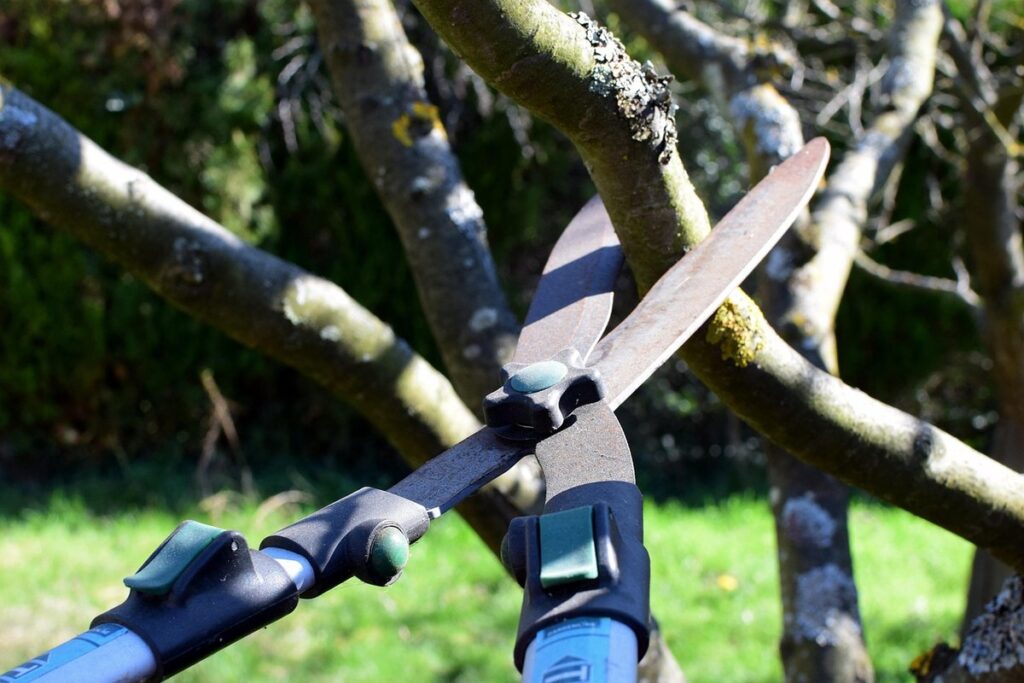
Shears are also an essential tool for pruning hedges. Use sharp-bladed shears for smaller branches and shrubs, but be aware that they can easily become tangled with thicker growth. Hedge shears specifically designed for hedging tasks often have a longer handle length (around 50-60cm) to make it easier to cut through dense foliage.
When choosing pruning tools, consider the type of hedge you’re working on. For example, topiary hedges may require smaller, more precise shears with sharp points for shaping and trimming.
When selecting loppers or shears, think about the size of your garden, the frequency of use, and the specific tasks you’ll be undertaking. A good quality pruning tool will make all the difference to a successful hedge-pruning experience.
Basic Pruning Techniques for Beginners
As a beginner, pruning can seem intimidating, but it’s essential to learn basic techniques to maintain healthy and well-shaped hedges. One of the most common tasks is cutting back overgrown branches. This involves removing long, leggy growths that have become unruly. To do this effectively, start by identifying the most problematic branches and cutting them back to about one-third to one-half of their length. Make clean cuts just above a bud or a leaf node, using sharp pruning tools.
Shaping hedges is also crucial for maintaining their appearance. This involves trimming the hedge to create a uniform shape and density. Begin by removing any dead, diseased, or damaged branches. Then, use your pruners or loppers to trim back the sides of the hedge to about one-third of the way back from the front edge. For topiary shapes, use long-handled shears to create clean lines and defined shapes.
When cutting back overgrown branches, remember to leave at least two sets of leaves on the stem to ensure the plant continues to grow healthily. Also, make sure your pruning tools are sharp to avoid tearing the bark and promote healthy healing.
Advanced Pruning Strategies
For more experienced gardeners, advanced pruning strategies can make a significant difference in the shape and health of your hedges. Here we’ll explore these techniques in more detail.
Shaping Hedges for Aesthetic Appeal
Shaping hedges for aesthetic appeal is an art that requires patience and practice. When done correctly, it can elevate the overall look of your garden and add a touch of sophistication to your outdoor space. To achieve this, you’ll want to use advanced pruning techniques that not only enhance the visual appeal but also maintain the hedge’s structural integrity.
For instance, topiary pruning involves cutting the hedge into geometric shapes such as spheres or cones using specialized tools like shears and loppers. This technique is ideal for formal gardens where precision and uniformity are key. To create a perfect sphere, start by cutting the top of the hedge to an angle, then gradually work your way around, making sure each section is even and symmetrical.
Another technique is espalier pruning, which involves training the branches of the hedge to grow along a trellis or support system. This method not only adds visual interest but also saves space in smaller gardens. To achieve this, choose varieties that are naturally more compact and prune regularly to encourage horizontal growth.
By mastering these advanced techniques, you can create hedges that not only provide year-round structure but also add an extra layer of beauty to your garden’s landscape.
Managing Hedge Size and Density
Controlling hedge size and density is crucial to maintaining their health, appearance, and structural integrity. To achieve this, selective pruning and thinning are essential techniques that can be employed throughout the year. When it comes to managing hedge size, regular maintenance is key. This involves reducing the overall height of the hedge by about one-third during each pruning session.
To control density, focus on removing select branches rather than cutting back the entire hedge. Identify stems with a diameter of around 1-2 cm and remove them entirely. This will allow more sunlight to penetrate, promoting healthy growth and preventing waterlogging. Regular thinning is also necessary to maintain even growth patterns and prevent over-crowding.
In terms of timing, it’s essential to prune and thin hedges during the dormant season (usually from November to March). Avoid pruning during active growth periods as this can cause stress to the plant. By incorporating these strategies into your hedge maintenance routine, you’ll be able to enjoy well-manicured, healthy hedges that require minimal upkeep throughout the year.
To ensure optimal results, it’s recommended to prune and thin in stages over several years rather than attempting to drastically alter the hedge size or density in a single session. This gradual approach will prevent shocking the plant and reduce the risk of disease or pest infestations.
When Not to Prune: Understanding Plant Rest Periods
Pruning at the wrong time can do more harm than good, so it’s essential to understand when your plants are resting and shouldn’t be pruned. Let’s explore these crucial periods together.
Identifying Plants in Rest
Identifying when plants are entering their rest periods is crucial to avoid damaging them with excessive pruning. During this time, plants are more susceptible to stress and may not recover well from heavy pruning. So, how can you tell if a plant is resting? One way to identify it is by observing its growth patterns.
Normally, plants grow throughout the year, but during their rest period, they slow down significantly. For example, coniferous trees like pines and spruces tend to stop producing new needles during winter. Similarly, deciduous trees shed their leaves in autumn, indicating the end of their growing season. Observing these natural cycles can help you determine when a plant is resting.
Another indicator is the color change of the leaves or foliage. As plants prepare for rest, their leaves may turn yellow, orange, or red before falling off. By paying attention to these visual cues, you can avoid pruning during this critical period and prevent causing unnecessary stress to your plants. It’s essential to observe and understand the specific needs of each plant species to ensure you’re not inadvertently harming them with your pruning activities.
Mitigating Damage During Pruning
When pruning hedges, it’s not just about removing unwanted growth – you also need to consider the delicate balance of minimizing damage to stems and branches. This is especially crucial for sensitive or fragile species that can easily become stressed or even die from improper pruning.
To avoid causing irreparable harm, take a gentle approach when working with these types of plants. Use sharp, clean tools to prevent tearing or crushing the tissue, which can leave the plant vulnerable to disease and pests. For example, if you’re dealing with a hedge made up of English lavender, be mindful not to cut too much at once, as this can cause shock and potentially lead to dieback.
Some signs that you’re pruning too aggressively include ragged cuts, bleeding sap, or the appearance of darkened tissue around the wound. To prevent these issues, prune in small increments, making clean, angled cuts just above a growth node. This will help the plant heal quickly and minimize the risk of infection.
Maintenance and Aftercare
Now that you’ve pruned your hedge, it’s essential to care for its new shape by providing regular maintenance and aftercare to ensure it remains healthy and looks great all year round.
Post-Pruning Care for UK Gardeners
After pruning your hedges, it’s essential to provide them with the right care to promote healthy recovery and growth. Watering is a crucial step, especially during hot and dry weather conditions common in the UK. Make sure to water your newly pruned hedges thoroughly, but avoid overwatering which can lead to root rot.
Fertilizing is another key aspect of post-pruning care. A balanced, slow-release fertilizer will provide your hedges with the necessary nutrients to recover from pruning. Apply it according to the manufacturer’s instructions and consider the type of plants you’re growing. For example, if you have coniferous or evergreen hedges, use an acidic fertilizer.
Mulching is also a great way to retain moisture, suppress weeds, and regulate soil temperature. Use organic mulch like wood chips or bark chippings, avoiding those that can acidify the soil, such as pine needles. Apply it around 5-7 cm thick, keeping it away from plant stems to prevent damage.
By following these simple steps, you’ll be giving your hedges the best chance to recover and grow strong. Regular maintenance is key, so make sure to monitor your plants’ condition and adjust your care routine accordingly.
Regular Pruning Schedules
Establishing a regular pruning schedule is crucial for maintaining the health and appearance of your hedge. The frequency and timing of pruning will depend on the type of hedge you have and the UK climate conditions.
For example, evergreen hedges like boxwood or yew can be pruned throughout the year, but it’s essential to prune them at different times. For boxwood hedges, prune in early spring (February-March) and again in late summer (August-September). This helps maintain their shape and promotes healthy growth.
On the other hand, deciduous hedges like beech or oak typically require pruning during their dormant season. Prune these hedges in late winter to early spring (January-February), as this allows for better wound healing and reduces the risk of disease.
Consider creating a calendar with specific pruning dates tailored to your hedge type and climate conditions. For instance, if you live in a cooler region like Scotland or Northern England, prune your hedge slightly later than those living in warmer areas like Southern England. Remember to also account for any extreme weather events that may impact your hedge’s growth.
By establishing a regular pruning schedule, you’ll be able to maintain your hedge’s shape and promote healthy growth throughout the year.
Frequently Asked Questions
Can I Prune Hedges During the Winter Months?
Yes, pruning hedges during winter months (December to February) can be beneficial for maintaining their health and shape. However, it’s essential to avoid pruning evergreen hedges during this time as they may drop needles or leaves, which can be a nuisance. If you must prune, focus on deciduous hedges and use sharp tools to minimize damage.
How Often Should I Prune My Hedges?
The frequency of pruning depends on the hedge type, growth rate, and desired shape. As a general rule, prune your hedges at least twice a year: once in spring (March to May) for maintenance and again in autumn (September to November) for shaping. However, some hedges may require more frequent pruning, so monitor their growth and adjust accordingly.
What If I Miss the Best Pruning Time?
If you miss the optimal pruning time, don’t worry! Prune your hedges as soon as possible after the missed opportunity. Although it’s ideal to prune at specific times, prompt pruning is still better than delaying it. Just be aware that your hedge may require additional maintenance or shaping in the future.
How Do I Know When My Hedge is Out of Dormancy?
Hedge plants typically come out of dormancy during late winter to early spring (February to March). Look for signs like new growth, increased leaf color, and a noticeable change in texture. Prune your hedge when it shows these signs to ensure you’re pruning at the right time.
Can I Use Power Tools for Pruning?
While power tools can be efficient for large-scale pruning, they may not be suitable for smaller or more delicate hedges. For precise cuts and shaping, use manual pruning tools like shears, loppers, or a hedge trimmer. Reserve power tools for bigger tasks or when working with thicker branches.