
As a grapevine grower, you’re probably aware that proper care and maintenance are crucial for healthy growth and optimal fruit quality. But did you know that winter is the perfect time to prune your grapevines? Pruning during this dormant period can make all the difference in promoting healthy vine growth, increasing yields, and enhancing overall grape quality. In this article, we’ll explore the importance of winter pruning for grapevine health and discuss the tools, techniques, and strategies you need to achieve optimal results. We’ll cover everything from why pruning is essential during the dormant season to how to prune your vines safely and effectively. Whether you’re a seasoned grower or just starting out, this article will provide you with valuable insights and practical tips to help you take your grapevine care to the next level.
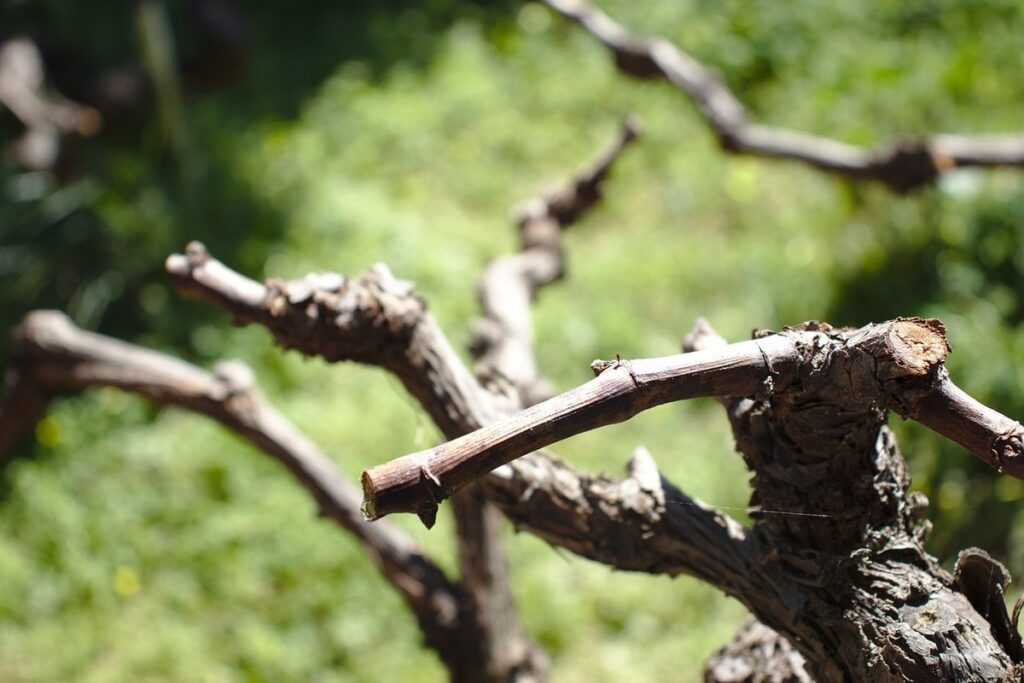
Understanding the Importance of Winter Pruning
Pruning grape vines during winter might seem counterintuitive, but it’s a crucial step to promote healthy growth and ensure a bountiful harvest in the years to come. Let’s explore why pruning is so essential for your vineyard.
When to Prune Your Grape Vines for Optimal Growth
When to Prune Your Grape Vines for Optimal Growth is crucial, as it sets the stage for a healthy and productive growing season. Winter pruning plays a significant role in disease prevention by removing infected areas before they can spread and cause damage to the rest of the vine.
Pruning also has a direct impact on fruit quality. By carefully selecting which branches to remove or retain, you can increase sunlight penetration and air circulation around individual clusters, resulting in better-tasting grapes with more balanced sugar levels. This is especially important for grape varieties that thrive in cooler climates, like Pinot Noir or Chardonnay.
In addition to disease prevention and improved fruit quality, winter pruning also promotes overall plant vigor. By reducing the vine’s workload by removing excess growth and promoting a strong framework of healthy branches, you’ll be providing your grape vines with the resources they need to thrive. This can lead to increased yields in subsequent seasons and improved resistance to pests and diseases.
To determine when to prune, look for signs that your grape vines have gone dormant, indicated by bare stalks and minimal vegetative growth. Prune during this period to avoid inadvertently damaging new growth or stimulating unwanted sprouts that could divert energy from the rest of the plant.
The Role of Pruning in Shaping Plant Structure
Pruning is not just about removing dead or diseased wood; it’s also a crucial tool for shaping your grapevine’s structure. By controlling the plant’s growth pattern, pruning promotes a balanced canopy that allows sunlight to penetrate evenly to all areas of the vine. This is especially important during winter months when the days are shorter and light intensity is lower.
When left unpruned, grapevines can become overgrown and congested, leading to reduced fruit production and increased disease susceptibility. Pruning helps address these issues by:
• Removing crossing branches that rub against each other, causing damage and promoting disease
• Eliminating water sprouts and suckers that compete with the main stem for nutrients
• Reducing leaf density, allowing sunlight to reach fruiting areas and increasing photosynthesis
By pruning your grapevine correctly, you can create a healthy, well-balanced structure that optimizes fruit production and overall plant health.
Pre-Pruning Checks: Inspecting Your Grape Vines
Before you begin pruning your grape vines, it’s essential to inspect them carefully for any signs of disease or damage that could impact their health and productivity. Take a close look at each vine for any obvious issues.
Assessing Damage from Winter Weather Conditions
When assessing damage from winter weather conditions, it’s essential to consider the specific effects of frost damage, ice storms, and snow load on your grape vines. Frost damage can manifest as blackened or discolored shoots, while ice storms may cause branches to break or become brittle. Snow load can also be a significant concern, especially if the weight causes bending or collapse of the vine’s structure.
To evaluate the extent of any damage, inspect the vine closely for signs of winter stress. Look for broken or damaged branches, as well as areas where new growth is stunted or discolored. Check for any cracks in the bark or trunk, which can indicate underlying damage. If you suspect significant damage, consider removing affected sections to prevent further decline and promote healthy regrowth.
Some general guidelines for evaluating winter damage include:
* Assessing the overall condition of the vine, including its vigor and productivity
* Inspecting individual branches for signs of breakage or damage
* Evaluating the health of buds and new growth
Identifying Potential Pests and Diseases
When inspecting your grape vines during winter, it’s essential to keep an eye out for potential pests and diseases that can cause harm to your plants. Common issues include Grape Phylloxera, which causes curled and distorted leaves, and Mealybugs, which appear as white, cottony patches on the stems.
Another concern is powdery mildew, a fungal disease that creates a white, dusty coating on the leaves. Look for yellowing or browned leaves, reduced growth, and black spots on the stems. Grape Leaf Roll Virus (GLRV) can also be present during winter months, causing mottled or bronzed leaf coloration.
To identify potential issues early on, keep an eye out for unusual growth patterns, discoloration, or physical damage to the vines. Regularly inspect your plants under good lighting conditions, and gently remove any debris or leaves that may be hiding pests or diseases. If you notice any unusual symptoms, take prompt action by pruning affected areas and treating with organic pest control methods whenever possible.
Keep a detailed record of your observations and treatments, as this can help you identify patterns and develop more effective management strategies for future seasons.
Tools and Techniques for Winter Pruning
Now that you’ve learned the when and why of winter pruning, it’s time to explore the essential tools and techniques to get your grape vines looking their best. Let’s dive into the practicalities!
Choosing the Right Pruning Tools
When it comes to pruning grape vines during winter, having the right tools for the job is essential. The three must-haves for any vineyard are pruning shears, loppers, and saws. Pruning shears are perfect for precision cuts on smaller branches and can be used with either hand. Loppers, on the other hand, offer more leverage and are better suited for thicker stems.
To maintain tool cleanliness and sharpness, clean your pruning tools after each use to prevent the spread of disease. Store them in a dry place or hang them by their handles to keep them from coming into contact with wet soil or water. Regularly sharpening your saws will also make the pruning process more efficient. A dull saw can lead to torn bark and increased disease risk.
It’s also worth noting that using high-quality tools will make a significant difference in the long run. Investing in sharp, clean tools now will pay off come harvest time when healthy vines produce bountiful fruit. Keep your pruning shears sharp with regular honing, and use rust-resistant saws to prevent damage over time.
Basic Pruning Techniques: Cutting, Thinning, and Training
When it comes to pruning your grape vines during winter, mastering basic techniques is essential for promoting healthy growth and maximizing yields. One of the primary objectives of pruning is to remove dead, diseased, or damaged wood, which can harbor pests and diseases that may harm the vine.
To do this effectively, you’ll need to understand three fundamental techniques: cutting, thinning, and training. Cutting involves removing specific branches entirely, usually those that are crossing over other stems or growing inwards towards the center of the plant. This helps maintain airflow and sunlight penetration within the canopy.
Thinning, on the other hand, focuses on reducing the overall density of the vine by removing weaker shoots. This encourages stronger growth and allows more energy to be directed towards fruit production. Training involves guiding the vine’s growth along a trellis or support system, which can significantly improve yields by increasing exposure to sunlight and promoting even ripening.
When pruning, always make clean cuts just above a bud eye, leaving about 1/4 inch of stem intact. This will help prevent water from accumulating in the wound and promote healthy healing.
Pruning Strategies for Different Grape Varieties
When it comes to pruning grape vines, the specific needs of each variety come into play. Let’s explore how to tailor your pruning strategy to popular types like Chardonnay and Merlot.
Pruning for Table Grapes vs. Wine Grapes
When it comes to pruning table grapes versus wine grapes, there are distinct differences that require attention. Table grape varieties like Thompson Seedless have a more vigorous growth habit and produce fruit earlier in the season. To encourage healthy production and prevent over-vigour, prune these vines less aggressively. This means removing only 20-30% of the previous year’s wood, focusing on weak or damaged canes.
Wine grapes, such as Cabernet Sauvignon, have a more moderate growth habit and typically produce fruit later in the season. To maximize grape quality and yield, wine grape growers often prune more extensively, removing up to 50-60% of the previous year’s wood. This involves cutting back strong canes to promote balanced growth and increase sunlight penetration.
It’s essential for growers to understand the specific needs of their grape variety to achieve optimal pruning results. By tailoring pruning strategies to these unique characteristics, you’ll be well on your way to a healthy, productive vineyard.
Pruning Considerations for Young and Mature Vines
When pruning young and mature vines, it’s essential to consider their age and development stage. For young vines, typically under two years old, patience is key. You should avoid over-pruning, which can cause stress and potentially lead to disease or pest issues. Instead, focus on establishing a strong framework by selecting two or three main branches for support and training.
Gradually thin out the remaining shoots during the first year, aiming to maintain around 12-15 buds per foot of vine length. This will allow the plant to conserve energy while promoting healthy growth. As your young vines mature, you can gradually increase pruning intensity over the next few years.
In contrast, mature vines require more extensive pruning to promote fruiting and maintain shape. Prune back about one-third to one-half of the previous year’s wood in late winter or early spring, removing any dead, diseased, or damaged areas. This will help stimulate new growth while controlling vigor and encouraging air circulation to prevent disease.
Managing Winter Pruning Safety and Ergonomics
When pruning grape vines in winter, it’s essential to prioritize your safety and comfort by taking steps to reduce strain on your back and joints. We’ll explore the best practices for ergonomic pruning techniques and personal protective equipment.
Precautions for Pruning in Cold Weather Conditions
Pruning grape vines in winter can be hazardous due to cold weather conditions. Reduced visibility and slippery surfaces make it easy to slip, fall, or get injured while working with sharp tools. Before starting the pruning process, ensure you have proper footwear with good grip and consider wearing warm, waterproof clothing.
Additionally, take note of your physical limitations, especially if you’re not used to winter activities. Cold temperatures can impair dexterity and reaction time, increasing the risk of accidents. If possible, prune in a well-lit area or during the late morning when sunlight is more pronounced.
Be cautious with pruning tools, as they can be heavy and unwieldy in cold conditions. Keep your phone nearby for emergency calls if needed. Stay hydrated by drinking warm beverages and taking regular breaks to avoid fatigue. Lastly, consider having someone accompany you while pruning, especially if you’re working on a large area or with particularly complex vines. This can help prevent accidents and ensure that you get the job done safely and efficiently.
Tips for Efficient and Comfortable Pruning
Pruning grape vines during winter can be a challenging task, but with the right approach, you can make it efficient and comfortable. To begin with, dress warmly and wear sturdy gloves to protect your hands from cold temperatures and thorns.
Choose the right pruning tools for the job, selecting ones that are ergonomic and have cushioned grips. This will help reduce fatigue and strain on your hands and wrists. Use sharp blades or loppers to minimize the effort required for cutting branches.
When pruning, work in sections, starting with the most accessible areas and gradually moving towards more difficult-to-reach spots. Take regular breaks to stretch and rest your muscles, especially in cold weather. Consider using a pruning saw or pole pruner to reach higher branches without straining yourself.
Additionally, prune during a time when sunlight is not directly overhead, which can make visibility better and reduce eye strain. By following these tips, you’ll be able to complete the task safely and efficiently, ensuring your grape vines receive the care they need to thrive in the upcoming growing season.
Monitoring and Maintaining Your Pruned Grape Vines
Now that you’ve pruned your grape vines, it’s essential to monitor their health and perform regular maintenance tasks to ensure a bountiful harvest. This section will guide you through those crucial next steps.
Post-Pruning Care: Watering, Fertilizing, and Training
After pruning your grape vines in winter, it’s essential to provide them with proper care to facilitate their recovery and promote healthy growth. When it comes to watering, be cautious not to overwater, as this can lead to root rot and other problems. Instead, focus on providing consistent moisture, especially during the first growing season after pruning.
Fertilization is another critical aspect of post-pruning care. A balanced fertilizer with a ratio of 10-10-10 (nitrogen-phosphorus-potassium) is ideal for grape vines. Apply it in early spring, following the manufacturer’s instructions and taking into account your soil type and pH level. Consider getting a soil test to determine the specific nutrient requirements of your vineyard.
Training is also crucial during this period. Prune suckers (shoots that grow from the roots) promptly, as they can divert energy away from the main stem. Remove any weak or damaged wood, and ensure that the remaining branches are well-spaced to promote air circulation and sunlight penetration. By attending to these post-pruning care tasks, you’ll be setting your grape vines up for a successful growing season.
Monitoring for Disease and Pest Pressure After Pruning
Monitoring for disease and pest pressure after pruning is crucial to ensure the overall health of your grape vines. As you inspect your pruned vines, be on the lookout for signs of fungal diseases such as powdery mildew or black rot. These diseases thrive in moist conditions and can quickly spread through open wounds caused by pruning.
Check for any yellowing or curling leaves, which may indicate nutrient deficiencies or pest infestations like spider mites or mealybugs. Regularly inspect the vine’s trunk, arms, and cordons for signs of borers, scale insects, or other pests that can cause significant damage if left unchecked.
In addition to visual inspections, consider using sticky traps or yellow traps to monitor for aphids and other flying pests. For fungal diseases, a mixture of sulfur and copper-based fungicides can be applied as a preventative measure, but always follow the manufacturer’s instructions and take necessary precautions.
It’s also essential to keep your pruning tools clean and disinfected between cuts to prevent the spread of disease. If you notice any signs of disease or pests during monitoring, adjust your management strategy accordingly to prevent further damage and protect your grape vines’ health.
Conclusion and Next Steps
Now that you’ve learned the ins and outs of winter grape vine pruning, it’s time to put your new skills into action and bring your vines back to life. Here’s what to expect next.
Recap of Key Takeaways from this Guide
Winter grape vine pruning is an essential practice that can have a significant impact on the health and productivity of your vines. In this comprehensive guide, we’ve covered the key aspects to consider when pruning your grape vines during the winter months.
One of the main takeaways from our discussion is that winter pruning allows for better air circulation within the canopy, reducing the risk of disease and pests. We explored how removing damaged or diseased wood not only eliminates potential infection points but also promotes healthy growth. By selectively cutting back certain sections, you’re able to control the overall shape and size of your vines.
Another crucial point is that winter pruning provides an ideal opportunity to assess and adjust for next season’s yield. This means evaluating last year’s fruiting zones, pruning them back, and redirecting energy towards more productive areas. Additionally, we discussed how to identify and address potential issues like over-pruning or under-pruning, which can significantly impact your vines’ overall health.
By applying the principles outlined in this guide, you’ll be well on your way to a healthier, more bountiful grape vine harvest next season.
Final Tips and Resources for Further Learning
As you’ve completed reading this comprehensive guide on grape vine pruning in winter, we hope you feel more confident and equipped to tackle this crucial task for a healthy and productive harvest. To solidify your knowledge and stay ahead of the curve, here are some final tips and essential resources:
Before embarking on any pruning project, make sure you have all the necessary tools: sharp hand pruners, loppers, and gloves to protect your hands from thorns. Consider consulting a local nursery or experienced viticulturist if you’re new to grape vine pruning.
To continue learning and refining your skills, we recommend checking out online resources such as the National Grape Cooperative’s website (ngc.coop) for up-to-date information on best practices and seasonal guides. The Cornell University Department of Horticulture’s pruning guide is another valuable resource (hort.cornell.edu). For in-depth tutorials and workshops, explore your local extension office or community colleges offering horticultural courses.
Regularly inspecting and maintaining your grape vines throughout the year will pay off with healthier, more productive plants. By combining these tips and resources with the knowledge you’ve gained from this guide, you’ll be well-prepared to tackle the challenges of winter pruning and beyond.
Frequently Asked Questions
What happens if I miss pruning my grapevines during winter, and what are the consequences of delaying this process?
If you miss pruning your grapevines during winter, it can lead to reduced yields, increased disease susceptibility, and potential damage to the vine’s structure. The best course of action is to prune as soon as possible after the dormant season, but avoid pruning during the active growing period, as this can stimulate new growth that may not have time to harden off before winter.
Can I use any pruning technique for all types of grapevines, or are there specific methods for different varieties?
While some basic pruning techniques can be applied universally, different grapevine varieties require tailored approaches. For example, table grapes often benefit from more aggressive pruning to promote fruiting, whereas wine grapes may need a more nuanced approach to balance yield and quality. Research the specific needs of your grape variety to ensure optimal pruning.
How do I handle damaged or diseased areas on my grapevines after winter pruning, and what are some effective prevention methods?
Identify and remove any damaged or diseased sections from your grapevines immediately after pruning. This will prevent further disease spread and encourage healthy regrowth. To prevent damage in the future, implement integrated pest management (IPM) strategies, such as crop rotation, soil amendments, and targeted pesticide applications.
What safety precautions should I take when pruning grapevines in cold weather conditions, and how can I protect myself from injury?
When pruning in cold weather, wear warm clothing, gloves, and eye protection. Regularly inspect your tools for damage or wear, and consider using ergonomic handles to reduce strain on your hands and wrists. Always maintain a safe distance from other people and avoid overreaching, as this can lead to accidents.
How do I know if my grapevines require additional support after pruning, and what types of trellises or training systems are suitable for different varieties?
Assess the structural integrity of your grapevines post-pruning. If the vine is top-heavy or has a weak framework, consider installing a trellis system to provide additional support. Choose a trellis design that complements your grape variety’s growth habits and ensures optimal sunlight exposure.