
As a homeowner, you likely love watching your forsythia bloom in early spring, but did you know that regular pruning is essential to maintaining its health and appearance? Pruning your forsythia not only encourages new growth and prevents overgrowth, but it also helps to promote blooming and prevent disease. However, pruning can be intimidating if you’re new to gardening or unsure of the best techniques.
In this comprehensive guide, we’ll walk you through the essential tools and techniques needed to prune your forsythia like a pro. We’ll cover common mistakes to avoid, including incorrect timing and over-pruning, as well as expert tips on maintaining your pruned plant. By following our step-by-step instructions, you’ll be able to enjoy a beautiful, thriving forsythia in no time. Whether you’re a seasoned gardener or just starting out, this guide will help you achieve the perfect bloom every year.
Understanding Forsythia and Why Pruning is Necessary
Let’s dive into why pruning forsythia is essential, including understanding its growth habits and identifying when it needs a good trim to stay healthy.
The Importance of Pruning for Healthy Growth
When it comes to maintaining the health and appearance of forsythia plants, pruning is an essential practice. Not only does it help promote healthy growth by removing dead or diseased branches, but it also plays a crucial role in shaping the plant’s overall structure. By cutting back overgrown stems and branches, you can maintain your forsythia’s natural shape and encourage new growth.
Pruning also has a significant impact on the blooming period of forsythia plants. When pruned correctly, forsythias can produce vibrant blooms for longer periods, providing an extended display of color in your garden. To maximize this effect, it’s recommended to prune your forsythia immediately after it finishes blooming, as this allows the plant to direct its energy towards producing new growth and flowers.
Regular pruning also helps prevent damage from strong winds and ice, which can be particularly problematic during harsh winter months. By removing weak or damaged branches, you can minimize the risk of damage and keep your forsythia looking its best throughout the year.
Types of Pruning Tools and Equipment Needed
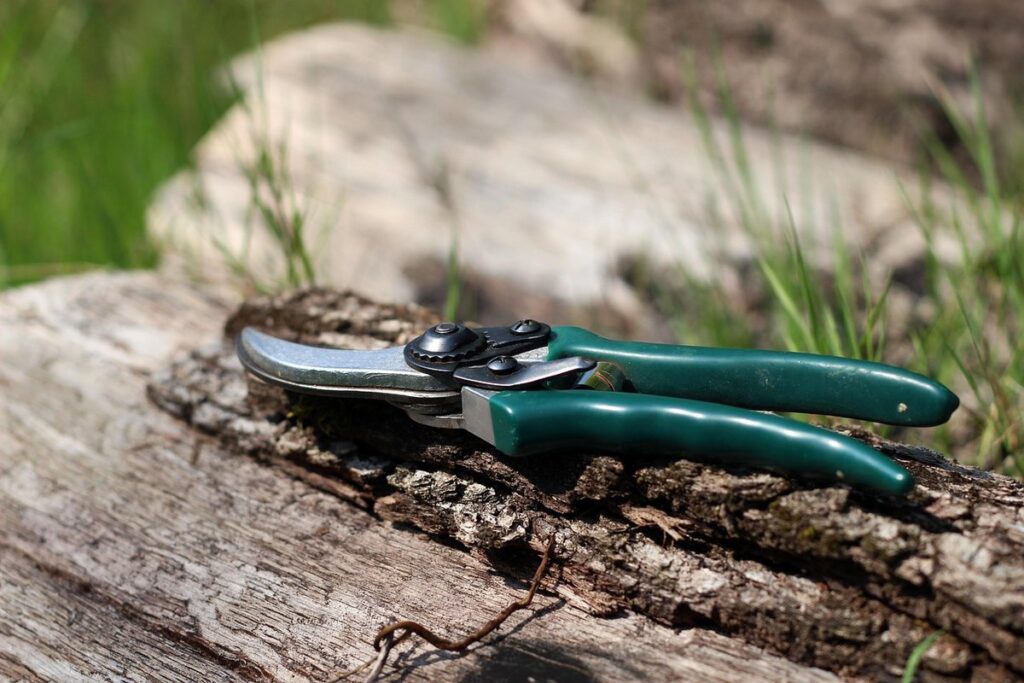
When it comes to pruning forsythia effectively, having the right tools and equipment is crucial. Let’s start with the basics: loppers are a must-have for any pruning job. These long-handled pruners are perfect for cutting thicker branches up to 2 inches in diameter. Invest in high-quality loppers with comfortable grips and sharp blades to make pruning easier.
A pruning saw is another essential tool, especially when dealing with larger branches or those that are particularly stubborn. Choose a saw with a curved blade for easier maneuverability and a sharp tooth design for clean cuts. Some pruning saws even come with interchangeable blades, which can be handy if you have a collection of tools.
Don’t forget about protection gear! Pruning gloves are a must-have to prevent hand fatigue and injuries from thorns or sap. Look for gloves made from durable materials like leather or synthetic fabrics that provide grip and support.
When selecting pruning tools, consider the size and thickness of your forsythia branches as well as any personal preferences you may have. Having multiple types of loppers and saws on hand will make the pruning process more efficient and enjoyable.
When to Prune Forsythia: Timing is Everything
You’re probably eager to know when exactly to prune your forsythia, as improper timing can affect its beauty and health. In this section, we’ll explore the ideal pruning periods for optimal results.
Early Spring Pruning vs. Summer Pruning
When it comes to pruning forsythia, timing is crucial to ensure optimal blooming and overall health of the plant. Two popular approaches are early spring pruning and summer pruning, each with its own set of benefits and drawbacks.
Early spring pruning, typically done in late February or early March, allows for new growth to develop before the blooming period. This approach encourages a full bloom in the spring, but it may lead to an overabundance of branches that can become weak and prone to disease. Additionally, pruning too early can stimulate the plant to produce new shoots, which may not have time to harden off before winter.
Summer pruning, on the other hand, is typically done after the blooming period has ended. This approach helps to maintain the shape of the plant, promote air circulation, and reduce disease susceptibility. However, summer pruning may delay the next year’s bloom or even cause the plant to miss its blooming window altogether.
It’s essential to consider your specific forsythia variety, climate, and personal preferences when deciding between early spring and summer pruning. A general rule of thumb is to prune forsythia after it has finished blooming, as this approach tends to be less invasive and more beneficial in the long run.
Pruning After Blooming or Post-Season Pruning
After forsythia finishes blooming, it’s essential to prune the plant to maintain its shape and promote healthy growth for the next season. This post-blooming pruning is often overlooked, but it plays a crucial role in keeping your forsythia looking its best.
Pruning after blooming helps remove spent flowers and encourages new growth from the buds located just below the flower clusters. By removing the old blooms, you’re allowing the plant to direct its energy towards producing new stems and leaves. This process also helps to maintain a balanced shape, preventing the forsythia from becoming leggy or unkempt.
In addition to promoting healthy growth, post-season pruning can help control the size of your forsythia. Regular pruning after blooming will keep the plant at a manageable height and width, making it easier to integrate into your garden design. To prune effectively, cut back any dead or damaged branches first, then remove about one-third of the oldest stems to make way for new growth. This simple process can have a significant impact on the overall health and appearance of your forsythia.
Basic Pruning Techniques for Forsythia
When it comes to pruning forsythia, mastering basic techniques is essential for maintaining your plant’s health and promoting healthy growth. Let’s dive into the fundamentals of pruning forsythia.
Removing Dead, Diseased, or Damaged Branches
When pruning forsythia, it’s essential to remove dead, diseased, or damaged branches to maintain the plant’s health and appearance. These types of branches can be identified by their wilted leaves, blackened stems, or visible signs of decay.
To identify affected areas, inspect your forsythia carefully, looking for any signs of disease or damage. Check for cracks in the bark, soft spots, or areas where the branch seems to be breaking off easily. If you notice any of these symptoms, make a note of the location and take action accordingly.
When cutting, use clean and sharp pruning tools to prevent spreading disease. Cut at a 45-degree angle just above a growth node, making sure not to leave any stubs or rough edges that could become entry points for disease. Remove the entire branch back to its point of origin on the main stem, taking care not to damage surrounding branches.
By removing dead, diseased, or damaged branches, you’ll help promote healthy growth and prevent the spread of disease in your forsythia plant.
Thinning Out and Shaping the Plant
Thinning out and shaping the plant is an essential part of maintaining its natural form and promoting healthy growth. When forsythia has become too dense, it’s time to prune. Remove the weakest branches, cutting them back to a bud or a lateral shoot. This will allow more sunlight to reach the remaining branches and encourage new growth.
To maintain the plant’s shape, use a pair of loppers or pruning shears to trim any crossing or rubbing branches. Cut these branches at a 45-degree angle, just above a bud. This will help direct the plant’s energy towards producing new growth from that point.
Avoid removing too much foliage at once, as this can stress the plant and lead to disease or pest issues. Instead, prune in sections, working your way around the plant. By thinning out and shaping forsythia regularly, you’ll promote healthy growth, improve air circulation, and maintain its natural beauty.
Advanced Pruning Techniques for Experienced Gardeners
If you’ve mastered the basics of pruning, it’s time to take your skills to the next level and learn how to prune Forsythia like a pro. This section will dive into advanced techniques that’ll give your shrubs new life.
Top-Pruning vs. Tip-Pruning: What’s the Difference?
When it comes to pruning forsythia, understanding the difference between top-pruning and tip-pruning is crucial. Top-pruning involves cutting back branches from the main stem down towards the ground, whereas tip-pruning focuses on removing only the terminal buds of the current year’s growth. This distinction may seem minor, but it significantly impacts the overall health and appearance of your forsythia plant.
Top-pruning is ideal for rejuvenating overgrown or neglected forsythia plants. By cutting back branches to a certain point, you’re encouraging new growth from that section, which can lead to more vigorous flowering in subsequent years. However, be cautious not to remove too much at once, as this can shock the plant and lead to disease susceptibility.
Tip-pruning, on the other hand, is better suited for maintaining shape and promoting new blooms. By carefully removing only the terminal buds, you’re directing the plant’s energy towards producing new flowers rather than vegetative growth. This technique is particularly useful during the growing season, when you want to encourage a flush of fresh blooms without compromising the overall structure of the plant.
Ultimately, mastering both top- and tip-pruning techniques will allow you to tackle your forsythia pruning needs with confidence and precision.
Espalier and Topiary Pruning Techniques
When it comes to adding an extra layer of sophistication to your forsythia plants, advanced pruning techniques like espalier and topiary pruning can be just what you need. These methods allow you to train your forsythia to grow in intricate shapes and patterns, perfect for small spaces or containers.
To start with espalier pruning, choose a wall or trellis that will provide support for the plant’s growth. Using wires or stakes, gently tie the branches of the forsythia to the structure, allowing them to grow upwards. This technique not only adds visual interest but also helps control the plant’s size and encourages bushy growth.
Topiary pruning takes espalier a step further by shaping the plant into intricately designed forms. To create a topiary, prune the forsythia regularly to maintain a balanced shape and encourage dense foliage. Use sharp, clean tools to make precise cuts, and remove any unwanted growth to achieve the desired silhouette.
For small spaces or containers, consider using these techniques to create stunning focal points that add elegance and charm to your garden or patio.
Common Mistakes to Avoid When Pruning Forsythia
When pruning your forsythia, it’s easy to make mistakes that can harm the plant’s health and appearance. Let’s discuss some common errors to steer clear of when cutting back your forsythia.
Over-Pruning: The Most Common Error
Over-pruning is one of the most common mistakes people make when pruning forsythia. It’s easy to get carried away with shears and cut back every branch to an inch from the ground, but this approach can have serious consequences for your plant.
When you over-prune a forsythia, you’re removing not just old or damaged growth, but also the delicate buds that will produce flowers in spring. This means your shrub may produce fewer blooms or even no blooms at all, which is the main reason many people grow forsythia in the first place.
But over-pruning can have other effects too. It can make a plant more susceptible to disease and pests, as it’s left vulnerable to attack without its natural defenses intact. And worst of all, over-pruning can stunt a plant’s growth entirely, leaving it weak and struggling to recover.
To avoid this mistake, try to limit your pruning to just the oldest or most damaged branches. Cut them back to about one-third of their length, rather than removing the entire stem. This will help maintain the shrub’s natural shape while still allowing new growth to emerge. Remember, less is often more when it comes to forsythia pruning – better safe than sorry!
Under-Pruning: Allowing for Healthy Growth
When you’re pruning forsythia, it’s easy to get carried away and end up removing too much. But under-pruning – allowing the shrub to grow unchecked – can be just as problematic. Regular pruning is crucial to promote healthy growth and prevent issues like branch overcrowding.
By not pruning your forsythia regularly, you may inadvertently create an environment where disease and pests thrive. Overcrowded branches can rub against each other, causing damage that invites pathogens in. This can lead to the spread of diseases, which can be challenging to treat once they’ve taken hold.
On the other hand, a well-pruned forsythia is better equipped to fight off infections. Pruning also encourages new growth and promotes air circulation within the shrub, reducing the risk of fungal diseases. By pruning your forsythia correctly, you’ll not only maintain its shape but also keep it healthy and thriving throughout the growing season.
To avoid under-pruning, make sure to prune your forsythia regularly, especially after it finishes flowering in spring. Remove any dead or diseased branches, as well as weak and spindly growth that’s competing with healthier stems for resources. This will help maintain a balanced structure and encourage healthy growth throughout the year.
Tips for Maintaining Your Pruned Forsythia Plant
Now that you’ve pruned your forsythia, it’s essential to provide proper care and maintenance to ensure its continued health and vibrant blooms. Here are some tips to keep in mind.
Watering and Fertilization After Pruning
After pruning your forsythia plant, it’s essential to provide the right care to promote healthy growth and encourage blooming. When it comes to watering, make sure not to overdo it. Forsythia prefers well-draining soil, so if you live in an area with heavy rainfall or have a water-retentive soil type, be cautious not to waterlog the roots.
In most climates, forsythia plants require about 1-2 inches of water per week, either from rain or irrigation. Avoid getting water on the leaves or flowers to prevent fungal diseases and promote healthy growth. Instead, water at the base of the plant, allowing it to absorb moisture through the roots.
Fertilization is another crucial aspect of post-pruning care. A balanced, slow-release fertilizer (10-10-10) applied in early spring will provide your forsythia with a boost of nutrients. If you live in an area with poor soil quality, consider adding organic matter like compost or well-rotted manure to improve soil fertility.
Monitor your plant’s response to fertilization and adjust as needed. In areas with extreme temperatures or droughts, consider providing supplemental irrigation during the first growing season after pruning. By following these guidelines, you’ll be well on your way to maintaining a healthy and thriving forsythia plant.
Regular Maintenance Schedule: Pruning and Beyond
To keep your pruned forsythia plant looking its best, it’s essential to establish a regular maintenance schedule. This will ensure that your shrub continues to thrive throughout the growing season.
Start by pruning back your forsythia plant after the blooming period has ended, typically in late spring or early summer. Remove any dead or diseased branches, cutting them back to about 6-8 inches from the ground. This will help promote healthy growth and encourage new blooms.
Throughout the growing season, inspect your forsythia plant regularly for signs of pests or disease. Look for holes in leaves or stems, and check for yellowing or dropping foliage. If you notice any issues, take action promptly to prevent the problem from spreading.
In addition to pruning, fertilize your forsythia plant once a year with a balanced fertilizer. This will provide essential nutrients for continued growth and blooming. Water your shrub regularly, especially during hot summer months when it may require up to 1 inch of water per week.
By following this maintenance schedule, you’ll be able to keep your pruned forsythia plant looking its best all season long.
Frequently Asked Questions
How do I know if my forsythia is ready to be pruned?
Before pruning your forsythia, check for new growth by gently tugging on stems. If they come off easily, it’s a good indication that the plant needs pruning to promote healthy growth and prevent overgrowth.
Can I prune my forsythia at any time of year, or are there specific seasons?
While early spring is an ideal time for pruning forsythia, you can also prune in late summer or early fall. However, avoid pruning during the active growing season (summer) as this may cause stress to the plant.
How often should I water my pruned forsythia, and what about fertilization?
After pruning your forsythia, make sure to keep it consistently moist, but not waterlogged. Fertilize your pruned plant with a balanced fertilizer in early spring to promote new growth and blooming.
What are some common mistakes I should avoid when pruning my forsythia?
When pruning forsythia, be cautious of over-pruning, which can stress the plant. Also, avoid pruning too early or too late in the season, as this may not allow time for the plant to recover and grow before winter.
Can I use regular gardening shears or should I invest in specific pruners for forsythia?
While regular gardening shears will work for small branches, it’s recommended to use loppers or pruning saws for thicker stems. This will help prevent damage to the plant and make the pruning process more efficient.
How long does it take for my pruned forsythia to recover and grow new blooms?
After pruning your forsythia, give the plant a few weeks to recover before new growth begins. With proper care and maintenance, you can expect your pruned forsythia to produce beautiful blooms in early spring.