
Are you tired of looking at the same old shrubs every day, but not sure how to give them a fresh new lease on life? Rejuvenation pruning is the answer! This simple yet effective technique can breathe new life into your plants, making them healthier, more vibrant, and full of energy. Not only will it improve their appearance, but it will also promote healthy growth and encourage them to thrive. In this article, we’ll guide you through the benefits and techniques of rejuvenation pruning shrubs, as well as provide expert advice on post-pruning care to ensure your plants continue to flourish. From understanding when and how to prune, to learning about the different types of cuts, we’ve got everything covered in our comprehensive guide to rejuvenating your shrubs.
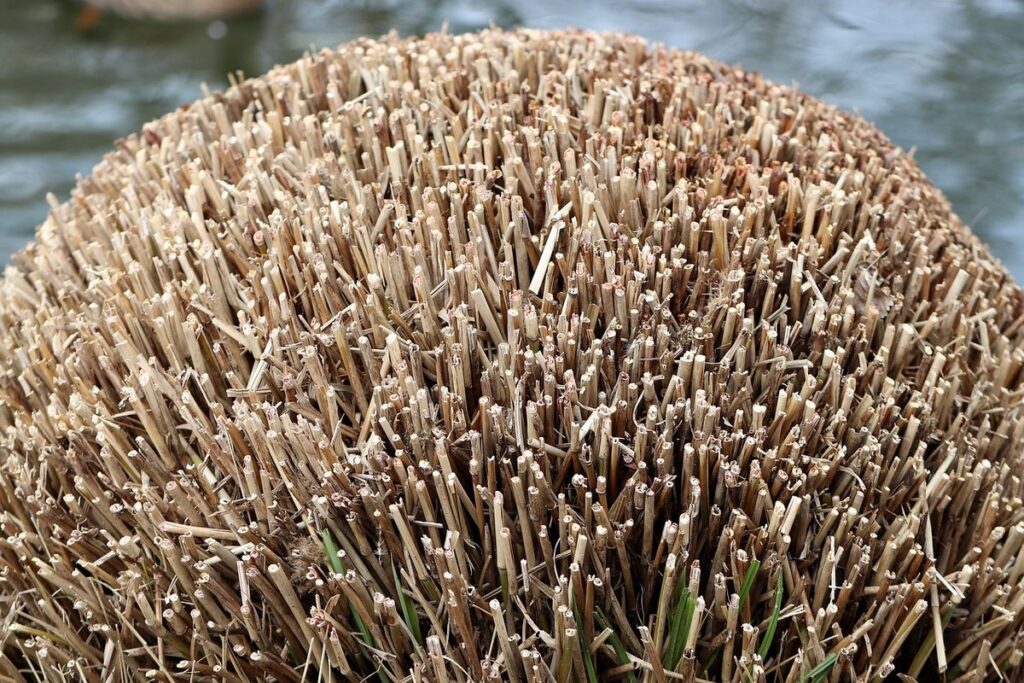
Understanding the Importance of Rejuvenation Pruning
Let’s dive into why rejuvenation pruning is so crucial for maintaining healthy, thriving shrubs and preventing damage over time. This essential process helps revitalized plants look their best year-round.
Benefits of Regular Pruning
Regular pruning is essential for maintaining shrub health, promoting new growth, and enhancing their overall appearance. When it comes to rejuvenation pruning, the benefits are even more pronounced.
One of the primary advantages of regular pruning is improved plant vigor. By removing dead, diseased, or damaged branches, you’re allowing your shrubs to focus their energy on healthy growth. This not only makes them look better but also increases their ability to withstand diseases and pests. For example, a study by the University of California found that properly pruned shrubs have a 30% higher survival rate compared to those left unpruned.
Rejuvenation pruning can also increase fruit production in flowering shrubs. By thinning out branches and promoting a balanced canopy, you’re allowing more sunlight to reach individual flowers, which leads to increased yields. Furthermore, this type of pruning encourages new growth, making your shrubs look fuller and more vibrant throughout the year.
By incorporating regular rejuvenation pruning into your maintenance routine, you can enjoy an enhanced aesthetic appeal in your garden or landscape. Prune at the right time, and your shrubs will reward you with beautiful blooms, lush foliage, and a revitalized appearance that’s sure to impress.
Common Reasons for Rejuvenation Pruning
When shrubs become overgrown, diseased, or infested with pests, rejuvenation pruning is often necessary to restore their health and appearance. One common reason for rejuvenating shrubs is the presence of signs of stress, such as yellowing leaves, weak growth, or premature leaf drop. These symptoms can be caused by a variety of factors, including nutrient deficiencies, water stress, or exposure to extreme temperatures.
Extreme weather conditions can also cause significant damage to shrubs, making rejuvenation pruning essential. For example, heavy snow loads, strong winds, or intense sunlight can break branches, strip bark, or scorch leaves. In these cases, careful pruning is necessary to remove damaged growth and promote new, healthy tissue.
Structural pruning is another key reason for rejuvenating shrubs. Over time, shrubs can develop an uneven or unbalanced shape, leading to reduced flowering, increased disease susceptibility, and even branch failure. By removing select branches and stems, you can restore your shrub’s natural form, promote air circulation, and enhance its overall health and appearance. Regularly inspecting your shrubs for signs of stress, damage, or structural issues will help you identify when rejuvenation pruning is needed.
Preparing Your Shrubs for Rejuvenation
Before you begin rejuvenation pruning, it’s essential to properly prepare your shrubs to ensure a successful transformation and prevent any potential damage. This includes assessing their current condition and taking necessary precautions.
Assessing Plant Health and Condition
Before rejuvenating your shrubs through pruning, it’s essential to assess their overall health and condition. This ensures you’re not exacerbating existing problems while attempting to revitalize the plants.
Start by inspecting your shrubs for signs of disease, such as yellowing leaves, black spots, or powdery mildew. Look for pests like aphids, whiteflies, or spider mites, which can weaken the plant’s structure and make it more vulnerable to disease. Check for nutrient deficiencies, particularly nitrogen, iron, or magnesium, which can cause symptoms like leaf drop, stunted growth, or interveinal chlorosis.
If you notice any of these issues, delay pruning until you’ve addressed them through targeted treatments or fertilization. For example, if your shrub is struggling with powdery mildew, apply a fungicide specifically designed for this issue before proceeding with rejuvenation pruning. Similarly, if nutrient deficiencies are present, ensure you provide the necessary supplements to promote healthy growth.
When in doubt, consult with a gardening expert or take samples of affected plants to a local nursery or extension office for guidance. A comprehensive assessment will help you identify areas that require attention and prioritize your pruning efforts accordingly, ultimately ensuring the long-term health and vitality of your shrubs.
Selecting the Right Tools and Equipment
When it comes to rejuvenation pruning, having the right tools and equipment is crucial for a successful outcome. You’ll want to invest in high-quality pruning shears, loppers, and saws that can handle thick branches and stems with ease.
For small shrubs, pruning shears are your best bet. Look for sharp blades made from durable materials like stainless steel or titanium. Consider investing in a pair of secateurs with interchangeable blades, allowing you to switch between curved and straight cuts. For larger shrubs, loppers or long-handled pruners can provide the leverage needed to tackle thicker branches.
In addition to these tools, a good pruning saw is essential for making precise cuts on thicker limbs. Choose a saw with a sharp blade and comfortable grip, allowing you to make clean cuts without straining your back. Regularly clean and maintain your tools to prevent rust and dullness. This will not only ensure your tools last longer but also help prevent the spread of diseases.
Keep in mind that a dull tool can cause more damage than good, so it’s essential to sharpen or replace them regularly.
Techniques for Rejuvenation Pruning
When it comes to rejuvenation pruning, you’ll want to focus on techniques that promote healthy growth and encourage new blooms. This section will explore various methods for achieving this goal.
Removing Dead, Diseased, or Damaged Wood
When it comes to rejuvenation pruning, one of the most crucial steps is removing dead, diseased, or damaged wood. This type of material can compromise a shrub’s overall health and appearance, making it essential to address these areas promptly.
To identify affected branches, look for signs such as discoloration, brittleness, or cracks in the bark. Diseased wood may also exhibit unusual growth patterns, like knots or swellings. If you’re unsure, consult with a gardening expert or inspect the branch carefully before making any cuts.
For removal, use sharp, sterile pruning tools to prevent spreading diseases further. Cut just beyond the affected area, using a 45-degree angle cut to direct water away from healthy tissue. Remove all debris and disinfect your tools between cuts to maintain a clean environment. When handling diseased or damaged wood, wear gloves to avoid transferring spores or bacteria.
By removing dead, diseased, or damaged branches, you’ll not only improve the shrub’s aesthetic appeal but also promote its overall health and resilience.
Thinning and Reducing Shrubs
When it comes to rejuvenation pruning, thinning and reducing shrubs is an essential technique for maintaining their overall health and appearance. The goal of thinning is to selectively remove branches that are congesting the shrub, promoting air circulation and reducing disease susceptibility.
To achieve this, look for crossing or rubbing branches, which can cause damage to surrounding tissues. Remove any weak, spindly growth that’s competing with healthier branches for resources. Also, select branches that are growing inwards towards the center of the shrub, as these will only continue to suck energy from more desirable growth.
When thinning, consider a gradual approach, removing no more than one-third of the shrub’s branches at any given time. This allows the plant to recover and adjust without becoming stressed. By carefully selecting which branches to remove, you can achieve a balanced silhouette that enhances the shrub’s natural beauty. Remember, the key is patience and attention to detail – with regular thinning, your shrubs will be healthier, more resilient, and more visually appealing.
Post-Pruning Care and Maintenance
Now that you’ve given your shrubs a rejuvenating pruning, it’s essential to provide them with proper post-pruning care to ensure they continue to thrive. This involves regular watering and fertilizing to promote new growth.
Watering and Fertilization Strategies
After rejuvenation pruning, it’s crucial to provide your shrubs with the right care and maintenance during their recovery phase. Proper watering and fertilization strategies will help your shrubs recover quickly and develop a healthy root system.
When it comes to watering, avoid overwatering, which can lead to root rot and other problems. Instead, check the soil moisture by inserting your finger into the soil up to the first knuckle. If the soil feels dry, it’s time to water. Aim for about 1-2 inches of water per week, either from rainfall or irrigation.
Fertilizing is also essential during this phase. Use a balanced fertilizer (10-10-10 NPK) and follow the instructions on the label. You can fertilize your shrubs once a month during the first growing season after pruning. Mulching around the base of your shrubs will help retain moisture, suppress weeds, and regulate soil temperature.
It’s also important to prepare the soil for optimal growth. Loosen the top 6-8 inches of soil to improve drainage and air circulation. This will give your shrubs a healthy start as they recover from pruning.
Monitoring Plant Response and Recovery
Monitoring plant response and recovery is crucial after rejuvenation pruning to ensure that your shrubs are thriving. One of the first signs of successful recovery is new growth, which can start appearing within a few weeks of pruning. This new growth may be slower at first, but it should eventually pick up pace as the shrub adjusts to its reduced size.
As you monitor your shrub’s response, keep an eye out for potential issues such as over-pruning, which can lead to stress and even kill the plant if left unchecked. Be cautious not to prune too much of the new growth in the first year after rejuvenation pruning, as this can cause damage to the plant.
Pay attention to your shrub’s watering needs during recovery – it may require more water than usual due to increased transpiration rates caused by pruning wounds. Regularly inspect your shrubs for signs of pests or diseases, which can be attracted to weakened plants. Adjusting care routines accordingly will help ensure that your rejuvenated shrubs are healthy and thriving.
Common Mistakes to Avoid When Rejuvenating Shrubs
When rejuvenating shrubs, it’s easy to make mistakes that can harm their health and appearance. Let’s take a closer look at some common pitfalls to avoid in your pruning process.
Over-Pruning and Under-Pruning
Over-pruning and under-pruning can be detrimental to shrub health, leading to reduced plant vigor, increased susceptibility to disease, and altered growth patterns. When shrubs are over-pruned, their ability to photosynthesize is impaired, causing them to struggle with energy production. This can result in weakened branches that become more vulnerable to breakage, reducing the overall appearance of the shrub.
Under-pruning, on the other hand, allows for continued growth and potential disease susceptibility. In both cases, it’s essential to strike a balance between rejuvenation pruning and maintaining the shrub’s natural shape and structure. For instance, removing too much foliage can leave shrubs exposed to environmental stressors like extreme temperatures and moisture fluctuations.
When rejuvenating your shrubs, consider pruning no more than 1/3 of new growth annually to avoid disrupting their natural cycle. This approach encourages healthy growth while minimizing the risk of disease or pest infestations that thrive on weakened plants.
Neglecting Plant Hygiene and Sanitation
When rejuvenating shrubs through pruning, it’s easy to overlook the importance of plant hygiene and sanitation. However, neglecting this aspect can have severe consequences, such as spreading diseases and attracting pests that can harm your plants.
To maintain clean tools, make sure to disinfect them regularly using a solution of 1 part bleach to 9 parts water. This will prevent the spread of fungal spores and bacteria that can infect your shrubs. Always wash your hands before handling prunings or pruning tools, and change your gloves frequently while working on different plants.
Dispose of prunings properly by bagging them in sturdy paper bags or biodegradable containers to avoid attracting pests and diseases. This is especially crucial when dealing with diseased or infested plants. To prevent cross-contamination between plants, prune shrubs from top to bottom, starting with the cleanest areas first.
Conclusion and Next Steps
Now that you’ve mastered the art of rejuvenation pruning, it’s time to put your new skills into practice by applying them to your own shrub garden. Let’s discuss the next steps and how to maintain their beauty.
Reviewing Key Takeaways
As you’ve now made it through our comprehensive guide on rejuvenation pruning, let’s take a step back and review the key takeaways to ensure you’re well-equipped to tackle this essential shrub care technique.
We’ve covered various techniques for rejuvenation pruning, including the “cut-out” method, which involves removing entire sections of the plant, and the “thin-out” approach, where only select branches are removed. Remember that the specific technique chosen will depend on the type of shrub being pruned and its overall condition. To ensure you’re using the right method for your plants, take note of their growth habits, density, and level of maturity.
Proper post-pruning care is also crucial to support the recovery process. This includes providing adequate water and nutrients, as well as maintaining a safe environment around the pruned area. A good rule of thumb is to apply a balanced fertilizer at the recommended rate after pruning, followed by regular watering and monitoring for signs of stress or disease.
Of course, there are also common mistakes to avoid when rejuvenation pruning your shrubs. For instance, don’t be tempted to prune too much of the plant in one go – this can lead to shock, which may ultimately cause more harm than good. Instead, opt for a gradual approach, removing no more than 20-30% of the plant’s material at any given time.
Finally, keep in mind that rejuvenation pruning is not a one-time task; it will need to be repeated periodically as your shrubs continue to grow and mature. By incorporating this technique into your regular care routine and following the guidelines outlined here, you’ll be well on your way to revitalizing even the most overgrown or neglected shrubs in your garden.
Frequently Asked Questions
How long after rejuvenation pruning should I wait before fertilizing my shrubs?
Fertilization is an essential step in promoting healthy growth, but it’s crucial to time it correctly. Wait at least 2-4 weeks after rejuvenation pruning before fertilizing your shrubs. This allows the plant to focus its energy on healing and recovery rather than absorbing nutrients.
Can I use regular pruning shears for rejuvenation pruning, or do I need specialized tools?
While regular pruning shears can work for minor rejuvenation pruning tasks, it’s recommended to invest in high-quality loppers or pruning saws specifically designed for shrub rejuvenation. These tools will make the process easier and more efficient.
How often should I check on my plants after rejuvenation pruning to ensure they’re recovering properly?
Monitoring your plant’s response is critical during the recovery period. Check on your shrubs daily in the first week, then gradually decrease frequency to once a week. Look for signs of new growth, changed color, or unusual behavior that may indicate potential issues.
What if I accidentally over-prune my shrub – can it still recover?
While it’s ideal to avoid over-pruning, even severe over-pruning can be mitigated with proper care. Reduce watering and fertilization to allow the plant to focus on recovery. Monitor for signs of stress or disease and adjust your care routine accordingly.
Can I rejuvenate all types of shrubs, or are some more suitable than others?
Not all shrubs benefit from rejuvenation pruning in the same way. Some plants, like hydrangeas and azaleas, respond well to regular rejuvenation pruning every 2-3 years. Others, like boxwood and topiary, may require more frequent maintenance (every 1-2 years). Research specific guidance for your plant species before starting a rejuvenation plan.