
Are you struggling to get your currant plants to thrive? Pruning is key, but where do you start? If you’re new to growing currants, or if your bushes are looking a bit leggy, it’s time to learn how to prune like a pro. Not only will regular pruning help keep your plants healthy and productive, but it’ll also encourage them to produce more delicious fruit.
In this comprehensive guide, we’ll take you through everything you need to know about pruning currants, from the importance of regular maintenance to the best tools and techniques for the job. We’ll cover common challenges and how to overcome them, so you can maximize your yields and enjoy a bountiful harvest. By the end of this article, you’ll be well on your way to becoming a currant-growing expert!
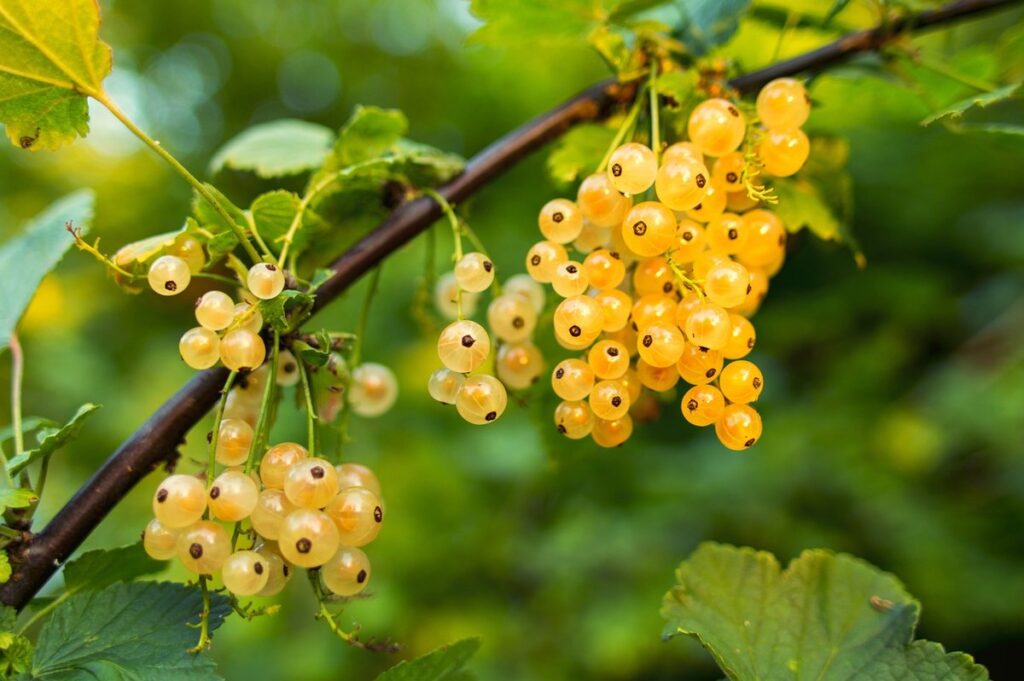
Understanding the Importance of Pruning
Pruning currants isn’t just about maintaining their shape, but also ensures healthy growth and a bountiful harvest. Let’s explore why pruning is essential for these delicious fruits.
Why Prune Currants
When it comes to currant plants, pruning is an essential task that’s often overlooked. However, neglecting to prune these shrubs can lead to problems with their shape, growth, and ultimately, fruit production.
Pruning helps maintain the plant’s shape by controlling its size and promoting a balanced structure. This is particularly important for currant varieties like ‘Red Lake’ or ‘White Ottawa’, which can grow quite large if left unpruned. By pruning regularly, you can keep your currants at a manageable height, making it easier to harvest their fruit.
Pruning also plays a crucial role in promoting healthy growth. It encourages the plant to produce new shoots and branches, leading to more vigorous growth and increased yields. Furthermore, pruning helps to remove any diseased or damaged wood, reducing the risk of disease spreading throughout the plant. By removing these weak spots, you’re creating an environment that’s conducive to healthy growth.
By incorporating pruning into your currant care routine, you’ll not only improve the overall health of your plants but also boost their fruit production. This will result in a more bountiful harvest and a greater yield of delicious currants for you to enjoy.
Identifying the Right Time to Prune
When it comes to pruning currant plants, timing is everything. Understanding when to prune is crucial for promoting healthy growth and maximizing yields. As a general rule of thumb, currants have different periods of active and dormant growth throughout the year.
In temperate climates with mild winters, currants are typically in their dormant period from December to February. This makes it an ideal time to prune as you can assess the overall structure of the plant without worrying about damaging new growth. Prune back any dead or damaged wood during this time, and shape the plant to maintain its desired form.
In regions with harsher winters, it’s often necessary to wait until spring for pruning. This allows the plant to recover from winter damage before being pruned. Keep in mind that currants typically produce fruit on one-year-old wood, so prune accordingly to encourage fruiting branches.
Additionally, consider your local climate and weather conditions when deciding when to prune. For example, if you’re in an area prone to late frosts, it’s best to wait until the threat of frost has passed before pruning. By taking these factors into account, you’ll be able to determine the right time for pruning and give your currant plants the best chance at thriving.
Tools and Equipment for Pruning
Now that you have a solid understanding of currant pruning techniques, it’s time to get equipped with the right tools to make the process smoother. We’ll cover the essential gear you need for safe and efficient pruning.
Choosing the Right Pruning Tools
When it comes to pruning currants, having the right tools for the job is essential. You’ll want to invest in a selection of high-quality pruners, loppers, and saws that will make quick work of even the most unruly branches.
Hand pruners are great for tackling small twigs and individual shoots. Look for ones with sharp blades and comfortable grips. Some popular options include bypass pruners, which cut through stems without crushing them, and anvil pruners, which use a cutting blade to snip through thicker branches.
Loppers are ideal for larger stems and thicker branches. They typically have long handles that provide leverage and come in both curved and straight designs. Choose loppers with blades made from high-carbon steel or titanium for added durability.
Pruning saws are perfect for more substantial pruning tasks, like removing dead wood or reducing the size of a mature currant bush. Look for ones with fine teeth and a comfortable grip to make the job easier on your hands and wrists.
Ultimately, the right tool for you will depend on your specific needs and personal preference. Be sure to store your tools safely after use and clean them regularly to ensure they remain in good condition.
Safety Precautions When Handling Pruning Tools
When handling pruning tools for currant plants, safety should always be top of mind. Pruning can be a physically demanding task, and improper tool usage can lead to accidents and injuries.
To minimize the risk of injury, make sure to handle pruning tools with care. Always grip tools firmly but not too tightly, as this can cause fatigue and affect your control over the tool. When using power pruners or loppers, keep loose clothing tied back and avoid wearing long necklaces or dangling chains that may get caught in the machine.
Regular maintenance of your pruning tools is also essential for safety. Check for any damage or wear on blades, handles, and other moving parts before each use. Dull or damaged blades can cause accidents by snapping back into your hand or causing uneven cuts.
Proper storage practices are equally important to prevent accidents. After each use, clean and dry pruning tools thoroughly, then store them in a designated area away from children and pets. Consider investing in a tool sharpener to keep your blades in top condition and prolong their lifespan.
Basic Pruning Techniques
Now that you’ve learned the basics of currant pruning, let’s dive into some essential techniques to help you properly shape and maintain your bushes. You’ll learn how to make clean cuts and prevent damage.
Removing Dead, Diseased, or Damaged Wood
When pruning currant plants, it’s essential to remove dead, diseased, or damaged branches to maintain their health and promote new growth. Dead wood can be brittle and prone to breaking, while diseased or damaged wood can harbor pests and diseases that can spread quickly through the plant.
To identify dead, diseased, or damaged wood, look for signs such as:
• Brittle bark or cracks in the trunk
• Yellowing or browning of leaves
• Soft or mushy spots on branches
• Presence of visible pests or diseases
When removing dead, diseased, or damaged wood, use clean and sharp pruning tools to prevent spreading disease. Cut at a 45-degree angle just above a bud eye (where a new branch would emerge), making sure the cut is about one-quarter inch from it. This will encourage new growth from that area.
Remember to properly dispose of removed branches by bagging them and taking them away from the plant site to prevent the spread of disease.
Shaping and Thinning Currants
When it comes to shaping and thinning currant plants, pruning plays a crucial role in maintaining their health and productivity. One of the primary objectives is to reduce height, which not only improves air circulation but also makes harvesting easier. To achieve this, cut back around one-third of the oldest stems to the base of the plant, removing any weak or damaged growth.
In addition to reducing height, it’s essential to maintain a balanced shape by selectively removing branches that are rubbing against each other or growing inwards. This will help prevent disease and promote healthy growth patterns. Make cuts just above a bud eye (about 1/4 inch from the base of the stem) at a 45-degree angle, using clean and sharp pruning tools to minimize the risk of infection.
To thin out currant plants, remove some of the smaller stems to allow more sunlight to reach the remaining branches. This will also promote air circulation, reducing the risk of disease and encouraging fruiting. Aim for a spacing of about 4-6 inches between stems to achieve the perfect balance between foliage and fruit production.
Advanced Pruning Techniques
Now that you’ve mastered the basics of currant pruning, let’s dive into more advanced techniques to take your skills to the next level. This is where precision and patience really pay off in achieving a healthy, productive plant.
Top-Working and Grafting Currants
Top-working and grafting are advanced pruning techniques that can be used to improve the quality and productivity of currant plants. Top-working involves removing the upper portion of a stem and replacing it with a piece from another plant, while grafting involves joining a piece of stem from one plant onto the root system of another.
The benefits of top-working and grafting include improved disease resistance, increased fruit production, and enhanced flavor. For example, if you want to combine the hardiness of a Blackcurrant (Ribes nigrum) with the flavor profile of a Whitecurrant (Ribes rubrum), top-working or grafting can help achieve this.
To successfully top-work or graft currants, choose healthy sections from both the donor and recipient plants. Make clean cuts on both plants using sterile pruning tools to prevent disease transfer. Apply root hormone gel or powder to the cut end of the grafted section and join it to the root system of the recipient plant. Secure the grafted section with twine or tape and provide optimal growing conditions for successful integration.
Keep in mind that top-working and grafting can be more time-consuming than traditional pruning techniques, but they offer a range of advantages for growers seeking to improve their currant crops.
Espalier Training for Space-Saving Pruning
Espalier training is an excellent method for growing currant plants when space is limited. This technique involves pruning and training the plant to grow in a specific shape or pattern, which can be supported by a trellis or other structure. By using espalier training, you can create a compact and manageable currant shrub that’s perfect for small gardens.
Currant varieties like ‘Consort’, ‘Red Lake’, and ‘White Imperial’ are well-suited for espalier training due to their slender growth habits and fruiting characteristics. When implementing this method, start by planting the currant in a location with plenty of sunlight and support. Prune the plant in late winter or early spring, removing any dead, diseased, or damaged branches.
To train the plant, tie it gently to the trellis using twine or wire. Remove lower branches to promote upward growth and encourage fruiting on the upper parts of the plant. Regular pruning throughout the growing season will help maintain shape and promote healthy growth. With regular care and attention, your espalier-trained currant shrub will thrive and provide plenty of delicious fruit for years to come.
Common Challenges and Solutions
As you begin pruning your currant bushes, it’s natural to encounter some hurdles. In this section, we’ll tackle common challenges and offer practical solutions to help you overcome them.
Over-Pruning and Under-Pruning Currants
When it comes to pruning currants, over-pruning and under-pruning are two common mistakes that can have serious consequences for the health and productivity of your plants. Over-pruning involves removing too much of the current season’s growth, leaving the plant vulnerable to disease and pests. This is especially true for young or recently planted currant bushes.
On the other hand, under-pruning can lead to a tangled mess of branches that are difficult to manage. When pruning is insufficient, it allows diseased or damaged wood to remain on the plant, creating an environment conducive to further decay. This can also lead to uneven growth patterns and reduced yields.
To avoid these pitfalls, make sure to prune only what’s necessary, taking care not to remove too much of the current year’s growth. Prune no more than one-third of the plant’s branches at a time, and always maintain a balance between the number of new shoots and the number of older branches being removed. Regular pruning will help your currant bushes develop a strong, healthy framework that will support optimal fruiting.
Pest and Disease Management Through Pruning
When it comes to managing pests and diseases in currant plants, pruning plays a crucial role. By strategically removing infested or diseased areas, you can prevent the spread of disease and reduce the risk of pest infestations. One technique for managing pests is to remove weeds that provide shelter and food for pests, thereby reducing the likelihood of infestation.
To identify affected areas, inspect your currant plant regularly, looking for signs of disease such as black spots, powdery mildew, or canker. Remove any infected branches by cutting them off at least 2-3 inches from the point of infection to prevent the spread of disease. Disinfect pruning tools between cuts to avoid transferring spores.
Preventing future outbreaks involves maintaining good air circulation around your currant plant and ensuring it receives adequate sunlight and water. Prune regularly to promote healthy growth, which will also help your plant resist diseases and pests more effectively. Consider implementing integrated pest management (IPM) strategies that combine physical controls with cultural practices for long-term disease suppression.
Conclusion
Now that you’ve mastered the art of pruning currants, let’s summarize key takeaways and reiterate essential tips to ensure healthy growth and bountiful harvests for years to come.
Recap of Key Takeaways
As you’ve made it through this comprehensive guide on pruning currants, let’s take a moment to recap the key takeaways. By now, you should have a solid understanding of why pruning is essential for your currant plants and how to approach the task with confidence.
You know that regular pruning helps maintain the health and productivity of your currant bushes by promoting air circulation, removing diseased or damaged branches, and encouraging new growth. You’ve also learned basic pruning techniques such as reducing height, thinning out fruiting wood, and controlling shape – all crucial for a bountiful harvest.
When it comes to potential challenges, you’re aware that factors like climate, soil quality, and pest/disease management can impact your currant plants’ response to pruning. To overcome these obstacles, be sure to monitor your plants closely and adjust your pruning strategy accordingly.
Remember, the key to successful pruning is to be patient, observant, and willing to adapt as needed. With practice and experience, you’ll become more skilled at reading your currants’ needs and making informed decisions to keep them thriving.
Final Tips for Effective Pruning Practices
As you’ve learned throughout this comprehensive guide on pruning currants, maintaining a healthy and productive currant bush requires dedication to regular pruning practices. To ensure the continued health and productivity of your currant bushes, it’s essential to establish a regular pruning schedule.
Set aside time each season to inspect your currant bushes for any signs of disease or pests, and prune them accordingly. This may involve removing dead, diseased, or damaged wood, as well as thinning out overcrowded areas to promote air circulation and sunlight penetration. Make it a habit to review new research and best practices in currant cultivation to stay up-to-date on the latest techniques and recommendations.
For example, researchers have found that pruning currants in late winter or early spring can help reduce the risk of disease transmission between plants. Additionally, incorporating organic amendments into your soil can promote healthy root development and improve overall plant resilience. By staying informed and committed to regular pruning practices, you’ll be well on your way to enjoying a bountiful harvest from your currant bushes for years to come.
Frequently Asked Questions
What’s the ideal time frame for pruning currants, especially if I have a large or overgrown plant?
Pruning currants can be done at any time of year, but it’s best to prune in late winter or early spring when the plant is dormant. For larger plants, consider dividing the task into two sessions: one for removing dead, diseased, or damaged wood, and another for shaping and thinning.
How do I prevent over-pruning my currant bushes, which can lead to reduced fruit production?
Yes, it’s easy to over-prune currants. Be sure to remove no more than 1/3 of the plant’s growth at a time, and focus on promoting new growth rather than cutting back existing stems too aggressively.
Can I use regular garden shears for pruning currant branches, or do I need specialized tools?
Yes, you can start with regular garden shears, but as your currant plants grow larger, consider investing in loppers or pruning saws specifically designed for thicker branches and easier handling.
What are some common mistakes to avoid when pruning currants, especially for beginners?
One common mistake is pruning too much of the plant at once. Another is neglecting to disinfect pruning tools between cuts, which can spread disease. Regularly inspect your plants for signs of damage or disease, and prune accordingly to prevent further problems.
Can I use espalier training methods for space-saving currant pruning, even if my plant isn’t a compact variety?
Yes, you can adapt espalier techniques to larger currant varieties by providing additional support and careful pruning. This will help control the plant’s size while promoting healthy growth and fruit production.