
Pruning your cucumber vines may not be the most glamorous gardening task, but trust us, it’s a crucial one. Not only can regular pruning help boost your yields and prevent disease, but it also promotes optimal growth and encourages your plants to focus their energy on producing delicious fruit. However, pruning can be intimidating if you’re new to gardening or unsure about where to start.
In this comprehensive guide, we’ll walk you through the benefits of pruning cucumber vines and share common mistakes to avoid along the way. We’ll cover everything from why regular pruning is essential for healthy plants to how to prune your cucumbers correctly. By the end of this article, you’ll be well-equipped with the knowledge you need to take your cucumber crop to the next level – and enjoy a bountiful harvest in the process!
Understanding Why Pruning Matters
When it comes to pruning cucumber vines, you might be wondering why it’s even necessary. In this section, we’ll explore the importance of pruning and how it affects your harvest.
Benefits of Regular Pruning
Regular pruning is an essential practice that benefits cucumber vines significantly. By regularly pruning your cucumber vines, you promote healthy growth and development of the plant. Pruning removes damaged or diseased leaves and stems, preventing the spread of diseases like powdery mildew and anthracnose, which can be devastating to a crop.
Pruning also increases yields by directing the plant’s energy towards producing more fruit rather than foliage. When left unpruned, cucumber vines can become leggy and produce fewer fruits due to the excessive growth of leaves and stems. By pruning regularly, you encourage bushy growth, allowing for better air circulation around the plant, which further reduces the risk of disease.
To reap these benefits, prune your cucumber vines every 7-10 days during the peak growing season. Focus on removing any weak or spindly growth, as well as any leaves that are showing signs of stress or damage.
When to Start Pruning
When you’re growing cucumber vines, it’s essential to prune them at the right time to promote healthy growth and maximize your harvest. As a general rule of thumb, cucumber vines typically need pruning 1-2 weeks after transplanting or when they reach 6-8 inches in length. This may seem like an arbitrary timeframe, but it’s actually crucial for several reasons.
Firstly, young cucumber vines are more prone to disease and pests during their early stages of growth. Pruning them at this stage helps to promote air circulation and reduce the risk of fungal diseases that thrive in humid environments. Secondly, pruning encourages the vine to focus its energy on producing a strong, healthy root system rather than producing weak, spindly growth.
To determine if your cucumber vines need pruning, simply inspect their length. If they’ve reached 6-8 inches or more, it’s time to give them a good trim. Remember, regular pruning will not only promote healthy growth but also encourage bushy production and increase your chances of a bountiful harvest.
Pruning Techniques for Beginners
When pruning cucumber vines, safety should always be your top priority. To avoid injury, make sure to wear protective gloves and eyewear. Begin by inspecting the vine for any dead or damaged leaves or stems. Remove these immediately using clean, sharp pruning shears.
To prune a healthy cucumber vine, start by identifying the central stem. Cut back this stem to about 6-8 inches from the soil surface. This will help control the plant’s growth and promote bushy development. Next, remove any weak or spindly growth that is not producing fruit. You can also reduce the number of leaves on the vine to allow more sunlight to reach developing cucumbers.
Remember to prune your cucumber vines regularly throughout the growing season to maintain optimal production. Pruning encourages the plant to focus its energy on producing fruit, rather than vegetative growth. By following these simple steps, you’ll be able to keep your cucumber vines healthy and productive all season long.
Common Mistakes to Avoid
When pruning cucumber vines, it’s easy to make mistakes that can harm your crop. In this crucial part of the process, we’ll cover common errors to steer clear of for a healthy and productive harvest.
Over-Pruning
When pruning cucumber vines, it’s easy to get carried away and remove too much foliage. However, this can have disastrous consequences for your plants. Over-pruning can lead to reduced yields, weakened plants, and increased susceptibility to pests and diseases.
When you over-prune, you’re essentially removing the plant’s ability to photosynthesize and produce energy. This can cause a significant decrease in fruit production, as the plant will be unable to support the growth of new cucumbers. Additionally, weakened plants are more vulnerable to disease and pests, which can quickly spread and decimate your entire crop.
To avoid over-pruning, it’s essential to prune judiciously. Remove only what is necessary, and leave enough foliage to provide shade for the fruit and promote healthy growth. A good rule of thumb is to remove no more than one-third of the plant’s leaves at a time. This will allow you to maintain control over your plants’ development while also encouraging optimal growth.
Under-Pruning
Under-pruning is one of the most common mistakes gardeners make when it comes to pruning cucumber vines. While it may seem counterintuitive, leaving the vine unpruned can lead to a bushy, weak plant with poor air circulation and increased risk of disease. This is because an overgrown plant struggles to receive adequate sunlight and water, making it more susceptible to fungal infections and pests.
Think of it like a forest floor: when leaves and stems are packed tightly together, moisture accumulates and creates an ideal breeding ground for diseases. In contrast, pruned vines allow air to circulate freely, promoting healthy growth and preventing the spread of disease.
To avoid under-pruning, focus on removing any weak or spindly growth that’s not producing fruit. This will help direct energy towards the production of more cucumbers. Remove about 1/3 of the vine’s leaves at a time to maintain air circulation while still allowing photosynthesis to occur. By striking this balance, you’ll be able to promote healthy growth and maximize your cucumber harvests.
Pruning Tools and Materials
When it comes to pruning cucumber vines, having the right tools and materials can make all the difference. To avoid making mistakes that could harm yourself or your plants, invest in a few essential items.
First and foremost, wear a good pair of gardening gloves to protect your hands from thorns and sharp stems. A sturdy pair of gloves will also provide grip when handling slippery vines. Look for gloves made from durable materials like leather or synthetic fabrics with padding on the palms and fingers.
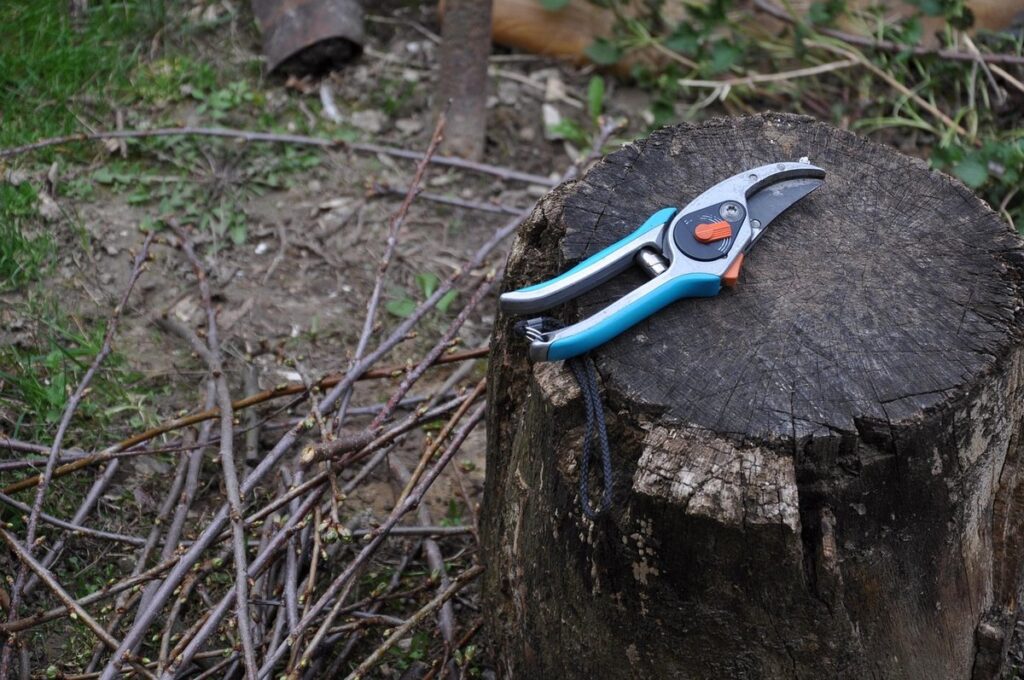
In terms of pruning tools, pruners are a must-have. Choose a high-quality pair that can cut through thick vines with ease. Some popular options include bypass pruners and anvil pruners. Consider investing in a sharp knife or gardening saw for thicker stems. A clean and precise cut will help promote healthy growth and prevent damage to the plant.
Remember, proper pruning requires patience and attention to detail. Take your time when cutting back overgrown vines, and always make clean cuts just above a node (where a leaf meets the stem). This will encourage new growth and prevent disease from entering the plant through damaged tissue.
Pruning Techniques for Specific Stages
As you navigate different growth stages, it’s essential to tailor your pruning techniques to ensure optimal harvests. We’ll break down the key pruning strategies for each stage of your cucumber vine’s development.
Seedling Stage (0-2 weeks after transplanting)
When transplanting cucumber seedlings, it’s essential to inspect each one closely for signs of weakness or damage. During this critical seedling stage (0-2 weeks after transplanting), pruning out the compromised plants is crucial to give the remaining vines a strong start.
Weakened seedlings can quickly become overwhelmed by competition from their neighbors, stunting growth and reducing yields. Look for leaves that are wilted, yellowed, or have black spots – these are often indicative of root damage or disease. Remove any affected seedlings entirely, taking care not to spread potential fungal infections.
By pruning out the weak links early on, you’ll allow your remaining cucumber plants to focus their energy on developing a robust root system and establishing a strong canopy. This sets them up for optimal growth and maximizes the chances of a bountiful harvest. It may seem counterintuitive to discard some seedlings at this stage, but trust that it’s a small price to pay for the long-term health and productivity of your cucumber vines.
Vining Stage (2-4 weeks after transplanting)
At this stage, you’ll start to notice your cucumber vines getting bushy and vining outwards. It’s time to prune them back by 1/3 to encourage horizontal growth and increase yields. This process is called “tip pruning” or “pinching,” and it’s crucial for maintaining a balanced plant structure.
By pruning back the vine tips, you’ll be encouraging your cucumber plants to produce more lateral branches, which will in turn lead to more fruiting sites. To do this effectively, take a close look at each stem and identify the top two or three leaves. Cut them off using scissors or pinch them between your fingers to avoid leaving any rough edges.
Pruning back the vine tips by 1/3 may seem counterintuitive, as you might think it will reduce overall yields. However, research has shown that this technique can actually increase production by up to 20% in some cases. By controlling the plant’s growth and directing its energy towards fruiting, you’ll be able to harvest more cucumbers than if you let the vines grow unchecked.
Remember, the goal is to maintain a balance between vertical growth and horizontal spread. With regular pruning, you should start seeing an increase in yields within 1-2 weeks after implementing this technique.
Flowering Stage (4+ weeks after transplanting)
As you enter the flowering stage, typically around 4-6 weeks after transplanting, your cucumber vines are producing an abundance of flowers. This is where pruning becomes crucial to direct the plant’s energy towards producing more fruits or allowing for early harvests.
Removing flowers, a process called “thinning,” can be beneficial in several ways. By eliminating some of the flowers, you’re essentially telling the plant to focus its energy on developing the remaining fruits. This results in larger, healthier cucumbers with better flavor and texture. Thinning also helps prevent overcrowding, which can lead to disease and pest issues.
However, if you want to harvest your cucumbers a bit earlier, you can allow a few flowers to set fruit. Just be sure to remove the rest to direct the plant’s energy towards developing those initial fruits. For example, you might choose to thin about 75% of the flowers on a single vine, allowing only 2-3 to develop into cucumbers. This approach can give you a head start on your harvest while still promoting overall plant health.
Tips for Pruning Cucumber Vines in Different Environments
Pruning cucumber vines is not a one-size-fits-all approach, as different environments present unique challenges and considerations. Learn how to tailor your pruning techniques for optimal harvests in various settings.
Container Gardening
When it comes to maintaining compact growth and preventing legginess in cucumber vines, container gardening can be a game-changer. By growing cucumbers in containers, you have more control over their space and can easily prune them as needed.
One of the key benefits of container gardening is that it allows for better air circulation around the plants. This is essential for healthy growth and prevents fungal diseases from taking hold. To make the most of this advantage, prune your cucumber vines regularly to encourage bushy growth and prevent them from sprawling outwards.
To keep your cucumber vines compact in a container, aim to prune them back by about one-third every week or two. This will help maintain their shape and promote more fruiting nodes, leading to higher yields. For example, if you’re growing a variety that typically produces 6-8 feet of vine, prune it back to around 2-3 feet in length.
By pruning regularly and maintaining compact growth, you’ll be able to enjoy a bountiful harvest of fresh cucumbers all season long.
Trellises and Supports
When it comes to pruning cucumber vines, using trellises and supports is an excellent way to train the vine to grow upwards and maximize space. This technique not only adds visual appeal but also promotes even fruiting, resulting in a healthier and more productive plant.
To use trellises or supports effectively, choose a sturdy structure that can support the weight of your cucumber vines. For example, you can use a wooden or metal trellis, or even a DIY option like a PVC pipe frame. Make sure it’s placed near the base of the plant, and gently tie the main stem to the support using twine or clips.
As your vine grows, continue to prune and train it to climb up the trellis. Remove any weak or spindly growth, and encourage the stronger stems to grow upwards towards the light. This will not only save space but also reduce the risk of disease and pests by keeping the fruit off the ground.
By providing a trellis for your cucumber vines to climb, you’ll be able to harvest more fruit in less space, making the most of your garden’s potential.
Greenhouses and Indoor Growing
Cucumbers grown in greenhouses or indoor spaces often benefit from less frequent pruning due to their more controlled environment. This is because these conditions tend to promote healthier and more robust plant growth, which in turn reduces the need for pruning. In fact, studies have shown that cucumber plants grown under glass can produce up to 50% more fruit than those grown outdoors.
When pruning cucumber vines in a greenhouse or indoor growing space, it’s essential to focus on maintaining air circulation and preventing fungal diseases from taking hold. This can be achieved by removing any weak or spindly growth, which can create pockets of stagnant air that foster disease development. Instead, encourage horizontal growth by pruning the vine to promote a bushy shape. By doing so, you’ll not only reduce the risk of disease but also increase yields and improve fruit quality.
Remember to prune your greenhouse cucumber vines every 7-10 days during peak production to maintain optimal health and prevent overgrowth.
Common Pests and Diseases and How Pruning Can Help
When dealing with common pests and diseases that can affect your cucumber vines, pruning plays a crucial role in promoting healthy growth and preventing infestations. Let’s explore some specific challenges you may encounter.
Aphids and Whiteflies
Aphids and whiteflies are two of the most common pests that can infest cucumber vines. These tiny insects feed on plant sap, causing curled or distorted leaves, stunted growth, and reduced yields. If left unchecked, aphid and whitefly populations can quickly get out of hand, making it difficult to control them with chemicals.
To prevent these pests from spreading, prune any heavily infested areas as soon as possible. Remove the entire leaf or stem section that’s affected, taking care not to damage nearby healthy tissue. By pruning off infested areas, you’ll prevent the pests from multiplying and reduce the risk of them spreading to other parts of the plant.
As a bonus, pruning will also help to improve air circulation around your cucumber plants, making it harder for these pests to thrive in the first place. To make the most of this technique, inspect your vines regularly, looking for signs of aphids or whiteflies. When you spot an infestation, act quickly and prune away the affected area before it’s too late.
Powdery Mildew and Downy Mildew
When it comes to pruning cucumber vines, one of the most important considerations is preventing disease. Two common diseases that can affect cucumbers are powdery mildew and downy mildew. These diseases can be devastating to a crop if left unchecked, but by removing affected leaves or stems, you can slow down their spread and prevent further damage.
To remove infected areas, inspect your cucumber vines regularly for signs of disease such as white powder on the leaves (powdery mildew) or yellowing leaves with grayish-black spores on the underside (downy mildew). Cut off any affected stems or leaves at the base using clean pruning tools to prevent the spread of the disease. Dispose of the infected material immediately, and disinfect your pruning tools between cuts.
It’s essential to address these issues promptly, as they can quickly take over a plant if left unmanaged. By removing infected areas, you’ll not only prevent further damage but also give the rest of the vine a chance to recover and continue producing healthy fruit.
Frequently Asked Questions
What are the signs of over-pruning my cucumber vines, and how can I avoid it?
Over-pruning can lead to weakened plants that are more susceptible to disease. To avoid this, inspect your plants regularly after pruning and look for signs like reduced leaf growth, stunted fruiting, or an increase in pests. Balance your pruning efforts with gentle, regular maintenance to ensure healthy plant development.
How often should I prune my cucumber vines during the growing season?
To maximize yields and prevent disease, aim to prune your cucumbers every 1-2 weeks throughout the growing season. This will help keep your plants focused on producing fruit while removing weak or diseased growth.
Can I use regular pruning techniques for both indeterminate and determinate cucumbers?
While regular pruning is essential for both types of cucumber vines, their growth habits differ significantly. Indeterminate varieties require more frequent pruning to control height and encourage vining, whereas determinate varieties can be pruned less frequently after they begin producing fruit.
What are some tips for pruning cucumber vines in a greenhouse or indoor growing setup?
When growing cucumbers indoors, it’s essential to prune them regularly to maintain optimal growth and prevent over-crowding. Consider using trellises or other supports to direct the plant’s energy towards producing more fruit. Monitor your plants closely for signs of disease and take prompt action if you notice any issues.
Can I reuse pruning tools to avoid wasting money on new equipment?
To ensure the health of your cucumber vines, it’s recommended to use dedicated, clean pruning tools for each plant. Sharing or reusing pruning tools can spread diseases like powdery mildew, which can devastate a crop. Invest in a set of high-quality pruning shears and keep them well-maintained to prevent the spread of disease.