
Pruning your clematis can be a daunting task, especially if you’re new to gardening. But mastering this skill is essential for encouraging healthy growth, promoting blooming, and preventing common issues like weak stems and reduced flowering. When done correctly, pruning clematis can also enhance the overall appearance of your plant, making it a stunning addition to any garden or landscape. In our comprehensive guide, we’ll walk you through the techniques and benefits of pruning clematis, as well as the most common mistakes to avoid. Whether you’re a seasoned gardener or just starting out, this article will provide you with the knowledge and confidence to prune your clematis like a pro and enjoy beautiful blooms all season long.
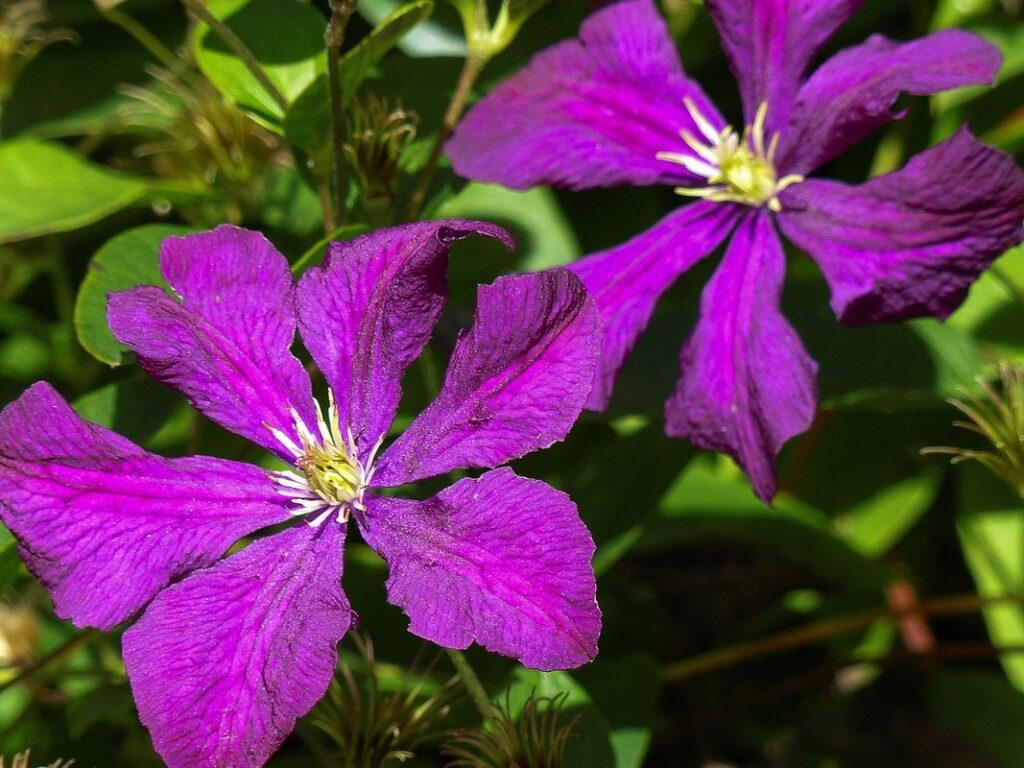
Understanding the Importance of Pruning
Pruning clematis may seem intimidating, but understanding its importance is key to promoting healthy growth and stunning blooms. In this next part, we’ll explore why pruning is essential for your clematis plant.
Why Prune Clematis
Pruning clematis is essential for its health and appearance. Without regular pruning, clematis plants can become leggy, produce fewer flowers, and be more susceptible to disease. One of the primary reasons to prune clematis is to promote new growth. Pruning encourages the plant to focus energy on producing healthy stems, leaves, and flowers rather than just relying on a few weak stems.
Regular pruning also helps prevent disease by removing weak or damaged areas where pests and diseases can take hold. By removing these vulnerable areas, you reduce the risk of infection and maintain the overall health of the plant. Furthermore, pruning maintains the shape and appearance of your clematis. Regular pruning ensures that your clematis stays bushy and full, rather than becoming leggy or sprawling.
When pruning clematis, it’s essential to remove any dead, diseased, or damaged stems immediately after flowering has finished. This not only helps maintain the plant’s health but also encourages new growth and prevents the spread of disease. By incorporating regular pruning into your care routine, you’ll be rewarded with a thriving, healthy clematis that produces an abundance of beautiful flowers year after year.
Benefits of Regular Pruning
Regular pruning is essential for clematis plants to ensure they thrive and produce an abundance of flowers. By pruning your clematis regularly, you’ll be able to encourage more blooms, as the plant will focus its energy on producing new growth rather than seed production. This, in turn, leads to a longer flowering season, as the plant is constantly producing new buds.
In addition to promoting flowering, regular pruning also improves air circulation around the plant. When clematis plants are allowed to grow unchecked, their dense foliage can create a humid microclimate that fosters disease growth. By pruning back the stems and leaves, you’ll improve airflow and reduce the risk of fungal diseases like powdery mildew.
Regular pruning will also enhance the overall health of your clematis plant. By removing dead or dying wood, you’ll prevent the spread of disease and encourage healthy growth. Furthermore, regular pruning helps maintain a balanced shape for the plant, which promotes healthy stem development and prevents it from becoming leggy or top-heavy.
Choosing the Right Time to Prune
Pruning clematis at the right time can be tricky, but knowing when to prune will help you achieve the best results for your plant’s growth and flowering. This section will guide you through selecting the perfect moment to prune your clematis.
Spring Pruning for Established Plants
When it’s time to tackle established clematis plants, spring is an excellent opportunity for pruning. This season allows you to remove dead or damaged stems while encouraging new growth. As you begin, inspect the plant carefully, looking for any weak or broken sections that need attention.
Remove any dead, diseased, or damaged wood completely, cutting it off at ground level using sharp, clean pruning tools. This will prevent the spread of disease and encourage healthy growth from the remaining stems. Be cautious not to damage the plant’s root system, as this can lead to reduced flowering.
Prune back any weak or spindly stems by about one-third to one-half to promote bushy growth and a fuller display of blooms. Also, consider pruning back flowered stems after they’ve finished blooming, as this will direct energy towards producing new flowers on the current year’s growth.
By taking these steps in the spring, you’ll be giving your clematis plant a healthy boost, setting it up for a robust and vibrant performance throughout the growing season.
Summer Pruning for Maintenance
Summer is a great time to prune clematis for maintenance purposes. Many gardeners think that pruning should only be done during the dormant season, but summer pruning can help control size and maintain shape, making it an essential part of clematis care.
To keep your clematis from becoming leggy or overgrown, you’ll want to remove any weak or damaged stems in the summer. This will encourage new growth and prevent the plant from putting energy into dead or diseased areas. Look for stems that are crossing or rubbing against each other, and trim them back to about a third of their length.
You should also focus on maintaining shape by selectively pruning certain sections of the plant. For example, if you want to encourage more blooms in a particular area, you can prune the surrounding stems back slightly, allowing more sunlight to reach those sections. This will stimulate new growth and increase flower production.
By incorporating summer pruning into your routine, you’ll be able to keep your clematis looking its best all season long.
Techniques for Pruning Clematis
When it comes to pruning clematis, knowing the right techniques is crucial to maintain its beauty and encourage new growth. In this next section, we’ll cover essential tips and tricks for cutting back your clematis correctly.
Hand Pruning vs. Loppers and Secateurs
When it comes to pruning clematis, you have several tools at your disposal, each suited for specific tasks. Hand pruning is a technique that allows for precision and control when dealing with intricate stems and delicate growth. This method is ideal for shaping or thinning out the new growth on young plants, promoting a balanced and healthy structure.
However, hand pruning can be time-consuming and may not be practical for larger stems or more mature clematis. That’s where loppers and secateurs come in – these long-handled pruners provide leverage and reach to tackle thicker stems with ease. They’re particularly useful when removing dead or damaged growth from older plants.
While loppers are better suited for cutting thicker branches (up to 1 inch in diameter), secateurs excel at precision cuts on smaller, more delicate stems. It’s essential to choose the right tool for the job to avoid damaging your plant. For instance, using loppers on a stem that’s too small can cause crush damage, leading to decay and disease.
Removing Dead or Damaged Stems
Removing dead or damaged stems from clematis plants is an essential step in maintaining their health and promoting new growth. To do this effectively, start by inspecting the plant thoroughly, looking for any weak or diseased stems that are no longer producing leaves or flowers.
Begin by cutting off the affected stem just above a bud eye (the small swelling on the stem from which new growth emerges). This will help minimize damage to the surrounding tissue and reduce the risk of spreading disease. Make clean cuts using sharp, sterile pruning tools, taking care not to crush the remaining stem with rough or uneven cuts.
Remove any weak or spindly stems that are growing inward towards the center of the plant, as these can cause congestion and prevent air circulation. To minimize plant shock, prune only what is necessary and avoid removing too much foliage at once. This will help the plant gradually adjust to its new shape and reduce the risk of disease or pests taking advantage of the weakened condition.
Common Pruning Mistakes to Avoid
Pruning clematis can be intimidating, but avoiding these common mistakes is crucial for a healthy and thriving plant. Let’s take a closer look at what not to do when pruning your clematis vines.
Over-Pruning and Its Consequences
Over-pruning clematis is one of the most common mistakes gardeners make, and it can have devastating consequences for the health and appearance of these beautiful vines. When you over-prune a clematis, you’re essentially cutting away more than just dead or damaged stems – you’re also sacrificing flowering potential and potentially creating an unbalanced shape.
This is because clematis flowers grow on old wood, which means that last year’s stems are responsible for producing the buds that will bloom this season. If you remove too much of the old wood, you’ll be cutting away these valuable flower buds, resulting in fewer or no blooms. To avoid this, it’s essential to prune your clematis carefully, removing only what’s necessary and leaving enough of last year’s stems intact.
For example, when pruning a clematis after it finishes blooming, aim to remove about one-third of the oldest stems, cutting them back to about 6-8 inches from the ground. This will help maintain the plant’s shape while still allowing for plenty of flowering potential. By being mindful of your pruning technique and taking care not to over-prune, you can enjoy a lush, blooming clematis all season long.
Pruning at the Wrong Time
Pruning clematis at the wrong time can be detrimental to its health and flowering performance. When you prune clematis during its dormant season (winter), you remove the buds that would have produced flowers, resulting in reduced blooming in the following year. Prune instead during the growing season, typically after it finishes blooming, usually around late spring or early summer.
Pruning too heavily at any time can cause stress to the plant, making it more susceptible to disease and pests. Avoid pruning your clematis when it’s under stress from factors like drought, heat, or nutrient deficiencies. Prune only what is necessary to maintain shape and promote healthy growth.
Additionally, pruning clematis in response to poor growing conditions won’t solve the underlying issues. For example, if you prune a clematis that’s struggling with disease or pests, you’ll only be removing more of its weakened state, making it harder for the plant to recover. Instead, focus on addressing the root causes of the problem and provide your clematis with optimal growing conditions before pruning.
By understanding when not to prune your clematis, you can avoid causing harm and ensure this beautiful flowering vine thrives under your care.
Additional Tips for Optimal Results
To ensure you get the most out of your clematis, we’ve put together some crucial additional tips to consider when pruning these beautiful vines. Follow these extra steps for optimal results.
Mulching and Watering After Pruning
After pruning your clematis, it’s essential to provide the right care to ensure healthy growth and encourage new blooms. Mulching is a great way to retain moisture, suppress weeds, and regulate soil temperature. Apply a 2-3 inch layer of organic mulch around the base of the plant, keeping it a few inches away from the stem. You can use wood chips, bark, or pine straw – just make sure it’s not too thick, as this can prevent water from reaching the roots.
Watering is also crucial during the recovery period. Clematis requires consistent moisture, especially when new growth emerges. Water your plant gently but thoroughly once a week, avoiding overhead watering to minimize disease risk. If you’re experiencing drought, increase watering frequency to twice a week. Keep an eye on soil moisture by inserting your finger into the soil up to the knuckle – if it feels dry, it’s time for another drink.
Remember that clematis is a heavy feeder and will benefit from regular fertilization once new growth appears.
Training Clematis to a Trellis or Support
Training clematis to grow up a trellis or other support is an excellent approach for several reasons. Firstly, it allows you to make the most of vertical space in your garden, which can be particularly beneficial for compact gardens or containers. By training your clematis to climb, you’ll also create a stunning visual display that showcases the plant’s full potential.
To train your clematis, start by providing a sturdy trellis or support when planting. You can use a obelisk, arbor, or even a simple wire cage – just ensure it’s securely anchored in the ground to prevent toppling. Once your clematis has reached around 12-18 inches tall, gently tie the stems to the support using soft ties or twine. As the plant grows, continue to train the new shoots up the trellis by gently twisting them into place.
By training your clematis in this way, you’ll not only save space but also promote healthy growth and encourage flowering. Just remember to prune regularly to maintain the plant’s shape and promote a strong framework for future blooms.
Frequently Asked Questions
Can I Prune My Clematis at Any Time of the Year?
Yes, you can prune your clematis year-round, but it’s essential to consider the type of pruning needed for different seasons. In general, spring pruning focuses on promoting new growth, while summer pruning is more about maintenance and removing weak stems.
How Do I Know If My Clematis Needs Regular Pruning?
Regular pruning is necessary if you notice your clematis becoming leggy or producing fewer flowers. Look for signs of disease or pests, such as black spots, powdery mildew, or aphids. Weak or damaged areas are ideal targets for removal to maintain the plant’s health and appearance.
What Are the Best Tools for Pruning Clematis?
The best tools for pruning clematis depend on the severity of pruning required. Hand pruners or loppers are suitable for small plants or light maintenance, while secateurs are ideal for larger stems. For more extensive pruning, consider using a pruning saw to make clean cuts.
How Do I Prevent Over-Pruning My Clematis?
To avoid over-pruning your clematis, it’s crucial to identify the right amount of pruning needed. Start by removing weak or damaged areas, then focus on shaping the plant and promoting new growth. Remember that over-pruning can lead to reduced flowering and increased susceptibility to disease.
Can I Prune My Clematis When It’s in Bloom?
No, it’s not recommended to prune your clematis while it’s in bloom, as this can reduce flowering potential. Wait until after the blooming period has finished before pruning your clematis to maintain its beauty and promote healthy growth.