
Pruning your blackberry bushes might not be the most exciting gardening task, but trust us, it’s essential for maintaining healthy plants and boosting yields. Blackberries are notorious for their vigorous growth habits, which can quickly get out of control if left unmanaged. If you’ve ever struggled with tangled stems, reduced fruit production, or disease susceptibility in your blackberry patch, it’s likely due to improper pruning techniques.
In this article, we’ll delve into the world of blackberry bush care and explore the best methods for pruning these thorny plants. We’ll cover the fundamentals of understanding growth habits, post-pruning care, and provide you with actionable tips on how to prune your blackberry bushes like a pro. By mastering the techniques outlined in this article, you can look forward to bigger harvests and healthier, more resilient blackberries that thrive for years to come.
Understanding Blackberry Bush Growth Habits
To effectively prune blackberry bushes, it’s essential to understand their growth habits, including how they spread and produce new canes. This section will break down these key behaviors.
Factors Influencing Pruning Needs
When it comes to pruning blackberry bushes, it’s essential to consider the unique factors that influence their growth habits. Climate is one of the primary factors affecting pruning needs. In regions with hot and dry summers, blackberries require more frequent pruning to maintain moisture levels and prevent heat stress. Conversely, in areas with cooler and wetter climates, less pruning may be necessary as the bushes tend to grow slower.
Soil type also plays a significant role in determining pruning requirements. Blackberries growing in well-draining acidic soils may need more aggressive pruning to control growth, whereas those in richer, alkaline soils may require lighter pruning to prevent over-fertilization. Additionally, the variety of blackberry bush you’re growing can impact pruning needs. Some varieties, like thornless blackberries, are bred for easier maintenance and often require less pruning than traditional varieties with thorns.
When choosing a pruning schedule, consider these factors and adjust accordingly. For example, if your climate is hot and dry, prune your blackberries in early spring or late winter to promote new growth before the heat sets in.
Identifying Pruning Goals
Before you start pruning your blackberry bushes, it’s essential to define what you want to achieve through this process. This is where identifying pruning goals comes in. Pruning is not just about cutting away dead or damaged branches; it’s a crucial tool for maintaining the overall health and productivity of your plants.
Regular pruning helps to promote healthy growth by removing diseased or damaged tissue, which can spread disease throughout the plant. It also encourages new shoots to grow, leading to more fruit production in subsequent seasons. By controlling pests and diseases through pruning, you reduce the risk of these issues affecting your crop. This is especially important for blackberry bushes, as they are susceptible to certain pests like mites and aphids.
To identify your pruning goals, ask yourself what you want to achieve with this process. Do you want to encourage more fruiting? Control pests or diseases? Promote healthy growth? By clearly defining your objectives, you’ll be able to develop a targeted pruning plan that addresses specific needs of your blackberry bushes.
Pre-Pruning Preparation
Before you start pruning, take some time to inspect your blackberry bushes and gather the necessary tools for a successful pruning process. This will ensure a safe and efficient prune.
Inspecting the Bush
Before you start pruning your blackberry bushes, it’s essential to inspect the bush thoroughly. This may seem like a simple step, but it can help prevent further damage and ensure a healthy harvest. Look for signs of disease or pest infestation, which can be detrimental if left untreated.
Check the leaves first; are they discolored, wilted, or covered in white powdery patches? These could be symptoms of diseases like crown gall, root rot, or powdery mildew. Inspect the stems and canes for signs of pests like aphids, spider mites, or scale insects. Look for eggs, larvae, or actual insects on the leaves or stems.
Also, keep an eye out for other issues like damage from animals, extreme weather conditions, or nutrient deficiencies. If you notice any problems, treat them promptly with organic or chemical controls as recommended by your local nursery or gardening expert. This inspection will help you identify and address potential problems before pruning, ensuring a healthier and more productive plant after pruning.
Choosing the Right Tools
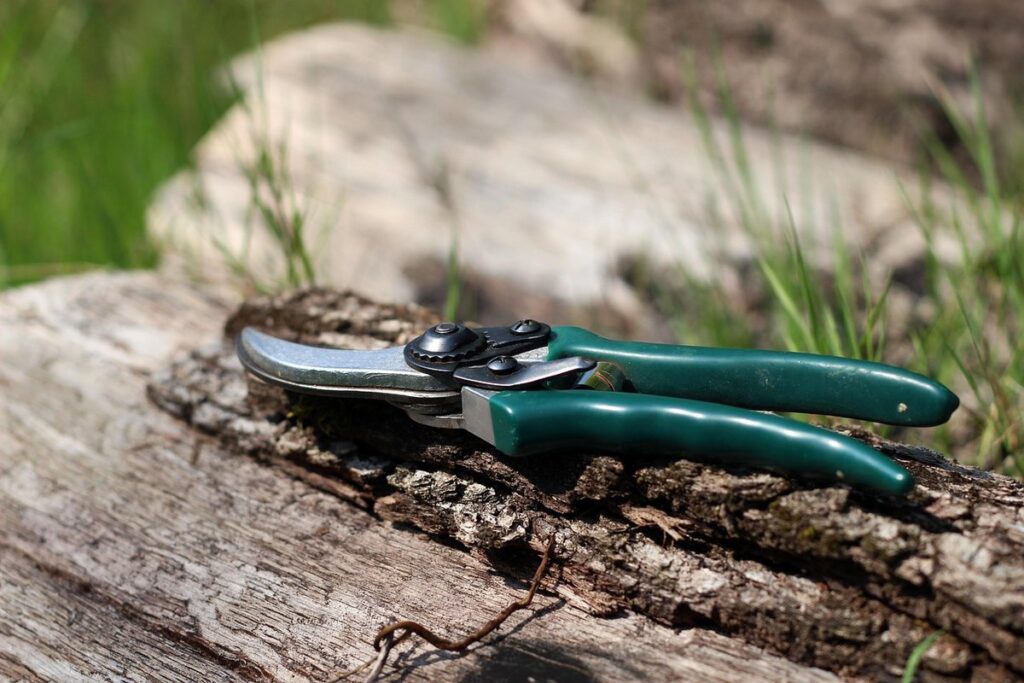
When it comes to pruning blackberry bushes, having the right tools can make all the difference. You’ll want a combination of hand pruners, loppers, and saws to tackle various tasks on your bush.
Hand pruners are perfect for smaller branches and individual leaves that need to be removed or trimmed back. Look for high-quality pruners with sharp blades that can easily cut through thick stems without causing damage to the rest of the plant. Long-handled loppers are ideal for thicker branches, allowing you to reach further into the bush without having to get too close.
A good pair of pruning saws will also be essential for cutting back larger limbs and removing dead wood. Make sure your saw has a curved or angled blade designed specifically for pruning, as this will help prevent further damage to the plant’s remaining structure. If you plan on working with especially large branches, consider investing in a pole saw – these can extend up to 10 feet or more, giving you greater reach and control over your work.
It’s also worth noting that you may need additional tools depending on the specific conditions of your bush. For example, if your blackberry is growing in dense shade, you might find it easier to use long-handled pruners or pole saws with interchangeable heads for tackling thicker growth.
Pruning Techniques
To keep your blackberry bushes healthy and productive, mastering various pruning techniques is crucial. We’ll cover the essential methods to prune your blackberries effectively.
Removing Dead, Diseased, or Damaged Wood
When pruning blackberry bushes, it’s essential to remove dead, diseased, or damaged wood to prevent disease spread and promote healthy growth. This process is crucial for maintaining the overall health of your plants and preventing further damage.
Start by inspecting your blackberry bush carefully, looking for any areas that appear dead, diseased, or damaged. Check for signs such as yellowing leaves, black spots, or cankered stems. If you notice any of these symptoms, cut the affected area off about 1-2 inches below the infection using sharp, clean pruning tools.
Remove any dead wood first, cutting it back to a healthy bud or growth point. This will help stimulate new growth and prevent disease from spreading. Next, inspect for diseased areas such as fungal infections, bacterial blight, or viral diseases. Cut these areas off completely, making sure to disinfect your pruning tools between cuts.
By removing dead, diseased, or damaged wood, you’ll not only improve the overall appearance of your blackberry bush but also promote healthy growth and prevent disease spread. Regularly inspecting and pruning your plants will help keep them thriving and productive for years to come.
Thinning Canes
When thinning canes on your blackberry bush, you’re not just removing dead or diseased branches – you’re also improving air circulation and sunlight penetration. This is especially crucial for blackberries, which are susceptible to fungal diseases that thrive in humid environments.
Air circulates more freely when there’s less foliage competing for space, reducing the likelihood of disease outbreaks. By thinning out some canes, you’ll allow beneficial insects like bees and butterflies to pollinate your plants more efficiently. Additionally, sunlight will reach the inner layers of the bush more effectively, promoting healthy growth and fruit production.
To thin canes effectively, start by removing any dead or damaged wood first. Then, cut back select canes to about 12 inches from the ground. This will help control the overall height of your plant and encourage a more balanced structure. Make sure to maintain a mix of older and younger canes to promote continuous production.
By thinning canes regularly, you’ll enjoy better air circulation, increased sunlight penetration, and a healthier blackberry bush overall.
Shaping the Bush
When it comes to shaping your blackberry bush for optimal fruiting, creating an open center system is key. This means removing lower branches and allowing the main stem to grow upwards, giving the plant a more vase-shaped appearance. Not only does this help promote air circulation and sunlight penetration, but it also encourages fruiting canes to grow from the base of the plant.
To achieve this, remove any weak or crossing branches, as well as those growing inward towards the center of the bush. This will help maintain good air circulation and prevent disease from taking hold. Next, select a few strong, upright canes and cut them back by about one-third to encourage branching. Leave some tips on these canes intact to promote new growth.
Remember to also remove any suckers or weak growth that appears in the spring, as these can divert energy away from fruiting canes. By following these steps, you’ll be able to create an open center system that will help your blackberry bush produce a bountiful harvest for years to come.
Post-Pruning Care
After pruning your blackberry bushes, it’s essential to provide them with proper care to ensure a healthy and thriving plant. This includes watering, fertilizing, and protecting from disease and pests.
Watering and Mulching
After pruning your blackberry bushes, it’s essential to focus on proper watering and mulching techniques to promote new growth. Watering is crucial during the first few weeks after pruning, as the plant will use stored energy reserves to produce new growth. However, overwatering can lead to root rot and other problems.
To avoid this, water your blackberry bushes thoroughly about 1-2 inches deep, taking care not to wash away any remaining nutrients in the soil. For the first few weeks after pruning, ensure the soil remains consistently moist but not waterlogged. You can achieve this by watering every 3-4 days during hot weather.
Mulching around your blackberry bushes is also vital for retaining moisture and regulating soil temperature. Use a 2-3 inch layer of organic mulch such as wood chips or straw to maintain a consistent level of moisture in the soil. This will reduce the need for frequent watering while preventing weeds from competing with your plants for resources.
As new growth emerges, gradually taper off watering to encourage deep root development. Monitor your plant’s response to these practices and adjust accordingly to optimize growth and productivity.
Monitoring for Pests/Diseases
Monitoring for Pests/Diseases is an essential part of post-pruning care for blackberry bushes. As you inspect your pruned bush, look out for signs of pests like aphids, whiteflies, and spider mites, which can cause curled or distorted leaves. Check for eggs, larvae, or actual insects on the underside of leaves or stems.
Diseases such as crown gall, powdery mildew, and root rot are common in blackberry bushes. Inspect your plant’s crown (where the stem meets the roots) for swollen or discolored areas, which could indicate galls. Look for a white, powdery coating on leaves, or soft, mushy stems that may be a sign of root rot.
If you notice any issues, act quickly to prevent further damage. Use neem oil or insecticidal soap to control pests, and treat fungal diseases with copper-based fungicides. Remove any affected areas or debris from the plant to prevent re-infestation. Regular monitoring after pruning will help you catch problems early on, ensuring your blackberry bush stays healthy and productive throughout the growing season.
Timing Pruning for Optimal Results
When it comes to pruning blackberry bushes, timing is everything: learn how to prune at the right moment for a bountiful harvest and a healthier plant. Prune at the wrong time and you’ll be stuck with fewer berries than you bargained for!
Considering Climate and Variety
When pruning blackberry bushes, it’s essential to consider the climate and variety of your plant. Climate plays a significant role in determining the best pruning timing for your blackberries. In areas with mild winters, such as USDA zones 8-10, you can prune your blackberry bushes year-round. However, in colder climates (USDA zones 3-7), it’s crucial to wait until late winter or early spring when new growth begins.
Different blackberry varieties also have unique pruning requirements. For example, erect varieties like ‘Arapaho’ and ‘Navaho’ can be pruned more aggressively than thorny varieties like ‘Apache’ and ‘Ouachita’. Thorny varieties require a gentler approach to avoid damaging the plant’s structural integrity.
Regional factors should also influence your pruning decisions. In areas with high humidity or rainfall, it may be necessary to prune blackberry bushes more frequently to maintain air circulation and prevent disease. Consult with local nurseries or gardening experts to determine the best pruning schedule for your specific region and climate.
Avoiding Pruning During Active Growth Periods
When it comes to pruning blackberry bushes, timing is everything. While it’s tempting to prune during active growth periods when the plants are producing plenty of leaves and fruit, it’s essential to wait until the dormant period to avoid promoting new growth that may be susceptible to disease or pests.
Pruning during active growth can stimulate the production of new shoots and leaves, but these tender growths are more vulnerable to damage from frost, heat stress, and pests. In contrast, pruning during dormancy allows you to remove dead, diseased, or damaged wood without encouraging new growth that may be more susceptible to problems.
To avoid promoting new growth that may be vulnerable to disease or pests, prune your blackberry bushes during the winter months when they are dormant. This is usually from late fall to early spring, depending on your climate and region. By pruning during this time, you’ll be able to maintain a healthy, balanced plant that’s better equipped to withstand environmental stresses and produce plenty of fruit come harvest season.
Common Mistakes to Avoid
When pruning blackberry bushes, it’s easy to make mistakes that can harm your plants, so let’s take a look at some common errors to steer clear of.
Over-Pruning
When pruning blackberry bushes, it’s easy to get carried away and remove too much of the plant. However, over-pruning can have serious consequences for the health and productivity of your bush.
Removing more than one-third of the bush’s foliage at a time can reduce yields significantly. This is because the energy that would normally be directed towards fruit production is instead diverted towards repairing damaged tissue and growing new leaves. As a result, you may end up with smaller, less flavorful berries.
Over-pruning also makes your blackberry bush more susceptible to disease and pests. When the plant is weakened by excessive pruning, it becomes easier for fungal diseases like crown gall and cane blight to take hold. Additionally, aphids, mites, and other pests find stressed plants particularly appealing. To avoid these problems, prune only what’s necessary, taking off no more than one-quarter of the bush’s foliage at a time. This will help maintain the plant’s overall health while still promoting healthy growth and fruit production.
Under-Pruning
When pruning blackberry bushes, it’s easy to get carried away and remove too much of the existing growth. However, under-pruning can have its own set of problems, particularly when it comes to disease and damage management.
Under-pruning occurs when you don’t remove enough diseased or damaged wood from the plant. This allows the problem areas to continue growing, spreading disease and creating an ideal environment for pests to thrive. As a result, the bush’s overall health can decline over time, making it more susceptible to other issues like fungal diseases, nematodes, and root rot.
To avoid this issue, make sure to inspect your blackberry bushes regularly during pruning season. Identify any areas with visible signs of disease or damage, such as yellowing leaves, black spots, or soft, mushy stems. Use sharp, clean tools to remove these sections completely, making sure not to leave behind any infected tissue.
Remember, it’s better to err on the side of caution and remove more wood than necessary rather than leaving diseased areas intact. This will help prevent the spread of disease and promote a healthy, thriving blackberry bush.
Frequently Asked Questions
How often should I inspect my blackberry bushes for pests and diseases?
Inspect your blackberry bushes regularly, especially after pruning, to catch any potential issues early on. Set aside time each week during the growing season to examine the plants, checking for signs of pests or disease. This proactive approach will help prevent problems from spreading and reduce the need for chemical treatments.
Can I prune my blackberry bushes in the winter when they’re dormant?
Yes, pruning your blackberry bushes during their dormant period is an ideal time to make significant cuts. When the plants are not actively growing, it’s easier to remove damaged or diseased wood without promoting new growth that might be susceptible to disease.
How do I determine which canes to remove and which to leave intact?
When deciding which canes to remove, focus on those that are dead, diseased, or damaged. Leave the healthiest, most vigorous canes intact to promote fruiting and prevent the spread of disease. Consider removing no more than one-third of the plant’s canes in a single pruning session to avoid stressing the remaining growth.
Are there any special considerations for pruning blackberry bushes in containers?
When growing blackberries in containers, it’s essential to prune them more frequently due to their smaller root system and limited soil volume. Prune container-grown blackberries every 1-2 months during the growing season to maintain a balanced shape and encourage fruiting.
How do I prevent over-pruning my blackberry bushes?
To avoid over-pruning, consider pruning no more than one-third of the plant’s canes at a time. Also, be mindful of the plant’s overall health and structure, removing only what is necessary to promote healthy growth and fruit production.