
Are you growing your own basil at home but struggling to keep it under control? Prune basil correctly, and you’ll be rewarded with bushy, healthy plants that produce an abundance of fresh leaves. But over-prune or prune incorrectly, and your basil can quickly become leggy and unproductive.
In this article, we’ll take a closer look at the art of pruning basil to promote healthy growth and encourage new leaves to form. We’ll cover the best techniques for pruning, when to prune, and how to prevent overgrowth – so you can enjoy fresh, fragrant basil all season long. Whether you’re a seasoned gardener or just starting out, our comprehensive guide will show you how to get the most out of your basil plants with regular pruning.
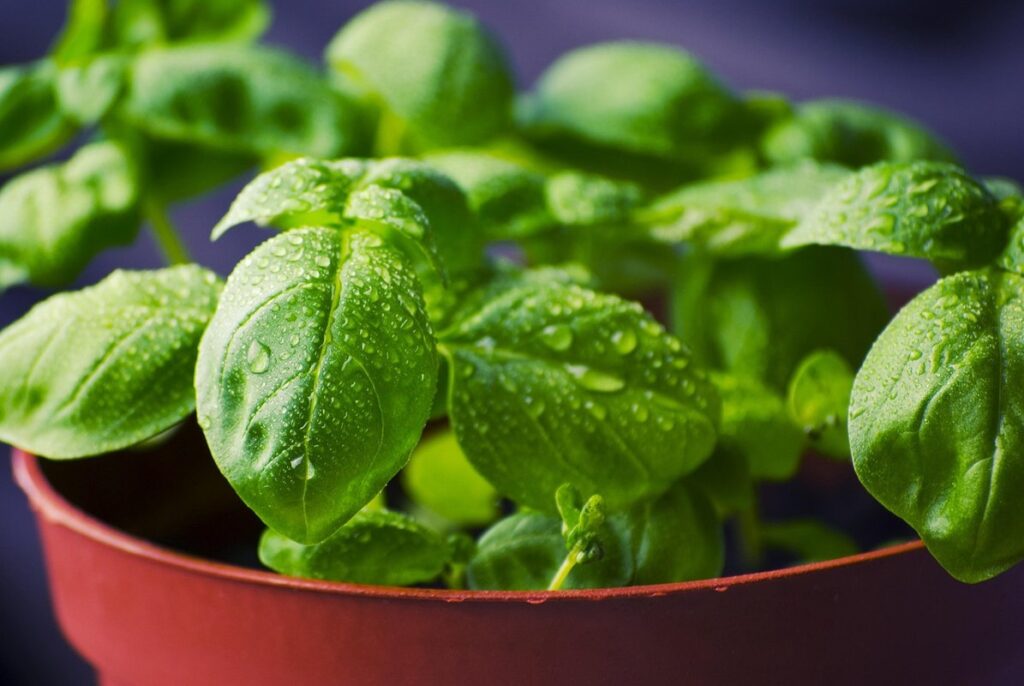
Benefits of Pruning Basil
Pruning basil not only keeps your plant looking its best, but also encourages healthy growth and prevents overgrowth that can be overwhelming to manage. By pruning regularly, you’ll reap numerous benefits for your basil.
Understanding Why Pruning is Essential for Basil
Pruning basil regularly is essential for maintaining its flavor, texture, and overall health. If left unpruned, basil can quickly become leggy and produce fewer leaves with a weaker flavor. This is because the plant’s energy is focused on producing long stems rather than healthy foliage.
By pruning your basil regularly, you’ll encourage bushy growth, which means more leaves and a fuller plant. This not only looks more visually appealing but also allows for better air circulation, reducing the risk of fungal diseases that thrive in humid environments. When pruning, aim to remove the top sets of leaves, leaving about an inch or two of stem intact.
This encourages new leaves to grow from the nodes, promoting healthy growth and preventing overgrowth. It’s a simple yet effective technique that will keep your basil thriving throughout its growing season. Regular pruning also helps control the plant’s size, making it ideal for container gardens where space is limited. With a little practice, you’ll be able to prune your basil like a pro, enjoying a continuous harvest of fresh leaves all summer long.
Effects of Not Pruning Basil
When you don’t prune basil regularly, several negative consequences can arise. One of the most noticeable effects is an overabundance of foliage, which can lead to an overwhelming amount of leaves that are difficult to manage. Not only does this make the plant look unkempt and messy, but it also reduces the potency of the basil itself.
As the plant focuses its energy on producing more and more leaves, the essential oils that give basil its distinct flavor and aroma begin to decrease. This can significantly impact your cooking experience, as you may find that your dishes lack the depth and character they once had. Furthermore, a neglected basil plant is also more susceptible to pests and diseases, which can quickly spread and cause significant damage.
In addition, failing to prune basil regularly can lead to reduced air circulation around the leaves, creating an ideal environment for fungal growth and disease development. By not pruning your basil, you’re essentially inviting problems that could have been prevented with a simple maintenance routine.
Choosing the Right Time for Pruning
Pruning at the right time is crucial to prevent shock and encourage healthy growth, so let’s explore when it’s best to prune your basil plants.
Spring Pruning: Removing Winter Damage
As you welcome spring and new life into your garden, it’s essential to assess any damage that winter may have caused to your basil plants. Spring pruning is a crucial step in promoting healthy growth and preventing overgrowth. To begin, inspect your basil plants carefully, looking for any dead or damaged leaves and stems.
Remove any affected areas using clean, sharp pruners or scissors. Cut just above a node – the small joint where a leaf meets the stem – as this will encourage new growth to emerge from that spot. Be sure to disinfect your tools between cuts to prevent the spread of disease.
When pruning damaged leaves and stems, consider the plant’s overall shape and structure. Remove any weak or spindly growths, and trim back leggy stems to maintain a balanced appearance. This will help direct the plant’s energy towards producing new, healthy growth rather than supporting weakened areas. By tackling winter damage now, you’ll set your basil plants up for success throughout the growing season.
Summer Pruning: Encouraging New Growth
During the summer months, basil plants are at their most active growth stage. To encourage new leaf growth and prevent legginess, it’s essential to prune your basil regularly. Pruning not only keeps your plant bushy and compact but also promotes healthy growth by removing weak or spindly stems.
Prune your basil every 7-10 days during the summer, making clean cuts just above a node (where a leaf meets the stem). This will encourage new growth from those nodes, resulting in fuller and healthier plants. Use sharp, sterile scissors or pinch off individual leaves with your fingers to avoid spreading disease. For larger stalks, snip them at the base with pruning shears, making sure not to damage surrounding foliage.
Remember to prune during the morning, when the plant is at its highest water content, to minimize stress on the plant. By regularly pruning your basil in the summer, you’ll be rewarded with a bountiful harvest of fresh, flavorful leaves all season long.
Techniques for Pruning Basil
To keep your basil bushy and productive, you’ll need to prune it regularly – we’ll show you some essential techniques for getting it just right. Let’s dive into the details of pruning basil.
Pinching and Topping
Pinching or topping individual stems is an effective way to control height and promote branching. By doing so, you encourage the plant to focus its energy on developing a fuller shape rather than flowering too quickly. This technique also has the added benefit of enhancing the flavor of your basil.
When pinching, use your thumb and index finger to gently remove the top pair of leaves from the stem. This will help prevent the plant from putting all its energy into producing flowers, which can be time-consuming for your harvest. On average, you should aim to pinch about one-third of the way up the stem, but this may vary depending on the variety.
Topping is a similar technique that involves cutting off the top growth of the basil plant, usually after it has reached a desired height. This method can help to increase leaf production and maintain a bushy shape. By topping your basil regularly, you’ll encourage more stems to grow from the nodes below, resulting in a lusher plant with an abundance of leaves.
Leaf Removal
Removing old leaves is an essential step in pruning basil that often gets overlooked. However, it plays a crucial role in maintaining the health and vitality of your plants. When old leaves are left on the plant, they can become waterlogged, creating a haven for fungal diseases like powdery mildew and root rot. These diseases can spread quickly, leading to the demise of your basil plant.
To remove old leaves effectively, start by gently grasping the stem just above the node where the leaf meets the stem. Use a gentle twisting motion to release the leaf from the stem. Be sure to make clean cuts, cutting as close to the node as possible to prevent any damage to the stem.
For larger plants or those with extensive foliage, it’s best to remove about one-third of the old leaves at a time. This will allow your plant to adjust to the new growth without becoming stressed. Regularly removing old leaves will also encourage new growth and help maintain a balanced shape for your basil plant. By incorporating this simple step into your pruning routine, you’ll be well on your way to enjoying healthy, productive basil plants all season long.
Common Pruning Mistakes to Avoid
When pruning basil, it’s easy to make mistakes that can stunt its growth and affect flavor. Be aware of these common oversights to keep your plants thriving.
Over-Pruning: The Dangers of Removing Too Much
When pruning basil, it’s easy to get carried away with removing excess foliage. However, over-pruning can have serious consequences for your plant’s health and productivity. Removing too much of the plant can stress its delicate roots, causing a significant decrease in production. This is because basil relies on its leaves to photosynthesize and produce energy.
In fact, research has shown that pruning too aggressively can reduce basil yields by up to 50%. Furthermore, stressed plants are more susceptible to pests and diseases, making them a breeding ground for unwanted critters. A common example of this is when aphids infest over-pruned basil plants, causing further stress and damage.
To avoid these pitfalls, prune your basil plant sparingly, focusing on removing only the top sets of leaves and allowing new growth to emerge from the center stem. This will encourage a bushy shape while maintaining the plant’s energy reserves. Remember, it’s better to err on the side of caution when pruning, as you can always trim more later but cannot regain lost foliage.
Under-Pruning: Allowing Pests and Diseases to Take Hold
When pruning basil, it’s essential to strike a balance between maintaining its health and controlling growth. Under-pruning, which involves not removing enough of the plant’s foliage, can leave the plant vulnerable to infestations and infections. This is because excessive foliage can create an ideal environment for pests like aphids, whiteflies, and spider mites to thrive.
If left unchecked, these pests can multiply rapidly, weakening the plant and potentially spreading diseases like powdery mildew or root rot. Moreover, a dense foliage can also promote the growth of fungal diseases that thrive in moist environments.
To avoid under-pruning and its associated risks, prune your basil regularly, removing about one-third to one-half of the leaves and stems each time. This will help maintain air circulation around the plant, reduce moisture accumulation, and prevent pests from taking hold. By finding this balance, you’ll be able to keep your basil healthy, robust, and free from unwanted visitors.
How Often Should You Prune Your Basil?
Pruning basil is a delicate balance, and knowing how often to do it can make all the difference in keeping your plants healthy and thriving. Let’s explore the ideal pruning frequency for your basil.
Factors Influencing Pruning Frequency
When it comes to pruning basil, one size does not fit all. The frequency at which you should prune your basil plants depends on several factors, including the climate you’re growing in, the quality of your soil, and the susceptibility of your plants to pests and diseases.
In warm and humid climates, for example, you may need to prune more frequently to prevent overgrowth and reduce the risk of fungal diseases. This is because basil is a tropical plant that thrives in temperatures above 60°F (15°C) but can quickly become leggy and susceptible to pests when conditions are too hot or wet.
On the other hand, if your soil is nutrient-rich and drains well, you may be able to prune less frequently, as the plants will have an easier time accessing the nutrients they need. Similarly, if you live in a cooler climate with minimal pest pressure, you can likely get away with pruning every 7-10 days.
Ultimately, it’s essential to monitor your plants’ response to different pruning schedules and adjust accordingly. Keep in mind that regular pruning is key to promoting healthy growth and preventing overgrowth – but the right frequency will depend on your specific growing conditions.
Establishing a Routine for Regular Pruning
Establishing a routine that incorporates regular pruning into your care schedule is crucial for maintaining healthy and productive basil plants. Consistency is key when it comes to pruning, as it encourages bushy growth, prevents overgrowth, and promotes healthy root development.
To establish a routine, set aside a specific time each week to inspect and prune your basil plants. Start by checking the plant’s overall health, looking for any signs of pests or diseases that may require attention. Next, remove any weak or spindly stems, cutting them back to just above a node (the point where a leaf meets the stem). This will help direct the plant’s energy towards producing new growth.
By pruning regularly, you’ll encourage your basil plants to produce more leaves and stems, leading to a more abundant harvest. For example, if you plan to prune every 7-10 days, you can expect to see noticeable improvements in your plant’s shape and productivity within just a few weeks. With time and practice, you’ll develop a keen eye for what needs pruning and when, making the process feel almost second nature.
Propagating Basil through Pruning
To encourage healthy growth and prevent overgrowth, you’ll want to learn how to propagate basil using pruning techniques that stimulate new growth from existing plants. We’ll walk you through this easy process.
Root Cuttings and Stem Cuttings
When pruning basil, you’re not only shaping its appearance but also providing an opportunity to create new plants. One technique for propagation is taking root cuttings from pruned stems. To do this, start by selecting a healthy stem with plenty of leaves. Cut the stem just above a node – where a leaf meets the stem – using sharp, clean scissors or pruning shears.
Next, strip away lower leaves, leaving only two or three sets towards the top. This helps reduce moisture loss and prevents the cutting from rotting before roots develop. Then, dip the cut end into rooting hormone powder or liquid to promote root growth. Plant the cutting in a pot filled with well-draining seed starting mix or perlite, burying it up to the node. Water gently but thoroughly. Keep the soil consistently moist but not waterlogged until roots appear and new growth starts.
Monitor your cutting for signs of life, such as green shoots or roots emerging from the base. This can take anywhere from a few days to several weeks, depending on factors like temperature, humidity, and light exposure.
Air Layering: A More Complex Method of Propagation
Air layering is an advanced propagation technique that involves creating incisions on the stem of the basil plant to stimulate root development before separating the cutting. This method requires a bit more patience and attention to detail, but it can be incredibly rewarding for experienced gardeners.
To start air layering, identify a healthy stem with at least two sets of leaves. Make a shallow cut about an inch above a node (where a leaf meets the stem) using a sharp, sterile knife or pruning tool. Gently scrape away some of the bark from the node area to expose the underlying tissue. This process is called “wounding” and it triggers the plant’s natural response to produce roots.
Keep the wound moist by covering it with a layer of sphagnum moss or a specialized rooting hormone. Secure the moss in place using a twist tie or wire, making sure not to constrict the stem. Roots should begin to develop within 2-4 weeks, depending on the plant’s age and growing conditions. Once roots have formed, cut the stem below the node and pot the rooted section in well-draining soil.
Troubleshooting Common Issues Arising from Pruning Errors
We’ve covered how to prune basil for optimal growth, but what happens when you make a mistake? Don’t worry, we’ll walk you through common errors and their solutions.
Signs of Over- or Under-Pruning
When it comes to pruning basil, it’s easy to get carried away and either over- or under-prune your plants. Both mistakes can have serious consequences for the health and productivity of your basil crop.
Over-pruning is characterized by stunted growth, weak stems, and a general lack of vigor in the plant. This occurs when too much of the foliage is removed at once, leaving the plant vulnerable to stress and disease. On the other hand, under-pruning can lead to pest infestations, as the dense foliage provides a haven for insects and diseases to thrive.
To identify over- or under-pruned basil, take a closer look at the plant’s growth habit. If it’s struggling to produce new leaves or seems leggy and weak, you may be pruning too much. Conversely, if your basil is looking unkempt and unwholesome, with a dense, unruly mass of stems, you might be leaving too much foliage intact.
If you catch the problem early, you can often recover from over- or under-pruning by adjusting your pruning technique. For over-pruned plants, allow them to recover for a few days before resuming pruning in moderation. For under-pruned basil, prune back the dense stems to encourage air circulation and promote healthy growth.
Recovery from Pruning Damage
Don’t panic if you’ve accidentally pruned too much of your basil plant. Recovery from pruning damage is possible with a little TLC and patience. The key to nursing your plant back to health lies in understanding the recovery process and timeline.
To begin, assess the extent of the damage. If only a small portion of the leaves were removed, your plant may recover quickly. However, if larger sections of the plant were pruned, it may take longer for regrowth to occur. In general, you can expect new growth to emerge within 1-2 weeks after pruning.
To support recovery, maintain a consistent watering schedule and provide your basil plant with adequate light and nutrients. Avoid over-fertilizing, as this can cause more stress to the plant. Instead, focus on providing a balanced diet of essential micronutrients. Prune any dead or damaged growth to prevent the spread of disease and encourage healthy new growth.
Monitor your plant’s progress closely, and be prepared to provide additional care if necessary. With time and proper attention, your basil plant should recover from pruning damage and continue to thrive.
Frequently Asked Questions
What should I do with the pruned basil leaves after harvesting?
After pruning your basil, you can use the harvested leaves immediately or store them in a sealed container for later use. Simply chop the leaves and add them to soups, salads, or pesto sauce.
How can I prevent over-pruning from happening again in the future?
To avoid over-pruning, keep an eye on your plant’s growth rate and prune it regularly, rather than allowing it to become leggy. Monitor for signs of weakness and reduce pruning frequency accordingly. Regularly inspecting your basil will help you identify potential issues early.
Can I use pruned cuttings to propagate new basil plants?
Yes! You can use pruned stem cuttings or root cuttings to propagate new basil plants. Cut about 2-3 inches from the tip of a healthy stem, and remove lower leaves, leaving only two sets of leaves at the top. Plant in well-draining soil, water thoroughly, and keep moist until roots develop.
What’s the ideal frequency for pruning basil during different seasons?
Pruning frequency depends on growth rate and season. During spring and summer, prune every 1-2 weeks to encourage new growth and prevent overgrowth. In fall, reduce pruning frequency as plants mature and energy focuses on seed production. Monitor plant health and adjust your pruning schedule accordingly.
Can I propagate basil through air layering, or is it too advanced for beginners?
Air layering is a more complex propagation method that requires some skill and practice. It’s not recommended for beginners, but if you’re experienced with plant propagation, you can try using this technique to root cuttings without removing them from the parent plant. However, be aware that air layering may require additional equipment and expertise.