
Pruning your bushes can seem like a daunting task, but with the right techniques and tools, you’ll be on your way to having a lush and healthy garden in no time. Pruning is not just about cutting back overgrown branches; it’s an essential part of maintaining the shape and appearance of your plants. Regular pruning also promotes healthy growth, stimulates flowering, and even helps prevent diseases from taking hold.
In this comprehensive guide, we’ll walk you through the benefits of pruning, show you how to choose the right tools for the job, and provide step-by-step techniques for different types of bushes. Whether you’re a seasoned gardener or just starting out, our expert advice will have you pruning like a pro in no time. So let’s get started on your journey to beautiful, well-manicured bushes that bring joy to your outdoor space!
Understanding Why Pruning is Necessary
Pruning might seem intimidating, but understanding its importance is key to maintaining healthy and thriving bushes. Let’s explore the reasons why pruning is necessary for your garden.
Benefits of Regular Pruning
Regular pruning is an essential aspect of bush maintenance that offers numerous benefits for plant health and appearance. One of the primary advantages of regular pruning is improved plant health. By removing dead, diseased, or damaged branches, you reduce the risk of disease spread and prevent pest infestations. This also promotes healthy growth by allowing air and sunlight to reach inner branches, reducing the likelihood of fungal diseases that thrive in shaded conditions.
Regular pruning can also significantly boost flower production. When bushes are pruned correctly, they direct their energy towards producing more flowers rather than foliage. For instance, when you prune back overgrown shrubs like hydrangeas or rhododendrons, they often respond with a profusion of blooms the following year.
Finally, regular pruning helps maintain shape by controlling the size and promoting an attractive, balanced appearance. This is particularly important for hedges or topiaries that require a specific form to define their space in the garden. Regularly pruning your bushes will also encourage new growth from existing stems, which can be trimmed back to maintain a desired shape or size.
Common Issues Caused by Neglecting Pruning
When bushes are left unpruned for an extended period, they can develop several issues that affect their health and appearance. One of the most noticeable problems is overgrowth. As branches become entangled with each other, they begin to compete for space and light, leading to a dense canopy. This can cause the bush to lose its shape and become unsightly.
Another issue that arises from neglecting pruning is increased disease susceptibility. When leaves are packed tightly together, they create an ideal environment for fungal diseases like powdery mildew and leaf spot to thrive. These conditions can weaken the plant, making it more vulnerable to pests and further damage.
Furthermore, unpruned bushes tend to produce fewer flowers or no flowers at all. This is because the bush’s energy is focused on foliage growth rather than bloom production. Regular pruning encourages healthy growth, promotes flowering, and maintains a neat appearance. By incorporating pruning into your gardening routine, you can prevent these problems and keep your bushes thriving.
Choosing the Right Tools for Pruning
To prune your bushes effectively, you’ll need the right tools for the job. Let’s take a look at the essential gardening tools to add to your pruning arsenal today.
Selecting the Correct Pruning Shears
When it comes to pruning back bushes, having the right tools is essential for making clean cuts and minimizing damage to the plant. Pruning shears are a crucial part of any gardener’s toolkit, but with so many types available, choosing the correct pair can be overwhelming.
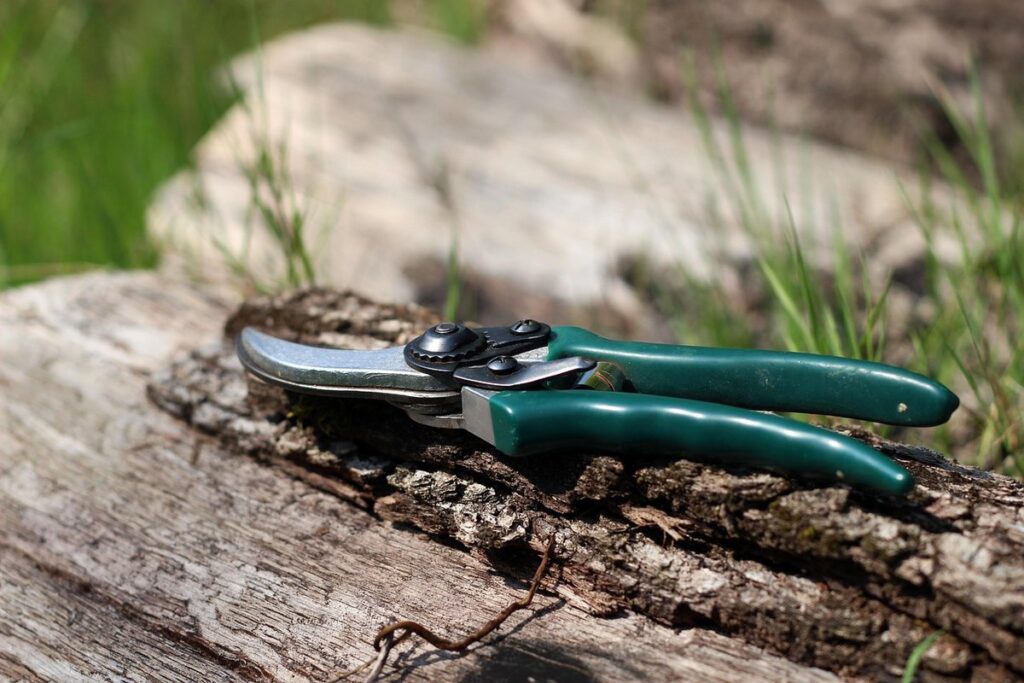
There are two main types of pruning shears: bypass pruners and anvil pruners. Bypass pruners are ideal for delicate stems and branches, as they cut around the stem without crushing it. These shears are perfect for pruning ornamental plants, shrubs, and young growth. Anvil pruners, on the other hand, are better suited for thicker branches and stems, as they cut using a sharp blade against an anvil-like surface.
When selecting pruning shears, consider the type of bushes you’ll be working with most often. If you have a lot of thin-stemmed plants, bypass pruners are the way to go. For thicker branches, anvil pruners will do the trick. It’s also essential to choose high-quality shears made from durable materials that can withstand regular use.
Look for shears with sharp blades and comfortable grips to make pruning easier and less straining on your hands. With the right pruning shears by your side, you’ll be well-equipped to tackle even the most unruly bushes in your garden.
Other Essential Tools
In addition to the pruning shears and pole saw, there are several other essential tools you’ll want to have on hand for effective pruning. Loppers are a great tool for reaching thicker branches without having to use the pole saw. They’re typically longer than pruning shears and can be used to cut through thicker stems up to 2-3 inches in diameter.
A pruning saw is another useful tool, especially when you need to make more extensive cuts or when working with dead or diseased wood. It’s designed for cutting through thicker branches and can be used with a rope or pole to help stabilize the saw.
Don’t forget about protective gear – gloves are an essential item for any pruning project. They’ll protect your hands from thorns, sap, and scratches, making it easier to work without interruptions. You may also consider safety glasses to shield your eyes from debris and branches that might snap back during pruning. Having these tools on hand will make the process of pruning back bushes much smoother and more efficient.
Preparing for Pruning Season
Before you start pruning, take some time to prepare your tools and workspace, ensuring a safe and efficient experience from start to finish. This includes cleaning and sharpening your pruners and other equipment.
Identifying the Best Time to Prune
When it comes to pruning bushes, timing is everything. The optimal time to prune depends on several factors, including climate, plant type, and growth patterns. In general, most deciduous shrubs can be pruned in late winter or early spring, before new growth begins. This allows for a clean cut and helps the bush produce new growth quickly.
For evergreen bushes, however, pruning is typically done after blooming has finished, usually in mid-to-late summer. This is because many evergreens produce flowers in the spring or early summer, and cutting them back too early can reduce blooming.
Consider the climate you live in as well – in areas with hot summers, it’s best to prune in the cooler months of winter or early spring. For regions with mild winters, pruning can be done year-round, but it’s still essential to avoid pruning during periods of active growth.
If you’re unsure about the specific needs of your bushes, observe their natural growth patterns. When a bush is dormant or slowing down its growth, that’s usually the best time to prune.
Preparing the Workspace
Before you begin pruning back bushes, it’s essential to prepare a safe and efficient workspace. Clearing debris from around the plants is crucial to avoid accidents and ensure you can move freely while working. Start by removing any dead leaves or branches that may be scattered on the ground. This will also give you an idea of how much growth has occurred during the off-season.
Next, secure any nearby plants or structures that could potentially get damaged during pruning. Tie back long branches of adjacent plants with twine or clips to prevent them from getting entangled with your pruned bushes. If you have nearby gardens or flower beds, consider covering them with a tarp or sheeting to protect the soil and plants from debris.
To further enhance your workspace, consider setting up a portable workbench or using a pruning stool to elevate yourself while working on larger branches. This will help reduce fatigue and make it easier to reach high areas without straining your back. By creating a safe and efficient workspace, you’ll be able to prune back bushes more effectively and with greater ease.
Techniques for Pruning Different Bush Types
When pruning different types of bushes, it’s essential to tailor your technique to the specific plant, whether it’s a compact shrub or an overgrown flowering bush. This section will guide you through pruning specific types for optimal results.
Deciduous Bushes (e.g., Hydrangea, Weigela)
Deciduous bushes, such as Hydrangea and Weigela, require regular pruning to maintain their shape and encourage healthy growth. When it comes to cutting back branches on these plants, focus on removing no more than one-third of the total foliage at a time. This helps prevent shock and allows the plant to adapt to its new shape.
To thin out stems on deciduous bushes, identify any weak or damaged branches and remove them completely. Cut just above a growth node – the small bud from which a new branch will emerge – using clean, sharp pruning tools. This will encourage new growth and help maintain the overall structure of the plant.
For shaping purposes, consider the natural form of your deciduous bush. For example, if you have a Hydrangea that’s grown too wide, prune the longest stems to about one-third their original length. This will encourage more compact growth and promote blooms in the desired areas.
Evergreen Bushes (e.g., Boxwood, Holly)
When it comes to pruning evergreen bushes, such as boxwood and holly, it’s essential to focus on removing dead or damaged growth. Start by inspecting the bush for any brown or wilted leaves, as well as branches with cracks or splits. Use sharp, clean pruning tools to cut these areas back to a healthy stem, making sure not to leave any stubs that can harbor disease.
To maintain a uniform shape, prune evergreen bushes regularly throughout the growing season. Remove any stray branches or ones that are growing inwards, creating an unnatural shape. Use the ‘topping’ method by cutting off the top third of the bush to encourage new growth and prevent it from becoming leggy.
Keep in mind that over-pruning can be detrimental to evergreen bushes, so only remove what’s necessary. Leave about one-third of the current year’s growth intact to allow the bush to maintain its structure and promote healthy regrowth. This approach will help keep your evergreen bushes looking neat and tidy while also promoting their overall health.
Troubleshooting Common Pruning Mistakes
We’ve all been there: pruning back a bush, only to realize it’s not turning out as planned. This is where common mistakes come in – and we’re about to tackle them head-on.
Over-Pruning and Its Consequences
Over-pruning is one of the most common mistakes gardeners make when pruning back bushes. It’s easy to get carried away with a pair of shears and cut back more than you should, but the consequences can be severe.
When you over-prune a bush, you’re essentially removing too much foliage at once. This can shock the plant, leading to stress and potentially even kill it. The roots are also affected, as they need the leaves to photosynthesize and produce nutrients. Without them, the plant is left vulnerable to disease and pests.
To avoid over-pruning, take a step back and assess the bush’s shape and size before cutting anything. Prune only what’s necessary to maintain its natural form. Remove any dead or diseased branches first, then focus on thinning out the foliage to allow more sunlight in.
A good rule of thumb is to prune no more than one-third of the plant at a time. This will prevent shocking the roots and give the bush a chance to recover.
Under-Pruning: A Guide to Not Enough Maintenance
Under-pruning can be just as problematic as over-pruning when it comes to maintaining the health and appearance of your bushes. When you don’t prune enough, you’re essentially giving the plant permission to grow wild and unchecked, which can lead to uneven growth patterns. This can result in a lopsided or gangly appearance that’s not only aesthetically unpleasing but also more susceptible to disease and pests.
Reduced plant health is another common issue that arises from under-pruning. Without regular pruning, bushes can become overgrown and congested, making it difficult for air, water, and nutrients to reach inner branches. This can lead to weak, spindly growth and a higher risk of disease. In fact, studies have shown that plants pruned regularly tend to have better overall health and resistance to stress.
To avoid under-pruning, it’s essential to develop a regular pruning schedule for your bushes. Start by examining the plant’s natural shape and size, then prune accordingly. Remove any dead or diseased branches, and thin out dense areas to allow for air circulation and sunlight penetration.
Maintaining Bush Health After Pruning
Now that you’ve pruned your bushes, it’s essential to maintain their health through proper care and attention. This includes regular watering and fertilization.
Providing Proper Care Post-Prune
Proper care after pruning is crucial to ensure the bush’s health and promote new growth. After cutting back your bushes, it’s essential to provide them with the right conditions to recover. Here are some key steps to follow:
Watering is a critical aspect of post-prune care. During the first few weeks after pruning, your bushes may be more susceptible to drought stress due to their increased surface area and reduced foliage. To prevent this, water your bushes thoroughly, making sure the soil is consistently moist but not waterlogged. Check the soil moisture by inserting your finger into the soil up to the knuckle; if it feels dry, it’s time to water.
Fertilizing after pruning can be beneficial in promoting new growth and vigor. However, it’s essential to choose a balanced, slow-release fertilizer that won’t burn your bushes’ roots. A 10-10-10 NPK (nitrogen-phosphorus-potassium) formula is an excellent choice. Follow the manufacturer’s instructions for application rates, and consider applying it during the growing season, typically spring or summer.
Regular monitoring for pests and diseases is also vital after pruning. Pests like aphids, whiteflies, and spider mites can quickly colonize newly pruned areas, causing significant damage. Inspect your bushes regularly, looking for signs of infestation such as sticky honeydew droplets, distorted leaves, or actual insects on the plant. For diseases, watch out for symptoms like yellowing leaves, black spots, or powdery mildew.
To minimize the risk of pests and diseases, maintain good garden hygiene by removing any debris, weeds, or diseased tissue from around your bushes. This will prevent the spread of pathogens and reduce the likelihood of attracting unwanted visitors to your garden. By following these care tips, you’ll be well on your way to helping your pruned bushes recover and thrive.
Frequently Asked Questions
How often should I prune my bushes after the initial pruning session?
Concise, valuable answer…
Pruning frequency depends on the bush type and growth rate. As a general rule of thumb, deciduous bushes typically require more frequent pruning (every 2-3 weeks) during active growing seasons, while evergreen bushes can be pruned less often (every 4-6 weeks). Monitor your bushes’ response to pruning and adjust the schedule accordingly.
Can I use power tools for pruning, or is it better to stick with manual shears?
Concise, valuable answer…
Both manual and power tools have their place in pruning. For small, delicate branches, manual shears are usually the best choice. However, for thicker stems or larger areas, power pruners can be more efficient and effective. It’s essential to choose the right tool for the job and follow safety guidelines.
What if I accidentally prune too much of my bush? Can it recover?
Concise, valuable answer…
Yes, in most cases, bushes can recover from over-pruning, but it may take time and proper care. The severity of damage will determine the likelihood of recovery. For example, removing a few branches might not be fatal, while cutting back the entire plant can be more challenging to recover from. Monitor your bush’s response and provide optimal growing conditions for it to bounce back.
How do I know if my pruning shears need maintenance or replacement?
Concise, valuable answer…
Check your pruning shears regularly for signs of wear, such as rust, dull blades, or loose handles. If you notice any issues, clean or sharpen the tools immediately. As a general rule, replace your pruning shears every 2-3 years or sooner if they become worn out.
Can I prune my bushes during winter or is it best to wait for spring?
Concise, valuable answer…
No, it’s generally recommended to avoid pruning deciduous bushes during the dormant season (winter). Pruning too close to the ground can weaken the plant and make it more susceptible to disease. For evergreen bushes, pruning during the growing season allows them to recover quickly from cuts. Prune your bushes when they’re actively growing for optimal results.