
Pruning your apricot tree is one of the most essential tasks to ensure its healthy growth and maximize fruit production. But, many gardeners struggle with knowing when and how to prune their trees effectively. With the right techniques and tools, you can promote vigorous growth, encourage blooming, and ultimately increase the yield of delicious apricots.
In this comprehensive guide, we’ll walk you through the best practices for pruning apricot trees, covering topics such as choosing the right pruning tools, understanding the proper cutting techniques, and maintaining your tree’s health. By following our expert advice, you’ll be able to prune your apricot tree with confidence, leading to a more bountiful harvest and a thriving tree that brings joy to your garden for years to come.
Understanding the Importance of Pruning
Pruning apricot trees isn’t just a task, it’s essential for maintaining their health and productivity. In this next part, we’ll break down why pruning is crucial for your tree’s success.
Benefits of Regular Pruning
Regular pruning is a crucial aspect of apricot tree care that offers numerous benefits for both the health and productivity of your tree. By maintaining your apricot tree’s shape through regular pruning, you can prevent it from becoming overgrown and promote healthy growth patterns.
Pruning also plays a significant role in increasing fruit production by allowing more sunlight to reach the fruiting branches and removing any diseased or damaged areas that could spread disease throughout the tree. This process is particularly important for apricot trees as they are susceptible to various diseases such as powdery mildew and brown rot, which can significantly reduce yields if left unchecked.
In addition to these benefits, pruning also encourages new growth by removing dead wood and allowing the tree to channel its energy towards producing healthy fruit rather than supporting weak or dying branches. By incorporating regular pruning into your tree’s maintenance routine, you’ll be rewarded with a thriving and productive apricot tree that provides an abundance of delicious fruit year after year.
When to Prune an Apricot Tree
When to Prune an Apricot Tree
Pruning your apricot tree during the dormant season is crucial for optimal results. This period typically falls between winter and early spring, when the tree is less active and more focused on recovery from the previous growing season.
Pruning at this time allows the tree to direct its energy towards new growth rather than expending resources to defend against pests and diseases that thrive in warmer months. This approach also helps minimize stress on the tree, reducing the likelihood of infection or infestation.
In terms of specific timing, aim to prune your apricot tree between late winter and early spring, around February or March, depending on your location’s climate. Avoid pruning during active growth periods, as this can lead to an increased risk of disease and pest issues.
If you’re unsure about the best time for pruning in your area, consult with a local nursery or gardening expert. They can provide guidance tailored to your specific climate and region. Remember, proper timing is key to successful pruning and the overall health of your apricot tree.
Avoiding Over-Pruning
When pruning apricot trees, it’s easy to get carried away and remove more than necessary. However, over-pruning can have severe consequences for the tree’s health and productivity. One of the primary risks of over-pruning is stress, which can weaken the tree’s immune system and make it more susceptible to disease.
To avoid this pitfall, it’s essential to prune only what’s necessary to maintain a balanced and healthy structure. This means removing diseased or damaged branches, crossing branches that rub against each other, and any suckers or water sprouts that grow from the base of the tree.
When in doubt, take a step back and evaluate your pruning efforts. Ask yourself if the removal of a particular branch is truly necessary for the health and productivity of the tree. Remember, it’s always better to err on the side of caution and remove less rather than more. This will help you achieve your pruning goals while preserving the overall structure and integrity of your apricot tree.
Choosing the Right Pruning Tools
When it comes to pruning apricot trees, having the right tools for the job is essential. Let’s take a look at the best pruning shears and loppers to get your tree in tip-top shape.
Hand Pruners and Loppers
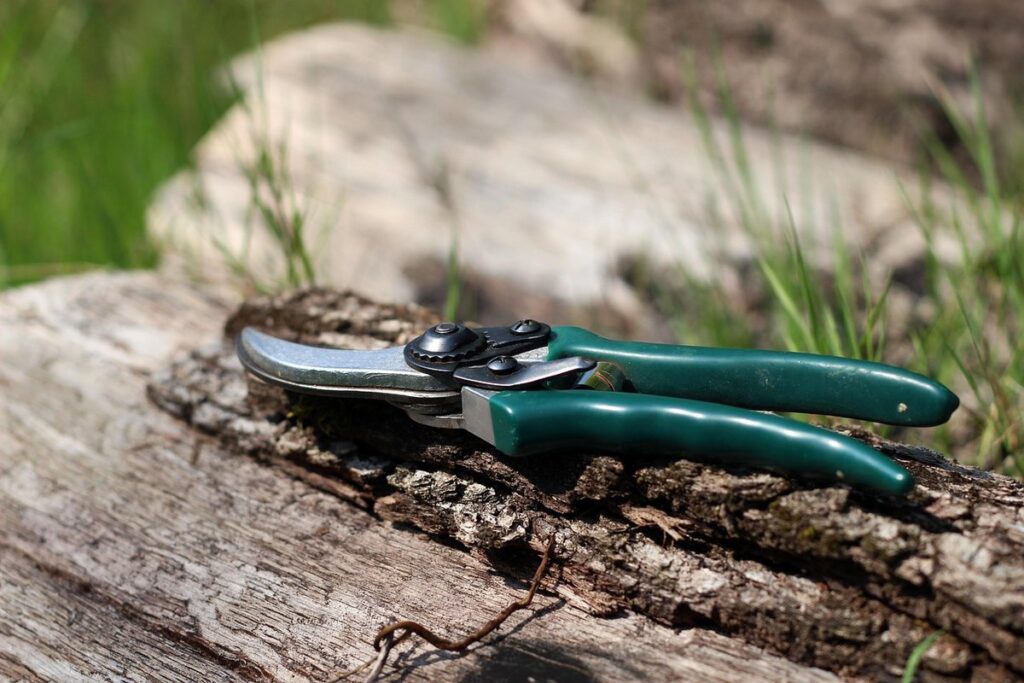
When it comes to pruning apricot trees, having the right tools for the job is essential. Among the essential items on your list should be hand pruners and loppers. These versatile tools will allow you to tackle a range of tasks, from delicate cuts to thicker stems.
Hand pruners are ideal for making precise cuts on small branches, typically up to 1 inch in diameter. Their curved blades make it easy to snip through thin wood, promoting clean cuts and minimizing the risk of damage to surrounding tissue. Look for high-quality hand pruners with sharp blades and comfortable grips to ensure efficient pruning.
Loppers are better suited for thicker stems, usually up to 2-3 inches in diameter. These long-handled pruners provide extra leverage and reach, making it easier to cut through more substantial branches without straining your back or wrists. Choose loppers with sturdy handles and sharp cutting edges to make quick work of pruning thicker growths. Regularly maintaining your hand pruners and loppers will keep them in good condition for years to come, ensuring your apricot tree receives the best possible care.
Pole Saws or Pruning Saws
When working with larger branches on your apricot tree, it’s essential to use the right tool for the job. For branches over 2-3 inches in diameter, a pole saw or pruning saw with a curved blade is the way to go. These tools offer excellent control and precision, making them ideal for cutting thicker limbs.
A pole saw is particularly useful when you need to reach high branches without using a ladder. Its long handle allows you to maintain balance while cutting, reducing the risk of accidents. When selecting a pole saw or pruning saw, look for one with a curved blade specifically designed for cutting wood. This will help prevent damage to the tool and ensure clean cuts.
When making cuts, always aim for a slight angle, about 15-20 degrees from the trunk. This helps promote healthy growth and minimizes the risk of disease or pest infestations. By using the right tool for larger branches and following proper cutting techniques, you’ll be able to maintain your apricot tree’s health and structure with confidence.
Basic Pruning Techniques
Let’s dive into the fundamental techniques you’ll need for pruning your apricot tree, including cutting back branches and shaping the canopy.
Removing Dead, Diseased, or Damaged Branches
When pruning apricot trees, it’s essential to identify and remove any dead, diseased, or damaged branches. These types of branches can be a haven for disease-causing pathogens and pests, which can spread quickly throughout the tree if left unaddressed. To prevent this from happening, take the time to inspect your apricot tree regularly.
Look for signs of death, such as brittle or dry wood, grayish-brown color, or a hollow sound when thumped. Diseased branches often exhibit visible symptoms like fungal growth, cankers, or unusual colors. Damaged branches may be broken or twisted, causing uneven growth patterns.
Remove any affected branches by cutting them back to about 1-2 inches from the trunk or main branch, making sure to disinfect your pruning tools between cuts to prevent the spread of disease. Cutting at an angle (about 45 degrees) and slightly above a bud will encourage new growth from that area. This simple yet crucial step can make all the difference in maintaining a healthy and productive apricot tree.
Reducing Crossing Branches
When pruning apricot trees, it’s essential to remove crossing branches that rub against each other. These rubbing branches can cause damage to both branches and create an environment where disease and pests can thrive. Crossing branches also reduce air circulation within the tree, making it more susceptible to fungal diseases.
To identify crossing branches, look for areas where two or more branches intersect, causing friction between them. Inspect the area closely, checking for signs of rubbing, scarring, or damage. If you notice any of these signs, make a note to remove one of the branches during your pruning session.
When removing a crossing branch, cut it at its base, making sure to maintain a clean wound and prevent further damage. This will allow air to circulate more freely within the tree, reducing the risk of disease and promoting healthy growth. Remember to always prune in small increments, monitoring the tree’s response before making additional cuts.
Shaping the Tree
When shaping the tree, it’s essential to create a strong central leader that will support the fruiting branches. This is typically done by selecting one of the strongest branches and allowing it to grow as the main trunk. Remove any weaker or competing leaders, cutting them back to about two feet from the ground. This will encourage the remaining leader to thicken and become stronger.
As you prune, keep an eye out for weak or spindly growth, which can indicate a problem with the tree’s root system or water availability. These shoots often grow more quickly than the rest of the tree and can cause the overall shape to become irregular. Remove any spindly growth that’s not contributing to the fruiting process by cutting it back to a lateral branch.
By shaping your apricot tree in this way, you’ll create a strong foundation for future growth and encourage a balanced, well-proportioned tree with plenty of room for fruiting branches.
Advanced Pruning Techniques
Now that you’ve mastered basic pruning techniques, it’s time to take your skills to the next level by learning advanced methods for promoting healthy growth and maximizing fruit production.
Thin Out the Center
As you continue to refine your apricot tree’s structure through pruning, it’s time to address the central part of the tree. This is where sunlight penetration and even growth become crucial factors in promoting healthy development and fruit production. Think of this process as “thin out the center,” allowing air, water, and nutrients to reach every branch and leaf.
To achieve this, carefully examine your apricot tree’s center, identifying branches that are congested or competing for space. Remove select branches that are crossing over others, rubbing against them, or simply taking up too much room. This will not only improve airflow but also encourage the remaining branches to grow more evenly. Remember, apricot trees need about 6-8 hours of direct sunlight per day to produce fruit. By thinning out the center, you’re ensuring that your tree receives sufficient light and water, reducing stress on its roots.
When pruning the center, consider the “V” formation – a technique where two branches are pruned at an angle, creating space between them. This promotes growth in multiple directions, resulting in a more balanced and robust tree. By thinning out the center of your apricot tree, you’ll be better equipped to handle water stress and encourage fruiting, ultimately leading to a more bountiful harvest.
Renovate the Tree Structure
When working with mature apricot trees, it’s essential to renovate their structure to promote healthy growth and fruit production. This process involves removing lower branches that are no longer needed, dead, diseased, or damaged, which can weaken the tree’s overall health.
To start, assess your tree’s current shape and size. Look for any branches that are rubbing against each other or those that are crossing over, causing congestion in the center of the tree. These issues can lead to disease and pest problems. Remove any deadwood, as it provides a perfect entry point for pathogens.
As you prune, aim to open up the canopy to allow more sunlight to reach the fruiting branches. This will improve air circulation, reducing the risk of fungal diseases. Use a saw or loppers to remove larger branches, and hand-prune smaller ones. Be cautious not to over-prune, as this can stress the tree.
Maintaining Your Pruned Apricot Tree
Now that you’ve pruned your apricot tree, it’s time to keep its shape and encourage healthy growth by maintaining it properly. This involves regular watering, fertilizing, and pest control.
Aftercare Instructions
After pruning your apricot tree, it’s essential to follow proper aftercare instructions to facilitate its recovery. Adequate watering is crucial during this period. Water your tree deeply at least once a week, depending on weather conditions, until new growth appears. Avoid overwatering, which can lead to root rot and other issues.
Fertilization is also vital for promoting healthy growth and fruit production. Apply a balanced fertilizer (10-10-10 NPK) in early spring, following the manufacturer’s instructions. You can also consider a fruit tree-specific fertilizer, rich in potassium and phosphorus, to enhance fruiting.
Regular monitoring of your tree is necessary to detect any potential pests or diseases that may arise due to pruning wounds. Inspect your tree for signs of infestation or infection, such as unusual growth patterns, leaf discoloration, or presence of insects. Take prompt action by applying appropriate treatments if you notice any issues.
Remember, proper aftercare can make a significant difference in the health and productivity of your apricot tree. By following these instructions, you’ll be able to support your tree’s recovery and ensure it continues to thrive for years to come.
Scheduling Regular Maintenance
To keep your pruned apricot tree thriving, it’s essential to schedule regular maintenance every 6-12 months. This may seem like a daunting task, but trust us, it’s worth the effort. Regular pruning helps maintain the tree’s shape, promotes healthy growth, and encourages fruit production.
When deciding on the frequency of pruning, consider factors such as your tree’s age, climate, and pest/disease resistance. Younger trees (less than 2 years old) typically require more frequent pruning (every 6 months), while mature trees can go longer between prunings (every 12 months). In warmer climates, you may need to prune more frequently due to accelerated growth rates.
To make the most of your pruning sessions, focus on maintaining a balanced canopy structure. Remove any dead, diseased, or damaged branches, and thin out select areas to improve air circulation and sunlight penetration. This will help prevent disease and promote healthy fruit development. By incorporating regular maintenance into your tree’s care routine, you’ll be rewarded with a lush, productive apricot tree for years to come.
Common Mistakes to Avoid
When pruning your apricot tree, it’s easy to get carried away and make mistakes that can harm its growth and productivity. Let’s look at some common errors to steer clear of in this process.
Pruning Too Much
When pruning apricot trees, it’s easy to get carried away and remove too much of the tree. However, this can lead to significant stress for the tree, which can have serious consequences for its overall health and fruit production.
Removing too many branches at once can shock the tree, causing it to expend all its energy on recovering from the pruning rather than growing new fruit. This is especially true if you remove more than one-third of the tree’s canopy in a single season. A good rule of thumb is to prune only what is necessary for the tree’s overall health and structure.
Instead of over-pruning, focus on removing dead, diseased, or damaged branches. These should be removed entirely, as they can spread disease and attract pests that target apricot trees. You should also remove any crossing branches that may be rubbing against each other, as well as any suckers or water sprouts that are competing with the rest of the tree for resources.
By pruning judiciously and only removing what is necessary, you’ll help your apricot tree stay healthy and productive for years to come.
Pruning at the Wrong Time
Pruning at the wrong time can be detrimental to your apricot tree’s health and productivity. One of the most common mistakes gardeners make is pruning during the active growing season, which can cause significant stress to the tree.
When you prune an apricot tree during the growing season, it triggers a cascade of responses that can lead to disease susceptibility, pest infestations, and reduced fruit production. This is because the tree has already allocated its energy towards producing new growth, and pruning at this time disrupts its natural processes.
Instead, prune your apricot tree during the dormant season, which typically falls in winter or early spring. Pruning during this time allows you to make clean cuts without shocking the tree, reducing the risk of disease and pest issues. It’s also a great opportunity to remove dead, diseased, or damaged branches, promoting healthy growth and encouraging fruiting wood.
By pruning at the right time, you’ll set your apricot tree up for success, ensuring it grows strong and productive for years to come.
Frequently Asked Questions
Can I Prune My Apricot Tree During the Dormant Season or After Harvest?
Yes, pruning your apricot tree during its dormant season (winter or early spring) is ideal for promoting healthy growth and fruiting. However, if you missed this window, it’s still beneficial to prune your tree after harvest, as this helps maintain its shape and encourages new growth.
How Do I Prevent Damage to My Tree’s Bark When Using Pruning Saws?
To prevent damage to your apricot tree’s bark when using pruning saws, always wear gloves for a secure grip. Cut at a 45-degree angle, making sure the cut is smooth and even. Apply some lubricant to the blade to reduce friction and prevent tears in the bark.
What If I Notice Some Dead or Diseased Branches After Pruning?
If you notice dead or diseased branches after pruning your apricot tree, remove them immediately. This will help prevent the spread of disease and encourage healthy growth. Cut at a 45-degree angle just above a bud (about 1/4 inch from it) to promote new shoots.
How Do I Know When My Apricot Tree Needs Renovative Pruning?
Renovative pruning is typically needed for older trees that have become overgrown or have structural issues. Look for signs like crossing branches, weak limbs, and a lack of light penetration. If you notice these problems, consider consulting an arborist or doing a more extensive renovation.
Can I Use Power Tools Like Chainsaws to Prune My Apricot Tree?
While power tools can be effective for larger pruning tasks, it’s generally recommended to use hand pruners, loppers, and pole saws for apricot trees. These tools allow for more precision and control, reducing the risk of damage or injury.