
Pruning your apple tree is an essential task that requires some know-how, but don’t worry if you’re new to gardening – with our comprehensive guide, you’ll be pruning like a pro in no time. Pruning isn’t just about cutting back branches for aesthetic reasons; it’s crucial for promoting healthy growth and maximizing fruit production. When done correctly, pruning can even help prevent disease and pests from taking hold.
In this article, we’ll walk you through the best tools to use, when to prune, and expert techniques for getting the most out of your apple tree. We’ll cover everything from the basics of pruning to more advanced methods for specific types of trees. Whether you’re a seasoned gardener or just starting out, our guide will provide you with all the knowledge you need to keep your apple tree thriving and producing an abundance of delicious fruit.
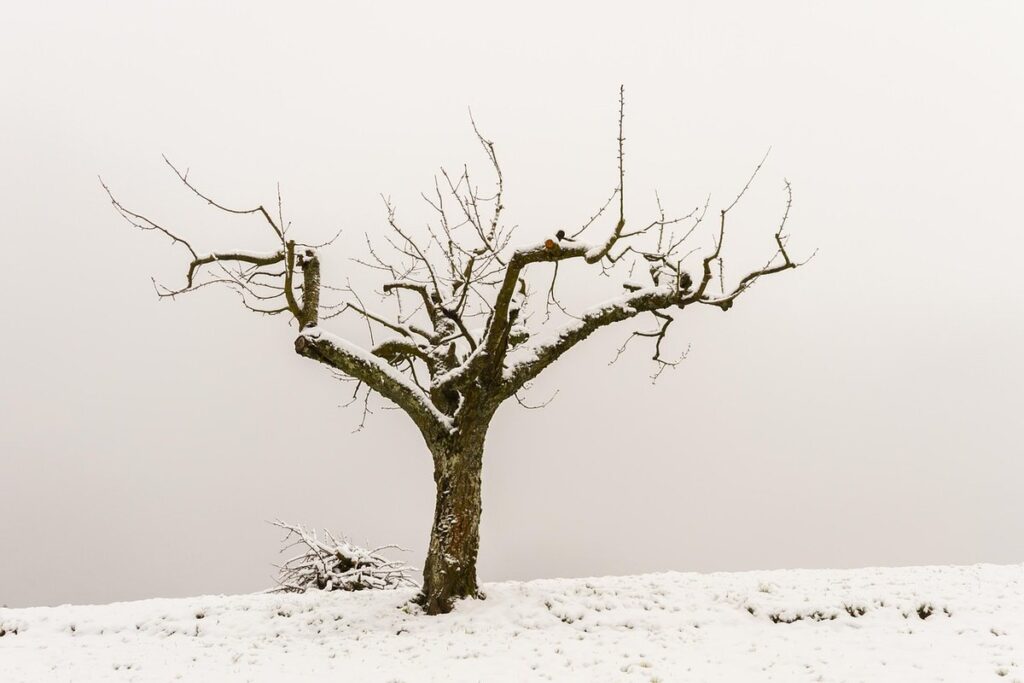
Choosing the Right Tools and Timing
When pruning apple trees, having the right tools is essential for efficient and effective pruning. Choose from sharp hand pruners to loppers for cutting thicker branches.
Understanding the Importance of Pruning
When you prune an apple tree, it’s not just about shaping its appearance – it’s also crucial for its overall health and productivity. Regular pruning is essential for maintaining the tree’s shape, promoting air circulation, and reducing disease susceptibility.
Imagine a dense, unpruned apple tree with branches rubbing against each other. This creates an ideal environment for diseases like powdery mildew and fire blight to spread. Pruning helps open up the tree’s canopy, allowing sunlight and air to penetrate and dry out any moisture that might be trapped. By removing crossing or rubbing branches, you’re reducing the risk of disease and promoting a healthier tree.
Additionally, pruning encourages fruiting wood growth. When you remove old, unproductive wood, it signals the tree to produce new, vigorous growth – which ultimately leads to more fruit! Pruning at the right time also helps maintain the tree’s natural shape, making it easier to harvest and maintain in the long run.
Selecting the Correct Pruning Tools
When it comes to pruning apple trees, having the right tools for the job is crucial. You’ll need a variety of pruners and cutters that can tackle different types of branches and sizes. Let’s start with the basics: hand pruners are perfect for small twigs and delicate branches. They’re also great for making precise cuts in tight spaces.
For thicker branches, you’ll want to use loppers or pruning saws. Loppers are like oversized hand pruners that can cut through 1-2 inch thick branches with ease. Pruning saws, on the other hand, are ideal for cutting larger branches and can be used both handsaw-style or as a curved saw.
It’s essential to keep your tools sharp and clean to prevent damage to the tree and reduce the risk of infection. A dull tool will tear the bark, leaving it vulnerable to disease. Regularly sharpening and cleaning your tools will not only make pruning easier but also promote healthy growth in your apple trees.
Deciding When to Prune
When deciding when to prune your apple tree, timing is everything. The optimal time for pruning depends on several factors, including weather conditions, tree age, and growth stage.
In general, the best time to prune apple trees is during their dormant season, typically between late winter and early spring. Pruning at this time allows you to inspect the tree’s structure without the distraction of leaves or flowers. Additionally, pruning during dormancy helps prevent the spread of disease and promotes healthy healing.
However, if your tree shows signs of overgrowth, disease, or pest infestation, don’t wait for the dormant season. Prune as needed to maintain its shape, promote air circulation, and prevent further damage. Signs that a tree needs pruning include excessive growth beyond its support system, visible disease symptoms such as black spots or fungal growth, or evidence of pests like aphids or codling moths.
Keep in mind that young trees (less than 2 years old) should be pruned minimally to avoid stressing the tree. For mature trees, prune about 10-15% of its canopy to maintain a balanced shape and promote fruiting.
Inspecting and Preparing the Tree
Now that we’ve covered the basics, it’s time to move on to a crucial step: inspecting your tree for any signs of disease or damage. This will help you prepare it for pruning effectively.
Assessing Branch Structure
When inspecting your apple tree’s branch structure, it’s essential to look for signs of weakness and prioritize pruning accordingly. Dead, diseased, or damaged branches are a haven for disease and pests, so removal is crucial.
Start by examining the bark texture and color on each branch. Healthy bark should be smooth and tightly attached, while dead or dying wood may appear grayish, cracked, or even fall off easily. Inspect the branch angles as well – those that are too upright (at least 45 degrees from the trunk) can split under snow load, while those that are too horizontal may rub against adjacent branches.
Fruit production is also a consideration when pruning apple trees. Look for two-year-old wood (last year’s growth), which typically produces the most fruit. Identify weak or crowded areas where fruiting branches are competing with each other. Remove any branches growing towards the center of the tree, as this will allow more sunlight to reach inner branches and promote better air circulation.
Prioritize pruning tasks based on the severity of branch damage. If a branch is severely damaged or diseased, remove it entirely. For less severe issues, consider pruning only part of the affected area to minimize stress on the tree.
Removing Dead and Diseased Wood
When inspecting your apple tree, it’s essential to identify and remove dead, diseased, or damaged branches. These can harbor pests and diseases that spread quickly, threatening the overall health of your tree. Begin by examining your tree from multiple angles, taking note of any weak or compromised branches.
To safely remove these branches, use loppers or pruning shears specifically designed for fruit trees. Cut just outside growth nodes, making clean cuts at a 45-degree angle. This promotes healthy healing and minimizes the risk of disease entry points. For larger branches, consider using a pruning saw or pole pruner to avoid fatigue and maintain precision.
When removing diseased wood, take extra caution not to spread the infection. Wear protective clothing, including gloves, and thoroughly disinfect your tools between cuts. Make multiple small cuts if necessary, working from the bottom up to prevent sap flow into the wound. By carefully removing dead, diseased, or damaged branches, you’ll maintain a healthy environment for your apple tree’s growth and fruit production.
Thinning Fruit Bearing Branches
When it comes to pruning apple trees, thinning out fruit-bearing branches is an essential step. This process not only promotes healthy growth but also increases the overall productivity of your tree. By removing select branches, you’ll allow more sunlight to penetrate the canopy, reducing shade on lower-growing branches and improving air circulation.
To determine which branches to remove, look for those that are rubbing against each other or growing at awkward angles. These can create damage and encourage disease growth. You should also consider the diameter of the branch – if it’s thicker than 2 inches in diameter, it’s likely a strong contender for removal.
For fruit quality, aim for branches with a good balance of sun exposure and protection from wind and frost. Remove any weak or diseased wood, as this can compromise the overall health of your tree. When pruning, cut just above a bud eye (about 1/4 inch) to encourage new growth from that point. By carefully selecting which fruit-bearing branches to remove, you’ll be creating an environment conducive to healthy growth and bountiful harvests.
Pruning Techniques and Strategies
Now that you’ve removed dead wood and branches, let’s focus on refining your apple tree’s shape with various pruning techniques and strategies to promote healthy growth.
Reducing Tree Size and Shape
When it comes to pruning apple trees, reducing their size and shape is often necessary for optimal growth, fruit production, and overall health. There are several techniques you can use to achieve this goal. Topping involves cutting the branches back to a certain height, usually around two-thirds of the tree’s total height. This technique is most effective for young trees or those that have become too large for their space.
Thinning pruning removes select branches to allow more sunlight and air to reach the remaining ones. This promotes healthy growth and prevents disease. It’s ideal for mature trees with a dense canopy, as it helps maintain a balanced structure while allowing fruiting branches to receive adequate light.
Renewal pruning is a more extensive technique that involves removing one-third to one-half of the tree’s oldest branches. This stimulates new growth, promoting a stronger, healthier tree. It’s usually done on older trees with a weak or over-matured canopy. Remember to prune your apple trees during their dormant season for best results and to minimize shock to the tree.
Promoting Air Circulation and Sunlight Penetration
When it comes to pruning apple trees, many gardeners focus on removing deadwood and promoting healthy growth. However, another crucial aspect of pruning is ensuring proper air circulation and sunlight penetration within the tree’s canopy.
Poor air circulation can lead to diseases like powdery mildew and scab, which thrive in humid environments. By pruning for better branch angle, you can improve airflow through your apple tree. This involves cutting branches at a 45-degree angle, just above a bud or lateral shoot. Not only does this reduce the risk of disease, but it also encourages vertical growth.
Reducing foliage density is another way to promote air circulation and sunlight penetration. Thick foliage can block light from reaching lower branches, stunting their growth. By removing select branches to thin out your tree’s canopy, you allow more sunlight to filter through and promote even growth throughout the tree. This technique is particularly important for older trees that have developed a dense, closed canopy over time.
Enhancing Fruit Quality and Yield
When pruning apple trees, it’s essential to consider not only their aesthetic appeal but also their fruit quality and yield. Proper pruning can have a significant impact on both, making the process of harvesting and enjoying your tree’s bounty even more rewarding.
One way pruning affects fruit quality is by promoting even distribution of fruit-bearing branches. By strategically cutting back select branches, you encourage the growth of new, productive limbs that will provide a balanced harvest. For example, if one side of your tree has an overabundance of fruiting branches, prune those on the other side to create symmetry and ensure a more consistent yield.
To optimize branch structure for even fruit distribution, focus on removing any weak or crossing branches. This will not only improve air circulation but also allow sunlight to penetrate deeper into the tree’s canopy, promoting healthy growth. When pruning, aim to remove about 25-30% of the tree’s branches annually, spacing them evenly throughout the growing season. This technique will stimulate fruit bud formation and encourage a balanced fruit set, ultimately leading to healthier, more productive trees that provide you with an abundance of delicious apples year after year.
Common Pruning Mistakes to Avoid
Pruning apple trees can be a delicate process, and making mistakes can have serious consequences for your tree’s health. This is where avoiding common pruning errors comes in – let’s take a look at what to steer clear of.
Over-Pruning and Under-Pruning
When pruning apple trees, it’s essential to strike a balance between maintaining their health and promoting fruit production. Over-pruning or under-pruning can have detrimental effects on the tree’s structure and productivity.
Over-pruning involves removing too much of the tree’s foliage, which can lead to sunburned branches and reduced photosynthesis. This not only weakens the tree but also makes it more susceptible to disease and pests. For example, if you remove too many of the new shoots in spring, the tree may struggle to produce enough leaves for nutrient uptake, resulting in stunted growth.
On the other hand, under-pruning can lead to a tangled mess of branches that are more prone to breaking and infection. If not pruned regularly, apple trees can become leggy and produce fewer fruits as they focus their energy on producing large, thin limbs rather than fruiting branches. A general rule of thumb is to remove no more than one-third of the tree’s canopy in a single season to avoid shocking the tree.
Improper Tool Use and Technique
When pruning apple trees, it’s not just about wielding a tool and making cuts. The way you use your tools and technique can greatly impact the health and productivity of your tree. One common mistake is using dull pruning tools, which can lead to tearing the bark instead of clean cutting through it. This can invite disease and pests into the wound, causing more harm than good.
To avoid this, make sure your pruning shears or loppers are sharp before each use. Dull tools can also increase the amount of stress on the tree, leading to sunscald or other damage. When making cuts, be mindful of the direction you’re cutting – always cut at a 45-degree angle and above the bud eye to encourage new growth.
It’s also essential to disinfect your pruning equipment between each cut to prevent the spread of disease. You can do this by dipping the tools in a mixture of one part bleach to nine parts water or using a commercial sanitizer. By taking these simple precautions, you’ll be well on your way to making precise, healthy cuts that will promote the overall health and productivity of your apple tree.
Ignoring Tree Health and Weather Conditions
When pruning apple trees, it’s crucial to consider both tree health and weather conditions. Ignoring these factors can lead to poor pruning outcomes, increasing the risk of disease, pest infestation, or environmental damage.
Pruning a weak or diseased tree during the wrong season can spread diseases like fire blight, powdery mildew, or scab more easily. For instance, pruning an apple tree infected with fire blight in the spring or summer months will only exacerbate the issue, as this is when the bacteria are most active. Instead, wait for the dormant season to prune out affected areas.
Similarly, pruning during periods of drought or extreme heat can stress the tree further, making it more vulnerable to pests and diseases. Similarly, pruning a young tree when it’s actively growing can lead to over-pruning, which can reduce fruit production in the short term. Always prioritize pruning during the tree’s dormant season (winter or early spring), when growth is minimal, and the risk of disease transmission is lower.
Additionally, consider weather forecasts before pruning. Avoid pruning during strong winds or extreme temperatures as this can cause damage to the tree. By taking into account both tree health and weather conditions, you’ll be able to prune your apple trees safely and effectively.
Maintaining and Caring for Pruned Apple Trees
Now that you’ve pruned your apple tree, it’s essential to provide ongoing care to ensure it continues to thrive and produce a bountiful harvest each year. Regular maintenance will help your tree stay healthy and productive.
Post-Pruning Care and Maintenance
After pruning your apple tree, it’s essential to provide optimal growing conditions for a healthy and thriving tree. Watering is crucial, especially during hot weather or dry spells. Make sure the soil around your tree receives about 1 inch of water per week, either through rain or irrigation. Avoid overwatering, which can lead to root rot and other problems.
Fertilizing after pruning also plays a vital role in promoting healthy growth. Apply a balanced fertilizer with a mix of nitrogen, phosphorus, and potassium (10-10-10) according to the manufacturer’s instructions. This will help replenish nutrients lost during pruning and promote fruiting.
Keep an eye out for signs of stress or disease, such as yellowing leaves, black spots, or powdery mildew. Regularly inspect your tree for any issues and take corrective action promptly. Ensure proper air circulation around the tree by maintaining a 2- to 3-foot radius clear of weeds and other plants.
Mulching around the base of the tree can help retain moisture, suppress weeds, and regulate soil temperature. Aim for a 2-inch layer of organic mulch like wood chips or straw.
Seasonal Pruning Schedule
To maintain the health and productivity of your apple tree, it’s essential to follow a seasonal pruning schedule. This involves pruning at specific times of the year, depending on your climate, region, and tree requirements.
In most regions, apple trees require three main pruning sessions: winter, spring, and summer. In colder climates, prune in late winter or early spring, as this allows the tree to heal quickly from any damage caused by cold temperatures. For warmer climates, prune during the dormant season (winter) to minimize the risk of disease.
In addition to these seasonal prunings, it’s crucial to inspect your tree regularly and remove any weak or diseased branches throughout the growing season. This will help prevent the spread of disease and promote healthy growth.
Some general guidelines for pruning frequency include:
* Remove no more than 25% of the tree’s canopy in a single year
* Prune during the driest part of the day to minimize water loss through wounds
* Avoid pruning in the spring when new growth is emerging, as this can lead to disease and pests taking hold
Conclusion
Now that you’ve completed pruning your apple tree, it’s essential to inspect its overall shape and structure. Make any necessary adjustments by thinning branches or adjusting the leader if needed. Keep in mind that regular pruning will promote healthy growth and encourage fruit production. Don’t forget to sanitize your tools between cuts to prevent disease transmission.
As a final check, ensure all cuts are clean and smooth, with no rough edges that can cause damage to the tree. Regularly inspecting your tree for signs of pests or diseases will also help you identify potential issues early on, making it easier to take corrective action. By following this step-by-step guide and maintaining regular care, you’ll enjoy a thriving apple tree that produces an abundance of delicious fruit year after year.
Frequently Asked Questions
What happens if I prune my apple tree too much, even if it’s done with the right techniques?
Over-pruning can be detrimental to your tree’s health, leading to reduced fruit production and increased susceptibility to disease. When pruning too heavily, you’re removing too many branches at once, which can shock the tree and cause it to produce weak growth. To avoid this, focus on making one or two significant cuts per year, and prune more lightly in subsequent seasons.
How often should I inspect my apple tree for dead or diseased wood after pruning?
Regular inspections are crucial to maintaining your tree’s health. We recommend checking your tree at least once a month during the growing season (spring-fall) for signs of disease or damage. This will help you catch any issues early on and prevent them from spreading.
Can I prune my apple tree in the middle of winter, or is it best to do so during specific seasons?
While pruning can be done year-round, it’s generally recommended to avoid pruning during harsh winter months when your tree is dormant. Pruning during this time can lead to delayed healing and increased risk of disease. Instead, aim for late winter to early spring, or summer after harvest.
What are some common mistakes to watch out for when using loppers or hand pruners on my apple tree?
Improper tool use is a common mistake that can damage your tree’s bark and make it more susceptible to disease. Be sure to always cut at a 45-degree angle, making clean cuts just above a bud or growth node. Also, avoid over-stretching or using excessive force, which can cause branch breakage.
Can I prune my apple tree in the first year after planting, or should I wait?
It’s generally recommended to delay pruning for the first year after planting, allowing your tree to establish a strong root system and develop its overall structure. This will make it easier to prune and shape your tree in subsequent years.