
Are you tired of struggling with overgrown branches and disappointing harvests from your apple tree? Pruning is an essential task that can make all the difference in promoting healthy growth, bountiful harvests, and a long lifespan for your beloved fruit-bearing tree. But pruning can be intimidating if you don’t know where to start or what techniques to use.
That’s why we’ve put together this comprehensive guide on how to prune apple trees effectively. In this article, we’ll walk you through the best timing and safety precautions to take when pruning, as well as various techniques for different types of branches. Whether you’re a seasoned gardener or just starting out, our expert advice will help you learn how to prune your apple tree like a pro and enjoy a thriving harvest every year. With these tips, you’ll be able to enhance the beauty and productivity of your apple tree in no time!
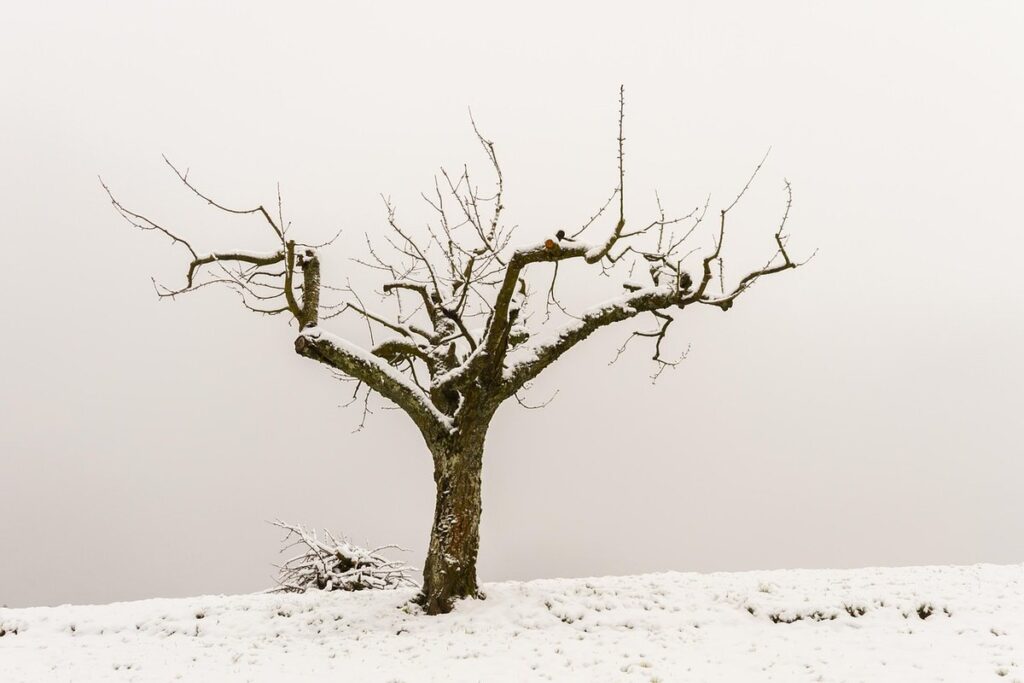
Importance of Pruning Apple Trees
Proper pruning is essential for promoting healthy growth and increasing fruit production, which is why we’re diving into its importance for apple trees. By understanding its benefits, you’ll be well-equipped to prune like a pro.
Why Prune Apple Trees
Pruning apple trees is not just a matter of aesthetics; it’s essential for maintaining their overall health and productivity. By pruning regularly, you’re essentially giving your tree a “check-up” to identify and address potential issues before they become major problems.
First and foremost, pruning helps maintain the tree’s shape and structure. This ensures that branches don’t overcrowd each other, which can lead to disease and pest infestations. Think of it like thinning out a crowded room – by removing some of the “furniture” (in this case, branches), you create space for healthy growth and better air circulation.
Pruning also plays a crucial role in promoting fruiting. By removing select branches, you’re encouraging the tree to focus its energy on producing high-quality fruit rather than just growing new wood. This is especially important for apple trees, which can produce hundreds of apples per year if properly pruned.
Finally, pruning allows you to remove diseased or damaged branches that could compromise the tree’s overall health. By taking out these problem areas, you’re preventing the spread of disease and protecting your tree from further damage. Regular pruning is key to maintaining a healthy, thriving apple tree that will provide bountiful harvests for years to come.
Benefits of Regular Pruning
Regular pruning is essential for promoting healthy growth and bountiful harvests in apple trees. One of the primary benefits of regular pruning is increased sunlight penetration. When branches are pruned, they allow more sunlight to reach the inner parts of the tree, encouraging fruiting and preventing shade-sensitive areas from becoming overgrown.
Proper pruning also improves air circulation around the tree. Dense foliage can trap moisture, creating a humid environment that fosters diseases like powdery mildew and scab. By thinning out branches, you reduce the risk of disease outbreaks and create a healthier canopy. Furthermore, pruning enhances tree stability by removing weak or dead wood, which can break off in strong winds.
To reap these benefits, prune your apple trees annually during their dormant season (winter or early spring). Remove 25-30% of the previous year’s growth to maintain a balanced structure and encourage new fruiting branches. By prioritizing regular pruning, you’ll be rewarded with healthier, more productive apple trees that thrive for years to come.
Choosing the Right Time to Prune Apple Trees
When it comes to pruning apple trees, timing is everything. Understanding when to prune your trees will help you maintain their health and ensure a bountiful harvest each year.
Understanding Dormancy and Growth Cycles
As an apple tree owner, it’s essential to understand when your trees are in dormancy or growth phase. This knowledge will help you prune them at the right time, promoting healthy growth and a bountiful harvest. Typically, apple trees go through two distinct cycles: dormancy and growth.
Dormancy occurs during the winter months (December to February) when tree growth slows down, and the tree conserves energy. In this state, the tree’s sap flow is minimal, and it becomes more resistant to disease and pests. On the other hand, the growth phase begins in early spring (March to May), when new buds start to swell, and sap flow increases.
To determine whether your apple trees are dormant or growing, look for visual cues: bare branches during dormancy and leafy greenery during growth. Pruning during the dormant season is crucial because it allows you to remove dead, diseased, or damaged branches without stimulating new growth. This reduces stress on the tree and minimizes the risk of disease transmission. By pruning during this period, you’ll set your trees up for a healthy growing season ahead.
Avoiding Summer Pruning for Young Trees
When it comes to pruning young apple trees, timing is crucial. While summer may seem like an ideal time for pruning due to its warm weather and long days, it’s actually one of the worst times to prune a young tree.
Pruning during the summer months can be detrimental to new growth, as it stimulates the tree to produce new shoots and leaves that are more susceptible to disease and pests. This is because summer pruning encourages the tree to focus on producing foliage rather than developing its structure and root system. As a result, young trees may become stressed, leading to weak and brittle branches that are more prone to breakage.
If you prune your young apple tree during the summer, it may not have enough time to recover before winter sets in. This can leave the tree vulnerable to disease and pests, which can be devastating for its overall health and productivity. So, what’s a better alternative? Wait until late winter or early spring when new growth is minimal, making it easier to shape and train your young apple tree without causing unnecessary stress.
Basic Pruning Techniques for Apple Trees
Pruning is a crucial part of maintaining healthy apple trees, and mastering basic techniques will give you confidence to tackle more complex tasks. Let’s start with the fundamentals.
Removing Dead, Diseased, or Damaged Branches
When pruning apple trees, one of the most crucial steps is removing dead, diseased, or damaged branches. This process not only promotes healthy growth but also prevents the spread of disease and encourages fruiting. To identify these problem branches, look for signs such as cracks, splits, soft spots, or excessive dieback.
To remove a branch, start by cutting at a 45-degree angle, just above a bud or lateral branch. This type of cut, known as a “bark ridge cut,” allows the tree to heal quickly and directs new growth in the desired direction. Make clean cuts using sharp pruning tools, taking care not to tear the bark.
When dealing with diseased branches, sanitize your tools between cuts by dipping them in a solution of 1 part bleach to 9 parts water. Cut back the branch to about 6-12 inches from the affected area, making sure to remove any infected tissue. Remove all dead or damaged wood to prevent disease spread and encourage healthy growth.
By following these steps and removing dead, diseased, or damaged branches, you’ll be well on your way to creating a strong and productive apple tree that will thrive for years to come.
Shaping the Tree Structure
When shaping the tree structure of your apple tree, one of the most critical steps is to create a balanced and well-distributed canopy. This can be achieved by thinning out dense areas, reducing crossing branches, and promoting a central leader (main trunk) using various pruning techniques.
To start, look for any sections where the branches are growing too densely together. Use loppers or pruning saws to carefully cut out some of these branches, making sure not to over-prune and leave gaps that can be vulnerable to disease or pests. By doing so, you’ll allow more sunlight to reach inner branches, promoting healthy growth and fruiting.
Another important aspect is reducing crossing branches. These are branches that intersect with other branches, causing damage and creating an entry point for diseases. Look for any crossing branches and cut them off at the point where they meet another branch, making sure the cut is about one-quarter inch from the intersection. This will not only improve air circulation but also prevent future problems.
By using these techniques, you’ll be promoting a central leader (main trunk), which will help your tree grow strong and balanced. Reduction cutting is an essential technique to achieve this goal. Cut back select branches to about half their length, aiming for one or two strong branches that can become the new leaders. This will encourage the remaining growth to focus on these chosen branches, leading to a more harmonious and productive apple tree.
Advanced Pruning Techniques for Apple Trees
For those looking to take their pruning skills to the next level, we’ll dive into advanced techniques that promote healthy growth and maximize fruit production in apple trees. This includes methods like espaliering and trellising.
Top-Working for Rejuvenation
Top-working is a rejuvenating technique used to replace an apple tree’s existing structure with new grafts or scions. This process involves removing the majority of the old tree and replacing it with fresh, vigorous growth from a donor tree. The goal is to revitalize the tree, eliminating any disease, pests, or nutrient deficiencies that may be hindering its performance.
To top-work an apple tree, select a mature tree (5-10 years old) that has outgrown its space or is no longer productive. Cut back the main branches by about one-third to encourage new growth and make the tree more manageable for grafting. Next, carefully remove all but a few of the largest limbs to create a scaffold system for the new scions.
Grafting involves attaching the new scion (a piece of stem with leaves) onto the rootstock using specialized techniques and equipment. It’s essential to match the scion variety with the rootstock’s characteristics, such as climate tolerance and disease resistance. After grafting, prune any weak or damaged wood to promote strong growth and air circulation.
Regular monitoring is crucial during the top-working process. Make sure new shoots are emerging from the graft union, and adjust pruning accordingly to maintain a balanced structure. This technique can be applied at various times of the year, depending on factors like climate and tree type. By using top-working, you can rejuvenate your apple tree and encourage it to produce bountiful harvests for years to come.
Espalier Training
Espalier training is an excellent method for growing apple trees in small spaces, such as against walls or fences. This technique involves pruning and training the tree to grow in a specific pattern, using supports like wires or trellises. By espaliering your apple tree, you can make the most of limited space while still enjoying a bountiful harvest.
To start espalier training, choose a dwarf or semi-dwarf rootstock that is naturally compact and suitable for container gardens. Plant the tree against a wall or fence, providing it with support as it grows. Prune the branches to encourage horizontal growth, using wires or trellises to train them in place. Regular pruning will help maintain the desired shape and promote healthy growth.
Espalier training requires regular monitoring and adjustments to ensure the tree remains stable and productive. With proper care and attention, you can enjoy a vibrant, fruiting apple tree even in the smallest of spaces.
Pruning Tools and Safety Precautions
Now that we’ve covered the fundamentals of pruning, let’s dive into the essential tools and safety precautions you’ll need to protect yourself while maintaining your apple tree. Proper equipment will make a big difference in your success.
Essential Pruning Tools
When it comes to pruning apple trees, having the right tools for the job is crucial. You’ll want to ensure you have a well-stocked arsenal to tackle even the most stubborn branches. Let’s start with the essentials.
First and foremost, hand pruners are an absolute must-have. Look for ones that are sharp and comfortable to use, as they will be your go-to tool for pruning smaller branches. A good pair of loppers is also essential, especially if you’re dealing with thicker limbs. Pole saws come in handy for those hard-to-reach areas, allowing you to prune from a safe distance.
Of course, safety should always be top of mind when working with sharp tools. Invest in a good pair of gloves to protect your hands from cuts and abrasions. And don’t forget eye protection – a simple pair of goggles or safety glasses can prevent accidental scratches and injuries. With these essential tools in hand, you’ll be ready to tackle even the most challenging pruning tasks. Remember to store them properly after use to ensure they remain sharp and ready for the next session.
Safety Tips for Effective Pruning
When pruning apple trees, it’s essential to focus not only on promoting healthy growth and encouraging bountiful harvests but also on ensuring your safety. Pruning can be a physically demanding task that requires careful attention to detail, especially when working at heights or with sharp tools.
To avoid accidents while pruning, maintain good visibility by clearing any debris or branches from around the work area. This will allow you to easily see what you’re doing and prevent tripping hazards. Wear proper eye protection, such as safety glasses or goggles, to shield your eyes from flying wood chips and debris.
When lifting heavy tools or equipment, use proper lifting techniques to avoid straining your back. Bend at the knees, keep the object close to your body, and lift with your leg muscles rather than your back. Finally, be mindful of nearby electricity sources, such as power lines or irrigation systems, which can cause shock or electrocution if you accidentally touch them while pruning.
Troubleshooting Common Pruning Mistakes
We’ve all been there: pruning mistakes that can harm your apple tree’s health and productivity. Let’s explore some common errors to watch out for and correct them before it’s too late.
Over-Pruning and Under-Pruning
Over-pruning and under-pruning are two common pruning mistakes that can have significant consequences for the health and productivity of your apple tree. Over-pruning occurs when too much of the tree’s foliage is removed, leaving it stressed and vulnerable to disease and pests.
Signs of over-pruning include excessive dieback, yellowing leaves, and a general decline in overall tree health. If you suspect that your tree has been over-pruned, reduce pruning efforts immediately and focus on allowing new growth to develop. This can be achieved by removing only the oldest or thinnest branches, rather than cutting back too much of the tree’s canopy.
On the other hand, under-pruning occurs when not enough of the tree’s diseased, damaged, or crossing branches are removed. This can lead to reduced fruit production and an increased risk of disease transmission within the tree. Look for signs of under-pruning such as dense, overcrowded growth and reduced air circulation around the tree.
If you’ve been under-pruning your apple tree, consider pruning out 20-30% of the branches annually to maintain a healthy balance between foliage and fruit production.
Identifying Pest or Disease Infestations
When pruning apple trees, it’s essential to be aware of potential pest and disease infestations that can harm your tree’s health. Regular monitoring is key to identifying issues early on. Keep an eye out for signs of aphids, such as curled or distorted leaves, sticky honeydew droplets, and ants visiting the area.
Codling moths can also cause problems, leaving behind characteristic frass (insect waste) pellets around your tree’s branches. Fungal infections like powdery mildew, black rot, or fire blight may appear as white, gray, or black patches on leaves or fruit. To address these issues, consider integrated pest management strategies.
This approach involves a combination of cultural controls (like pruning and sanitation), biological controls (such as introducing beneficial insects), and chemical controls (if absolutely necessary). For example, introducing natural predators like ladybugs can help control aphid populations. Regularly inspect your tree for signs of infestation, and implement preventive measures to maintain a healthy balance in your orchard ecosystem.
To prevent the spread of disease, avoid pruning trees when they’re wet or during humid weather conditions. Prune branches showing visible signs of infection, making sure to remove all infected tissue. Finally, consider maintaining a diverse range of beneficial insects in your orchard by introducing native pollinators and natural pest controllers.
Conclusion and Final Tips
Now that you’ve mastered the art of pruning your apple trees, let’s review the key takeaways and offer some final tips to keep your trees thriving for years to come.
Recap of Key Pruning Principles
Pruning apple trees is an art that requires patience, practice, and understanding of its intricacies. Throughout this comprehensive guide, we’ve explored various techniques to promote healthy growth and bountiful harvests. To recap, the essential pruning principles can be boiled down to a few key points.
First and foremost, regular maintenance is crucial for maintaining your apple tree’s overall health. This includes pruning annually or semi-annually to encourage air circulation, remove diseased branches, and control pest infestations. By doing so, you’ll create an environment conducive to optimal growth and fruit production.
It’s also essential to prune during the dormant season, typically between late winter and early spring. Avoid pruning during active growth periods, as this can cause unnecessary stress to your tree. Additionally, always remove no more than 25% of your tree’s foliage at any given time to prevent shocking the plant.
Remember, proper pruning techniques involve cutting just above a bud or lateral branch, making sure not to leave stubs that could become entry points for disease and pests.
Ongoing Care and Maintenance
As you’ve learned how to prune your apple tree, it’s essential to maintain its health and promote continued growth. Regular care is crucial to ensure your tree remains thriving and productive.
During the growing season, inspect your tree regularly for signs of pests or diseases. Look for discoloration, cankers, or aphid colonies on leaves and branches. If you notice any issues, take action promptly by pruning affected areas to prevent further damage.
After harvest, remove any weak or damaged branches that may have been stressed during the growing season. This will help your tree focus its energy on producing new growth for next year’s crop.
Additionally, maintain a regular watering schedule and fertilize annually with a balanced fruit tree fertilizer. Monitor your tree’s overall health by checking its root system, soil pH, and pruning scars to ensure they’re healing properly.
By following these seasonal tasks and monitoring your tree’s health, you’ll be able to enjoy a bountiful harvest year after year while keeping your apple tree healthy and strong.
Frequently Asked Questions
What are the best pruning tools for beginners to start with?
For a beginner, it’s essential to have the right tools for effective pruning. The most basic tools include hand pruners (or loppers), a pruning saw, and a grafting knife. Invest in high-quality tools made from durable materials like stainless steel or titanium. These will make pruning easier and less hazardous.
Can I prune my apple tree during any season, or are there specific times to avoid?
It’s crucial to understand the different growth cycles of your apple tree when planning to prune. Avoid pruning young trees (less than 2 years old) in the summer months as this can cause stress. For mature trees, it’s best to prune during dormancy (winter or early spring) to minimize damage.
How do I know if I’m over-pruning my apple tree?
Over-pruning is a common mistake that can lead to reduced fruit production and even harm your tree’s health. Monitor your pruning progress by maintaining a balanced appearance and avoiding excessive removal of branches. A good rule of thumb is to only remove about 10-20% of the previous year’s growth.
What’s the best way to deal with diseased or damaged branches?
Identify and address any diseased or damaged branches as soon as possible to prevent further harm to your tree. Cut these branches off at the base, using a sterile pruning tool and making a clean cut just above a bud eye (about 1/4 inch from the bud). Disinfect tools between cuts to avoid spreading disease.
Can I prune my apple tree in a way that promotes espalier training?
Yes! Espalier training is an excellent way to maximize space while still maintaining a productive and aesthetically pleasing fruit-bearing tree. Prune your apple tree so that the branches grow in a two-dimensional pattern, usually with a top layer of horizontal branches and a lower layer of vertical ones. This will allow for easier harvesting and better sunlight penetration.