
Are you tired of seeing your hard-earned fruit disappear before it even ripens? Birds can be a major nuisance for gardeners, especially when it comes to protecting their precious fruit bushes. It’s frustrating to watch those pesky birds swoop in and steal your harvest, leaving you with nothing but stems and leaves.
But don’t worry, I’ve got some great news for you! In this article, we’ll explore effective solutions and prevention methods to safeguard your fruit bushes from those feathered thieves. We’ll dive into the world of netting installation, visual deterrents, and non-toxic repellents that will keep those birds at bay without harming the environment. By the end of this post, you’ll have a solid understanding of how to protect your fruit bushes and enjoy a bountiful harvest, free from bird interference.
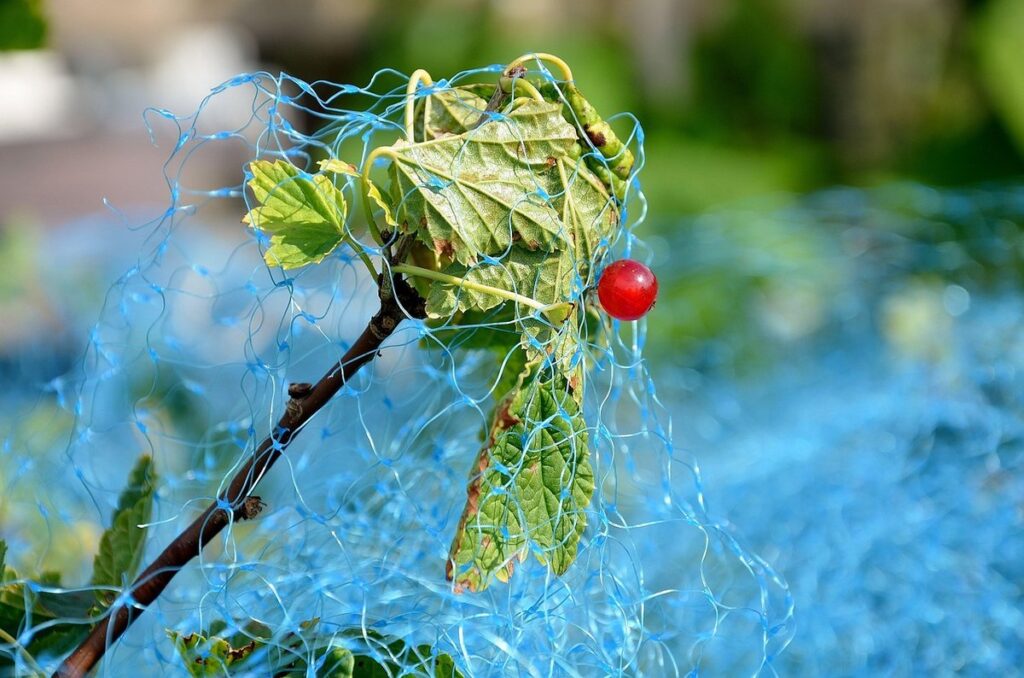
Understanding Bird Damage to Fruit Bushes
Birds can be a major nuisance when it comes to your fruit bushes, damaging them through pecking and eating. In this section, we’ll explore the types of damage birds cause.
The Problem of Avian Pests in Home Gardens
Birds can be a significant problem for home gardeners who grow fruit bushes. Not only do they pose a threat to the quality and yield of the fruits, but they also cause damage to the plants themselves. The types of damage caused by birds to fruit bushes are varied and can be severe.
One of the most common forms of damage is the removal of fruits from the plant. Birds such as starlings, blackbirds, and sparrows feed on soft fruits like strawberries, blueberries, and cherries. They can consume a significant portion of the harvest in a single day, resulting in substantial losses for gardeners. In addition to fruit loss, birds also cause damage to leaves, branches, and stems.
The economic impact of bird damage should not be underestimated. A study conducted by the University of California found that the annual cost of bird damage to crops in the United States is estimated at over $700 million. Home gardeners can expect to lose a significant portion of their harvest if they do not take measures to protect their fruit bushes from birds.
To minimize losses, it’s essential to implement effective solutions and prevention methods. Netting your fruit bushes is an excellent place to start.
Common Types of Birds That Attack Fruit Bushes
When it comes to protecting your fruit bushes from bird damage, understanding which species are most likely to target them is crucial. Among the common types of birds that attack fruit bushes, some of the most notorious culprits include robins, blue jays, and cedar waxwings. These birds often travel in flocks and are attracted to the sweet, juicy fruits of your bushes.
Robins, for example, are particularly fond of berries, cherries, and apricots, while blue jays prefer softer fruits like apples and grapes. Cedar waxwings, on the other hand, love to feed on a variety of berries, including raspberries and blackberries. It’s worth noting that these birds often target fruit bushes during specific times of the year when their preferred foods are ripe.
To deter these birds from your fruit bushes, consider installing netting around the area or using bird-repellent balloons. You can also try covering individual branches with lightweight row covers to prevent access to the fruits. By understanding which species are most likely to target your fruit bushes and taking proactive steps to protect them, you can enjoy a bountiful harvest without sacrificing your crops to these feathered pests.
Choosing the Right Netting Material for Your Fruit Bushes
When it comes to protecting your fruit bushes from pesky birds, selecting the right netting material is crucial to ensure effective prevention and minimal damage. This section will explore the top options for netting materials to consider.
Benefits and Limitations of Different Netting Materials
When it comes to protecting your fruit bushes from birds, choosing the right netting material is crucial. There are several options available, each with its own set of benefits and limitations.
Polypropylene netting is a popular choice due to its durability and affordability. It’s often used for larger areas and can withstand harsh weather conditions. However, it may not be as effective in preventing bird damage during intense sun exposure, as it can lose its shape and become brittle over time. On the other hand, nylon netting offers better UV resistance but is more prone to sagging under heavy loads.
Polyethylene netting strikes a balance between durability and affordability, making it an attractive option for many gardeners. However, it may not be as effective in preventing smaller birds from accessing your fruit bushes. When selecting a netting material, consider the specific needs of your garden and weigh the pros and cons before making a decision.
It’s also worth noting that some netting materials are treated with UV inhibitors to extend their lifespan. Be sure to check the product label or manufacturer’s specifications before making a purchase.
Factors to Consider When Selecting a Netting Material
When selecting a netting material for your fruit bushes, there are several key factors to consider. The mesh size is crucial in determining the effectiveness of the netting. A smaller mesh size will allow birds to easily pass through, while a larger mesh size may prevent them from accessing the fruit but can also reduce sunlight and airflow around the plants.
Weight capacity is another important consideration, especially if you have large or heavy branches that may sag under the weight of the netting. Make sure to choose a material with sufficient tensile strength to support the weight without compromising its integrity.
Ease of installation is also a vital factor, as you’ll want to ensure that the netting can be quickly and easily put up and taken down each season. Consider materials with built-in attachment systems or those that are designed specifically for easy installation.
It’s essential to balance these factors based on your specific needs and preferences. For example, if you have a small garden with minimal space constraints, a larger mesh size may not be as critical. However, if you have a larger garden with numerous fruit bushes, a smaller mesh size may be more effective in protecting the fruit.
Installing Bird-Proof Netting Around Your Fruit Bushes
To ensure your fruit bushes are completely bird-proof, follow these crucial steps for installing netting around them to prevent pesky birds from causing damage. This will keep your harvest safe and secure.
Step-by-Step Guide to Installing Netting
To successfully install netting around your fruit bushes, you’ll need to follow these steps. First, prepare your area by clearing any debris or obstacles that could interfere with the installation process. Measure the diameter of each bush, adding a few inches to account for tension and sagging. Cut the netting material to size using scissors or a utility knife.
Next, determine how you want to attach the netting. You can use wire, twine, or even zip ties, depending on the type of netting you’re using. For smaller bushes, attaching the netting directly to the branches is usually sufficient. Larger bushes may require additional support, such as stakes driven into the ground and attached to the netting.
When securing the netting, make sure it’s tight enough to prevent birds from getting underneath but not so tight that it damages the plants. Regularly check the netting for signs of wear or damage, re-tightening or replacing it as needed.
Tips for Ensuring a Secure and Effective Installation
When installing bird-proof netting around your fruit bushes, it’s essential to avoid common mistakes that can compromise the security of your plants. One of the most significant errors is not securing the netting properly to the ground or structures surrounding the bushes. This allows birds to easily lift and remove the netting, granting them access to your prized fruits.
To prevent this, make sure to use sturdy stakes or weights to anchor the netting in place. For example, you can drive stakes into the ground around the perimeter of the netting or attach weights to the corners for added stability. Additionally, ensure that the netting is tightly stretched and evenly spaced to minimize any gaps that birds might exploit.
By taking these precautions, you’ll significantly enhance the security of your fruit bushes and protect them from bird damage.
Additional Methods for Preventing Bird Damage
If traditional netting methods aren’t enough, there are alternative approaches you can try to protect your fruit bushes from pesky birds and other wildlife. Let’s explore a few of these creative solutions next.
Using Visual Deterrents to Scare Birds Away
While netting is an effective way to protect your fruit bushes from birds, it’s not always necessary to go for a full enclosure. You can also use visual deterrents to scare them away. These are often used in conjunction with netting, but they can be just as effective on their own.
Reflective tape is one such option. Birds don’t like the glare and reflection caused by these tapes, so placing them around your fruit bushes should keep them at bay. You can use different colors or patterns to create a visually unpleasant environment for birds. For example, you can place reflective tape strips along the edges of your bushes, or tie them to stakes surrounding the plants.
Balloons are another option. Large, brightly colored balloons can be placed around your fruit bushes to scare away birds. The movement and color should deter them from landing on the plants. You can also use motion-activated sprinklers or other noise-making devices in conjunction with balloons for added effect. Scarecrows, made of straw or other materials, are another classic option. Place one near your fruit bushes, and it’ll likely keep birds away.
Repellents and Other Non-Toxic Solutions
If you’re looking for an alternative to netting your fruit bushes, there are several non-toxic repellents and solutions that can help deter birds without harming them. One option is bird-repellent granules, which contain unpleasant-tasting substances that birds won’t want to eat. These granules can be sprinkled around the base of the bushes or directly on the leaves. However, their effectiveness may vary depending on the type of bird and the severity of the infestation.
Another solution is using sprays containing capsaicin, a natural compound found in chili peppers that deters birds without harming them. These sprays can be applied directly to the fruit and surrounding areas, but make sure to follow the manufacturer’s instructions to avoid any potential harm to other wildlife or humans. Another option is using visual deterrents like shiny reflective tape or balloons, which can create a startling effect on birds when they fly close to them.
When choosing a repellent, consider factors like its active ingredients, effectiveness, and safety for both humans and animals. Some products may also have a lingering scent that could attract other pests or be unpleasant for nearby gardeners.
Long-Term Maintenance and Upkeep of Netting Systems
To ensure your netting system remains effective for seasons to come, it’s essential to plan for regular maintenance and upkeep tasks. Regular checks will help prevent damage and extend its lifespan.
Inspecting and Repairing Netting Regularly
Inspecting and repairing netting regularly is crucial to maintaining its effectiveness in protecting your fruit bushes from birds. Over time, netting systems can be damaged by weather conditions, wear and tear, or even animal activity. Regular inspections help identify potential issues before they become major problems.
When inspecting your netting system, look for signs of damage such as torn or frayed mesh, loose fittings, or sagging sections. Check the netting’s tension to ensure it’s still secure and evenly spaced. Make a note of any repairs needed, no matter how minor they may seem.
Repair damaged areas promptly to prevent birds from exploiting weak points in your protection system. Replace worn-out netting mesh with new material that matches the original specification. For more extensive damage or if you’re not confident in making repairs yourself, consider consulting a professional for assistance. Remember, regular maintenance is key to keeping those pesky birds at bay and ensuring a bountiful harvest of juicy fruits from your bushes.
Strategies for Extending the Life of Your Netting System
Prolonging the life of your netting system is crucial to ensure it remains effective in protecting your fruit bushes from birds throughout its entire lifespan. To achieve this, proper storage during off-seasons and routine maintenance tasks are essential.
When not in use, store your netting system in a dry, well-ventilated area away from direct sunlight. This will prevent damage from UV rays and moisture buildup. Consider folding or rolling the net to minimize creases and tangles that can weaken its structure over time. If you’re storing it for extended periods, consider cleaning the net thoroughly before storage to prevent pest infestations.
Regular maintenance tasks include inspecting the net for tears, holes, or loose threads. Make repairs promptly to maintain its integrity. Clean the net regularly with mild soap and water to remove dirt, debris, and bird droppings that can compromise its effectiveness. Additionally, replace worn-out clips or hooks that secure the net to your fruit bushes. By following these simple steps, you’ll be able to extend the lifespan of your netting system and keep your fruit bushes safe from birds for years to come.
Case Studies and Real-Life Examples of Successful Bird-Proofing Methods
Let’s take a look at how other gardeners have successfully protected their fruit bushes from birds using various bird-proofing methods and creative solutions. We’ll explore some real-life examples that you can apply to your own garden.
Success Stories from Home Gardeners and Commercial Fruit Growers
When it comes to protecting fruit bushes from birds, there’s no better way to learn than from those who have successfully implemented bird-proofing methods. Let’s take a look at some success stories from home gardeners and commercial fruit growers.
Home gardener, Sarah Johnson, shared her experience with netting her apple trees. She invested in a durable bird net that covered the entire tree, ensuring birds couldn’t access the fruit. Her hard work paid off as she harvested a bountiful crop without any losses to feathered pests. Sarah’s key takeaway was the importance of regular maintenance: “Make sure to inspect your nets regularly and repair any tears or holes.”
Meanwhile, commercial fruit grower, Mark Thompson, implemented a more extensive bird-proofing system on his 5-acre orchard. He used a combination of netting, scarecrows, and bird-repellent balloons to deter birds from his fruit trees. His results were impressive: a 90% reduction in bird damage over the course of one season. Mark emphasized the value of diversifying your methods: “Don’t put all your eggs in one basket – use multiple strategies to keep those pesky birds at bay.”
Lessons Learned from Failed Attempts at Bird Control
When attempting to control birds in gardens or orchards, many of us have fallen into common traps. These mistakes can be costly and time-consuming, ultimately leading to frustration and a decreased harvest. One such error is underestimating the persistence of birds when it comes to accessing food sources.
Birds are highly intelligent creatures that adapt quickly to changes in their environment. If you’re using a single type of deterrent or barrier, they will likely find a way around it within days. For instance, if you’ve set up a row of stakes with plastic strips attached to deter birds from landing on your fruit bushes, they’ll soon discover the vulnerable spots between the stakes.
Another mistake is relying solely on repellents, such as ultrasonic devices or visual scarecrows. While these may work for short periods, birds can become accustomed to their presence and simply learn to ignore them. In fact, some species of birds are even attracted to the strange noise or movement, making matters worse.
To avoid these pitfalls, it’s essential to adopt a multi-faceted approach when protecting your fruit bushes from birds. This includes combining physical barriers like netting with clever use of visual deterrents and repellents that target specific bird behaviors. By learning from others’ mistakes and incorporating multiple layers of protection, you’ll be better equipped to safeguard your harvest against these feathered pests.
Frequently Asked Questions
Can I use netting around my fruit bushes year-round, or is it seasonal?
Yes, you can install netting around your fruit bushes year-round to provide protection from bird damage. However, keep in mind that different bird species may be more active during certain seasons, so regular inspections and adjustments may be necessary.
How often should I inspect and repair my netting system for optimal performance?
Inspect and repair your netting system every 6-12 months, or as needed. Check for signs of wear, tear, and damage from weather conditions or animal activity. Regular maintenance will help ensure the effectiveness of your bird-proofing measures.
What if I have a large garden with multiple fruit bushes – how can I efficiently install netting around all of them?
To efficiently install netting around multiple fruit bushes, consider dividing your garden into sections based on bush size and location. Use a template or map to plan your netting layout and optimize installation time. You may also want to enlist help from friends or family members.
Can I use bird-repellent plants alongside my netting system for added protection?
Yes, you can combine bird-repellent plants with netting systems for enhanced protection against birds. Certain plants, such as hot peppers or chili plants, are known to deter birds through their strong scents and tastes. Plant these species around the perimeter of your garden or near targeted areas.
What if I accidentally damage my netting while handling it – how can I repair it effectively?
If you damage your netting during installation or handling, repair it promptly by sewing torn areas with durable thread or replacing damaged sections altogether. When repairing, make sure to match the original material and weave pattern to maintain the netting’s integrity and effectiveness.