
As a gardener, there’s nothing more frustrating than watching your precious seedlings succumb to harsh weather conditions. Frost can be especially damaging to young plants, causing irreparable damage and setting back your growing season. But fear not! With some simple preparation and know-how, you can safeguard your seedlings from frost damage and ensure a bountiful harvest. In this article, we’ll explore effective methods for protecting your young plants from frost, including soil preparation, physical barriers, and emergency measures to take when the unexpected happens. By learning these techniques, you’ll be equipped to tackle even the harshest of weather conditions and bring in a successful crop – despite Mother Nature’s best efforts to thwart you!
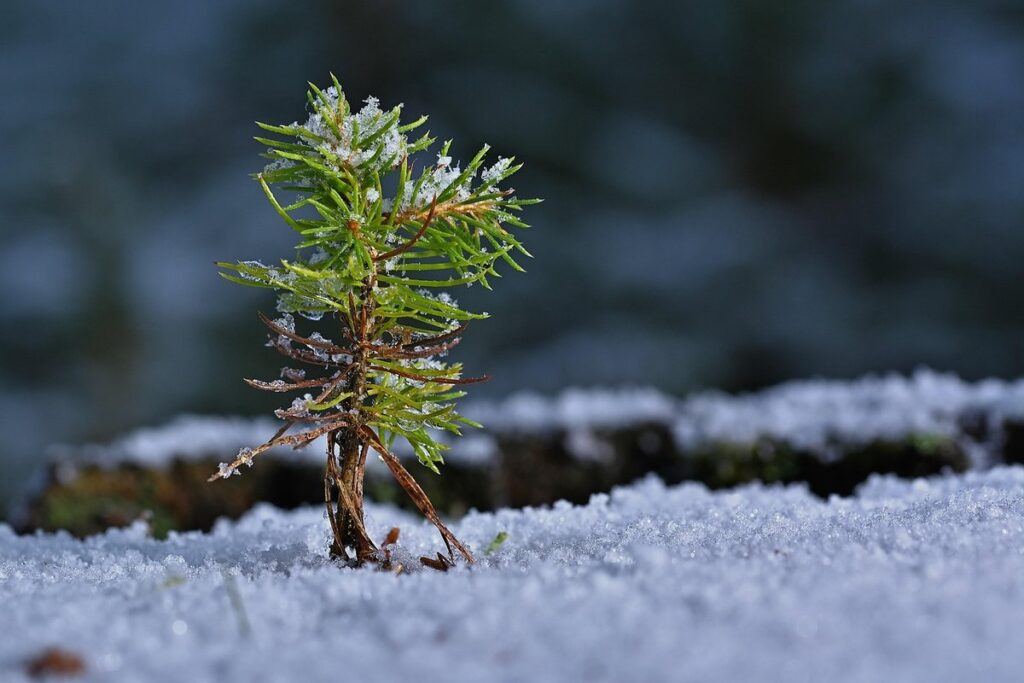
Understanding Frost Damage and Seedling Vulnerability
Understanding frost damage and seedling vulnerability is crucial for new gardeners, as it can help you prevent devastating losses and ensure your tiny plants survive their first winter. This section will break down what you need to know.
The Risks of Frost to Young Plants
Seedlings are at their most vulnerable to frost damage due to several factors. One of the primary reasons is their small root systems, which struggle to absorb water and nutrients efficiently. This limited root structure makes them more susceptible to cold stress, as they don’t have a robust network to support themselves.
Additionally, seedlings are in delicate growth stages, which further increases their vulnerability. During this period, they’re rapidly developing leaves, stems, and roots, but their tissues are still tender and easily damaged by frost. If exposed to prolonged periods of cold temperatures, even slightly above freezing, seedlings can suffer significant damage or even die.
To protect your young plants from frost damage, ensure you provide them with adequate moisture before a cold snap. Mulch around the soil surface to help retain warmth and prevent water loss through evaporation. Also, consider using row covers or other physical barriers to shield your seedlings from harsh winds and extreme temperatures.
Factors Contributing to Frost Tolerance in Seedlings
When it comes to protecting seedlings from frost, understanding the factors that contribute to their tolerance is crucial. Soil quality plays a significant role, as seedlings growing in well-draining, fertile soil tend to be more resistant to frost damage. This is because these conditions allow for healthy root development, which helps anchor the seedling and withstand wind-induced stress.
Moisture levels also impact a seedling’s ability to tolerate frost. While it may seem counterintuitive, seedlings that are too wet can become waterlogged and more susceptible to frost damage. Conversely, those with adequate but not excessive moisture tend to perform better in cold temperatures. Temperature fluctuations can also affect a seedling’s tolerance, as sudden drops or rises can shock the plant.
To promote frost tolerance in your seedlings, focus on creating an optimal growing environment by selecting a well-draining potting mix and maintaining moderate soil moisture levels. Avoid sudden changes in temperature by providing protection from harsh winds and extreme cold snaps. Regular watering and fertilization will also help support healthy growth and increase your seedling’s chances of surviving frost events.
Preparing Soil for Frost Protection
To ensure your seedlings stay safe from frost, it’s crucial to prepare the soil properly before winter sets in and cold temperatures arrive. This involves mulching, tilling, and other techniques that will keep them warm and protected.
Improving Soil Structure for Better Drainage
Well-draining soil is essential for seedlings to thrive, especially when it comes to protecting them from frost. Waterlogged conditions can exacerbate frost damage, leading to root rot and other issues that can be detrimental to young plants. To improve soil structure for better drainage, start by loosening compacted soil with a fork or tiller. This will help break up clumps and allow water to penetrate more easily.
Add organic matter like compost or well-rotted manure to increase the soil’s ability to absorb and retain water. Aim to mix in 2-3 inches of these materials into the top 6-8 inches of soil. This will also improve soil structure, aeration, and fertility. If you’re dealing with heavy clay soils, consider incorporating perlite or vermiculite to increase drainage.
As a general rule, avoid planting seedlings on cold and wet days. Instead, delay planting until the soil has dried out slightly. By taking these simple steps, you can create a more hospitable environment for your seedlings, reducing the risk of frost damage and ensuring they get off to a healthy start.
Adding Organic Matter for Enhanced Cold Tolerance
When it comes to protecting seedlings from frost, incorporating organic matter like compost or mulch into the soil can make a significant difference. This is because organic matter helps improve the overall health and resilience of the soil, which in turn benefits the seedlings growing within it.
Compost, for instance, acts as a natural buffer against extreme temperatures by maintaining a stable moisture level and regulating soil temperature fluctuations. Mulch, on the other hand, provides insulation, shielding the soil from frost damage. When you mix compost into the top 6-8 inches of soil, it reduces soil temperature variations, allowing seedlings to better withstand frost.
To use organic matter effectively for cold tolerance, start by testing your soil to determine its pH level and nutrient content. Based on these results, choose an organic matter that complements your soil’s needs. For example, if your soil is acidic, add compost or well-rotted manure. Apply a 2-inch layer of mulch around the seedlings, keeping it a few inches away from plant stems to prevent moisture buildup and potential disease issues. By incorporating these simple steps into your frost protection plan, you’ll be better equipped to safeguard your delicate seedlings against freezing temperatures.
Using Physical Barriers for Frost Protection
When frost threatens, physical barriers can be a simple yet effective way to shield your delicate seedlings from damage. Here’s how to use them safely and successfully.
Creating Row Covers and Other Barriers
When it comes to protecting seedlings from frost, physical barriers are an effective and non-invasive solution. One of the most versatile options is row covers, lightweight fabrics that allow for air circulation while blocking cold winds and preventing frost damage. You can drape them over individual plants or entire beds, ensuring a snug fit without suffocating the seedlings.
Another option is cold frames, wooden or metal structures designed to trap warmth from the sun during the day, releasing it at night to protect tender shoots. These can be built or purchased and placed directly above the seedlings. For even more protection, consider cloches – small bell-shaped covers that fit over individual plants, providing a microclimate that shields delicate growth from frost.
When using these barriers, remember to secure them properly to prevent damage from strong winds. Regularly check the condition of your row covers and other barriers to ensure they remain effective against frost.
Setting Up Windbreaks and Snow Fences
When it comes to protecting seedlings from frost, windbreaks and snow fences are crucial components of a comprehensive plan. Harsh winds can cause stress to young plants, while heavy snowfall can weigh them down and even break branches. To shield your seedlings from these dangers, consider setting up windbreaks and snow fences around your garden.
Windbreaks, such as rows of trees or shrubs, can be used to block cold winds that might damage your seedlings. For example, you could plant a row of evergreen trees like spruce or fir along the north side of your garden bed. These trees will not only provide a wind barrier but also create a microclimate that traps warmer air close to the ground.
Snow fences, on the other hand, can be used to catch falling snow and prevent it from accumulating on seedlings. You can set up temporary snow fences around individual plants or create a more permanent structure using materials like wood or metal. Make sure to position these fences strategically to direct snow away from your seedlings rather than towards them.
Managing Water and Moisture During Frost Events
When frost is predicted, it’s essential to manage water and moisture levels around your seedlings carefully to prevent damage from ice formation and root rot. This requires some planning ahead of time.
Reducing Transpiration Through Mulching
When applying mulch around seedlings, it’s not just about protecting them from frost damage; it also plays a crucial role in conserving water. Mulching is an effective technique to reduce transpiration, which occurs when plants release moisture into the air through their leaves.
During frost events, evapotranspiration rates can be particularly high due to low temperatures and humidity levels. This increased water loss can weaken seedlings, making them more vulnerable to cold damage. By applying a 2-3 inch layer of organic mulch such as straw, bark chips, or pine needles around your seedlings, you can significantly reduce transpiration.
Mulch helps insulate the soil from extreme temperature fluctuations, keeping it cooler during heatwaves and warmer during frosty nights. This stable soil temperature maintains optimal moisture levels for healthy root growth. As a result, seedlings require less water, minimizing losses due to evaporation and runoff. To reap these benefits, apply a fresh layer of mulch as soon as possible after planting, ensuring at least 2-3 inches around each stem. Regularly replenishing the mulch will help maintain its effectiveness throughout the growing season.
Avoiding Overwatering Before Frosty Nights
As you prepare for impending frost, it’s essential to strike the right balance with watering your seedlings. Overwatering can be just as detrimental as underwatering when it comes to protecting your young plants from cold damage.
In the days leading up to a forecasted frost, avoid getting too aggressive with the water. Seedlings don’t require extra moisture in anticipation of cooler temperatures. In fact, excess water can make them more susceptible to damage by:
• Reducing soil oxygen levels, which can lead to root rot
• Increasing the likelihood of fungal diseases taking hold
• Weakening the seedling’s natural resistance to cold stress
Instead, focus on maintaining a consistent moisture level in the soil. Water your seedlings as needed, but avoid getting waterlogged soil. Check the soil moisture by inserting your finger into the soil up to the first knuckle; if it feels dry, it’s time to water.
Aim for about 1-2 inches of water per week, either from rain or irrigation. This will help your seedlings develop strong roots and a robust defense against frost damage.
Monitoring Weather and Seedling Condition
Now that you know how to predict frost, let’s talk about monitoring your seedlings’ condition, which will help prevent damage from any unexpected cold snaps. Regularly check for signs of stress and take action quickly if needed.
Staying Informed About Local Frost Forecasts
Staying informed about local weather forecasts and frost advisories is crucial for effective protection planning. You can’t protect what you don’t know is coming, after all! Start by checking the National Weather Service (NWS) website or mobile app, which provides detailed forecasts and alerts for your area.
Sign up for email or text alerts from your local NWS office to receive timely updates on frost advisories, freeze warnings, and other critical weather information. This will ensure you’re always in the loop when it comes to potential frosts.
Don’t rely solely on generic weather apps or social media posts; these may not provide accurate or up-to-date information specific to your location. Instead, use trusted sources like:
• Your local NWS office
• The Farmer’s Almanac website
• Online gardening forums and communities
By staying informed and proactive, you can take necessary steps to protect your seedlings from frost damage, such as covering them with row covers or bringing potted plants indoors. Remember, knowledge is power when it comes to protecting your young seedlings from harsh weather conditions!
Identifying Early Signs of Frost Damage
As you monitor the weather and seedling condition closely, it’s essential to recognize early signs of frost damage to prevent further harm. One of the first indicators is yellowing leaves, which can be a sign that the plant has suffered from prolonged exposure to cold temperatures. Be on the lookout for droopy stems, as they may also indicate root damage or shock caused by frost.
If you notice any of these symptoms, take action promptly to prevent further damage. Inspect your seedlings regularly, checking for signs of frost damage daily if possible. Look for brown or blackened leaves, which are more severe indicators of frost damage. Keep in mind that some seedlings may be more resilient than others, but it’s better to err on the side of caution and take corrective action.
If you catch the problem early, you can trim damaged leaves or stems to prevent the spread of disease and encourage healthy growth. In severe cases, you may need to start over with new seeds or seedlings. By staying vigilant and recognizing these early signs, you’ll be better equipped to protect your seedlings from frost damage and ensure a healthy harvest season.
Emergency Measures for Frost Protection
If a sudden frost warning is issued, these emergency measures can help prevent damage and keep your seedlings safe until warmer weather returns. We’ll guide you through each step to protect your precious plants.
How to Use Water as a Frost-Protective Measure
Using water as a frost-protective measure is a simple yet effective technique to safeguard seedlings from cold damage. This method involves covering the plants with a layer of moist fabric or plastic sheeting, which acts as a temporary shield against frost.
To implement this practice, start by preparing the necessary materials: a large tarp or sheet of plastic, some water, and a few weights or rocks. Dampen the fabric or plastic sheeting thoroughly, making sure it’s not dripping wet. Then, gently place the sheet over the seedlings, securing it with weights or rocks to prevent it from blowing away in the wind.
As the frost forms, the moist layer will absorb the cold air’s heat, reducing the temperature near the plant’s surface. This technique can provide protection for up to several hours, depending on the severity of the frost event. It’s essential to remove the sheeting as soon as possible after the frost has passed to prevent moisture buildup and potential disease issues.
Remember, this method is temporary and not a substitute for long-term frost protection measures, such as row covers or other physical barriers. However, when used in conjunction with other techniques, water-based shielding can be an invaluable tool in your seedling’s frost-fighting arsenal.
Alternative Methods When Physical Barriers Are Not Available
When physical barriers are not readily available to protect your seedlings from frost, don’t worry – there are still alternative methods you can use. One of the simplest and most effective ways is by using household items like blankets, sheets, or even old tarps. These materials can be draped over plants to provide an insulating layer between them and the cold air.
To do this effectively, start by gathering a sufficient number of lightweight fabrics that will allow for good airflow around the seedlings. Drape each fabric gently over the plant, making sure not to suffocate or constrict the growth. Secure the fabric with some weights or rocks to prevent it from blowing away in the wind.
You can also use old cardboard boxes as an alternative barrier. Cut holes for the plants to breathe and then cover them completely, weighing down the edges with heavy objects. This will not only provide insulation but also block harsh winds that can exacerbate frost damage.
Frequently Asked Questions
What are some signs that my seedlings have suffered frost damage?
Frost-damaged seedlings may exhibit visible symptoms such as yellowing leaves, wilted stems, or even the sudden appearance of new growth after an initial freeze. If you suspect your plants have been affected, inspect them carefully and consider pruning damaged areas to prevent further spread of disease.
Can I use regular water from my hose to protect my seedlings from frost?
No, using regular tap water can be counterproductive during frost events. Instead, opt for snow or ice meltwater as a more effective method. If that’s not available, use a water-soaked burlap or towel draped over the plants to provide extra protection.
How do I maintain my row covers and other barriers throughout the growing season?
Regularly inspect your physical barriers for damage, wear, or signs of degradation due to sunlight exposure. Replace them as needed to ensure optimal protection against frost and cold temperatures.
What are some alternative methods when using physical barriers is not feasible?
In situations where physical barriers are unavailable or impractical, focus on improving soil structure through organic matter additions or mulching. This will help enhance your seedlings’ natural resilience to cold stress.
Can I use a combination of physical barriers and water as frost-protective measures simultaneously?
Yes, integrating multiple methods can be an effective strategy for safeguarding your seedlings from extreme weather conditions. Use physical barriers during prolonged periods of frost or when winds are strong, while utilizing water-soaked materials for shorter exposure events or sudden cold snaps.