
Cauliflower curd is a staple in many Indian households, but have you ever found yourself wondering how to keep it fresh for longer? Whether you’re a home cook or a professional chef, preserving cauliflower curd quality is crucial to ensure that your dishes turn out delicious every time. However, if not handled and stored properly, this delicate condiment can quickly spoil and lose its flavor. In this article, we’ll share expert tips on how to prevent degradation and spoilage of cauliflower curd. We’ll cover the ideal storage conditions, handling techniques, packaging options, and troubleshooting common issues that might arise. By the end of this post, you’ll be equipped with the knowledge to keep your cauliflower curd fresh and ready for use in your favorite recipes.
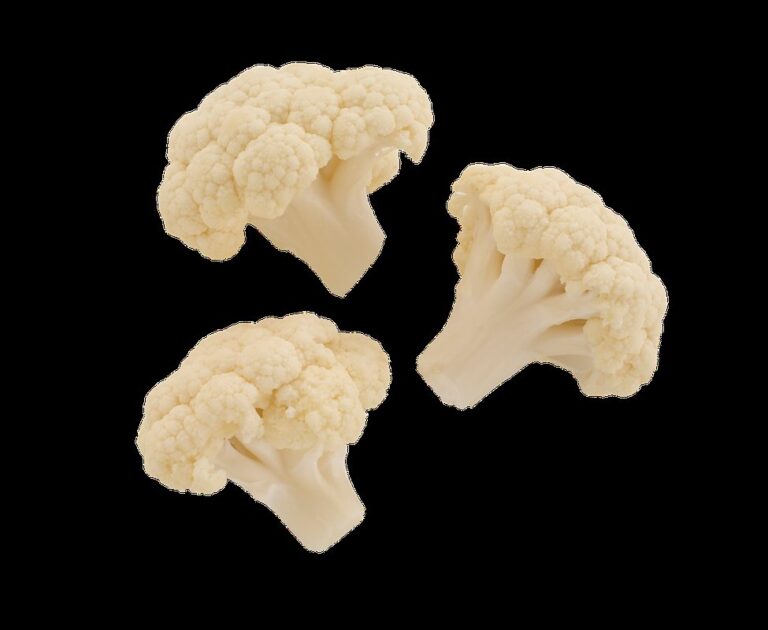
Understanding Cauliflower Curd’s Sensitivity
Cauliflower curd is notoriously sensitive, prone to spoilage and degradation if not handled carefully. Here, we’ll explore its vulnerabilities and what you can do to minimize risk.
The Challenges of Handling Cauliflower Curd
Cauliflower curd’s sensitivity to spoilage is largely due to its high water content. With an average moisture level of around 95%, it’s a breeding ground for bacterial growth and contamination. This makes handling and storage crucial to preventing degradation.
The sensitive nature of cauliflower curd means that even slight temperature fluctuations or changes in humidity can cause it to spoil quickly. Imagine, for instance, leaving a container of cauliflower curd at room temperature for an extended period – the risk of fermentation is high, leading to off-flavors and textures.
To mitigate these risks, consider storing cauliflower curd in an airtight container within the refrigerator’s coldest compartment. Regularly monitoring temperature and ensuring proper ventilation can also help maintain quality. When transporting or handling cauliflower curd, avoid physical stress and sudden movements that could cause damage or contamination. By being mindful of these factors, you’ll be better equipped to preserve the delicate balance of your cauliflower curd.
Identifying the Causes of Spoilage
Identifying the causes of spoilage is crucial to preventing it. Temperature fluctuations are one common cause of cauliflower curd damage. If the temperature exceeds 40°F (4°C) or drops below 32°F (0°C), the natural bacteria on the surface can multiply rapidly, leading to off-flavors and textures.
Handling errors also contribute significantly to spoilage. Improper washing techniques, inadequate drying, or excessive manipulation can all cause damage to the delicate curd structure. For instance, using high-pressure washes or scrubbers can create micro-scratches that allow bacteria to penetrate deeper into the cauliflower.
Contamination risks are another critical factor to consider. Cross-contamination from raw ingredients, utensils, or equipment can introduce unwanted pathogens, such as E. coli or Listeria, which can quickly multiply in the warm, moist environment of a curd.
To mitigate these causes, it’s essential to maintain a clean and sanitized workspace. Regularly sanitize all equipment and frequently wash your hands before handling cauliflower. Additionally, store curds at consistent refrigerator temperatures (below 38°F) and avoid overcrowding containers to prevent moisture buildup.
Optimizing Storage Conditions
To keep your cauliflower curd fresh for a longer period, it’s essential to maintain optimal storage conditions. Here we’ll explore how proper storage can help preserve its quality.
Temperature Control for Cauliflower Curd
Maintaining the perfect temperature is crucial when it comes to preserving cauliflower curd’s quality. Refrigeration is the most common method for storing cauliflower curd, and it should be kept at a consistent temperature of 40°F (4°C) or below. This will slow down bacterial growth and enzymatic activity that can cause spoilage.
When refrigerating cauliflower curd, make sure to store it in an airtight container, such as a glass jar with a tight-fitting lid, to prevent moisture and other contaminants from entering the container. It’s also essential to keep the container away from strong-smelling foods, as cauliflower curd can absorb odors easily.
For longer-term storage or when you want to reduce freezer burn, freezing is an excellent option. Cauliflower curd should be frozen at 0°F (-18°C) or below. Before freezing, make sure it’s well-wrapped in plastic wrap or aluminum foil and then placed inside a freezer-safe bag or container. When you’re ready to thaw, simply transfer the frozen cauliflower curd to the refrigerator overnight.
When thawing, it’s essential to do so slowly in the refrigerator to prevent the growth of bacteria. Never thaw cauliflower curd at room temperature or in hot water, as this can lead to a higher risk of spoilage and foodborne illness.
Minimizing Water Loss and Dehydration
When storing cauliflower curd, it’s essential to minimize water loss and dehydration to maintain its quality. One of the primary reasons for water loss is exposure to air, which causes moisture to evaporate rapidly. To combat this issue, consider using airtight containers or jars specifically designed for storing dairy products.
A good rule of thumb is to transfer the cauliflower curd to an airtight container as soon as possible after preparation. This will help prevent contamination and minimize water loss due to exposure. Another option is to use moisture-absorbing products like silica gel packets or activated charcoal, which can be placed inside the container to absorb excess moisture.
When selecting containers, look for ones made from materials that are non-reactive with acidic ingredients, such as glass or stainless steel. Avoid using metal containers or storing the cauliflower curd in direct sunlight, as this can cause heat buildup and accelerate water loss. By implementing these strategies, you’ll be able to maintain a stable moisture level and preserve the quality of your cauliflower curd.
Handling Techniques for Maximum Preservation
To ensure your cauliflower curd stays fresh and intact, we’ll dive into specific handling techniques that maximize its quality and shelf life. Proper care makes all the difference in preservation.
Safe Handling Practices for Cauliflower Curd
When handling cauliflower curd, it’s essential to follow safe practices that prevent damage and preserve quality. Careful washing is crucial, as dirt, bacteria, and other contaminants can compromise the product’s integrity. Rinse the curd under cold running water, gently massaging the surface with your hands or a soft brush to remove any debris.
Next, dry the curd thoroughly using clean towels or paper towels to prevent moisture buildup. This step is particularly important if you’re planning to store the cauliflower curd in an airtight container. Excess moisture can lead to mold growth, so it’s vital to remove as much water as possible before storing.
When cutting the cauliflower curd, use a sharp knife to minimize damage and prevent crushing the delicate florets. Cut away any damaged or discolored areas to maintain the product’s appearance and prevent spoilage. Finally, handle the cauliflower curd gently to avoid bruising or breaking the tender florets, which can lead to loss of texture and flavor. By following these simple safe handling practices, you’ll be able to preserve the quality and freshness of your cauliflower curd for a longer period.
Reducing Oxidation and Browning
To minimize oxidation and browning in cauliflower curd, it’s essential to employ various strategies that can be easily incorporated into your handling techniques. One effective method is the use of antioxidants, which can help neutralize free radicals responsible for spoilage. Lemon juice or vinegar, containing natural acidic compounds, can also aid in preserving the quality by creating an environment that discourages browning reactions.
Antioxidants such as vitamin C and E tocopherol have shown significant benefits when used to prevent oxidation in various food products. For cauliflower curd, a mixture of 1% lemon juice or vinegar with water can be applied directly to the surface for optimal results. Alternatively, incorporating these compounds into your recipe at an early stage may also yield positive outcomes.
Moreover, maintaining the correct acidity level is crucial in preventing spoilage. Acidifying agents like citric acid can help adjust pH levels and create a more stable environment for the curd. This is particularly essential when storing cauliflower curd over an extended period, where oxidation and browning can accelerate rapidly if not controlled.
Packaging Options for Extended Shelf Life
When it comes to extending the shelf life of cauliflower curd, proper packaging is crucial. Here, we’ll explore various packaging options that can help preserve your product’s quality and freshness.
Airtight Containers for Cauliflower Curd
Storing cauliflower curd in airtight containers is an excellent way to maintain its quality and shelf life. By sealing it tightly, you can significantly reduce moisture loss, which is one of the primary causes of spoilage. Airtight containers also minimize the risk of contamination from airborne bacteria, mold, or other external factors.
When choosing airtight containers for cauliflower curd, consider ones made from glass or BPA-free plastic that are specifically designed for storing dairy products. These containers typically have tight-fitting lids and are easy to clean, which helps prevent cross-contamination. You can also use containers with built-in desiccants or silica gel packets to absorb excess moisture and maintain a dry environment.
To ensure the container remains airtight, make sure it’s securely sealed after each use. A simple test is to press down on the lid – if it doesn’t feel firm or snaps back into place easily, it may not be sealing properly. By using airtight containers correctly, you can enjoy your cauliflower curd for an extended period while maintaining its texture and flavor.
Using Modified Atmosphere Packaging (MAP)
Modified Atmosphere Packaging (MAP) is an effective method for preserving cauliflower curd quality by controlling the atmosphere surrounding the product. This technology involves replacing the air in the packaging with a customized gas mix that inhibits the growth of microorganisms, thereby extending shelf life.
The controlled conditions created by MAP help to slow down the metabolic processes that contribute to spoilage, such as respiration and moisture loss. For cauliflower curd, this means a reduced risk of mold, yeast, and bacterial growth, which can cause off-flavors and textures.
In practical terms, MAP involves filling the packaging with a specific gas mixture, typically consisting of nitrogen (60-70%), oxygen (10-20%), and carbon dioxide (5-15%). The exact composition may vary depending on the product and desired shelf life. By selecting an optimal gas blend, manufacturers can create an environment that is unfavorable to microbial growth while allowing the curd to breathe and retain its quality.
When implemented correctly, MAP can significantly extend the shelf life of cauliflower curd, typically by 2-4 weeks compared to traditional packaging methods. This makes it a valuable addition to your preservation toolkit.
Preventing Spoilage during Transportation
When transporting cauliflower curd, one of the biggest challenges is preventing spoilage and maintaining its quality. Let’s explore some effective strategies to minimize damage en route.
Temperature Monitoring During Transit
Temperature fluctuations during transportation can be detrimental to cauliflower curd quality. It’s essential to monitor temperature variations to prevent spoilage and ensure product safety. The ideal temperature range for transporting perishable items like cauliflower curd is between 32°F (0°C) and 40°F (4°C).
During transit, it’s crucial to maintain a consistent temperature to slow down the ripening process. Temperature fluctuations can cause enzymes in the vegetable to break down rapidly, leading to spoilage. For instance, if the temperature rises above 45°F (7°C), the cauliflower curd may begin to soften and lose its texture.
To monitor temperature fluctuations during transportation, consider investing in a temperature-controlled vehicle or container. These units are designed to maintain a consistent temperature throughout the journey. You can also use temperature data loggers to track temperature variations and identify potential issues before they become major problems. By keeping a close eye on temperature fluctuations, you can prevent spoilage and ensure your cauliflower curd arrives at its destination in optimal condition.
Proper Load Stacking and Securement
When transporting cauliflower curd, it’s essential to prioritize load stacking and securement to prevent damage and maintain product integrity. To achieve this, consider the following guidelines:
First, ensure that heavy items are loaded at the bottom of the trailer or container to provide a stable base for the lighter products above. Cauliflower curd, being a delicate item, should be positioned towards the top and away from direct sunlight.
Next, secure the load using straps, nets, or other tie-down systems that distribute weight evenly across the surface. This will prevent shifting or collapse during transit. For added protection, consider using dividers to separate individual products within the container.
When stacking cauliflower curd, place it in a way that prevents crushing and promotes airflow between items. A general rule of thumb is to maintain at least 2-3 inches of space between each product to allow for air circulation and reduce moisture buildup. By implementing these load stacking and securement techniques, you can minimize the risk of damage and spoilage during transportation, ensuring your cauliflower curd arrives in optimal condition.
Troubleshooting Common Issues with Cauliflower Curd
Don’t worry, we’ve all been there: a batch of cauliflower curd that’s separated or developed an off smell. Let’s tackle these common problems together.
Identifying Signs of Spoilage
When it comes to cauliflower curd protection, identifying signs of spoilage is crucial to prevent contamination and foodborne illness. So, what are the common indicators that your cauliflower curd has gone bad? Look for mold growth, which can manifest as white or greenish patches on the surface. If you notice any fuzzy or slimy texture, it’s a sure sign that bacteria have taken over.
Another telltale sign is an off-putting odor. Cauliflower curd should have a mild, slightly sweet aroma. If it smells sour, pungent, or unpleasantly sharp, it’s likely spoiled. Also, be mindful of any changes in color or consistency. If the curd has darkened or developed an unusual sheen, it may be contaminated.
If you’re unsure whether your cauliflower curd is still safe to consume, err on the side of caution and discard it. It’s always better to be safe than sorry when it comes to food safety. Regularly inspecting your cauliflower curd for signs of spoilage can help prevent contamination and ensure that your finished products are fresh and healthy.
Addressing Handling-Related Problems
To prevent bruising, handle cauliflower curds gently to minimize impact. Store them away from direct sunlight and extreme temperatures to slow down moisture absorption. When storing, consider using breathable containers like paper bags or mesh bags to maintain airflow.
If you notice the curd is too moist, consider drying it in a single layer on a clean surface, allowing air circulation around each piece. Alternatively, you can spread the curd thinly on parchment-lined baking sheets and place them in a low-temperature oven (150°F – 200°F) for several hours to dry out excess moisture.
When transporting cauliflower curds, secure them carefully using padding or wrapping them individually in paper towels to cushion against shocks. Always store them upright to prevent moisture from accumulating at the bottom of containers.
Keep track of storage conditions and monitor your curd’s texture regularly. Regularly check on the stored curd for signs of spoilage, such as mold growth or sliminess, and remove any spoiled pieces promptly to maintain overall quality.
Frequently Asked Questions
What is the ideal storage time for cauliflower curd after opening?
Consume opened cauliflower curd within a week to ensure optimal flavor and texture. If stored properly, you can extend its shelf life up to 2 weeks. Regularly check for signs of spoilage, such as mold, sliminess, or off smells.
Can I use frozen cauliflower curd instead of fresh to minimize water loss?
While freezing can help preserve cauliflower curd by reducing water content, it’s not a foolproof method. Frozen curd may still degrade when thawed and refrigerated. Opt for airtight containers with minimal headspace or explore modified atmosphere packaging (MAP) for better preservation.
How do I handle temperature fluctuations during transportation?
Monitor temperature conditions during transit using temperature logs or tracking devices. If possible, use insulated containers or thermal bags to maintain a consistent temperature between 32°F and 40°F (0°C and 4°C). Avoid placing cauliflower curd near direct sunlight, heating vents, or cold storage areas.
What are the benefits of using modified atmosphere packaging (MAP) for cauliflower curd?
Modified atmosphere packaging helps extend shelf life by replacing oxygen with gases like nitrogen or carbon dioxide. This slows down bacterial growth, reduces oxidation, and prevents spoilage. When combined with airtight containers, MAP can significantly enhance preservation, making it ideal for transportation or long-term storage.
How often should I check on cauliflower curd during storage?
Regularly inspect cauliflower curd for signs of degradation every 2-3 days. Monitor its appearance, texture, and smell. If you notice any unusual changes or mold growth, discard the affected portion to prevent further spoilage and maintain product quality.