
As a gardener, you’re likely no stranger to the threats that can damage your precious plants. Frost, pests, and diseases are just a few of the common enemies that can leave your garden looking wilted and weak. But what if there was a simple, effective way to shield your plants from these dangers? Enter frost cloth – a versatile tool that’s becoming increasingly popular among gardeners. Not only does it protect against frost damage, but it also helps to deter pests and diseases, giving you peace of mind and the freedom to tend to your garden with confidence. In this article, we’ll explore the benefits, types, and effective usage of frost cloth, so you can learn how to harness its power for a healthier, more resilient garden.
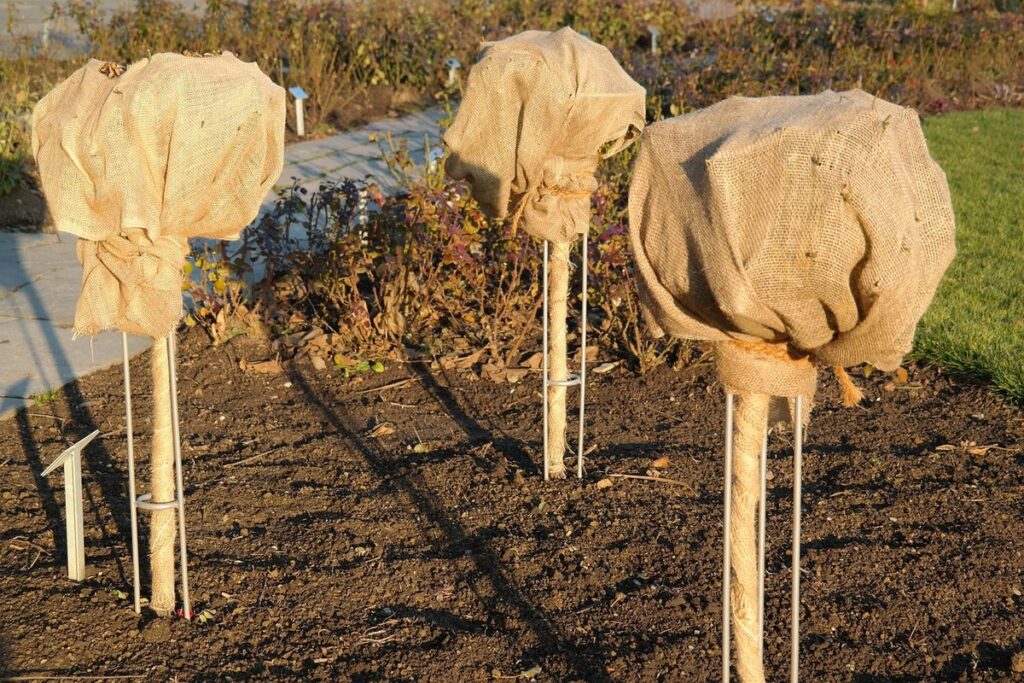
Benefits and Uses of Frost Cloth
Frost cloth is a versatile tool for gardeners, providing protection against frost damage while also being easy to use and remove. This section explores its many benefits and practical applications.
Reducing Damage from Frost and Freeze
One of the primary benefits of using frost cloth is its ability to reduce damage from frost and freeze. When temperatures drop below freezing, plants can suffer significant damage or even dieback. Frost cloth acts as a barrier between the plant and the cold air, keeping it insulated and protected from harsh weather conditions.
During extreme weather events like polar vortexes or prolonged periods of subzero temperatures, frost cloth can be a lifesaver for your garden. By covering sensitive plants with frost cloth, you can prevent damage to leaves, stems, and roots. Even if the temperature drops to -20°F (-29°C), frost cloth can still provide adequate protection.
To maximize its effectiveness, make sure to cover plants early in the evening or at night when temperatures are typically lowest. Secure the fabric with weights or stakes to prevent it from blowing away in windy conditions. Check on your plants regularly and remove the frost cloth as soon as possible during warmer periods to allow for air circulation and sunlight penetration.
By using frost cloth, you can enjoy a more resilient and healthy garden, even in the face of extreme weather conditions.
Preventing Pests and Diseases
When it comes to protecting your plants from frost damage, preventing pests and diseases is just as crucial. Frost cloth not only shields your plants from harsh temperatures but also creates a barrier between them and potential threats.
By covering your plants with frost cloth, you can prevent insects like aphids, whiteflies, and spider mites from reaching them. These tiny creatures thrive in cool weather conditions, making it easier for them to infest your plants when they’re vulnerable. By keeping them at bay, you can avoid the damage these pests cause to leaves, stems, and even fruit.
Frost cloth also protects your plants from fungal diseases like powdery mildew and root rot. Moisture and humidity are perfect breeding grounds for fungi, but frost cloth keeps your plants dry and cool, reducing the risk of infection. Simply drape the cloth over your plants at night or during periods of high humidity to keep them safe.
Regularly inspecting your plants under the cloth can also help you catch any issues early on. Look for signs of pests or diseases, such as yellowing leaves or webs on the stems, and take action promptly if you notice anything amiss.
Customizing Frost Cloth for Different Plants
When it comes to protecting your plants from frost damage, choosing the right type of frost cloth is crucial. The good news is that there are many varieties of frost cloth available, each with its own unique characteristics and benefits.
For fruit trees, for example, you’ll want to choose a heavier-duty frost cloth that can withstand harsh winds and prolonged exposure to cold temperatures. Look for a fabric with a weight rating of at least 4 oz or higher. This will provide adequate protection for your trees’ delicate branches and blossoms.
On the other hand, flowers require a lighter touch. A 2-3 oz frost cloth is usually sufficient for protecting tender blooms from frost damage. When covering annuals like petunias or impatiens, be sure to leave enough room for air circulation to prevent moisture buildup under the fabric.
Vegetables also need varying levels of protection depending on their stage of growth. For young seedlings, a 2-3 oz frost cloth will suffice, while more mature plants may require a heavier-duty fabric to shield them from harsh winds and extreme cold snaps.
Ultimately, the key is to observe your specific climate and plant needs to determine the best type of frost cloth for your garden.
How to Use Frost Cloth Effectively
Now that you know why and when to use frost cloth, let’s dive into how to effectively deploy it to protect your plants from harsh weather conditions.
Preparing Your Garden for Frost Protection
Before you can effectively use frost cloth to protect your garden from frost damage, it’s essential to prepare your garden for protection. Start by cleaning up debris and weeds that could get tangled in the frost cloth or block its effectiveness. Remove any dead plant material, fallen leaves, and twigs, as these can create a barrier between the frost cloth and the plants.
Next, secure any fragile plants that may be vulnerable to wind damage from the frost cloth. Use stakes or trellises to support plants like roses, hydrangeas, or delphiniums, which can be easily toppled by strong winds. Gently tie back branches of shrubs and trees to prevent them from being damaged by the frost cloth.
Also, ensure that the soil is clear of any debris and level out any areas where water may collect under the frost cloth. This will prevent moisture from accumulating and potentially causing more damage than good. By taking these steps, you’ll be able to effectively use your frost cloth and safeguard your plants from frost damage.
Applying Frost Cloth with Ease
When applying frost cloth to protect your plants from frost damage, it’s essential to do so correctly to ensure maximum effectiveness. Start by unfolding the frost cloth and laying it out flat near your garden bed. Take a few moments to smooth out any wrinkles or creases, as these can compromise the fabric’s ability to retain heat.
Next, drape the frost cloth over the plants you want to protect, making sure to cover all stems and leaves evenly. To secure the frost cloth in place, use ties or clips specifically designed for this purpose. These should be snug but not too tight, as you want to allow for some airflow between the fabric and the plant.
For smaller plants, consider using a single sheet of frost cloth tied around the stem with twine or wire. For larger plants or groups of plants, divide the frost cloth into sections and secure each one separately. This will help prevent damage from windblown fabric and ensure your plants receive the protection they need to thrive. By following these simple steps, you’ll be able to apply frost cloth effectively and safeguard your garden against even the most severe frosts.
Removing Frost Cloth When Not Needed
Removing frost cloth when not needed is crucial for the health of your plants. Prolonged use can cause damage from lack of sunlight and heat buildup under the fabric. When temperatures rise above freezing and your area has been under a frost warning, it’s essential to inspect your garden regularly.
Check the weather forecast daily to determine if further protection is necessary. If there are no more frosts predicted for an extended period, you can start removing frost cloth from your plants. Begin by gently lifting the edges of the fabric and working your way around each plant, being careful not to damage any stems or leaves.
As you remove the frost cloth, inspect your plants for any signs of damage caused by prolonged use. Make adjustments as needed, such as pruning damaged areas or providing extra support for weakened stems. By regularly monitoring your garden and removing frost cloth when it’s no longer needed, you can prevent unnecessary stress on your plants and promote healthy growth throughout the growing season.
Types of Frost Cloth Available
You’re looking for a reliable frost cloth option that suits your needs? This section covers the different types of frost cloths available, including their unique features and uses.
Cotton and Polyester Blends
When it comes to choosing the right frost cloth for your plants, you may have come across cotton and polyester blends as a viable option. These fabrics are popular due to their affordability and durability, but they also have some trade-offs that you should consider before making a decision.
On the one hand, cotton and polyester blends offer excellent breathability, which is essential for frost protection. They allow moisture to escape, preventing condensation from building up on your plants’ leaves and reducing the risk of fungal diseases. Additionally, these fabrics are often less expensive than other types of frost cloth, making them a budget-friendly option.
However, cotton and polyester blends also have some drawbacks. For instance, they can lose their shape and become misshapen when exposed to wind or water, which may compromise their effectiveness as a barrier against frost. Furthermore, these fabrics may not be as effective at retaining heat as other types of frost cloth, such as polypropylene or polyethylene.
Ultimately, the decision to use cotton and polyester blends for frost protection depends on your specific needs and preferences. If you’re looking for a cost-effective solution that still offers good breathability, these fabrics might be worth considering. Just keep in mind their potential limitations and take steps to ensure they are properly secured and maintained throughout the winter months.
Breathable vs. Non-Breathable Materials
When choosing a frost cloth for your plants, it’s essential to consider the type of material used. Frost cloths can be categorized into breathable and non-breathable materials, each with its own set of advantages and disadvantages.
Breathable materials, such as polypropylene or polyester blends, allow moisture and heat to escape while preventing cold air from entering. These materials are ideal for warmer climates where frost is rare but humidity levels can be high. However, they may not provide sufficient protection in extremely cold conditions. For example, if you live in an area with frequent sub-freezing temperatures, a breathable material might not be enough to safeguard your plants.
Non-breathable materials, on the other hand, are typically made from plastic or vinyl and offer superior insulation against extreme cold. They can help prevent damage from frost and wind, making them suitable for colder climates or areas prone to prolonged periods of frost. Nonetheless, non-breathable materials can trap moisture, potentially leading to mold and mildew issues.
When selecting a frost cloth, consider your local climate, the specific needs of your plants, and the pros and cons of each material type.
Eco-Friendly Frost Cloth Options
When it comes to protecting your garden from frost damage, you’ll want to consider eco-friendly options for your frost cloth. Fortunately, there are several biodegradable and recycled material alternatives available that can help minimize your environmental footprint.
One option is to use frost cloth made from natural fibers like jute or hemp. These materials are not only biodegradable but also require less water and pesticides during cultivation. For example, some companies offer jute frost cloths that are certified by organizations like Oeko-Tex, ensuring they meet strict environmental standards.
Another eco-friendly option is recycled plastic-based frost cloth. This material reduces waste and conserves natural resources by reusing existing materials. Some brands also use post-consumer plastics, such as old milk jugs or water bottles, to create their frost cloths.
When shopping for eco-friendly frost cloth, look for products that are made from at least 50% recycled materials. You can also consider DIY options like using old bed sheets or t-shirts to create a makeshift frost cover.
Tips for Long-Term Use of Frost Cloth
To get the most out of your frost cloth, it’s essential to know how to properly use and maintain it over time to protect your plants from harsh weather conditions.
Maintenance and Storage
Regular maintenance and storage of your frost cloth are crucial to extend its lifespan. Over time, frost cloth can accumulate dirt, debris, and mildew that can weaken the fabric’s protective properties. To prevent this, wash your frost cloth gently with soap and water after each use. Avoid using harsh chemicals or abrasive cleaners that can damage the material.
When storing your frost cloth, make sure to clean it thoroughly before folding or rolling it up tightly. This prevents mold and mildew from developing in crevices. Store it in a dry place away from direct sunlight to prevent degradation of the fabric’s UV-resistant properties.
To ensure you get the most out of your investment, inspect your frost cloth regularly for signs of wear and tear. Check for any tears, holes, or discoloration that can compromise its protective capabilities. Replace your frost cloth as needed to maintain optimal protection for your plants during cold weather conditions.
Budgeting for Replacement Costs
When it comes to using frost cloth for long-term plant protection, budgeting for replacement costs is an essential aspect to consider. One way to do this is by calculating the cost per season. To get started, determine how often you need to replace your frost cloth due to wear and tear, or if it becomes damaged during strong winds or heavy snowfall. A general rule of thumb is to expect to replace your frost cloth every 2-3 seasons.
To calculate the total cost, consider the following factors: the initial cost of purchasing the frost cloth, the frequency of replacement, and the number of plants you’re protecting. For example, if you have a small garden with 10 plants and need to replace your frost cloth every 2 years at a cost of $50 per roll, your total annual cost would be $25 per plant.
To plan for future use, set aside a budget each year specifically for replacement costs. This will help ensure that you can continue to protect your plants without going over budget. Consider also exploring options for durable or long-lasting frost cloth materials that may extend the life of your protection.
Maximizing the Lifespan of Your Frost Cloth
To ensure your frost cloth remains effective and lasts for multiple seasons, regular maintenance is crucial. Start by inspecting your cloth after each use, checking for signs of wear and tear such as fraying threads, holes, or discoloration. Address these issues promptly to prevent damage from spreading.
Cleaning your frost cloth is an essential part of its lifespan extension. Use a mild detergent and water to gently scrub off dirt and debris. Avoid using harsh chemicals, abrasive cleaners, or bleach, which can weaken the material. Rinse thoroughly with clean water, then let it air dry or tumble dry on low heat.
When necessary, repair small tears or holes with a needle and matching thread. Apply fabric patches to larger damaged areas, ensuring they’re securely attached to prevent further damage. Regular maintenance not only extends the lifespan of your frost cloth but also ensures its continued effectiveness in protecting your plants from harsh weather conditions.
Frequently Asked Questions
Can I use frost cloth on plants that are already exposed to frost damage?
No, it’s best to wait until the damage is fully cleared before applying frost cloth. Applying it too soon may cause further stress to the plant.
How often do I need to replace my frost cloth?
The lifespan of your frost cloth depends on usage and environmental factors. Generally, you can expect 1-2 seasons of use for a high-quality frost cloth. It’s recommended to check for signs of wear and tear before each use.
What type of plants benefit most from using frost cloth during extreme weather events?
Plants with delicate or tender foliage, such as orchids, roses, and citrus trees, are particularly susceptible to frost damage. These plants will greatly benefit from the protection offered by a breathable frost cloth.
Can I use frost cloth in humid environments or when there’s heavy rainfall?
Yes, but it’s essential to choose a frost cloth that is water-repellent or has a waterproof coating to prevent damage. This feature can be especially useful for areas with high humidity or frequent rain showers.
How do I properly store and maintain my frost cloth for long-term use?
To extend the lifespan of your frost cloth, clean it thoroughly after each use and allow it to air dry. Store it in a dry place away from direct sunlight when not in use. This will help prevent mildew and damage caused by UV rays.