
Frost damage can be devastating to your garden, leaving you with nothing but disappointment and heartache. As a gardener, you’ve likely experienced the frustration of watching your hard work and beautiful blooms succumb to even the slightest hint of frost. But fear not! With expert strategies for preventing and recovering from frost events, you can safeguard your plants and enjoy a thriving garden year-round.
In this article, we’ll explore the best methods for protecting your plants from frost damage. We’ll delve into the world of mulching, insulating, covering, and even using heated cables to keep your plants cozy and safe. Whether you’re a seasoned gardener or just starting out, our expert tips and tricks will help you navigate the challenges of frost protection with confidence.
Understanding Plant Vulnerability to Frost
When it comes to protecting plants from frost, understanding their vulnerability is key. Let’s dive into the factors that determine how susceptible your plants are to cold damage.
Types of Plant Damage Caused by Frost
When plants are exposed to frost, they can suffer various types of damage that can be temporary or permanent. Leaves are one of the most vulnerable parts of a plant to frost damage. Prolonged exposure to frost can cause leaves to become scorched, discolored, and eventually wilt. This type of damage is often more pronounced in plants with delicate or tender foliage.
Frost can also damage stems by causing them to become brittle and prone to cracking. This can lead to a range of problems, including reduced plant growth, increased susceptibility to disease, and even the death of the plant. In some cases, frost-damaged stems may not be noticeable until warmer weather arrives, at which point they can become more visible as brown or gray streaks.
Root damage is another common type of frost-related injury that plants can suffer. When soil temperatures drop below freezing, roots can become damaged or even die off, leading to reduced water and nutrient uptake by the plant. This can be particularly problematic for plants grown in containers or other shallow root zones where there may be less insulation from cold temperatures.
If you suspect your plants have been damaged by frost, it’s essential to assess their condition carefully before taking any further action.
Factors Influencing Frost Tolerance in Plants
When it comes to frost tolerance, you need to consider the plant’s individual characteristics. The species of the plant plays a significant role in determining its ability to withstand frost. Some plants are naturally more resilient and can survive light frosts, while others may be severely damaged or even killed by a single freeze.
The age of the plant also affects its frost tolerance. Younger plants tend to be more vulnerable to frost damage as their cell structure is still developing. As they mature, their cells become more resistant to cold temperatures. If you’re concerned about protecting your young seedlings from frost, consider bringing them indoors or using a row cover to shield them.
In addition to species and age, the overall health of the plant also influences its ability to withstand frost. Plants that are under stress due to disease, pests, or nutrient deficiencies may be more susceptible to frost damage. Regularly inspect your plants for signs of distress and take corrective action before frost season begins.
Preparing Plants for Frost: Prevention is Key
Before frost sets in, it’s crucial to prepare your plants by taking proactive measures that will protect them from damage and potential loss. Let’s dive into some essential steps to take now.
Mulching and Insulating Plants for Winter Protection
As winter sets in, protecting your plants from frost damage becomes a top priority. One effective way to safeguard them is through mulching and insulating. Mulch acts as a barrier between the plant’s roots and the cold soil, reducing heat loss and preventing root damage.
When choosing a mulch, consider materials like straw or wood chips, which provide good insulation without depleting oxygen in the soil. Apply 2-3 inches of mulch around the base of your plants, keeping it a few inches away from the plant’s stem to prevent moisture buildup.
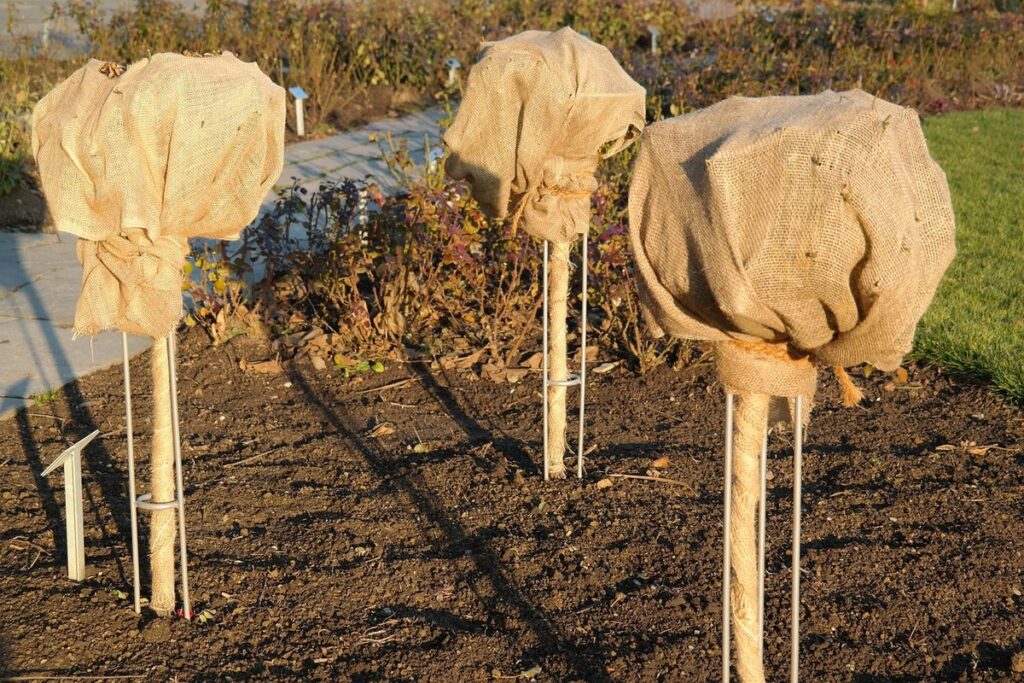
Insulating plants involves wrapping them with breathable materials like burlap or frost blankets. This protects delicate foliage and stems from windburn and frost damage. Secure the wraps tightly but avoid suffocating the plant by leaving small gaps for air exchange.
Mulching and insulating not only protect your plants but also conserve water, suppress weeds, and regulate soil temperature. Regularly monitor weather forecasts to plan ahead and adjust your protection measures accordingly.
Covering Plants with Row Covers or Tarps
When it comes to protecting your plants from frost, using row covers or tarps is an effective and easy solution. Row covers are lightweight, breathable fabrics that allow air and light to reach your plants while keeping frost out. They come in different types, including lightweight and heavy-duty options, so you can choose the right one for your plant’s specific needs.
To use row covers effectively, simply drape them over your plants at night during periods of frosty weather. Secure the edges with rocks or soil to prevent wind from lifting the fabric. Another option is using tarps, which are heavier and more durable than row covers. Tarps can be draped over entire beds or individual plants, providing excellent protection against frost.
When selecting a tarp or row cover, consider the material’s breathability and durability. Some popular options include cotton, polyester, and polypropylene. Avoid using plastic tarps, as they can trap moisture and cause more harm than good. Always install your covers at night to allow for maximum protection during the coldest hours.
Protecting Plants in Containers During Frost
When it comes to frost protection, container plants require extra care to survive the cold temperatures. This section will explore ways to safeguard your potted plants from frost damage and freezing temperatures.
Using Heated Cables or Mats for Container Protection
When it comes to protecting container-grown plants from frost damage, using heated cables or mats is an effective solution. These products are specifically designed to keep the soil warm and prevent frost from forming on the surface of the soil.
Heated cables or mats work by emitting heat into the surrounding soil, keeping it at a consistent temperature that’s above freezing. This helps to prevent root damage and keeps the plant’s metabolic processes functioning normally. For example, you can place a heated mat under a large pot or wrap a heated cable around the container for added protection.
When selecting a heated cable or mat, consider factors such as power consumption, durability, and ease of use. Look for products with built-in thermostats to regulate temperature and prevent overheating. It’s also essential to follow the manufacturer’s instructions for safe installation and use.
By using heated cables or mats, you can provide your container-grown plants with an extra layer of protection against frost damage, giving them a better chance of survival during cold winter nights.
Moving Containers Indoors or Under Cover
Moving containers indoors or under cover is an effective way to protect plants from frost damage. If possible, relocate sensitive plants to a garage, sunroom, or indoor space with a stable temperature between 40°F and 50°F (4°C and 10°C). Alternatively, move them under a covered patio, carport, or awning. This method works best for smaller containers that can fit in the desired location.
To ensure success, choose a spot with minimal foot traffic to prevent disturbance to your plants. If you’re using a garage, keep it well-ventilated to prevent moisture buildup and potential fungal diseases. When selecting an indoor space, be mindful of extreme temperatures near windows or heating vents, which can cause damage to your plants.
For larger containers that cannot be moved indoors, consider covering them with a frost blanket, tarp, or other breathable material. Secure the cover with weights or bungee cords to prevent wind from dislodging it. Regularly check on your plants during extreme weather conditions and adjust their protection as needed.
Protecting Trees and Shrubs from Frost Damage
When frost damage threatens your trees and shrubs, understanding how to protect them is crucial. In this next part of our frost protection guide, we’ll explore specific techniques for safeguarding these plants.
Wrapping Trunks and Branches for Protection
Wrapping trunks and branches is an effective way to protect trees and shrubs from frost damage. This simple yet crucial step can make a significant difference in saving plants during harsh winters. Materials like burlap, foam tube insulation, and tree wraps are commonly used for wrapping.
Burlap is a popular choice due to its affordability and ease of use. It helps retain moisture, reducing water loss through transpiration, which can be detrimental during frosty conditions. To wrap your trees with burlap, start by cutting the material to fit snugly around the trunk and branches, securing it with twine or wire. Make sure to leave some space for expansion as the plant grows.
Foam tube insulation is another option that provides excellent protection against extreme temperatures. It’s typically used for smaller branches and can be cut to size using pruning shears. Tree wraps offer a more permanent solution, but they might not be suitable for all plants due to their rigid structure.
When choosing a material, consider the plant’s type, age, and climate conditions. Wrap trunks and branches when temperatures are forecasted to drop below 25°F (-4°C) and remain low for an extended period. Always remove the wrapping in springtime as it can cause damage if left on too long.
Applying Anti-Dessicant Sprays to Protect Plant Tissues
When dealing with severe frost conditions, anti-dessicant sprays can be an effective solution to protect plant tissues from damage. These specialized sprays create a protective barrier on the leaves and stems of plants, preventing moisture loss through transpiration. This helps to reduce the risk of cell damage and death caused by prolonged exposure to cold temperatures.
To apply anti-dessicant sprays effectively, it’s essential to follow the manufacturer’s instructions carefully. Typically, these sprays are applied 1-3 weeks before the first frost date or during periods of prolonged cold weather. It’s crucial to ensure that the spray is fully absorbed into the plant tissues and not just sitting on the surface.
Anti-dessicant sprays work by coating the leaves with a thin layer of protective wax, which helps to regulate water loss and protect the plant from desiccation. This can be especially beneficial for sensitive or newly planted trees and shrubs that may not have developed sufficient frost tolerance yet.
Frost Protection Methods for Specific Plants
Not all plants are created equal when it comes to frost protection, and certain species require specialized care to survive a cold snap. We’ll walk you through some plant-specific strategies to keep your garden safe.
Protecting Vegetable Gardens from Frost Damage
When it comes to protecting your vegetable garden from frost damage, there are several methods and materials you can use to safeguard your crops. Row covers are a popular option for preventing frost damage. These lightweight fabrics allow plants to breathe while keeping cold air out. You can drape them over individual plants or entire beds, securing them with stakes or weights.
Tarps are another effective way to protect vegetable gardens from frost. They provide better insulation than row covers and can be used to cover large areas. However, they can weigh down on plants if not properly supported. To use tarps effectively, make sure to leave some space for air circulation and secure them with ropes or weights.
Cold frames are also a great option for protecting vegetable gardens from frost. These enclosed structures allow you to extend the growing season by trapping warmth and keeping cold air out. You can build your own cold frame using wooden frames and clear plastic sheets or purchase pre-made ones. By choosing the right method, you can enjoy a bountiful harvest even in chilly weather conditions.
Protecting Fruit Trees and Orchards from Frost Damage
Protecting fruit trees and orchards from frost damage is crucial to ensure a bountiful harvest. Frost can cause significant damage to blossoms, buds, and even young leaves, resulting in reduced yields or even complete crop failure. To mitigate this risk, several techniques can be employed.
One effective method is using wind machines to circulate warm air around the trees. These machines work by blowing warm air from a nearby source, such as a pond or a nearby building, to raise the temperature near the trees. This technique is particularly useful for smaller orchards and can be combined with other protection methods.
Another popular approach is utilizing sprinkler systems to cover the trees in water. The evaporation of water from the leaves will cool them down, helping to prevent damage from frost. However, it’s essential to ensure that the system is designed and installed correctly to avoid overwatering or root damage.
In addition to these mechanical methods, farmers can also use techniques like frost blankets or tarping to cover the trees. These materials trap warm air close to the leaves, providing an extra layer of protection against cold temperatures. By employing one or a combination of these techniques, fruit tree and orchard owners can significantly reduce the risk of frost damage and protect their crops from harm.
After the Frost: Recovery and Maintenance Strategies
Now that the immediate frost threat has passed, it’s crucial to focus on helping your plants recover from any damage and establishing a routine for ongoing care. Let’s dive into some effective strategies to get your garden back on track.
Identifying and Repairing Damaged Plants
When you inspect your plants after a frost event, you may notice signs of damage such as yellowing leaves, wilted stems, or even complete defoliation. Identifying the extent of the damage is crucial to determine the best course of action for recovery. To do this, carefully examine each plant, paying attention to the severity of damage in different areas.
If a plant has suffered significant damage, assess whether it can still be saved by checking for signs of life such as green shoots or new growth emerging from the base of the stem. For plants with minor damage, prune off affected areas to prevent the spread of disease and encourage healthy regrowth. This process involves cutting back damaged branches or leaves, making clean cuts just above a bud or node.
For severely damaged plants, consider repotting in fresh soil to provide optimal growing conditions for recovery. Be sure to inspect the roots carefully during this process to remove any dead or damaged tissue. With proper care and attention, many plants can recover from frost damage and regain their vitality, but prompt action is essential to increase chances of success.
Preventative Measures for Future Frosts
As you’re recovering from the initial frost damage, it’s essential to think ahead and implement preventative measures to protect your plants from future frosts. This will save you time, money, and heartache in the long run.
One of the most effective ways to safeguard your plants is by using cold frames or hoop houses. These structures allow for temperature control, keeping the air inside several degrees warmer than outside. You can install them permanently or use portable ones as needed. Cold frames work well for smaller gardens, while hoop houses are more suitable for larger areas.
Another strategy is to choose frost-hardy plants that can withstand temperatures below 25°F (-4°C). Research and select varieties that thrive in your region’s climate. Plant them strategically in a way that allows you to cover them with row covers or other protective materials during extreme weather conditions.
Additionally, ensure proper soil drainage and moisture levels to help plants recover from frost damage. By implementing these preventative measures, you’ll be better equipped to face future frosts and keep your garden thriving year-round.
Additional Tips and Considerations for Frost Protection
Now that you’ve learned some essential strategies for protecting your plants from frost, let’s dive into a few more tips to help you stay prepared. These extra considerations can make all the difference in keeping your garden safe.
Monitoring Weather Forecasts for Frost Events
Monitoring weather forecasts is crucial to anticipate and prepare for frost events. This simple yet effective approach can make all the difference in protecting your plants from damage. By staying informed about upcoming temperature drops, you can take proactive measures to safeguard your garden.
Start by checking local weather forecasts at least a day or two before an expected frost event. Websites like AccuWeather, Weather.com, and the National Weather Service (NWS) provide reliable and up-to-date information on temperature predictions. You can also set up email alerts or mobile app notifications to receive timely updates on weather conditions.
As you monitor weather forecasts, keep a close eye on the predicted low temperatures for your area. If frost is expected, take immediate action by covering sensitive plants with breathable materials like burlap, row covers, or sheets. Don’t forget to water your soil before a frost event, as this will help insulate plant roots and reduce damage.
Regularly checking weather forecasts can be done in just a few minutes each day, but the benefits are significant. By staying ahead of potential frost events, you’ll save time, money, and heartache – not to mention ensure the health and well-being of your precious plants.
Understanding Local Climate Conditions Affecting Frost Risk
When protecting plants from frost damage, it’s crucial to understand local climate conditions that can impact frost risk. This knowledge will help you anticipate and prepare for potential frosts. Start by researching the average temperature lows for your region during the winter months. Check online resources or consult with a local nursery expert to determine which areas are most prone to frost.
Consider factors like wind direction, elevation, and nearby bodies of water, as these can all contribute to increased frost risk. For example, if you live in an area near a large lake or ocean, be aware that cold air tends to settle over these bodies of water during the night, increasing the likelihood of frost.
Another key factor is temperature fluctuation. Some regions experience sharp temperature drops at night, which can increase the severity of frost damage. Familiarize yourself with local weather patterns and forecasts to stay ahead of potential frosts. By understanding your specific climate conditions, you’ll be better equipped to take proactive measures to protect your plants from frost damage.
Frequently Asked Questions
Can I use any type of mulch for frost protection, or are there specific recommendations?
There are various types of mulch that can be effective for frost protection, but some work better than others. Organic materials like straw, bark chips, and pine needles retain moisture and regulate soil temperature well. However, keep in mind that these may break down over time, affecting their effectiveness. Inorganic options like landscape fabric or plastic sheeting are also available, but they can be more expensive and may not provide the same benefits as organic mulches.
How do I determine if my plants have been damaged by frost, and what are the signs of frost damage?
Signs of frost damage include scorched leaves, discolored foliage, and brittle stems. Inspect your plants carefully for any visual damage, paying attention to areas with tender or delicate growth. If you notice any damage, assess the extent of the damage and consider pruning affected areas to prevent further harm.
What’s the difference between using row covers and tarps for frost protection?
Both row covers and tarps can be effective for covering plants during frost events, but they have some differences. Row covers are lightweight, breathable fabrics that allow plants to breathe while still protecting them from cold temperatures. Tarps, on the other hand, are heavier-duty materials often used for longer-term applications or in more extreme weather conditions.
Can I use heated cables or mats for frost protection on larger plantings, like entire gardens?
Yes, heated cables and mats can be a viable option for large-scale frost protection. These systems can be installed along rows of plants to provide consistent warmth throughout the area. However, keep in mind that they require regular maintenance and can be more expensive than other methods.
How do I prepare my containers for winter if I live in an area with frequent frosts?
To protect containers from frost damage, move them indoors or under a covered area during extreme cold snaps. Alternatively, use heated cables or mats to warm the soil, or wrap the containers with insulation materials like foam board or bubble wrap.