
As the temperatures begin to drop, many gardeners are left wondering how to safeguard their prized plants from the harsh effects of winter. First frost can be particularly damaging, causing costly losses if not properly protected. But don’t worry, with a little know-how and some simple techniques, you can keep your plants safe and thriving well into the colder months.
In this comprehensive guide, we’ll walk you through effective mulching techniques, insulation methods, and frost protection strategies to help you prepare for the first frost of the season. From covering sensitive blooms to protecting root systems from freezing temperatures, we’ll cover it all. Whether you’re a seasoned gardener or just starting out, our expert tips will ensure that your plants come out unscathed when winter finally subsides.
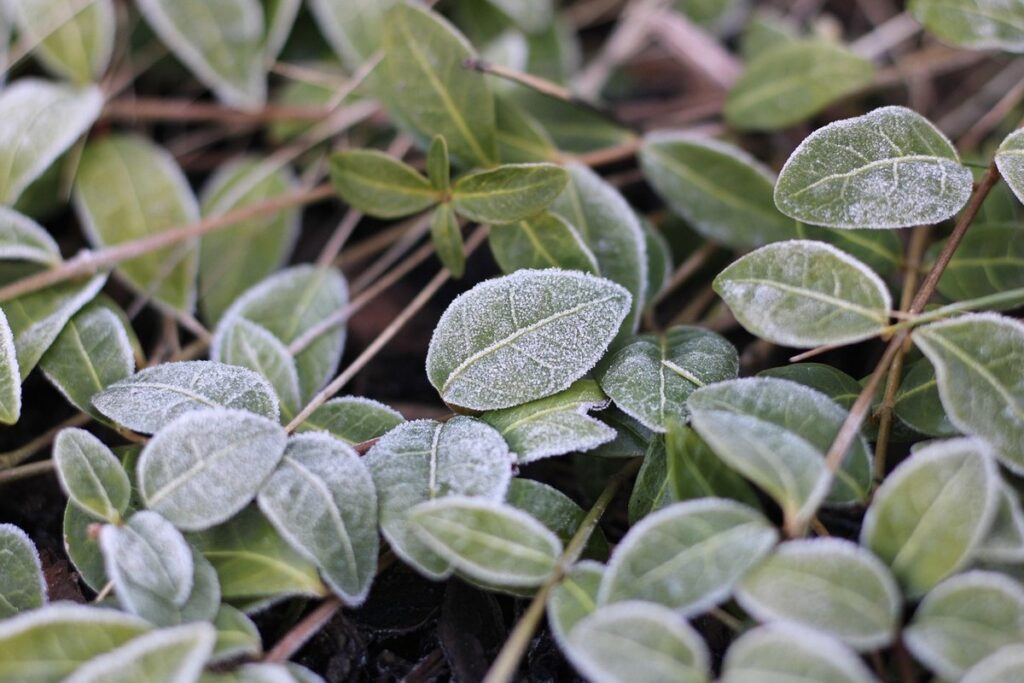
Understanding the Threat of First Frost
First frost can be a major threat to your plants, so it’s essential to understand how to identify and prepare for it. Knowing when to expect the first frost in your area will help you take proactive steps to protect your garden.
What is a First Frost?
A first frost is a type of cold damage that occurs when plants are exposed to freezing temperatures for an extended period. It’s called “first” because it marks the beginning of winter, and it can be particularly damaging if you’re not prepared. Typically, a first frost happens when the air temperature drops below 32°F (0°C), causing water inside plant cells to freeze and expand, leading to damage or death.
The impact of a first frost on plants is significant. Leaves may turn black or brown, stems may become brittle and break, and flowers may drop off. Even if your plants survive, they may still suffer from stress, making them more susceptible to disease and pests in the coming months. In severe cases, a prolonged period of freezing temperatures can even kill young trees or shrubs.
Understanding temperature thresholds is crucial when anticipating a first frost. A light frost typically occurs between 25°F (-4°C) and 32°F (0°C), while a moderate frost falls within the 15°F to 25°F (-9°C to -4°C) range, and a hard freeze occurs below 15°F (-9°C).
Identifying Plant Vulnerability
When the first frost hits, some plants are more vulnerable to damage than others. To effectively protect your garden from winter damage, it’s essential to identify which plants are most susceptible. One key factor is the type of plant itself. For example, tender perennials like fuchsias and impatiens are highly sensitive to frost, whereas hardy succulents like aloe vera and agave can withstand light frosts.
The age of your plants also plays a significant role in determining their vulnerability. Younger plants tend to be more delicate than mature ones, which have developed a stronger root system and a thicker cuticle to protect themselves from cold temperatures. Similarly, plants that are already stressed or struggling with pests or diseases are more prone to frost damage.
To identify vulnerable plants in your garden, take note of any areas where the soil is waterlogged or where there’s poor air circulation. These conditions can exacerbate frost damage and lead to root rot or other problems. By being aware of these factors, you can prioritize protection measures for the most susceptible plants, giving them a better chance to survive the first frost.
Preparing Your Garden for First Frost
Now that you’ve taken steps to harden off your plants, it’s time to prepare your garden for the first frost of the season. This crucial step will help protect your investment from damage and loss.
Mulching and Insulation Techniques
Mulching and insulation techniques can be effective ways to protect plants from cold temperatures. Mulch acts as a barrier between the soil and cold air, preventing heat loss and frost damage. Organic mulches like straw, bark chips, or pine needles are ideal choices, as they decompose slowly and won’t burn plant roots if exposed to high temperatures.
Insulation techniques offer additional protection for plants. Bubble wrap, foam sheets, or even newspaper can be used to cover sensitive areas. Another option is row covers, lightweight fabrics that allow sunlight and water to reach plants while keeping frost out. When using row covers, make sure to secure them tightly with pins or clips to prevent them from blowing away in the wind.
Some plant species benefit from a combination of mulching and insulation. For example, young fruit trees can be wrapped in foam sheets for added protection, while their roots are covered with straw or bark chips. Similarly, sensitive perennials like roses or hydrangeas can be insulated using bubble wrap or row covers, with a layer of organic mulch on top to retain moisture and regulate soil temperature.
Covering Plants with Blankets or Tarps
Using blankets or tarps to cover plants is an effective way to protect them from frost damage. This method provides a physical barrier between the plant and the cold air, helping to insulate and retain warmth around the plant. For example, you can use a breathable sheet or tarp to cover a row of vegetables or a group of sensitive flowers.
To set up a frost protection system using blankets or tarps, start by selecting the right materials for your plants’ specific needs. Choose lightweight, water-repellent fabrics that allow for airflow and won’t weigh down branches or leaves. Secure the covering with stakes or weights to prevent it from blowing away in wind. You can also use burlap or landscape fabric as alternatives to blankets or tarps.
When using tarps, consider applying a thin layer of straw or mulch underneath to provide additional insulation. This will help retain heat and moisture around the plant roots. Be sure to remove any covering materials once the threat of frost has passed to prevent damage from prolonged exposure to moisture.
Creating a Frost Protection Plan
Now that you have a plan for identifying frost risk, it’s time to create a customized protection strategy tailored to your garden’s specific needs and conditions. This involves several key considerations and steps.
Assessing Your Garden’s Vulnerability
As you begin to develop your frost protection plan, it’s essential to conduct an assessment of your garden’s vulnerability. This involves identifying areas that are most at risk and prioritizing plant protection accordingly.
Start by walking through your garden, taking note of the specific plants, soil types, and microclimates present. Consider factors such as wind direction, sun exposure, and proximity to heat sources like buildings or walls. Note which areas receive more frost protection due to natural features like hills or valleys.
Next, prioritize the most vulnerable plants based on their hardiness zone, age, and overall health. Young or newly planted trees, shrubs, and perennials are generally more susceptible to damage than mature ones. Make a list of the highest-priority plants and allocate resources accordingly.
Consider conducting a simple soil test to determine your garden’s temperature profile. This can help you identify areas where frost may be more severe due to differences in soil conductivity or moisture levels. Armed with this information, you’ll be better equipped to implement targeted protection measures that address your garden’s specific needs.
Setting Realistic Expectations for Plant Survival
When preparing for the first frost of the season, it’s essential to set realistic expectations for plant survival. This means understanding which plants are likely to withstand cold temperatures and which ones will require extra protection. Start by assessing your garden or yard and categorizing your plants based on their hardiness zones.
For tender perennials like roses, hydrangeas, and clematis, it’s best to expect some damage from frost. These plants typically need protection with mulch, straw, or other insulating materials to prevent root damage. On the other hand, more resilient plants like conifers, evergreen shrubs, and succulents can usually withstand light frosts without assistance.
When setting expectations, consider factors like plant maturity, soil quality, and exposure to wind. Younger plants, those in poorly draining soil, or those facing harsh winds will require extra care. Be aware that even protected plants may still suffer from some damage during the first frost event. Prioritize their survival by taking proactive steps before the first frost hits.
By understanding what your plants can tolerate and setting realistic expectations, you’ll be better equipped to provide the necessary protection for a successful winter season.
Choosing the Right Materials for Frost Protection
When it comes to protecting your plants from frost damage, choosing the right materials is crucial. You’ll want to select breathable, insulating coverings that allow moisture to escape while retaining warmth.
Types of Mulch and Insulation
When it comes to safeguarding your plants from winter damage, choosing the right materials for mulching and insulation is crucial. There are several types of mulch and insulation that can help protect your plants from frost damage.
Organic mulches such as wood chips, bark, and leaves are excellent options due to their natural properties. They insulate the soil, retain moisture, and regulate soil temperature. However, they may break down over time and need frequent replenishment. On the other hand, inorganic mulches like plastic sheeting and foam board provide better durability but can be expensive and may require specialized installation.
Another option is using straw or hay as insulation material. These materials are inexpensive, easily available, and can be applied directly to plant beds. However, they may decompose quickly if not used properly. It’s essential to consider the pros and cons of each material before making a decision based on factors like cost, durability, and environmental impact.
When selecting mulch or insulation for frost protection, remember that it’s not just about covering the soil. Consider factors like airflow, moisture retention, and plant growth habits to ensure you choose the right product for your specific needs.
DIY vs. Store-Bought Solutions
When it comes to protecting your plants from frost damage, you have two main options: using homemade solutions or relying on store-bought products. Both methods have their benefits and drawbacks, which we’ll explore below.
Using a homemade solution can be an attractive option for gardeners who prefer a more natural approach. For example, you can create a protective blanket by wetting a sheet of burlap or old bed sheets to cover your plants. This method is not only cost-effective but also reduces waste. Another homemade solution is to use a mixture of water and milk to protect your plants from frost.
On the other hand, store-bought products offer convenience and ease of use. Many commercial frost protection solutions are designed specifically for plant protection and can be applied quickly and easily. These products often contain anti-frost agents that help prevent damage to delicate leaves and stems. However, they may not be as eco-friendly as homemade solutions and can be more expensive in the long run.
Ultimately, the choice between DIY and store-bought solutions comes down to your personal preference and plant care needs. If you’re short on time or prefer a hassle-free solution, commercial products might be the better option. However, if you’re looking for an environmentally friendly and budget-friendly approach, creating your own frost protection solution at home can be a great way to go.
Implementing Frost Protection Strategies
Now that you’ve prepared for a first frost, it’s time to put your plan into action and implement strategies to protect your plants from winter damage effectively. This includes choosing the right methods for your specific garden needs.
Timing is Everything: When to Apply Protection
When a cold snap is forecasted, timing is crucial when it comes to applying protection measures. The key is to act before the frost sets in, as this significantly increases the effectiveness of your methods. Check local weather forecasts for temperature predictions and sign up for frost alerts to stay informed.
Different plants require different protection strategies based on their specific needs. For example, tender perennials like roses or geraniums need more aggressive protection than hardy shrubs. If you’re expecting a light frost (around 30°F), a layer of mulch can be effective. However, for more severe frosts (below 25°F), insulation or coverings are recommended.
Apply your chosen method when the temperature drops to within one to two days of the predicted low. This allows time for the protection to take effect before damage occurs. It’s also essential to monitor local conditions and adjust your plan accordingly. If a sudden drop in temperature is forecasted, be prepared to act quickly to safeguard your plants.
Ongoing Maintenance: Monitoring and Adjustments
As you implement frost protection strategies for your plants, ongoing maintenance is crucial to ensure their continued health and resilience. Monitoring weather forecasts and making timely adjustments will help mitigate damage from subsequent frosts.
To do this effectively, set up a weather alert system that sends notifications to your phone or email when temperatures are expected to drop below freezing. This will allow you to take proactive measures before frost occurs.
Regularly inspect your protected plants for signs of stress, such as yellowing leaves or discoloration. Be prepared to adjust your protection methods based on changing weather patterns or plant responses.
For example, if a hard freeze is predicted, you may need to move potted plants to an unheated garage or other frost-free area. Conversely, if temperatures rise above freezing during the day, you can temporarily remove some protection measures to allow for air circulation and prevent overheating.
By closely monitoring your plants’ condition and adjusting your frost protection strategies accordingly, you’ll be better equipped to handle subsequent frosts and ensure a healthy start to next growing season.
Troubleshooting Common Issues with First Frost Protection
We’ve all been there: a frost warning goes out, and you panic – but what if your plants are still damaged despite taking precautions? Let’s troubleshoot common issues that might have led to winter damage.
Overcoming Obstacles and Limitations
When implementing first frost protection measures, it’s essential to anticipate and overcome potential obstacles that might compromise their effectiveness. One common challenge is wind damage, which can be particularly problematic if you live in an area prone to strong gusts. To mitigate this risk, consider using a combination of physical barriers like burlap or snow fences, along with some creative problem-solving.
For instance, if your garden is situated near a windy corner, try anchoring the frost protection material to nearby structures or weights to prevent it from being dislodged by the wind. Alternatively, you can use flexible materials that will naturally bend and sway in response to wind pressure, reducing the likelihood of damage.
Another significant challenge is animal interference, which can range from pesky rodents to larger wildlife like deer. In such cases, using repellents or deterrents can be an effective solution. You can also consider covering plants with netting or row covers, which not only protect against frost but also keep animals at bay.
Some additional considerations when overcoming obstacles and limitations include:
* Regularly inspecting your frost protection setup for signs of damage or wear
* Being prepared to adapt your approach in response to changing weather conditions or unexpected challenges
* Communicating with your household members or neighbors about the importance of maintaining a safe, animal-free zone around your protected plants
Conclusion and Aftercare
Now that you’ve protected your plants from the first frost, it’s time to ensure they continue thriving. This section covers essential aftercare tips for a healthy recovery.
Reviewing Key Takeaways from the Post
As we conclude this journey into first frost protection, it’s essential to revisit the key takeaways that will help you safeguard your plants from winter damage. To recap, we’ve discussed various methods and strategies for protecting your garden, including mulching, covering, and bringing plants indoors.
Key among these was the importance of timing – knowing when the first frost is likely to hit your area can make all the difference in preventing damage. We also highlighted the use of row covers, which can provide excellent protection from wind and frost. Furthermore, we emphasized the value of choosing cold-hardy plant species that are better equipped to withstand winter conditions.
Additionally, we touched on the benefits of insulating plants with mulch or straw, as well as utilizing other materials like burlap or old sheets to cover sensitive areas. By implementing these strategies, you’ll be well-equipped to weather the first frost and ensure your garden emerges healthy and vibrant come spring. Remember to stay vigilant and adapt these techniques to suit your specific climate and plant needs for optimal results.
Long-Term Strategies for Winter Plant Care
As winter sets in and frost becomes a regular occurrence, it’s essential to have a long-term plan for protecting your plants. While first frost protection is crucial during the initial freeze events, a well-planned strategy will help your plants survive the entire winter season.
First, evaluate the hardiness of each plant in your garden or indoor space. Identify which ones can tolerate frost and which need more protection. Consider moving sensitive plants to a protected area like a greenhouse or under a cold frame. For those that can’t be moved, apply a layer of mulch around their base to insulate the soil and prevent freezing.
In addition to protecting individual plants, consider implementing broader strategies such as installing snow fencing or windbreaks to shield your garden from harsh winter conditions. This will not only protect your plants but also reduce the risk of damage from extreme cold snaps. By planning ahead, you can ensure your plants remain healthy and thrive come springtime.
For areas with prolonged frost periods, use techniques like cloche covers or row covers to maintain a consistent microclimate around your plants. This will help regulate soil temperature and prevent freezing. By incorporating these strategies into your long-term plan, you’ll be well-prepared for the challenges of winter and give your plants the best chance at survival.
Frequently Asked Questions
How do I know when to apply frost protection methods?
It’s essential to monitor weather forecasts closely, especially during periods of unusual cold snaps or unexpected temperature drops. Many nurseries and gardening stores also offer frost alerts and notifications for your specific region. Yes, it’s always better to err on the side of caution and apply frost protection a few days before the predicted first frost date.
What if I’m away from my garden during the first frost?
If you’re unable to be present during the first frost, consider investing in automated irrigation systems or smart gardening devices that can alert you to extreme weather conditions. You can also ask a trusted neighbor or friend to check on your garden and apply any necessary protection.
Can I use just any type of mulch for frost protection?
While some types of mulch can help retain moisture and regulate soil temperature, others may not provide adequate protection against freezing temperatures. Look for organic mulches like straw, bark chips, or pine needles that can insulate the soil while allowing water to penetrate.
What if I have a large garden with many plants to protect?
Consider dividing your garden into sections and prioritizing the most vulnerable plants first. You can also use larger tarps or blankets specifically designed for outdoor use to cover multiple areas at once, making it easier to manage frost protection across your entire garden.
How often should I check on my protected plants after a frost event?
After the initial frost has passed, continue to monitor your plants closely for signs of stress or damage. Check for wilting, browning leaves, or other visible symptoms that may indicate further protection is needed. This ongoing maintenance will help ensure your garden recovers quickly from the effects of the first frost.