
As a plant parent, there’s nothing more frustrating than watching your beloved greenery succumb to the ravages of cicada infestations. These pesky insects can cause significant damage to leaves, stems, and flowers, leaving your plants vulnerable to disease and pests. But fear not! With the right know-how and strategies in place, you can protect your plants from cicada damage and enjoy a thriving garden all season long.
In this article, we’ll delve into the world of cicada management, covering preventative measures to keep these critters at bay, treatment options for when they do arrive, and long-term protection strategies to safeguard your plants for years to come. From natural deterrents to chemical treatments, we’ve got you covered with expert advice on how to prevent and manage cicada damage.
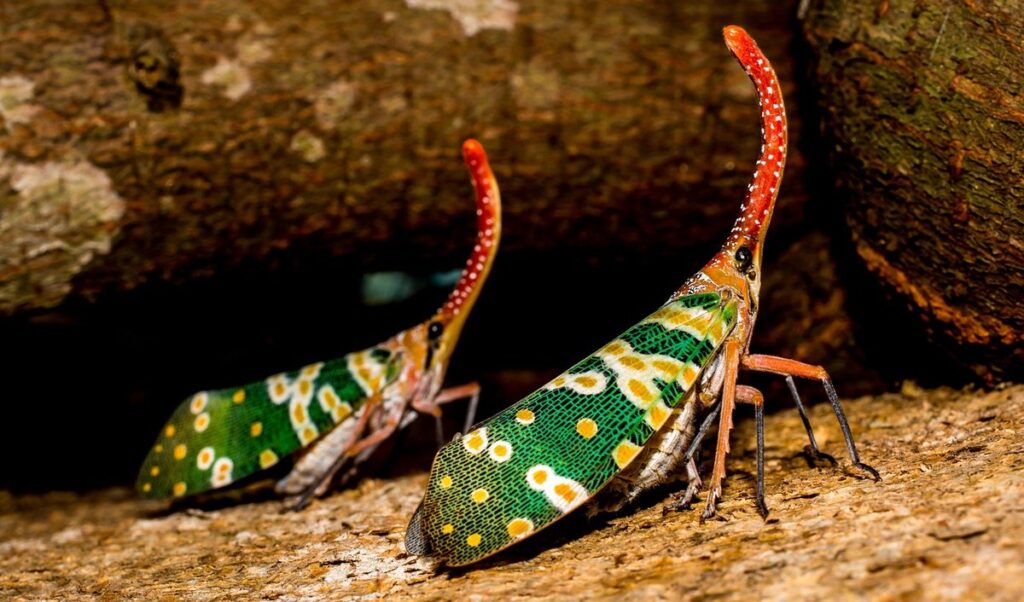
Understanding Cicada Damage
Now that you know how to prevent cicada infestations, let’s dive into understanding what damage these insects can cause to your beloved plants.
The Life Cycle of Cicadas and Their Impact on Plants
Cicadas are one of the most fascinating insects, and yet they can be quite destructive to plants. To understand how to protect our plants from these critters, it’s essential to grasp their life cycle and behavior. There are three main species of cicadas: Magicicada septendecim, M. cassini, and M. septendecula. They spend 13-17 years underground in a nymph stage, feeding on plant roots before emerging as adults.
As adults, cicadas live for about six weeks, during which they mate and lay eggs on plant leaves. The females use their long ovipositors to pierce the leaves and deposit their eggs. This process can cause significant damage to plants, especially if it occurs repeatedly over several years. In addition to egg-laying, adult cicadas also feed on plant sap, which can weaken the plant’s defenses and make it more susceptible to disease.
Some plants are more vulnerable to cicada infestations than others. For example, young or newly planted trees may be severely damaged by cicada feeding, while mature trees with established root systems tend to recover more quickly. To mitigate damage, consider protecting your most sensitive plants during the cicada emergence period, typically in late spring and early summer. This can involve covering plants with fine mesh or using systemic insecticides specifically designed for cicadas.
Identifying Infested Areas: Signs and Symptoms
When inspecting your plants for cicada damage, it’s essential to be aware of the common signs of infestation. Large holes in leaves and stems are a clear indication that cicadas have been feeding on your plant. These holes can be oval-shaped or irregular, depending on the type of cicada and the stage of its life cycle.
Droopy branches and weakened plants are also telltale signs of cicada damage. Cicadas feed on sap, which can cause a plant’s tissues to become weakened, leading to droopy or wilted leaves and stems. Additionally, cicadas can also transmit plant viruses and bacteria through their saliva, further compromising your plant’s health.
When inspecting your plants, look for any unusual patterns of damage, such as multiple holes in the same area or a sudden decline in plant health. Check the undersides of leaves, where cicadas tend to hide, and examine stems and branches for signs of feeding damage. Regularly monitoring your plants will help you catch infestations early on, allowing you to take prompt action to protect them from further damage.
Understanding Cicada Seasonality and Predicting Outbreaks
Predicting cicada outbreaks can be a daunting task, but understanding their seasonality and environmental cues can help you prepare for an infestation. Cicadas typically emerge in large numbers every 13-17 years, depending on the species, but this period can vary due to weather patterns.
To predict an outbreak, consider the following factors: location, climate, and time of year. Cicadas are more likely to thrive in regions with warm temperatures and high humidity, such as the southern United States. They also tend to emerge during late spring or early summer when soil temperatures reach around 64°F (18°C).
Monitor local weather forecasts and note any significant changes in temperature and precipitation patterns. The presence of adult cicadas is a clear indication that an infestation is imminent. If you notice cicada shells, eggs, or the sound of their distinctive song, it’s essential to take immediate action.
Plan ahead by inspecting your plants regularly during peak emergence periods (usually late spring). Prune any weak or damaged branches, and consider using physical barriers or organic repellents to prevent damage.
Preventative Measures: Protecting Your Plants from Cicadas
Now that we’ve covered what cicadas can do to your plants, let’s focus on taking proactive steps to prevent damage. We’ll explore simple and effective measures to safeguard your garden.
Using Physical Barriers and Covers
When it comes to protecting your plants from cicadas, physical barriers and covers can be an effective solution. One popular option is using fine mesh or netting to cover individual plants or entire areas of the garden. This type of barrier allows light and air to reach the plants while preventing cicadas from landing on them.
For example, you can drape fine mesh over a row of tomato plants or use it to cover a small trellis supporting climbing vines. Alternatively, you can create a larger enclosure around multiple plants using netting or screening. To ensure effectiveness, make sure the mesh or netting has holes that are smaller than 1/4 inch (6 mm) in diameter, as cicadas can squeeze through openings of this size.
Some other materials you can use to create physical barriers include row covers, fleece blankets, and even old sheets. The key is to choose a material that fits snugly over the plants and has no gaps or openings for cicadas to exploit.
Repellents and Deterrents: Chemical and Natural Options
When it comes to preventing cicada damage, repellents and deterrents can be an effective line of defense for your plants. Chemical-based options are available, but many gardeners prefer natural alternatives that are gentler on the environment.
Some popular chemical repellents include pyrethrin sprays and permethrin dust. These products contain synthetic versions of plant-derived compounds that repel cicadas. However, they should be used with caution and according to label instructions, as they can also harm beneficial insects and other non-target species.
Natural substances like essential oils and neem oil are increasingly popular among gardeners. Neem oil, in particular, is a powerful insecticide derived from the seeds of the neem tree. It’s toxic to cicadas and many other pests, but relatively safe for humans and pets when used at recommended concentrations. Other natural options include citronella oil, lemongrass oil, and peppermint oil, which can be mixed with water and sprayed on plants to repel cicadas.
When using essential oils or neem oil, make sure to mix them with a soap solution (1 tablespoon of mild dish soap per quart of water) to improve their effectiveness. Repeat applications every 7-10 days as needed to maintain their potency. Always test a small area of the plant before applying any repellent or deterrent to ensure it doesn’t cause any damage.
Introducing Beneficial Insects: Encouraging Predators
When it comes to protecting your plants from cicadas, introducing beneficial insects is a natural and effective way to control their population. These tiny predators are the unsung heroes of pest management, feeding on cicada eggs and nymphs before they can cause damage to your plants.
Beneficial insects like parasitic wasps and ladybugs are essential for maintaining ecological balance in your garden. You can attract these beneficial insects by creating a welcoming environment through the right combination of food, shelter, and water sources. For instance, plant nectar-rich flowers like sunflowers, marigolds, or cosmos to provide them with energy-rich sustenance.
To encourage parasitic wasps, try introducing aphid-infested plants to your garden. These wasps will lay their eggs inside the aphid colonies, ensuring a steady food supply for their larvae. Ladybugs, on the other hand, can be attracted by offering shallow water sources and hiding spots like leaf litter or rock piles. By incorporating these beneficial insects into your gardening routine, you’ll have a natural defense system against cicadas that’s not only effective but also environmentally friendly.
Managing Cicada Infestations: Treatment Options
When cicadas become a problem, it’s essential to act quickly and choose the right treatment options for your specific infestation and plant type. We’ll explore some effective solutions here.
Organic Pest Control Methods
When it comes to managing cicada infestations organically, there are several effective methods you can try. One of the most promising approaches is introducing natural predators that feed on cicadas. For example, you can encourage birds like robins or blue jays to visit your garden by installing birdhouses or offering food sources. These birds will help control the cicada population, reducing the need for chemical pesticides.
Another organic pest control method is using neem oil. Neem oil is derived from the seeds of the neem tree and has insecticidal properties that can repel and kill cicadas. To use neem oil effectively, mix it with water according to the label instructions and spray it directly on affected plants. You can also mix it with other insecticidal soap or horticultural oil for added effectiveness.
Some gardeners have had success using parasitic wasps that prey specifically on cicadas. These tiny wasps lay their eggs inside the cicada’s egg sac, ensuring that the next generation of cicadas is significantly reduced. While introducing these beneficial insects may require some research and planning, they can provide a long-term solution to your cicada infestation problems.
By incorporating these organic methods into your pest control strategy, you can protect your plants from cicada damage while maintaining a healthy and balanced ecosystem in your garden.
Chemical Controls: Using Insecticides with Caution
When managing cicada infestations, some gardeners may consider using insecticides as a chemical control method. However, it’s essential to approach this option with caution due to the potential harm these substances can cause to beneficial insects and humans.
Before reaching for an insecticide, remember that cicadas are not typically a major threat to plant health unless their numbers are extremely high. In most cases, hand-picking or using a gentle hosing method can be sufficient to manage infestations. If you do decide to use chemical controls, choose products specifically labeled for cicada control and follow the instructions carefully.
Some popular insecticide options include carbaryl (Sevin), permethrin, and deltamethrin. When applying these substances, take necessary precautions: wear protective clothing, including gloves and a mask; avoid spraying during peak sun hours or in windy conditions to prevent drift onto non-target areas.
Remember, chemical controls should be used as a last resort, and always follow integrated pest management principles to minimize harm to beneficial insects and the environment. Regular monitoring of cicada populations and adjusting your control methods accordingly will help you protect your plants while minimizing risks associated with insecticide use.
Maintaining Plant Health During Cicada Season
As cicadas begin to emerge, it’s essential to take extra precautions to maintain your plant’s health during this period of intense insect activity. In this section, we’ll explore ways to safeguard your plants from cicada damage.
Monitoring Plant Stress and Adjusting Care
Monitoring plant stress levels during cicada season is crucial to prevent long-term damage. Keep an eye out for signs of stress such as yellowing leaves, droopy stems, and reduced growth rate. These can be indicative of dehydration or nutrient deficiencies caused by cicadas feeding on sap.
If you notice any of these symptoms, adjust your care routine accordingly. Water your plants thoroughly but avoid overwatering, which can exacerbate problems. You may need to provide more frequent watering sessions during hot weather. Fertilize affected plants with a balanced fertilizer to replenish lost nutrients. Prune damaged or stressed areas to promote healthy growth.
For example, if you notice cicada holes on a young tree, prune the affected branch immediately to prevent further damage and encourage new growth. Similarly, if your flowering plant is showing signs of stress, provide extra fertilization to ensure it continues to bloom throughout the season. By monitoring your plants’ health and adjusting care, you can help them weather the cicada infestation with minimal damage.
Preparing for the Next Generation: Long-Term Protection
Preparing for the next generation of cicadas requires planning and foresight. As these insects have a life cycle that spans up to 17 years, it’s essential to think about long-term protection for your garden. Start by identifying areas where beneficial insect populations can thrive. These include native flowers, shrubs, and trees that attract pollinators and predators of cicadas.
Consider incorporating plants like dill, fennel, and parsley into your garden, as they repel cicadas. Additionally, encourage the presence of natural enemies such as lacewings, parasitic wasps, and ground beetles by providing them with shelter and food sources.
Another crucial step is to maintain a balanced ecosystem in your garden. This can be achieved by avoiding over-fertilization and pesticides, which can harm beneficial insects and disrupt the delicate balance between species. By promoting a diverse and resilient plant community, you’ll create a stronger defense against future cicada generations. Regularly monitoring your garden for signs of cicada activity will also help you take proactive measures to protect your plants.
Additional Tips and Considerations
As you’ve taken steps to protect your plants from cicada damage, here are some additional tips to keep in mind for long-term success. These subtle considerations can make all the difference.
Understanding Cicadas in Your Region
When it comes to understanding cicadas in your region, it’s essential to know that their behavior, life cycles, and impact on plants can vary significantly depending on where you live. In the eastern United States, for example, the 13-year cicada broods are notorious for their massive swarms and widespread damage to trees. On the other hand, western regions like California and Arizona have a different species of cicada that is less destructive but still causes problems.
In general, it’s crucial to research the specific cicada species in your area and understand their life cycles. In most regions, adult cicadas emerge from the ground in late spring or early summer, while nymphs can be active throughout the growing season. Knowing when to expect these events will help you prepare and take preventive measures to protect your plants.
For instance, if you live in a region with a long emergence period, consider covering sensitive plants with fine-mesh screens or fine-netting to prevent cicada damage. In areas where cicadas are more destructive, such as the 13-year brood zones, it may be necessary to prune or remove infested trees entirely.
Integrating Cicada Management into Larger Gardening Strategies
Integrating cicada management into larger gardening strategies is crucial for long-term plant protection. One effective approach is through integrated pest management (IPM), which involves combining multiple techniques to manage pests like cicadas. This strategy starts with monitoring and surveillance, where you track cicada activity in your garden. Use sticky traps or malaise traps to capture adult cicadas and determine their population density.
Once you’ve identified the level of infestation, implement targeted control measures. For example, if the cicada population is small, try using neem oil or insecticidal soap to repel them from your plants. You can also plant cicada-repellent herbs like basil, mint, or lemongrass around the perimeter of your garden.
Another crucial aspect of IPM is cultural controls, such as pruning infested branches and disposing of infected leaves. Regularly inspecting your plants for early signs of damage will help prevent cicadas from spreading to other areas of your garden. By incorporating these methods into a comprehensive gardening strategy, you’ll be better equipped to manage cicada populations and protect your plants in the long run.
Frequently Asked Questions
Can I protect my plants from cicadas during severe infestations?
Yes, in extreme cases of cicada infestation, combining multiple preventative measures with physical barriers can provide effective protection for your plants. Consider using a combination of fine-mesh screens, row covers, or individual plant covers to prevent cicadas from reaching your plants.
How do I know if my plants are suffering from cicada damage that’s caused by root feeding?
Root-feeding cicadas can be harder to detect, but look out for signs like yellowing leaves, stunted growth, and decreased water uptake. Digging around the roots to inspect them directly or using a garden fork to gently probe the soil may also reveal damage.
What are some common mistakes people make when trying to repel cicadas from their plants?
Some common pitfalls include relying solely on chemical repellents, not properly applying natural deterrents, and failing to monitor plant stress levels. To avoid these mistakes, always follow the recommended application rates for chemicals, test natural repellents in small areas first, and regularly inspect your plants for signs of stress.
Can I reuse or recycle cicada shells after they’ve fallen off my plants?
Yes, you can reuse or recycle cicada shells to create garden decorations or mulch. However, be sure to dry them thoroughly before storing or using them to avoid attracting pests or creating mold issues in your soil.
How do I know when it’s safe to remove physical barriers and covers from my plants?
Wait until the cicada season has ended, and you’ve monitored your plants for several weeks without any signs of damage. Remove barriers gradually, inspecting your plants daily for any potential stress responses before fully exposing them to their environment.