
Are you tired of buying expensive fig tree cuttings or waiting years for your tree to produce fruit? With a few simple techniques, you can propagate your own fig trees and share them with friends and family. Propagating fig trees using cuttings, layering, and grafting methods is easier than you think, and it’s an essential skill for any aspiring gardener or commercial grower. In this comprehensive guide, we’ll walk you through the pre-propagation care required to increase your chances of success, discuss the benefits and challenges of using rooting hormones, and explore different propagation techniques to help you achieve optimal results. Whether you’re a seasoned horticulturist or just starting out, our step-by-step instructions will have you propagating healthy fig trees in no time.
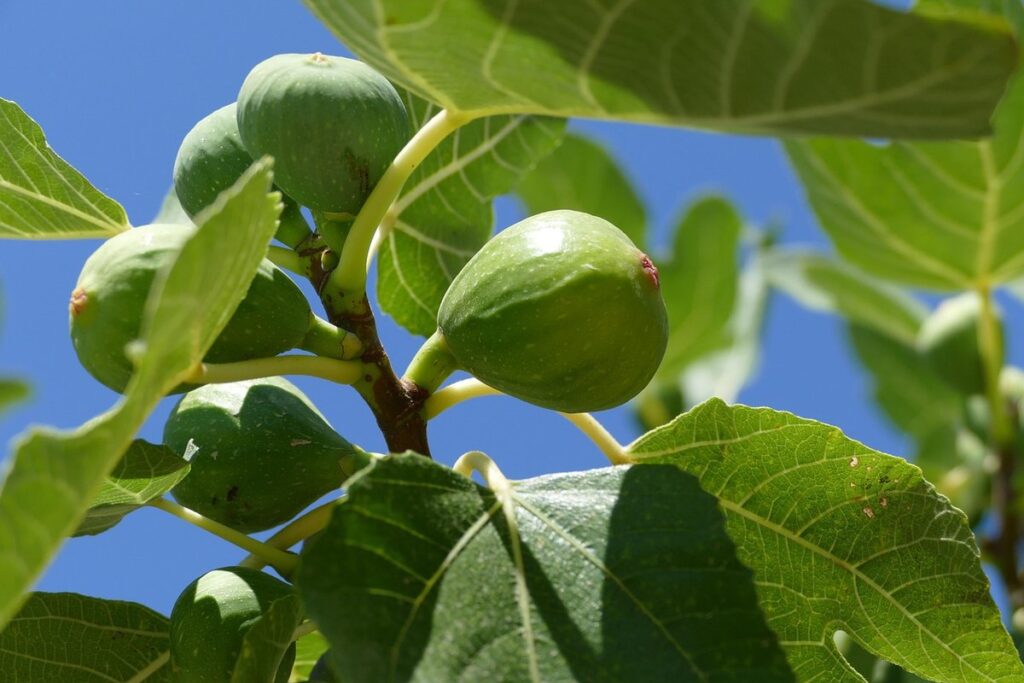
Choosing the Right Method
When it comes to propagating fig trees, selecting the right method is crucial for success. You’ll want to consider factors such as the time of year, climate, and personal preferences when making your choice.
Section Overview
When it comes to propagating fig trees, you have several methods at your disposal. In this comprehensive guide, we’ll be exploring the most effective and popular techniques for successfully multiplying your favorite fruit tree.
One of the most common methods is using cuttings. This involves taking a section of stem from a mature or healthy fig tree, allowing it to develop roots before planting it in well-draining soil. Cuttings can be taken at various times throughout the year, but the best results are typically achieved during the spring and early summer months when new growth is most active.
Another method for propagating fig trees is layering. This technique involves bending a branch from a mature tree down to the ground and securing it with rocks or wire. As the branch develops roots, you can then cut it away from the parent plant and transplant it into its own container. Grafting is also an option, where you join a piece of stem (called a scion) from one fig tree onto the root system of another.
These methods offer flexibility when it comes to propagating your fig trees, allowing you to create new plants that are genetically identical to their parent stock or even combine different varieties for unique characteristics. With practice and patience, you can successfully multiply your favorite fruit tree using these techniques.
Cuttings: A Popular Method for Beginners
Taking cuttings from mature fig trees is an excellent way to start propagating, especially for beginners. This method allows you to reproduce desirable characteristics of a specific tree, such as its flavor profile, growth habit, and disease resistance.
When to Take Cuttings
Cutting-taking should be done during the dormant season or when the tree is in a state of reduced activity, usually between late winter and early spring. This period minimizes stress on the tree and encourages healthy root development in the new cuttings.
Preparing the Cuttings
To prepare the cuttings, you’ll need to gather 6-8 inch sections from mature branches. Remove lower leaves, leaving only two sets of foliage at the top. This will help prevent water loss and reduce fungal diseases. Dip the cut ends into a rooting hormone powder or liquid for an additional boost in establishing roots.
Planting the Cuttings
Once prepared, plant the cuttings in a propagation tray filled with a well-draining potting mix. Firm the mix gently around each cutting to remove air pockets. Water thoroughly and maintain consistent moisture levels until roots develop.
Layering: A Gentle Approach for Pruning-Challenged Trees
When it comes to propagating fig trees, some individuals may struggle with pruning, which is often a crucial step in encouraging new growth. For these gardeners, layering offers a gentle approach that can still yield excellent results. This method involves bending branches down to the ground or into a trench, allowing them to root naturally.
To begin layering, select a sturdy branch on your fig tree with a flexible stem. Gently bend the branch downwards, securing it in place using wire or twine if necessary. Next, dig a shallow trench and position the bent branch inside it, making sure the node (the joint where the leaf meets the stem) is buried about 1-2 inches below soil level. Water thoroughly and keep the soil consistently moist during the rooting process.
By layering branches in this way, you can encourage new roots to develop without the need for extensive pruning. This method is particularly useful for fig trees with delicate or brittle stems that might snap under conventional pruning techniques. With patience and proper care, layering can be a successful alternative for propagating your favorite fig varieties.
Preparing Your Fig Tree for Propagation
Before you start propagating your fig tree, it’s essential to prepare the mother plant by pruning, fertilizing, and selecting healthy branches. This will ensure a successful propagation process.
Understanding Fig Tree Root Systems
Understanding fig tree root systems is crucial for successful propagation. Unlike other fruit trees, figs have a unique characteristic where their roots grow above ground level and can form aerial roots. These aerial roots are known as “breathing roots” because they help the tree absorb oxygen from the air. This adaptation allows the tree to thrive in poor soil conditions.
When choosing a fig tree for propagation, it’s essential to select one with healthy, vigorous roots. Healthy roots will produce more suckers and offsets, making propagation easier. To identify healthy roots, look for those that are white or light-colored, as these indicate active growth. Avoid trees with dark or brittle roots, which may be a sign of root rot.
Inspect the tree’s base and surrounding area for any signs of disease or pests. Make sure to clean and disinfect your tools before handling the roots to prevent transferring diseases from one tree to another. By carefully selecting healthy roots, you’ll set yourself up for success in propagation and increase the chances of growing a robust, productive fig tree.
Pre-Propagation Care: Watering, Fertilizing, and Pruning
Before you can propagate your fig tree, it’s essential to give it some TLC. This pre-propagation care is crucial to ensure your tree is healthy and ready for the propagation process.
Start by watering your fig tree correctly. Overwatering is a common mistake that can lead to root rot and other issues. Check the soil moisture by sticking your finger into the soil up to the first knuckle. If it feels dry, water thoroughly until you see excess water coming out of the drainage holes. On the other hand, if the soil feels wet, wait a few days before watering again.
Fertilize your fig tree 2-3 weeks before propagation with a balanced, water-soluble fertilizer (20-20-20). This will give your tree a boost of nutrients and energy to support new growth. Mix the fertilizer according to the manufacturer’s instructions and water your tree thoroughly after application.
Pruning is also an essential step in pre-propagation care. Remove any dead, diseased, or damaged branches to prevent the spread of disease and encourage healthy growth. Prune your tree during its dormant season (winter) for the best results.
Propagating Fig Trees with Cuttings
To successfully propagate fig trees using cuttings, you’ll need a mature tree, some fresh cut branches, and a clear understanding of how to handle them. This method requires patience and gentle care.
Taking Healthy Cuttings
When it comes to taking healthy cuttings from your fig tree, selecting the right mother plant is crucial. Look for a tree that is around 2-3 years old and has an established root system. Avoid plants with signs of disease or pests, as these can be passed on to the new cutting.
To take a successful cutting, choose a section of stem that is at least 6 inches long and has at least two sets of leaves. Cut just above a node using a sharp, sterile tool, making sure not to damage any of the surrounding tissue. Remove lower leaves, leaving only two or three sets at the top.
Some people swear by taking cuttings in the spring when new growth is most vigorous, but this can also be done in late summer or early fall. The key is to take cuttings from a mature section of stem that has had time to develop its own root system. Be gentle when handling the cutting to avoid damaging it further.
It’s essential to clean your tools regularly to prevent the spread of disease.
Rooting Hormones: Do They Really Work?
When it comes to propagating fig trees with cuttings, many gardeners swear by rooting hormones as a way to boost root growth and increase success rates. But do they really work? Let’s take a closer look.
Rooting hormones are chemicals that stimulate cell division and root development in plant cuttings. They contain auxins, which are naturally occurring substances found in plants that promote root growth. When applied to the cutting, rooting hormones can help the plant develop a strong root system more quickly.
However, research has shown that rooting hormones may not be as effective as previously thought. A study published in the Journal of Horticultural Science found that using rooting hormones did not significantly increase the success rate of fig tree cuttings. In fact, some gardeners have reported that relying too heavily on rooting hormones can even lead to weak or spindly roots.
That being said, there are still situations where using rooting hormones may be beneficial. If you’re propagating a particularly finicky variety of fig tree, or if you’re working with cuttings from a mature tree, rooting hormones may help give your cuttings an extra boost. Just be sure to follow the manufacturer’s instructions and use them judiciously – overuse can actually harm your plant rather than helping it.
Propagating Fig Trees by Layering
One of the most effective ways to propagate fig trees is through layering, which allows you to create new plants while they’re still attached to the parent tree. In this section, we’ll walk you through the process step by step.
Creating a Conducive Environment for Root Development
When propagating fig trees through layering, it’s crucial to create an environment that encourages healthy root development. One of the most critical aspects is providing sufficient moisture. The ideal condition for root growth is moist soil but not waterlogged. Fig trees prefer well-draining soil, so make sure the container or trench you’ve prepared for layering has good drainage holes.
In addition to adequate moisture, fig trees need a balanced diet to thrive. For healthy root development, fertilize your tree with a 10-10-10 NPK fertilizer. However, avoid over-fertilizing as this can cause more harm than good. Instead, opt for a slow-release fertilizer that provides nutrients gradually.
Keep the temperature between 65°F and 75°F (18°C to 24°C) during the rooting period. Avoid exposing your layered fig tree to extreme temperatures or frost. This will help prevent shock to the roots and ensure a successful propagation process.
Tips for Successful Layering: Bending Branches and Encouraging Roots
Bending branches is an essential step when propagating fig trees by layering. To encourage the branch to grow roots, you’ll want to bend it towards a rooting medium like soil. Start by selecting a healthy stem with at least two sets of leaves. Then, gently bend the branch downwards, securing it in place with a stake or wire. Make sure the node (where the leaf meets the stem) is buried about an inch deep.
To speed up root development, you can also try using a rooting hormone powder or liquid. Apply it directly to the cut end of the stem and gently bury the node in the soil. As for encouraging roots, keep the soil consistently moist but not waterlogged. Roots should start developing within 1-3 weeks, depending on factors like temperature, humidity, and light exposure.
To monitor root growth, carefully dig around the area where you buried the node. If you see a mass of white or pinkish roots emerging from the soil, it’s likely time to cut the stem away from the mother plant and pot up your new rooted cutting.
Grafting Fig Trees: A More Advanced Method
For those who want to take their fig tree propagation skills to the next level, grafting is a precise and rewarding technique that requires patience and practice. This method allows for more control over the resulting tree’s characteristics and fruit quality.
Understanding the Importance of Grafting
Grafting is a highly effective technique for propagating fig trees, and it’s essential to understand its importance before diving into the process. When you graft a fig tree, you’re essentially combining the best qualities of two or more varieties, resulting in a superior plant that can outperform either parent alone.
By grafting a desirable variety onto a compatible rootstock, you can tap into the root system’s extensive resources and improve the tree’s overall health and resilience. This is particularly valuable for fig trees, which are notorious for their sensitivity to soil conditions and pests. A grafted fig tree can thrive in challenging environments where a non-grafted tree might struggle.
Grafting also allows you to combine different growth habits, fruit quality, and disease resistance traits, creating a customized plant that suits your specific needs. For example, grafting a high-yielding variety onto a robust rootstock can result in a tree that produces bountiful harvests with minimal maintenance.
The Grafting Process: Choosing Rootstocks and Scions
When it comes to grafting fig trees, selecting the right rootstock and scion is crucial for success. The rootstock provides a strong foundation for the tree, while the scion determines its fruit quality and characteristics. To begin, choose a suitable rootstock that can withstand local climate conditions and provide the necessary vigor for your tree.
Some popular rootstocks include ‘Brown Turkey’, ‘Black Jack’, and ‘Celeste’. These varieties are well-suited for cooler climates and offer good disease resistance. For warmer regions, consider using rootstocks like ‘Mission’ or ‘Kadota’. Remember to choose a rootstock that complements the climate and growing conditions in your area.
Next, select a scion that matches your desired fruit characteristics. Look for varieties with desirable traits such as flavor, size, and disease resistance. Popular fig varieties include ‘Brown Turkey’, ‘Black Genoa’, and ‘Vergnano’. When selecting a scion, make sure it’s healthy and free of pests or diseases.
When grafting, use a sharp, clean knife to make precise cuts on both the rootstock and scion. Apply a small amount of rooting hormone to help stimulate growth. Place the scion onto the rootstock, securing it with tape or twine. Keep the grafted tree in a warm, humid environment until roots develop, usually within 1-2 weeks.
Troubleshooting Common Issues in Fig Tree Propagation
So, you’ve tried your hand at propagating fig trees and encountered some setbacks. Let’s troubleshoot common issues to help you get back on track and achieve success.
Identifying and Addressing Potential Problems
When propagating fig trees, it’s not uncommon for problems to arise. Failed roots, disease, and pests are some of the most common issues you may encounter. To minimize the risk of these problems, it’s essential to monitor your propagated trees closely.
Failed roots can be a significant issue in fig tree propagation. This is often due to overwatering or underwatering. To prevent this problem, ensure that your cutting has at least two nodes and maintain consistent moisture levels. Check for root development regularly by gently removing the potting mix around the roots.
Disease can also affect propagated fig trees. Common diseases include root rot, leaf spot, and powdery mildew. Regularly inspect your plants for signs of disease, such as yellowing leaves or black spots on the stems. If you notice any issues, treat your plant with a fungicide and adjust your watering schedule.
Pests like spider mites, mealybugs, and scale can also infest propagated fig trees. Check the undersides of leaves and stems for signs of pests. Treat infested plants with insecticidal soap or neem oil to prevent further damage.
Strategies for Reviving Struggling Cuttings
If you’re experiencing issues with struggling cuttings, don’t worry – it’s more common than you think! Cuttings can falter due to factors like inadequate light, waterlogged soil, or root rot. To revive them and give them a fighting chance, follow these tips:
Firstly, inspect the cutting for any signs of root rot by gently removing it from its pot. If you notice any mushy or soft areas, carefully trim them off with sterile scissors to prevent the spread of disease. Make sure the cutting still has at least an inch of stem above the node (where the leaf meets the stem) – this will help it continue growing.
Next, provide a clean and dry environment for your cutting by repotting it in fresh, well-draining potting mix. Water sparingly to prevent overwatering, which can further exacerbate root rot issues. Consider placing the cutting under bright artificial lighting (around 12-14 hours of light per day) or near an east-facing window to boost its chances of success.
Monitor your cutting closely for signs of recovery, such as new growth or improved coloration. Keep in mind that even if you’ve revived a struggling cutting, it may not necessarily thrive like a healthy one – but with the right care and attention, it should at least survive.
Caring for Your New Fig Tree Seedlings
Now that you’ve successfully propagated your new fig tree seedlings, it’s essential to provide them with proper care to ensure a healthy and thriving tree. This section will guide you through the process of nurturing your young fig tree.
Establishing a Strong Root System
As you plant your newly propagated fig tree seedlings, it’s essential to focus on establishing a strong root system. This will help your trees grow healthy and resilient from the start. First, ensure that your seedlings are receiving adequate light. Fig trees prefer full sun to partial shade, especially when they’re young. Place them in an area with direct sunlight for at least 6 hours a day.
Watering is another crucial aspect of root development. Water your fig tree seedlings regularly, but make sure the soil isn’t waterlogged. The ideal moisture level should be damp but not soggy to the touch. Aim to provide about 1-2 gallons of water per tree each week, depending on weather conditions. Additionally, you can fertilize your seedlings with a balanced, water-soluble fertilizer at half the recommended strength. This will promote healthy growth and root development without burning the tender roots.
Keep in mind that young fig trees are prone to transplant shock, which can hinder their ability to absorb nutrients and water properly. To minimize this risk, handle your seedlings gently when planting, and avoid disturbing the soil around them too frequently.
Tips for Transplanting: Minimizing Stress on Young Plants
Transplanting young fig tree seedlings to their new location can be a delicate process. To minimize stress on these tender plants, it’s essential to handle them with care and attention to detail.
When transplanting, make sure the soil is not too wet or dry, as this can cause shock to the roots. Gently remove the seedling from its pot, taking care not to disturb the root system. If necessary, trim any circling roots that may have developed in the original container.
Aim for a location with bright, indirect light and temperatures between 65-75°F (18-24°C). This will help reduce transplant shock and allow the seedling to establish itself quickly. Water thoroughly after transplanting, but avoid overwatering, which can lead to root rot.
By following these simple steps, you’ll give your young fig tree seedling the best chance to thrive in its new location. Remember that it’s normal for the plant to drop some leaves during this period – this is a natural process as it adjusts to its new environment. With proper care and attention, your fig tree will soon be producing delicious fruit and growing strong.
Frequently Asked Questions
Can I propagate fig trees year-round, or are there specific seasons that work best?
Yes, while the ideal time for propagation can vary depending on your climate and region, most methods (such as cuttings and layering) can be performed throughout the year. However, some techniques like grafting may be more effective during certain periods when the tree is dormant.
How do I troubleshoot common issues with my propagated fig trees, such as slow growth or root rot?
Identify potential problems early on by monitoring your plants’ watering and fertilization schedules. For example, if you notice yellowing leaves or blackened roots, adjust your care routine accordingly. You can also try to revive struggling cuttings by adjusting the environment, using rooting hormones, or providing additional nutrients.
Can I use rooting hormones for any type of fig tree propagation, or are there specific requirements?
While rooting hormones can be beneficial in increasing the chances of successful propagation, they’re not essential for all methods. Use them for techniques like cuttings and layering when you want to ensure optimal root development. However, avoid overusing these products, as excessive hormone application can harm your plants.
How often should I water my propagated fig trees during their first year of growth?
Water newly planted seedlings regularly but avoid overwatering, which can lead to root rot. Water them once or twice a week, depending on the weather conditions in your area. Keep the soil consistently moist but not waterlogged, allowing for good air circulation around the roots.
What are some best practices for handling and storing propagated fig tree cuttings before planting?
For optimal results, store cuttings in a cool, dry place with moderate humidity (around 50-60%). Avoid exposing them to direct sunlight or extreme temperatures. Keep the cut ends wrapped in moist paper towels or plastic bags to maintain moisture levels, ensuring they remain viable for several weeks.