
Propagating plants using cuttings is an art that requires patience, dedication, and practice. But don’t worry if you’re new to this – with the right techniques and guidance, you can succeed in multiplying your favorite plants. In this comprehensive guide, we’ll walk you through each step of the process, from preparation to troubleshooting common challenges. Whether you’re a seasoned gardener or just starting out, learning how to propagate plants using cuttings is an essential skill that will save you money, reduce waste, and allow you to share your favorite varieties with friends and family. In this article, we’ll cover everything you need to know to get started, from preparing the right conditions to mastering different techniques – so let’s dive in!
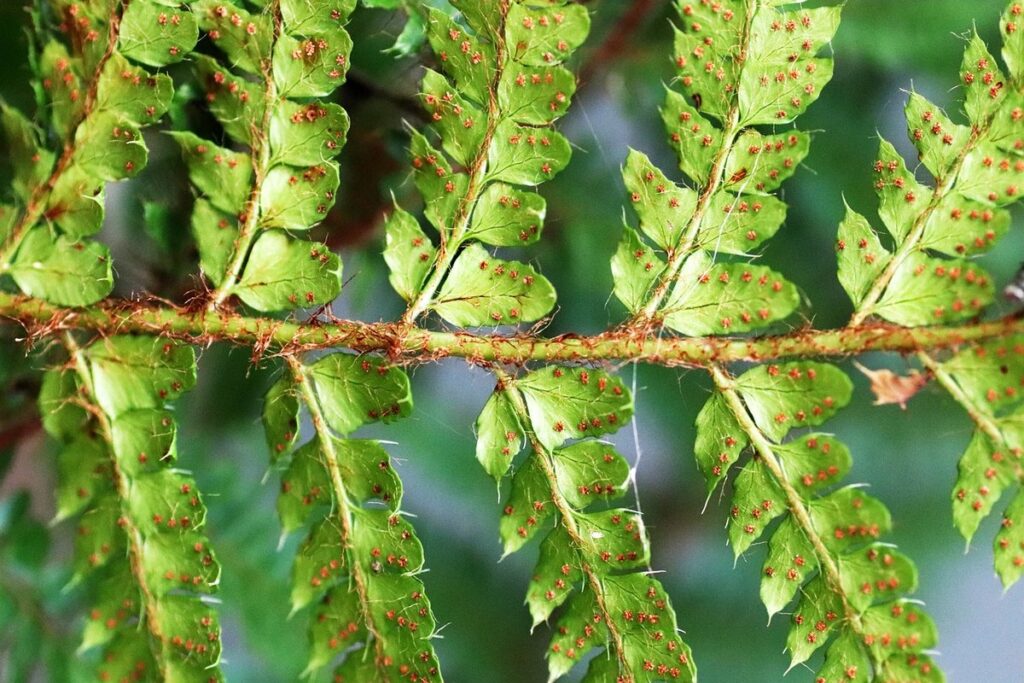
Understanding the Basics of Cuttings Propagation
To successfully propagate cuttings, it’s essential to grasp the fundamental concepts involved, including the different types of cuttings and their specific requirements. This section will cover those basics in detail.
What are Cuttings and Why Propagate Plants?
When gardeners talk about propagating plants, they often refer to cuttings as one of the most popular methods. So, what exactly are cuttings? Simply put, a cutting is a small section of a plant taken from a mature stem or branch that contains at least two nodes (the joint where the leaf meets the stem). This technique allows gardeners to reproduce plants with desirable traits such as growth habit, leaf shape, and even fragrance.
By propagating plants using cuttings, gardeners can replicate their favorite varieties, reduce costs associated with purchasing new plants, and enjoy a head start on growing season. One of the primary benefits of this method is that it allows for precise control over the genetics of the resulting plant. This means that gardeners can ensure consistent results and avoid any unwanted traits.
The process of taking cuttings has been refined over time to produce high success rates in many plants, including popular species like roses, African violets, and succulents.
Preparing for Cuttings: Choosing Healthy Mother Plants
When it comes to taking cuttings from mother plants, selecting healthy and suitable specimens is crucial for successful propagation. The first step is to inspect the plant’s overall health, looking for signs of disease, pests, or nutrient deficiencies. A robust and vigorous plant with a strong root system will produce healthier cuttings.
Consider the species you’re working with – some plants are more suitable for cutting than others. For example, softwood stem cuttings like those from fuchsia or petunia tend to root easily, while hardwood cuttings from shrubs like rosemary or lavender can be more challenging.
Timing is also essential; take cuttings during the active growing season when new growth is occurring. Avoid taking cuttings in winter months when plants are dormant. Be mindful of plant stress caused by extreme temperatures, drought, or waterlogging, which can impact cutting success. Inspect your mother plants regularly to ensure they remain healthy and thriving throughout the propagation process.
By carefully selecting suitable mother plants, you’ll increase the chances of successful cuttings and establish a strong foundation for healthy growth.
Types of Cuttings and Their Characteristics
When it comes to cuttings propagation, understanding the different types of cuttings and their specific requirements is crucial for success. There are three primary types of cuttings: stem, leaf, and root cuttings.
Stem cuttings are one of the most common methods used for plant propagation. These cuttings typically consist of a section of stem (around 10-20 cm long) with at least two nodes. They can be taken from woody plants like roses or deciduous trees, as well as herbaceous perennials like geraniums and fuchsias. The ideal conditions for rooting stem cuttings include high humidity, temperatures between 15-25°C (59-77°F), and bright but indirect light.
Leaf cuttings are a popular method for propagating plants like African Violets, Begonias, and Coleus. They can be taken from the leaves of mature plants or grown specifically for propagation. Leaf cuttings require more moisture than stem cuttings and should be placed in a humid environment to promote rooting.
Root cuttings involve taking sections of roots (usually around 10-15 cm long) from established plants. This method is often used for woody plants like fruit trees and shrubs. Root cuttings are typically planted deeper into the soil or medium than stem cuttings, with the node end buried about an inch deep.
Each type of cutting has its unique requirements and ideal conditions for successful propagation. By understanding these factors, you can increase your chances of success in cuttings propagation.
Preparing the Cutting Site
Before we start taking our cuttings, it’s essential to prepare the site where they’ll be rooted. This involves cleaning and disinfecting the area to prevent any potential diseases from spreading.
Cleaning and Sterilizing Tools
When handling cuttings, it’s essential to use clean and sterile tools to prevent the spread of diseases and ensure healthy growth. Before we move on to the actual cutting process, let’s prepare and sterilize our tools.
To begin, gather all necessary tools such as pruning shears or a sharp knife. Inspect each tool for any debris or dirt that may have accumulated during storage. A soft brush can be used to gently sweep away any loose particles from the blades or surfaces of the tools.
Next, sterilize your tools with a solution of 1 part bleach to 9 parts water. Dip the tools into the solution, making sure to submerge all areas, then let them air dry completely before use. Alternatively, you can use a tool sterilizer or disinfectant wipes specifically designed for plant propagation.
Some examples of tools that benefit from sterilization include:
• Pruning shears
• Sharp knives (for cutting roots and stems)
• Root clippers
• Propagation forceps
Making Cuts: The Right Techniques and Timing
When it’s time to make cuts, the quality of the cuttings you take will significantly impact the success of your propagation project. To ensure healthy and viable cuttings, pay attention to several key factors: cutting length, angle, and timing.
Cutting length is crucial; too short or too long can hinder the plant’s ability to develop roots successfully. Aim for 3-6 inches in most cases, but adjust according to the specific plant species you’re working with – some may require shorter or longer sections. For example, succulents tend to thrive on shorter cuttings (around 2-4 inches), while woody plants like rose bushes do well with slightly longer pieces.
The angle at which you make the cut also matters; a slight diagonal (about 20 degrees) allows for better wound healing and reduced stress on the cutting. This minor adjustment can significantly impact the plant’s ability to adapt and grow new roots.
Timing is another critical factor – it’s best to take cuttings during the morning when the plant has had time to absorb water but before it becomes too active. Avoid evening cuts, as they may encourage excess moisture retention within the cutting.
Planting the Cuttings
Now that you have prepared your cuttings, it’s time to plant them. This section will walk you through the step-by-step process of planting cuttings for successful propagation.
Soil Preparation and Potting Mixes
When it comes to cuttings propagation, selecting the right soil composition and potting mix is crucial for healthy root development. A well-balanced potting mix can provide the necessary nutrients, water retention, and aeration for your cuttings to thrive.
Look for a mix that contains a blend of peat moss, perlite, or vermiculite, which will help retain moisture while allowing excess water to drain. Avoid using regular garden soil as it can be too dense and may not provide the necessary oxygen for healthy root growth. You can also consider making your own potting mix by combining ingredients like coconut coir, compost, and perlite.
Some general guidelines for selecting a potting mix include:
* pH levels between 5.5 and 6.5
* Good water-holding capacity without being too wet or soggy
* Adequate drainage to prevent root rot
* Presence of beneficial microorganisms that support plant growth
Remember, the key is to create an environment that mimics the natural conditions of your plant’s native habitat. Experiment with different potting mixes and observe which one works best for your specific cuttings.
Watering and Humidity: Key Factors for Success
Watering and humidity play crucial roles in determining the success of the rooting process. When it comes to watering, the key is to strike a balance between providing enough moisture for the cutting to develop roots and not overwatering it, which can lead to rot and other problems.
To ensure proper hydration, water your cuttings when the soil feels dry to the touch, usually every 2-3 days during the initial stages. However, as the cutting develops roots, you’ll need to adjust this schedule. A good rule of thumb is to water only when the top inch of soil feels slightly damp.
Maintaining a suitable humidity level is equally important. This can be achieved through various means, such as placing the cuttings on a tray filled with water and pebbles or covering them with a clear plastic bag. Aim for a humid microclimate that’s between 50-70% relative humidity to facilitate healthy root development.
Monitor your cuttings closely and adjust their environment accordingly.
Environmental Conditions for Cuttings Propagation
To successfully propagate cuttings, you need to consider the specific environmental conditions that will encourage healthy root growth and prevent problems. We’ll cover these essential factors in detail below.
Lighting Requirements and Scheduling
When it comes to cuttings propagation, lighting plays a crucial role in promoting healthy growth and development. Different types of plants have varying lighting requirements, so it’s essential to understand these needs for optimal results.
For example, tropical plants like African Violets and Begonias prefer bright, indirect light with a photoperiod of 14-16 hours per day. On the other hand, succulents and cacti thrive in full sun or high-intensity lighting with a shorter photoperiod of 12-14 hours.
To schedule light exposure effectively, consider the following tips:
- Provide supplemental lighting for plants that require high light conditions but are unable to receive it due to their location.
- Use grow lights specifically designed for plant propagation, which emit minimal heat and UV radiation.
- Aim for a consistent photoperiod by adjusting the timing of your plant’s exposure to light and darkness.
Remember, inadequate or excessive lighting can hinder growth and even lead to root rot. By understanding and meeting the unique lighting needs of your plants, you’ll be well on your way to successful cuttings propagation.
Temperature Control and Root Development
Temperature control plays a crucial role in cuttings propagation, and it’s not just about keeping them warm. The ideal temperature range for most plant species is between 65°F to 75°F (18°C to 24°C), but some plants are more sensitive than others. For example, African Violets prefer temperatures between 60°F to 70°F (15°C to 21°C), while succulents can tolerate warmer conditions up to 80°F (27°C).
Maintaining the right temperature is vital for root development, as it affects the rate at which roots grow and develop. Root development occurs rapidly in a controlled environment with consistent temperatures between 65°F to 75°F (18°C to 24°C). If the temperature drops below this range, root growth slows down, and if it exceeds it, root rot may occur.
To ensure optimal root development, it’s essential to monitor the temperature in your propagation area. You can use a thermometer to check the temperature of the growing medium or provide supplemental heat using a heating mat or a warm location near a sunny window. By maintaining the right temperature, you’ll be able to promote healthy root development and increase the chances of successful cuttings propagation.
Common Challenges and Solutions in Cuttings Propagation
When it comes to cuttings propagation, you’ll inevitably encounter some bumps along the way. Let’s tackle common challenges and their practical solutions together, right here.
Overwatering, Underwatering, and More
When it comes to cuttings propagation, two common challenges that can trip up even the most experienced growers are overwatering and underwatering. Overwatering occurs when the soil is too moist for an extended period, causing roots to rot and increasing the risk of disease. On the other hand, underwatering means the soil is too dry for too long, which can lead to desiccation and failure of the cutting to root.
To avoid these pitfalls, it’s essential to strike the right balance between water and soil moisture. Check the soil daily by inserting your finger into the soil up to the first knuckle. If the soil feels moist but not waterlogged, you’re on the right track. Water only when the top 1-2 inches of soil feel dry. Keep in mind that this can vary depending on temperature, humidity, and light exposure.
Some plants are more forgiving than others, but most will respond well to a consistent moisture schedule. For example, if your plant prefers moist soil, water it once a week during the spring and summer months when it’s actively growing. During the fall and winter, reduce watering to once every 10-14 days. By paying attention to your plant’s specific needs and adjusting your watering schedule accordingly, you can overcome overwatering and underwatering challenges and achieve success with cuttings propagation.
Pests and Diseases: Prevention and Treatment
Pests and diseases can significantly affect the success of cuttings propagation. Some common pests that target cuttings include spider mites, mealybugs, and aphids. These pests feed on plant sap, weakening the cutting and preventing it from rooting properly.
To identify pests, inspect your cuttings regularly for any signs of infestation. Check for fine webbing, sticky substance, or actual insects on the leaves or stems. If you catch an infestation early, isolate the affected cutting to prevent further damage.
Diseases such as root rot, leaf spot, and bacterial wilt can also impact cuttings propagation. Prevention methods include providing adequate light, water, and temperature control. Use clean and disinfected tools when handling cuttings, and avoid overwatering.
Some common signs of disease include yellow or droopy leaves, soft or mushy stems, and black or brown spots on the leaves. If you notice any of these symptoms, treat the cutting with a fungicide or bactericide as soon as possible. For example, to prevent root rot, make sure the propagation medium is well-draining and avoid overwatering.
When treating diseased cuttings, be patient and monitor their progress closely. Some treatments may require multiple applications before showing results.
Conclusion and Next Steps
Now that you’ve successfully propagated your cuttings, it’s time to tie up loose ends and plan for their future growth. Let’s review what’s next for your newly rooted plants.
Recap of Key Takeaways
As we wrap up this comprehensive guide on cuttings propagation, let’s recap the key takeaways to ensure you’re equipped with the knowledge and skills needed to successfully propagate your favorite plants.
To get started, remember that proper preparation is crucial. This includes selecting healthy mother plants, preparing your cutting tools, and ensuring a clean environment for optimal growth. Don’t skip this step – it makes all the difference in the world!
Next, focus on taking high-quality cuttings from your chosen plant species. Pay attention to the ideal time for harvesting, the type of cuttings to take (e.g., stem, leaf, or root), and how to properly trim and prepare them for propagation.
When it comes to rooting hormones, don’t be afraid to use them – they can significantly boost your success rate! However, always follow the manufacturer’s instructions and apply them sparingly. This will help prevent over-stimulation of your cuttings.
Planting and aftercare are equally important. Make sure to plant your cuttings in a well-draining potting mix, water thoroughly, and maintain optimal humidity levels. Provide adequate light, temperature, and nutrient conditions for the new roots to develop – typically 1-3 months before you can expect your cuttings to be ready for transplantation.
To recap, here are some essential takeaways:
* Select healthy mother plants and prepare your tools and environment accordingly.
* Take high-quality cuttings at the right time, using the correct technique.
* Use rooting hormones judiciously for best results.
* Plant in a suitable potting mix with proper aftercare and conditions.
* Be patient – it may take 1-3 months for new roots to develop.
By remembering these key points and practicing good propagation techniques, you’ll be on your way to successfully propagating your favorite plants. Happy planting!
Frequently Asked Questions
How long does it take for cuttings to root?
The rooting time can vary depending on the plant species, temperature, humidity, and light conditions. As a general guideline, you can expect cuttings to start producing roots within 1-3 weeks after planting. However, some plants may take longer, up to 6 weeks or more.
Can I propagate all types of plants using cuttings?
Not all plants are suitable for propagation through cuttings. Some plants, like cacti and succulents, can be propagated through leaf or stem sections, while others require specialized techniques, such as division or grafting. Research the specific needs of your plant to determine if it’s a good candidate for cutting propagation.
How do I prevent overwatering when propagating cuttings?
Overwatering is one of the most common mistakes gardeners make when propagating cuttings. To avoid this, ensure that the soil mix has good drainage properties and water only when the top 1-2 inches of soil feels dry to the touch. Also, monitor the humidity levels in your propagation area, as high humidity can contribute to overwatering.
What is the ideal temperature range for cutting propagation?
The optimal temperature range for cutting propagation varies depending on the plant species. However, most plants prefer temperatures between 65°F (18°C) and 75°F (24°C). Avoid placing cuttings in areas with drafts or extreme temperature fluctuations, as this can shock the roots and reduce rooting success.
Can I propagate plants using cuttings during winter?
While it’s possible to propagate plants using cuttings year-round, the success rate may be lower during winter months due to cooler temperatures and reduced light. If you’re propagating during winter, ensure that your propagation area is consistently warm (above 65°F/18°C) and provide supplemental lighting if necessary.