
Are you ready to discover the secret superfood that’s taking the world by storm? Prickly pear cactus fruit is not only delicious, but it’s also packed with nutrients and has a multitude of uses. From its sweet and tangy taste to its impressive health benefits, this incredible fruit is being hailed as a game-changer in the culinary, industrial, and environmental spheres. But what exactly makes prickly pear so special? In this article, we’ll delve into the world of cactus fruit and explore its versatility, nutritional value, and the positive impact it’s having on our planet. We’ll cover everything from its uses in cooking and skincare to its potential as a sustainable solution for industrial applications. By the end of this journey, you’ll be convinced that prickly pear is the unsung hero of the plant kingdom!
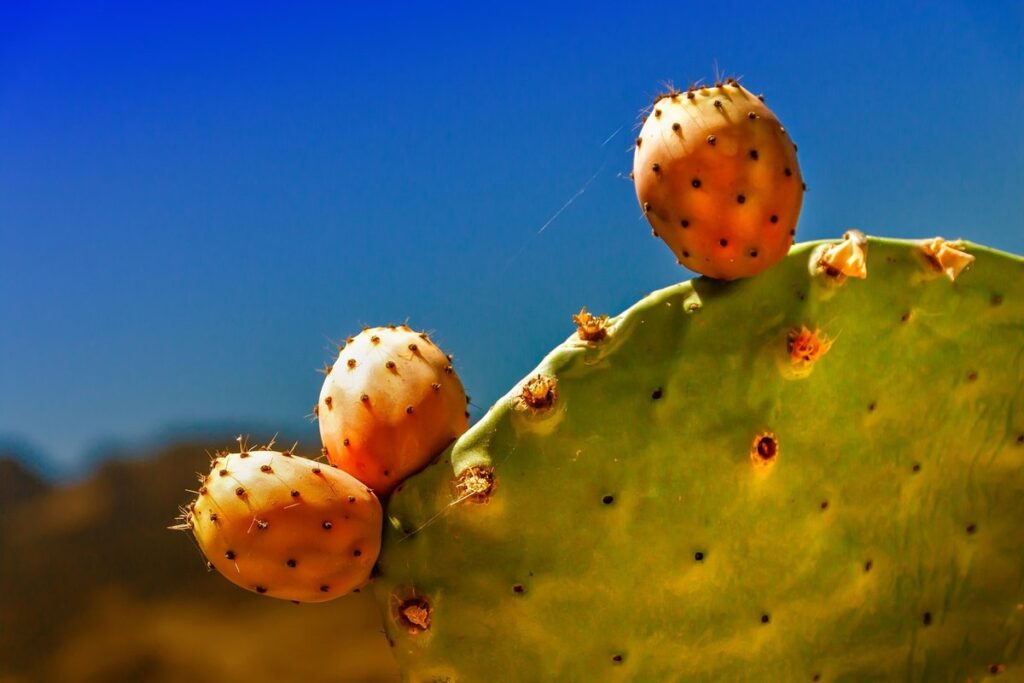
History and Origin of Prickly Pear Cactus
The prickly pear cactus has a rich history that spans over 3,000 years, originating in the Americas and later cultivated by ancient civilizations in the Mediterranean region. Let’s dive into its fascinating origin story.
Native Habitat and Distribution
The prickly pear cactus is native to the Americas, with a wide distribution across North and South America. You can find it growing wild in the deserts of Arizona, Texas, and California in the United States, as well as in Mexico, Central America, and parts of South America.
In its natural habitat, the prickly pear cactus thrives in dry, hot conditions with low humidity. It’s not surprising then that it’s commonly found in places like the Sonoran Desert, where temperatures can soar above 100°F (38°C) during the summer months. The cactus has adapted to these extreme conditions by developing its waxy stem and sharp spines, which help retain moisture and protect it from predators.
In terms of geographical distribution, the prickly pear cactus is found in a variety of environments, including rocky outcroppings, sandy dunes, and even urban areas. It’s not uncommon to see these plants growing alongside other desert flora like agave and ocotillo. By understanding where the prickly pear cactus grows naturally, you can begin to appreciate its hardiness and resilience in challenging environments.
Cultivation and Domestication
Prickly pear cacti have been cultivated and domesticated for centuries, with a rich history that spans across various cultures. In Mexico, the nopal (as it’s locally known) was a staple crop, used not only as a source of food but also as a medicinal plant. The indigenous people would harvest the pads, cook them, and eat them as a vegetable. They would also use the fruits to make jams, jellies, and even wine.
Today, the prickly pear cactus is grown commercially in many parts of the world, including the United States, Australia, and Europe. Its popularity stems from its adaptability to different climates and soil types, making it an ideal crop for farmers looking to diversify their offerings. To cultivate prickly pear cacti at home, you’ll need a warm and dry environment with plenty of sunlight. Start by transplanting the pads into well-draining soil, and make sure to water sparingly – overwatering can be detrimental to the plant’s health.
When selecting a variety for cultivation, look for ones that are high-yielding and disease-resistant. Some popular varieties include ‘Frosty’, ‘Gila’, and ‘Pincushion’. By following these tips and providing your prickly pear cactus with the right conditions, you’ll be able to enjoy its delicious fruits and explore their numerous health benefits.
Nutritional Value and Health Benefits of Prickly Pear Cactus Fruit
The prickly pear cactus fruit is not only a delicious addition to your diet, but it’s also packed with nutrients that can have a significant impact on your overall health. Let’s dive into its nutritional value and explore some of its key health benefits.
High-Fiber Content and Digestive Health
Prickly pear cactus fruit is an excellent source of dietary fiber, containing both soluble and insoluble fibers. According to a study published in the Journal of Food Science, prickly pear cactus fruit contains approximately 4 grams of dietary fiber per 100 grams serving (1). This high fiber content makes it an effective natural remedy for digestive issues such as constipation, diarrhea, and irritable bowel syndrome (IBS).
Adequate fiber intake has been shown to promote regular bowel movements, prevent diverticulitis, and support healthy gut bacteria. The soluble fibers in prickly pear cactus fruit, particularly pectin and mucilage, also help soothe digestive issues by forming a protective barrier over the stomach lining.
To incorporate more high-fiber prickly pear cactus fruit into your diet, try adding it to salads, smoothies, or baking recipes as a substitute for refined sugars. The sweet-tart flavor of prickly pear cactus fruit pairs well with fruits like strawberries and blueberries, making it an excellent addition to homemade jams and preserves.
When using prickly pear cactus fruit for digestive health, start by incorporating small amounts into your diet and gradually increase the serving size as needed.
Antioxidant Properties and Anti-Inflammatory Effects
Prickly pear cactus fruit is an excellent source of antioxidants and anti-inflammatory compounds that can help prevent chronic diseases. The high concentration of vitamins C and E, as well as beta-carotene, makes it a powerful tool against oxidative stress. Studies have shown that consuming prickly pear extract can increase the levels of glutathione, a vital antioxidant in the body, thus protecting cells from damage.
The anti-inflammatory effects of prickly pear cactus fruit are also noteworthy. Flavonoids and betalains present in the fruit have been found to reduce inflammation and alleviate symptoms associated with conditions like arthritis and gout. These compounds can also help mitigate oxidative stress, which is often a precursor to chronic diseases such as heart disease, diabetes, and cancer.
Incorporating prickly pear cactus fruit into your diet may not only add flavor but also provide a range of health benefits. Try adding it to salads or smoothies, or use its extract in cooking. If you’re interested in harnessing the antioxidant and anti-inflammatory properties of prickly pear cactus fruit, consider consulting with a healthcare professional about proper dosages and preparation methods.
Prickly pear cactus fruit is also rich in beta-carotene, which converts to vitamin A in the body and helps protect vision health. Additionally, its high water content makes it an excellent choice for those looking to hydrate while promoting overall well-being.
Culinary Uses of Prickly Pear Cactus Fruit
You’ll be delighted to learn that prickly pear cactus fruit is not only a stunning addition to any dish, but also packed with flavor and versatility in cooking. From jams to savory sauces, its uses are endless!
Traditional Cuisine in Mexico and Central America
In Mexico and Central America, prickly pear cactus fruit has been a staple ingredient in traditional cuisine for centuries. Its sweet and slightly tangy flavor makes it an excellent addition to various dishes, from sweet treats like jams and jellies to savory salads and sauces.
One of the most popular ways to enjoy prickly pear cactus fruit is through its incorporation into traditional Mexican desserts like jam, jelly, and preserves. These sweet concoctions are often served as a topping for yogurt, ice cream, or even used as a filling for cakes and pastries. In some regions of Mexico, prickly pear cactus fruit is also pickled in vinegar and spices to create a tangy condiment that’s perfect for adding flavor to tacos and other dishes.
To incorporate prickly pear cactus fruit into your own cooking, start by trying it as a topping for salads or yogurt parfaits. Simply slice the fruit thinly and combine it with mixed greens, crumbled cheese, and a drizzle of honey for a delicious and refreshing side dish. You can also use the fruit to make homemade jams and jellies – simply puree the cooked fruit with sugar and pectin, and cook until set.
When shopping for prickly pear cactus fruit, look for it at local farmers’ markets or specialty stores that carry Mexican ingredients. Be sure to handle the fruit carefully, as the spines can be quite sharp. Once you’ve harvested your prickly pear cactus fruit, peel off the outer layer and scoop out the edible pulp to use in your favorite recipes.
Modern Recipes and Innovations
Prickly pear cactus fruit is no longer just a staple of traditional Mexican cuisine; it has become a trendy ingredient in modern cooking. Chefs and home cooks alike are experimenting with its sweet and tangy flavor, versatility, and nutritional benefits.
One popular innovation is the use of prickly pear puree as a natural food coloring and flavor enhancer. Many restaurants now offer dishes featuring pink-hued sauces, sorbets, and cocktails made possible by this vibrant ingredient. For example, try adding a splash of prickly pear puree to your favorite BBQ sauce or salsa for an instant flavor boost.
Another trend is incorporating prickly pear into sweet treats like jams, jellies, and desserts. Bakers are using the fruit’s natural sweetness to create unique flavors like prickly pear cactus fruit cake, muffins, and even ice cream. You can also try making your own prickly pear syrup by blending the fruit with a touch of sugar and water – perfect for topping pancakes or waffles.
As its popularity continues to grow, we’re seeing more creative uses for prickly pear in everything from savory sauces to refreshing beverages. With its mild flavor and numerous health benefits, this cactus fruit is sure to be a staple in modern cooking for years to come.
Industrial and Cosmetic Applications
Beyond its culinary uses, the prickly pear cactus fruit also holds significant value in various industries, including cosmetics and manufacturing. Let’s explore some of these industrial applications up close.
Jam and Jelly Production
Making jam and jelly from prickly pear cactus fruit is a process that requires careful attention to detail. The first step involves harvesting the fruits, which are typically done between May and October, depending on the region and climate. The cactus fruits must be carefully hand-picked to avoid damaging them.
Once harvested, the fruits need to be washed and cleaned before being cooked down with sugar and pectin to create a sweet and tangy jam or jelly. Industry trends suggest that many producers are now using more sustainable methods of production, such as cold-pressing or mechanical extraction, which help preserve the fruit’s natural flavors and nutrients.
When making prickly pear jam or jelly, it’s essential to note that the cactus fruit has a high water content, which can make the cooking process longer. To combat this, some producers use a combination of sugar and pectin to thicken the mixture quickly. In fact, studies have shown that adding a small amount of agar agar, a natural gelling agent derived from red algae, can enhance the jam or jelly’s texture and shelf life.
Skincare and Cosmetics
Prickly pear cactus extract has gained significant attention for its potential benefits in skincare products. Its unique composition and properties make it an attractive ingredient for addressing various skin concerns. Rich in antioxidants, vitamins A and E, and minerals like magnesium and potassium, prickly pear extract can help to soothe and calm irritated skin.
One of the key benefits of using prickly pear cactus extract in skincare is its ability to reduce inflammation and improve skin elasticity. This makes it an excellent ingredient for anti-aging products, helping to minimize fine lines and wrinkles. Furthermore, its antioxidant properties can help protect the skin from environmental stressors and damage caused by free radicals.
Many skincare brands now incorporate prickly pear cactus extract into their formulations, citing improved skin texture and reduced appearance of pores as benefits. If you’re looking to harness these benefits in your own skincare routine, consider seeking out products that feature prickly pear cactus extract as a key ingredient.
Environmental Significance and Potential Threats
As you consider incorporating prickly pear into your lifestyle, it’s essential to understand the environmental impact of its cultivation and harvesting, as well as potential threats to its future. Let’s take a closer look at these factors together.
Carbon Sequestration and Ecosystem Services
Prickly pear cacti play a vital role in maintaining ecosystem services and supporting carbon sequestration. These plants are incredibly effective at storing carbon dioxide from the atmosphere, with some studies suggesting that they can absorb up to 12 tons of CO2 per hectare over a 100-year period.
In addition to their carbon-sequestering abilities, prickly pear cacti also provide essential ecosystem services such as soil stabilization and erosion control. Their extensive root systems help to hold the soil in place, preventing landslides and maintaining soil quality. This is particularly important in arid regions where the soil can be easily eroded.
By incorporating prickly pear cacti into your landscape or garden, you can not only enjoy their medicinal and culinary benefits but also contribute to a healthier environment. To maximize their ecosystem services, choose varieties that are native to your region and plant them in areas with poor soil quality. Regular watering and maintenance will also help these plants thrive.
Prickly pear cacti also support biodiversity by providing habitat for various animals and insects. Their flowers attract pollinators like bees and butterflies, while their fruits offer sustenance for birds and small mammals. By promoting the growth of prickly pear cacti, you can help create a more diverse and resilient ecosystem.
Climate Change and Invasive Species Concerns
Climate change is a pressing concern that affects ecosystems worldwide. Rising temperatures and altered precipitation patterns can lead to droughts, increasing stress on plants like the prickly pear cactus. This may cause weakened defenses against invasive species. In some regions, non-native animals such as feral pigs or deer outcompete native herbivores for food sources, potentially damaging prickly pear habitats.
Drought-tolerant and adaptable plants, prickly pear is also known to be a highly sought-after food source by various wildlife species. However, its benefits can also come with drawbacks when it comes to invasive species. For example, the introduction of feral sheep in parts of Europe has led to an increase in prickly pear consumption. While this may seem beneficial at first glance, it can ultimately lead to overgrazing and degradation of native ecosystems.
To address these concerns, consider adopting sustainable land management practices when cultivating prickly pear for food or other purposes. This includes controlling invasive species populations through humane methods and ensuring that your cactus is not contributing to the issue by producing excessive fruit. By being mindful of these environmental implications, you can help preserve both the prickly pear cactus and its native habitats.
Frequently Asked Questions
How do I grow my own prickly pear cactus at home?
Growing your own prickly pear cactus is a rewarding experience, but it requires the right conditions. Make sure to provide your plant with full sun and well-draining soil, as it’s native to dry regions. Water sparingly, allowing the soil to dry completely between waterings. With proper care, you’ll be harvesting fresh fruit in no time.
Can I use prickly pear cactus fruit for skincare?
Prickly pear cactus is a rich source of antioxidants and has anti-inflammatory properties, making it an excellent ingredient for skincare products. You can extract the oil from the seeds or use the pulp as a face mask to nourish and protect your skin. Be sure to do a patch test before using any new product, especially if you have sensitive skin.
Is prickly pear cactus fruit suitable for people with dietary restrictions?
Prickly pear cactus is naturally gluten-free and low in calories, making it an excellent option for those following a gluten-free or low-carb diet. However, it’s essential to note that some products may be processed in facilities that handle allergens, so always check the label.
How can I incorporate prickly pear cactus into my existing recipes?
Prickly pear cactus has a unique flavor profile, often described as sweet and tangy. You can use it as a substitute for watermelon or honeydew melon in salads or smoothies. Try adding it to your favorite jam or jelly recipe for a boost of antioxidants.
Is prickly pear cactus cultivation sustainable?
Prickly pear cactus is an excellent example of a sustainable crop, as it’s highly drought-resistant and can thrive in poor soil conditions. This makes it an attractive option for farmers looking to reduce their water usage and environmental impact. By cultivating prickly pear cactus, you’re not only producing a delicious fruit but also contributing to a more environmentally friendly agricultural practice.