
Tomato growers know that one wrong move can lead to devastating losses. Tomato diseases and pests are a constant threat, causing frustration and financial strain on your farm or garden. But you don’t have to accept defeat. With integrated pest management strategies, cultural controls, and biological methods, it’s possible to prevent and manage these issues effectively. In this article, we’ll explore the common tomato diseases and pests that plague growers like you, and show you how to tackle them using a combination of prevention and treatment techniques. We’ll cover everything from avoiding overwatering and pruning for air circulation, to introducing beneficial insects and using targeted pesticides judiciously. By the end of this article, you’ll have a comprehensive toolkit to keep your tomatoes healthy and thriving all season long.
Understanding Tomato Diseases
Tomato diseases can be devastating, which is why understanding their causes and symptoms is crucial for a successful harvest. Let’s dive into the world of tomato diseases.
Common Types of Tomato Diseases
One of the most significant challenges tomato farmers face is the occurrence of diseases that can decimate their crops. Among these common types of tomato diseases are Early Blight, Septoria Leaf Spot, and Verticillium Wilt, which are prevalent due to factors like excessive moisture, poor soil quality, and inadequate crop rotation.
Early Blight is a fungal disease caused by Alternaria solani that affects the lower leaves first, often with a grayish or brownish powdery growth. It’s highly contagious and can spread quickly through contaminated tools and irrigation water. Septoria Leaf Spot, on the other hand, is caused by Septoria lycopersici, characterized by small, circular spots that turn yellow before falling off. Both diseases weaken the plant’s immune system, making it vulnerable to other infections.
Verticillium Wilt is a more severe disease caused by Verticillium spp., which clogs the plant’s vascular system and can kill it within weeks if left untreated. It often occurs when tomato plants are grown in soil with contaminated debris or poor drainage. To control these diseases, it’s essential to maintain good hygiene practices, rotate crops regularly, and use resistant cultivars whenever possible.
Factors Contributing to Disease Development
Environmental factors play a significant role in the development of tomato diseases. Temperature fluctuations are particularly problematic for tomatoes, as they thrive best within a narrow temperature range of 65-70°F (18-21°C). Prolonged exposure to temperatures above 75°F (24°C) can cause physiological stress, making plants more susceptible to disease.
High humidity levels also contribute to the spread of fungal diseases like powdery mildew and early blight. These fungi thrive in moist environments, releasing spores that can easily infect nearby plants. Maintaining good air circulation around tomato plants can help mitigate this issue.
Soil pH is another critical factor influencing tomato health. Tomato plants prefer slightly acidic to neutral soil with a pH between 6.0-7.0. If the soil’s pH deviates from this range, it can lead to nutrient deficiencies and increased susceptibility to disease. Similarly, inadequate nutrient supply can weaken plants, making them more vulnerable to infection.
Maintaining optimal temperature, humidity, and soil conditions is crucial for preventing tomato diseases. By understanding these environmental factors and taking steps to mitigate their negative effects, you can significantly reduce the risk of disease development in your tomato crops.
The Role of Crop Rotation and Sanitation in Preventing Diseases
Crop rotation is a simple yet effective way to break disease cycles and maintain soil health. By rotating tomato varieties with non-host crops, you can reduce the risk of disease buildup. For example, planting tomatoes after a crop like beans or peas can help reduce the likelihood of diseases like fusarium wilt and powdery mildew. These non-host crops can act as a “clean-up” crew, taking up residual pathogens in the soil.
Sanitation is equally important in preventing the spread of diseases. A clean growing environment means fewer opportunities for disease-causing organisms to thrive. Regularly remove weeds, debris, and infected plants from your garden to reduce the risk of disease transmission. Also, make sure to disinfect tools and equipment between uses, and avoid overcrowding your tomato plants.
In addition to these practices, maintaining good soil health through crop rotation and sanitation can also improve the overall resilience of your tomato crops. By creating a balanced ecosystem, you can promote beneficial microbial activity that helps suppress disease-causing pathogens. This holistic approach not only reduces the risk of diseases but also contributes to a healthier and more productive garden.
Identifying Tomato Pests
Tomato pests can be a real headache for gardeners, which is why it’s essential to know how to identify common culprits like aphids and hornworms. Let’s take a closer look at some of the most notorious tomato pests.
Common Insect Pests Affecting Tomatoes
Tomatoes are one of the most widely cultivated crops globally, but they’re also susceptible to various insect pests. Four common insect pests that can wreak havoc on tomato yields are Hornworms, Aphids, Whiteflies, and Spider Mites.
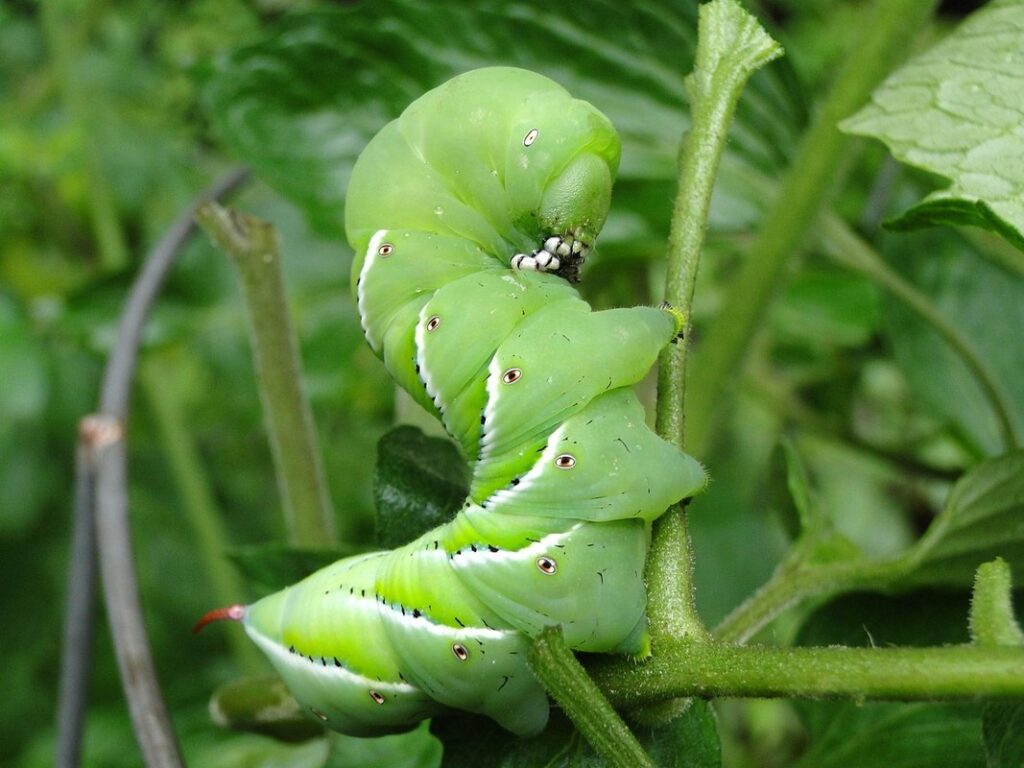
Hornworms (Manduca quinquemaculata) are large green caterpillars that feed on tomato leaves, stems, and fruits. They’re known for their distinctive horn-like protrusion on each segment of their body. If left unchecked, Hornworm populations can reach alarming levels, causing significant damage to crops.
Aphids (Aphis gossypii) are small, soft-bodied insects that feed on plant sap, weakening tomato plants. Whiteflies (Trialeurodes vaporariorum), on the other hand, secrete a sticky substance called honeydew as they feed on plant juices. This can attract ants and promote fungal growth.
Spider Mites (Tetranychus urticae) are tiny, eight-legged arachnids that feed on plant sap, causing yellowing leaves and stunted growth. Regularly inspect your tomato plants for signs of these pests, and use integrated pest management techniques to minimize their impact.
Rodents and Other Small Animals as Tomato Pests
Rodents and other small animals can cause significant damage to tomato plants and fruit. These pests often go unnoticed until the damage is extensive, leading to reduced yields and poor-quality produce. Rodents, such as mice, rats, and voles, feed on tomato fruits, leaves, and stems, causing holes, nibbles, and even complete destruction of plants.
Squirrels, rabbits, and other small animals may also target tomato crops, especially if they’re easily accessible. For example, a study in California found that rodents damaged over 20% of the state’s tomato crop in one year alone. To prevent infestations, growers can use rodent-proof fencing around their fields or gardens. It’s essential to clean up debris and weeds regularly, as these attract rodents.
To control rodent populations, consider using humane traps or repellents containing predator scents. Keep your garden free of standing water, which can attract rodents. Also, avoid planting tomato varieties in areas with high rodent activity. By taking proactive measures, you can minimize the damage caused by these small pests and protect your valuable tomato crop.
The Importance of Integrated Pest Management (IPM) in Tomato Crops
Integrated Pest Management (IPM) is a holistic approach to managing tomato pests that combines physical, cultural, biological, and chemical controls. At its core, IPM emphasizes using the least toxic methods to prevent pest infestations, thereby reducing the impact on the environment, human health, and crop quality.
To apply IPM in your tomato crops, start by monitoring for pest signs and identifying the specific pests affecting your plants. This information will help you determine the most effective control methods. For example, if you notice aphids on your tomatoes, introducing beneficial insects like ladybugs or lacewings can provide a natural solution. If the infestation is more severe, using neem oil or insecticidal soap as a targeted chemical treatment may be necessary.
IPM also involves implementing cultural controls such as crop rotation, pruning, and maintaining good hygiene in the garden. Biological controls, like introducing beneficial microorganisms to the soil, can also help promote a balanced ecosystem that resists pest attacks. By adopting an IPM approach, you’ll not only reduce your reliance on chemical pesticides but also create a more sustainable and resilient tomato-growing environment.
Diagnosing and Managing Tomato Diseases
Now that we’ve discussed causes and symptoms, let’s dive into diagnosing and managing tomato diseases to help you save your plants. We’ll cover common indicators and treatment options for a healthy harvest.
Recognizing Symptoms and Causes of Common Tomato Diseases
Recognizing symptoms of common tomato diseases is crucial for effective management. Leaf spot diseases, such as Septoria leaf spot and early blight, cause yellowing leaves with circular lesions. These diseases are often caused by high humidity, poor air circulation, and excessive moisture on the foliage.
Fungal diseases like powdery mildew result in a white, powdery coating on leaves, while bacterial canker causes sunken, wet spots on stems. Viral diseases like tobacco mosaic virus cause mottled or yellowing leaves with distorted growth.
To diagnose these diseases, inspect plants regularly and monitor for signs of stress. Keep a record of weather patterns, watering schedules, and fertilization practices to identify potential contributing factors. Consider using integrated management strategies that combine physical removal of infected tissue, cultural controls like pruning, and chemical treatments as needed.
It’s essential to identify the specific disease to choose the most effective control method. Consult with local nurseries or extension services for guidance on managing diseases specific to your region and climate.
Using Crop Monitoring and Scouting to Detect Disease Development Early
Crop monitoring and scouting are crucial steps in detecting disease development early on. Regular inspections enable you to identify potential problems before they become full-blown diseases, allowing for swift intervention and minimizing the need for chemical applications.
When conducting crop monitoring, keep an eye out for visual signs of disease such as yellowing leaves, black spots, or powdery mildew. Look for areas with higher disease pressure and investigate the underlying causes. Factors like weather patterns, soil conditions, and nearby water sources can all contribute to disease development.
By monitoring your crops regularly, you can detect diseases early on. For instance, a fungal infection may start as small patches on a single leaf but rapidly spread if left unchecked. Early detection enables targeted interventions such as removing infected plants or using fungicides only when necessary.
Some simple steps to implement effective crop scouting include:
• Regularly walking through your fields at least once a week
• Taking detailed notes of any observed issues and tracking their progress over time
• Using digital tools like smartphone apps for disease identification
• Creating an action plan in case you spot signs of disease
Biological Control Methods for Tomato Diseases
When it comes to managing tomato diseases, many gardeners are turning to biological control methods as a safe and effective alternative to chemical pesticides. Biological control involves using beneficial microorganisms and natural predators to control pests and diseases.
For example, certain strains of bacteria such as Bacillus subtilis and Pseudomonas fluorescens can be used to control fungal diseases like powdery mildew and leaf spot. These beneficial microbes produce antibiotics that inhibit the growth of pathogens. You can apply them directly to the soil or leaves using a sprayer.
Another example is Trichoderma harzianum, a fungus that colonizes plant roots and prevents root rot by competing with pathogenic fungi for resources. It’s available in various forms including powders and liquid concentrates.
However, biological control methods have some limitations. They may require repeated applications to achieve desired results, and their effectiveness can vary depending on the severity of the disease. Additionally, these methods may not be suitable for large-scale commercial farming due to costs and logistics constraints.
To use biological control effectively, it’s essential to understand the life cycle of the pest or disease you’re trying to manage and select a compatible beneficial organism.
Managing Tomato Pests Effectively
To keep those pesky tomato pests under control, we’ll explore practical methods for identifying and managing common infestations effectively. This includes both natural and chemical solutions to help you grow healthy tomatoes.
The Role of Cultural Controls in Preventing Pest Infestations
Proper crop management is essential for preventing pest problems in tomato plants. One of the most effective ways to prevent pest infestations is through cultural controls, which involve modifying the growing conditions and practices to make the environment less conducive to pest growth.
Pruning is a crucial aspect of cultural control that helps in preventing pest infestations. Regular pruning not only promotes healthy plant growth but also removes weeds and diseased tissues where pests like hornworms, aphids, or whiteflies often thrive. By maintaining a clean and well-pruned garden, you can reduce the likelihood of pests taking over your tomato plants.
Watering practices also play a significant role in preventing pest infestations. Consistent moisture levels can attract pests that are drawn to water sources. Irrigate your tomatoes deeply but infrequently to encourage deep root growth and make them more resistant to drought stress, thereby reducing their attractiveness to pests.
Fertilizing your tomato plants with organic matter like compost or manure tea promotes soil health, which in turn boosts the plant’s natural defense mechanisms against pests. By incorporating these cultural controls into your gardening routine, you can significantly reduce the risk of pest infestations and maintain a healthy tomato crop throughout the growing season.
Using Traps and Barriers to Control Insect Pests
When it comes to managing tomato pests effectively, using traps and barriers is a simple yet effective method to capture and eliminate pest populations. Sticky traps are a popular choice for controlling insect pests like aphids, whiteflies, and spider mites. These traps work by coating the surface with a sticky substance that prevents the pests from escaping once they land on it.
Yellow traps, on the other hand, use UV light to attract pests, making them easier to capture. The yellow color is particularly effective in attracting flies and beetles, which are common tomato pests. By placing these traps near infested areas or in strategic locations around your garden, you can significantly reduce pest populations.
In addition to sticky and yellow traps, other types of traps like pitfall traps and bait traps can also be used to control insect pests. For example, pitfall traps involve digging a shallow pit filled with water or a non-toxic liquid that captures pests when they fall in. By using these traps in combination with other control methods, you can create an effective pest management strategy for your tomato garden.
Biological Control Methods for Tomato Pests
When it comes to managing tomato pests, many gardeners turn to biological control methods as a sustainable and environmentally-friendly solution. At its core, biological control involves introducing natural predators or parasites that prey on the target pest population. This approach mimics nature’s own way of controlling pest populations, making it an attractive option for those looking to reduce their reliance on chemical pesticides.
One example of a successful biological control method is the use of ladybugs to control aphid populations. Ladybugs are voracious predators that feed exclusively on aphids, making them a popular choice among gardeners. Similarly, introducing parasitic wasps can help control whitefly and thrip populations. These tiny wasps lay their eggs inside the pest’s body, ultimately killing it.
The benefits of biological control methods are numerous: they are non-toxic to humans, pets, and other beneficial insects; they promote biodiversity in your garden ecosystem; and they often provide long-term results with minimal maintenance required. However, there are limitations to consider – biological control methods can be unpredictable, requiring patience and a willingness to adapt to changing circumstances. It’s also essential to ensure that the introduced predator or parasite is compatible with other beneficial insects in your garden.
Prevention and Management Strategies
To grow healthy, disease-free tomatoes, it’s essential to know how to prevent common issues and manage existing problems effectively through proper techniques. Let’s explore some effective prevention and management strategies.
Developing a Comprehensive Pest Management Plan
Developing a comprehensive pest management plan is crucial for maintaining a healthy tomato crop. It’s not just about using chemical pesticides; it’s about integrating physical, cultural, biological, and chemical controls to prevent infestations from the start. This multi-faceted approach helps minimize damage, reduces chemical usage, and promotes a balanced ecosystem.
Start by identifying potential pests in your area, such as hornworms, aphids, or whiteflies, and understand their life cycles. Use physical barriers like fine mesh or row covers to prevent them from reaching your plants. Implement cultural controls like crop rotation, sanitation practices, and pruning techniques to reduce the risk of infestation.
Biological controls can also be effective, such as introducing natural predators or parasites that target specific pests. For example, lady beetles prey on aphids, while lacewings feed on hornworms. Chemical controls should only be used as a last resort, after considering the risks and benefits. Always follow integrated pest management (IPM) guidelines to ensure the most effective and environmentally friendly solution for your tomato crop.
Regular Monitoring and Record-Keeping for Effective Pest Management
Regular monitoring and record-keeping are crucial components of effective pest management for tomato crops. By tracking pest populations and disease development over time, you can inform management decisions and make data-driven choices to optimize crop yields.
Start by setting up a regular monitoring schedule, checking your plants at least once a week during peak growth periods. Look for signs of pests such as whiteflies, aphids, or hornworms, and diseases like early blight or fusarium wilt. Use sticky traps, yellow traps, or pheromone traps to capture and identify pests.
Keep a record book or use a digital tool to log your observations, noting the date, time, and severity of any issues. This will help you track patterns and trends in pest populations and disease development over time. For example, if you notice that whiteflies are more prevalent during periods of high temperatures and humidity, you can adjust your management strategies accordingly.
By combining regular monitoring with record-keeping, you’ll be able to identify areas where control measures are most needed, adjust treatments as necessary, and make informed decisions about crop management. This will ultimately lead to healthier, more productive tomato plants.
IPM Implementation and Evaluation in Tomato Crops
Implementing Integrated Pest Management (IPM) strategies is crucial for managing tomato diseases and pests effectively. IPM involves a holistic approach to pest control, considering the entire ecosystem of the crop. When implementing IPM in tomato crops, it’s essential to start with a thorough understanding of the specific pests and diseases affecting your particular variety.
Begin by monitoring your crop regularly, checking for signs of infestation or infection. This can include weekly visual inspections, as well as using traps or sensors to detect pest activity. By doing so, you’ll be able to identify problems early on and take corrective action before they spread.
Continuous monitoring and evaluation are key components of IPM. Regular assessments help optimize pest management practices, ensuring that control methods are targeted and effective. For instance, if a particular pesticide is found to be ineffective against a specific pest, it can be replaced with a more suitable alternative. By continually evaluating your approach, you’ll be able to refine your strategies and improve crop yields over time.
When implementing IPM, consider the following:
* Use a combination of control methods, such as cultural controls (e.g., pruning or sanitation), biological controls (e.g., introducing beneficial insects), and chemical controls (e.g., targeted pesticides).
* Monitor and record pest activity, including frequency, severity, and any changes in population dynamics.
* Adjust your strategies based on data collected from monitoring efforts.
Conclusion
In conclusion, managing tomato diseases and pests requires a multi-faceted approach. Regular monitoring of your plants is key to identifying issues early on. Look out for common symptoms such as yellowing leaves, black spots, or white powdery coatings. By recognizing these signs, you can take swift action to prevent the problem from spreading.
To effectively control tomato diseases and pests, it’s essential to adopt a combination of prevention methods. These include crop rotation, sanitation practices, and the use of physical barriers. For example, removing weeds and debris from around your plants helps reduce the risk of disease transmission. By implementing these measures consistently, you can significantly minimize the impact of tomato diseases and pests on your harvest.
Remember, it’s always better to err on the side of caution when dealing with potential threats to your tomato crop.
Frequently Asked Questions
Can I use a single treatment to control multiple types of tomato diseases?
While there are some integrated pest management (IPM) products that can address multiple pests or diseases, it’s often best to tailor your approach to the specific issue you’re facing. This ensures you’re targeting the root cause of the problem and minimizing the risk of resistance development. For example, a fungicide may be effective against Early Blight but not necessarily against Septoria Leaf Spot.
How long does it take for integrated pest management strategies to show results?
The effectiveness of IPM strategies can vary depending on several factors, including the severity of the infestation, the chosen methods, and the level of implementation. However, with consistent effort, you can expect to see improvements in as little as 1-2 weeks after introducing beneficial insects or adjusting your cultural controls.
What’s the best way to monitor my tomato crop for signs of disease?
Regular monitoring is crucial in detecting early symptoms of disease. Inspect your plants at least once a week, looking out for any unusual growth patterns, yellowing leaves, or black spots on fruit. Pay particular attention to areas with high humidity and temperature fluctuations.
Can I use companion planting as an effective biological control method?
Companion planting can be a useful addition to your IPM strategy, but it should not be relied upon solely. Certain plants, such as basil and marigold, have natural properties that repel pests or attract beneficial insects. However, their effectiveness may vary depending on factors like soil quality, climate, and pest population density.
How do I know if my tomato crop is too dense for proper air circulation?
Tomato plants require adequate spacing to ensure good air circulation, which helps prevent diseases like Early Blight and Septoria Leaf Spot from taking hold. A general rule of thumb is to space your plants 2-3 feet apart, depending on the variety. If you notice leaves touching or overlapping, it’s likely that your crop needs more space to breathe.