
Tomato blight is one of the most dreaded diseases that can devastate your prized crop. It’s a fungal disease that can spread rapidly, causing significant losses in yield and even killing off entire plants. But fear not! With the right knowledge and techniques, you can take proactive steps to prevent tomato blight from taking over your garden.
In this article, we’ll explore the most effective methods for preventing tomato blight through crop rotation, soil preparation, and biological controls. We’ll dive into the importance of crop rotation in breaking disease cycles, how to prepare your soil for a healthy start, and the role of beneficial microbes in keeping your plants safe from infection. By implementing these strategies, you can save your crops from this devastating disease and enjoy a bountiful harvest all season long.
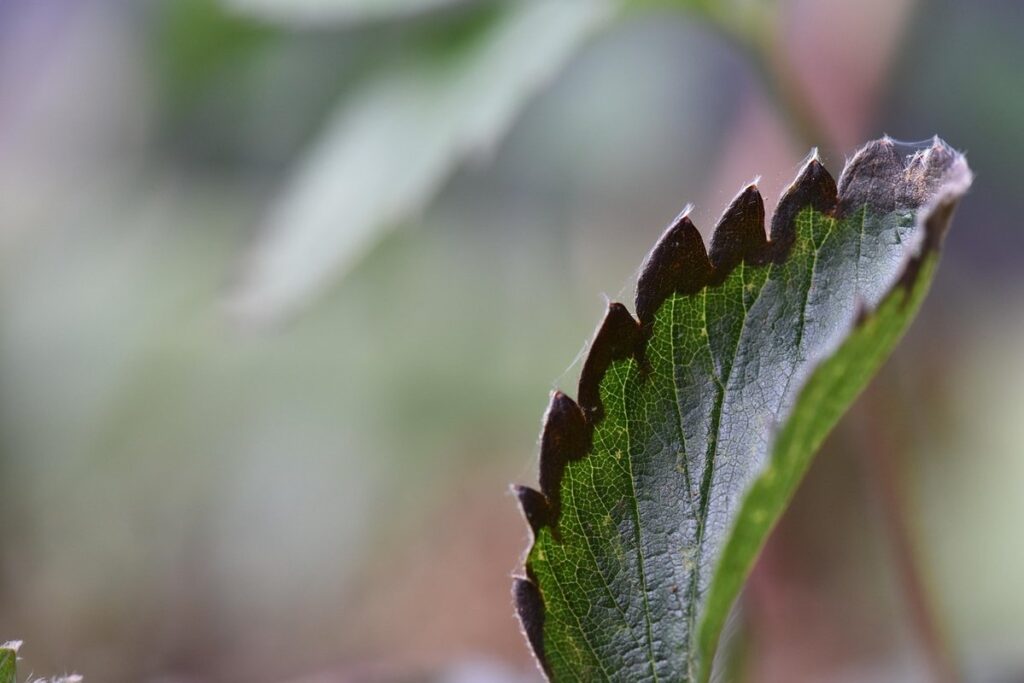
Understanding Tomato Blight
Let’s dive into what causes tomato blight, a critical factor in preventing its occurrence in your garden. We’ll explore the underlying reasons behind this common issue.
What is Tomato Blight?
Tomato blight is one of the most common and destructive diseases that affect tomato crops worldwide. It’s caused by a group of fungi known as Phytophthora and Septoria, which thrive in moist environments and can spread quickly through water splashes or contaminated tools. When a tomato plant contracts tomato blight, it can lead to significant losses in yield and quality. The symptoms often appear as yellowing leaves, black spots on the fruit, and the eventual collapse of the plant.
To understand how tomato blight affects crops, consider this: a single infected plant can spread spores to neighboring plants through water droplets or contaminated soil, leading to widespread infection. In severe cases, entire fields can be wiped out in just a few days. Factors like warm temperatures, high humidity, and poor air circulation contribute to the severity of the blight.
To prevent tomato blight, it’s essential to understand its causes and symptoms. Regular monitoring of your crops, proper sanitation techniques, and using resistant varieties are key strategies for minimizing the risk of infection.
Types of Tomato Blight
Tomato blight can manifest itself in various forms, each with its unique characteristics and symptoms. Early blight is one of the most common types of tomato blight, characterized by yellowing leaves and black spots on the lower leaves. This fungus thrives in humid environments and is more prevalent during warmer months. To prevent early blight, ensure good air circulation around your plants and avoid overwatering.
Late blight is another destructive type of tomato blight that can decimate entire crops. It’s often identified by its distinctive black spots on the leaves and stems, which eventually turn into a grayish-white mold. This fungal disease is more aggressive than early blight and requires immediate attention to prevent it from spreading.
Bacterial canker is a bacterial disease that infects tomato plants through open wounds or natural openings in the plant tissue. It causes lesions on the stem and leaves, which can lead to the death of infected areas if left untreated. Bacterial canker thrives in warm temperatures above 75°F (24°C) and high humidity.
Effective management of these blights involves a combination of good agricultural practices, such as crop rotation, sanitation, and disease monitoring. By understanding the unique characteristics of each type of tomato blight, you’ll be better equipped to prevent its occurrence and protect your tomato crops.
Signs and Symptoms of Tomato Blight
If you suspect that your tomato plants are affected by blight, it’s essential to identify the common signs and symptoms as soon as possible. Yellowing leaves, for instance, can be a clear indication of fungal growth within the plant. As the disease progresses, black spots may appear on the leaves, stems, or even the fruit itself. These lesions often have a sunken appearance and can eventually spread to other areas.
Another key symptom is reduced fruit production. If your plants are normally producing an abundance of tomatoes, but you’ve noticed a significant decline in recent days or weeks, it could be due to blight. You may also notice that the affected fruits are smaller than usual or have unusual shapes.
In addition to these signs, keep an eye out for white powdery patches on leaves and stems, which can indicate a fungal infection. If you catch the problem early, there’s still time to take action against it. To do this, inspect your plants regularly, focusing on areas where moisture tends to collect. Remove any infected foliage or fruit to prevent further spread of the disease.
Causes of Tomato Blight
To effectively prevent tomato blight, it’s essential to understand what causes it in the first place. Factors such as excessive moisture and poor air circulation can lead to fungal diseases.
Weather Conditions
Weather conditions play a significant role in the development of tomato blight. Temperature, for instance, can either promote or prevent the growth of pathogens that cause blight. Cool temperatures and prolonged periods of rain create an ideal environment for fungal diseases to thrive. In contrast, hot and dry weather can inhibit their spread. However, this also means that intense sunlight can weaken plants, making them more susceptible to infection.
Humidity is another crucial factor. Prolonged exposure to high humidity allows pathogens to germinate and spread rapidly. Rainfall can exacerbate the problem by washing fungal spores onto the plant’s surface, where they can infect healthy tissue.
It’s essential to monitor local weather forecasts and be prepared for conditions that favor blight development. Planting at the right time and selecting disease-resistant varieties can also help mitigate the risk. For example, in regions with a long growing season, it may be beneficial to start tomatoes indoors 4-6 weeks before the last frost date to get a head start on the growing season. This allows for earlier planting when weather conditions are more favorable.
Soil Factors
Soil quality plays a significant role in the development of tomato blight. Tomatoes require well-draining soil with adequate organic matter to promote healthy growth. However, if the soil lacks essential nutrients or has poor drainage, it can create an ideal environment for fungal pathogens to thrive.
Soil pH levels are also crucial in determining the risk of tomato blight. Most tomatoes prefer a slightly acidic to neutral soil pH between 6.0 and 7.0. If the pH is too high or too low, it can lead to nutrient deficiencies that make the plant more susceptible to disease. For instance, if the soil pH is too alkaline, phosphorus availability decreases, which can hinder plant defense mechanisms.
Nutrient deficiencies, particularly nitrogen, magnesium, and sulfur, can also contribute to tomato blight. These micronutrients play critical roles in plant growth and development. A lack of these essential nutrients can compromise the plant’s immune system, making it more vulnerable to fungal infections. To prevent nutrient deficiencies, ensure that your soil is rich in organic matter and has adequate levels of essential micronutrients. Regular soil testing can help identify potential issues before they lead to blight.
Crop Management Practices
When it comes to preventing tomato blight, poor crop management practices can play a significant role in creating an environment conducive to disease development. One of the most common mistakes gardeners make is overcrowding their plants. When tomatoes are too close together, air circulation is reduced, making it easier for fungal spores to spread. This can be especially problematic when growing indeterminate varieties that require staking.
Inadequate pruning is another issue that can contribute to tomato blight. Pruning not only helps control the plant’s size and promotes healthy growth but also removes diseased or damaged tissue. Failing to prune regularly can lead to the accumulation of moisture, creating an ideal environment for fungal spores to germinate.
Excessive watering is also a major contributor to tomato blight. Water that collects on the leaves and stems creates an ideal environment for fungi to grow. To prevent this, make sure to water your tomatoes in the morning so the plants have the entire day to dry out. Avoid overhead irrigation, which can splash water onto the fruit and create a humid microclimate. Instead, use soaker hoses or drip irrigation systems that deliver water directly to the roots.
Preventing Tomato Blight through Crop Management
Effective crop management is a crucial aspect of preventing tomato blight, and understanding how to rotate, prune, and space your plants can make all the difference in reducing disease risk. Let’s dive into some practical tips on how to do it right.
Crop Rotation and Planning
Crop rotation and planning are crucial aspects of preventing tomato blight. This technique involves changing the type of crop grown in a specific area to break the disease cycle and reduce the risk of infection. When you rotate crops, you’re not only giving the soil a much-needed break but also disrupting the life cycles of fungal pathogens that cause blight.
For example, if you grew tomatoes in a particular bed last season, it’s essential to plant a non-susceptible crop like broccoli or kale this time around. This simple rotation can significantly reduce the risk of disease transmission. Timing is equally important; aim to rotate crops during the off-season when the soil is less conducive to fungal growth.
When planning your garden layout, consider the following tips:
* Plant susceptible and non-susceptible crops separately
* Choose varieties resistant to common blight-causing pathogens
* Rotate at least 2-3 times within a season to minimize disease buildup
By incorporating these strategies into your gardening routine, you’ll be well on your way to preventing tomato blight and enjoying healthy, thriving plants.
Soil Preparation and Conditioning
Soil preparation and conditioning are crucial steps in creating an environment that discourages tomato blight. Healthy soil sets the stage for a robust plant that’s better equipped to fight off diseases. To prepare your soil, start by testing its pH level and nutrient content. Most tomatoes prefer slightly acidic to neutral soil with a pH between 6.0 and 7.0.
Next, add organic matter like compost or well-rotted manure to improve soil structure and fertility. This will also introduce beneficial microorganisms that help break down nutrients and make them available to your plants. A mix of 2-3 inches of compost and 1 inch of worm castings can work wonders for your tomato crop.
When conditioning the soil, focus on creating a well-draining environment to prevent waterlogged conditions that are conducive to blight development. Add perlite or vermiculite to improve drainage and aeration. Additionally, use mulch around the base of your plants to retain moisture, suppress weeds, and regulate soil temperature.
By investing time in preparing and conditioning your soil, you’ll create a strong foundation for healthy tomato plants that are less susceptible to blight. Regularly monitoring soil health through testing will also help you identify potential issues before they become major problems.
Irrigation and Water Management
When it comes to preventing tomato blight, proper irrigation techniques and water management practices play a crucial role. Overwatering is one of the most common mistakes gardeners make, and it can lead to an increased risk of fungal diseases like blight.
To avoid this, it’s essential to understand that tomatoes require about 1-2 inches of water per week, either from rain or irrigation. One way to ensure you’re not overwatering is by installing a drip irrigation system. This delivers water directly to the roots, reducing evaporation and runoff. You can also use soaker hoses, which are designed to release water slowly along their length.
Another crucial aspect of water management is crop rotation. Make sure to rotate your tomato crops with non-solanaceous plants like corn or beans to break the disease cycle. It’s also vital to remove any infected plants to prevent the spread of blight to other areas of your garden. By implementing these simple yet effective irrigation and water management practices, you’ll be well on your way to reducing the risk of tomato blight in your garden. Regular monitoring is also key – keep an eye out for signs of blight and adjust your watering schedule accordingly.
Biological Controls for Tomato Blight
When it comes to controlling tomato blight, biological controls offer a natural and effective solution to prevent disease from taking hold. We’ll explore some of the most promising options here.
Beneficial Microorganisms
Beneficial microorganisms have emerged as a promising approach to control tomato blight. Among them, Trichoderma harzianum has gained significant attention due to its ability to suppress fungal growth and induce systemic resistance in plants. This beneficial fungus can be applied as a biofertilizer or incorporated into seed treatment products to promote root development and enhance plant immunity.
Research has shown that Trichoderma harzianum can reduce tomato blight incidence by up to 70%. One study demonstrated that treating tomato seeds with this microorganism resulted in reduced fungal colonization and increased production of disease-suppressing compounds. To incorporate beneficial microorganisms into your tomato blight management strategy, start by selecting a high-quality Trichoderma harzianum product.
When applying these microorganisms, ensure proper soil moisture to facilitate their establishment. You can also combine them with other biological controls, such as neem oil or copper-based fungicides, for enhanced efficacy. As an added bonus, beneficial microorganisms like Trichoderma harzianum can improve soil health and promote sustainable agriculture practices, making them a valuable addition to your tomato blight prevention toolkit.
Organic Amendments
When it comes to preventing tomato blight using organic amendments, you have several effective options at your disposal. One of the most popular and potent methods is compost tea. Compost tea is a liquid solution made by steeping compost in water, which is then used as a foliar spray or soil drench to deliver beneficial microbes to your plants.
Not only does compost tea boost the immune system of your tomatoes, but it also helps to suppress disease-causing pathogens in the soil. A study published in the Journal of Sustainable Agriculture found that using compost tea reduced Fusarium wilt symptoms by 85% in tomato plants. To make compost tea at home, simply steep a bucket of compost in water for 24-48 hours before straining and applying it to your plants.
Another effective organic amendment is neem oil, which has been used for centuries to control fungal diseases like blight. Neem oil works by inhibiting the growth of disease-causing fungi and bacteria, effectively breaking the disease cycle. When using neem oil, be sure to mix it with water according to the label instructions and spray it on your plants at the first sign of infection.
Regularly applying organic amendments like compost tea and neem oil can go a long way in preventing tomato blight from taking hold.
Crop Diversity and Companion Planting
When it comes to preventing tomato blight, incorporating crop diversity and companion planting into your garden is a game-changer. By growing a variety of crops together, you can create an ecosystem that promotes healthy growth, suppresses pests, and reduces the risk of disease.
One of the key benefits of diverse crop combinations is that they attract beneficial insects that prey on tomato blight-causing pathogens. For example, planting marigolds alongside tomatoes can attract nematodes that feed on fungal spores, while basil repels aphids and whiteflies that can transmit diseases to your tomatoes. Intercropping with nitrogen-fixing legumes like beans or peas can also improve soil health, making it more difficult for pathogens to establish themselves.
Some other beneficial crops to consider planting alongside your tomatoes include:
* Garlic, which repels aphids and spider mites
* Chives, which deter nematodes
* Radishes, which can help break up compacted soil and reduce disease pressure
Remember, the key is to create a diverse and balanced ecosystem that supports healthy plant growth. By incorporating these beneficial crops into your garden, you’ll be well on your way to preventing tomato blight and enjoying a bountiful harvest.
Chemical Controls for Tomato Blight
To effectively combat tomato blight, we’ll explore the use of chemical controls that can be applied to prevent and treat fungal diseases in your garden. These methods are a crucial part of maintaining healthy plants.
Fungicides and Bactericides
When it comes to controlling tomato blight, fungicides and bactericides are often considered as a last resort. These chemical treatments can be effective in quickly killing off fungal and bacterial pathogens that cause the disease, but their use should be carefully evaluated before application.
Fungicides can provide immediate relief from the symptoms of tomato blight, such as leaf spotting and stem lesions, by inhibiting the growth of fungal hyphae. However, it’s essential to choose a fungicide specifically labeled for use on tomatoes and follow the recommended application rates and timing to avoid overuse or underuse. Some popular options include chlorothalonil and copper-based products.
Bactericides, like streptomycin and tetracycline, can be used to target bacterial pathogens such as Pseudomonas syringae that cause bacterial blight. However, their use should be carefully monitored due to the risk of developing resistant strains. It’s also crucial to rotate bactericide use with fungicides and other management strategies to minimize the development of resistance.
Remember to always read and follow the label instructions when applying chemical treatments, as well as considering integrated pest management (IPM) strategies that combine multiple approaches for long-term disease control.
Integrated Pest Management (IPM) Strategies
When it comes to preventing tomato blight, Integrated Pest Management (IPM) strategies can play a crucial role. IPM is an approach that focuses on managing pests and diseases through a combination of techniques, rather than relying solely on chemical controls. By adopting an IPM strategy, you can minimize your use of chemicals and reduce the risk of developing resistant pathogens.
One key aspect of IPM for tomato blight is to monitor your crop regularly for signs of disease. This involves checking plants daily for symptoms such as yellowing leaves, black spots, or powdery mildew. If you catch the problem early, you can take action before it spreads and becomes more difficult to control.
Some effective IPM strategies for tomato blight include crop rotation, sanitation, and biological controls. For example, rotating your crops with non-host plants like corn or beans can help break the disease cycle. Keeping your garden area clean by removing weeds and debris can also prevent the spread of spores. Additionally, introducing beneficial microorganisms such as Trichoderma harzianum can help suppress pathogens naturally.
By implementing these IPM strategies, you can significantly reduce your chemical use and create a more balanced ecosystem in your garden.
Monitoring and Managing Tomato Blight
Now that you’ve identified blight on your tomato plants, it’s time to take action: here’s how to monitor its spread and manage its impact on your garden. This section will walk you through those essential steps.
Early Detection and Diagnosis
Regular monitoring and early detection are crucial to diagnose tomato blight before it spreads. By catching the disease at its initial stages, you can prevent its progression and minimize damage to your crop. This is especially true for fusarium wilt and late blight, two of the most destructive forms of tomato blight.
To effectively monitor your plants, start by inspecting them regularly for signs of infection. Look out for yellowing or browning leaves, black spots on the fruit, and stunted growth. Be sure to check the undersides of leaves and stems as well, where fungal spores tend to accumulate. If you notice any unusual symptoms, take action immediately.
Some common indicators of blight include:
• Water-soaked lesions on the stem or leaves
• White or grayish mold on the fruit or foliage
• Premature ripening of the fruit
If you suspect tomato blight, take a sample of affected tissue to a laboratory for analysis. This will help determine the specific type of blight and guide your treatment options. The sooner you detect the disease, the better equipped you’ll be to prevent its spread and protect your crop from further damage.
Disease Management Strategies
When implementing disease management strategies to combat tomato blight, it’s essential to act swiftly and decisively. One of the most critical steps is pruning infected plants. This involves carefully removing any branches or stems that show signs of infection, such as lesions, cankers, or yellowing leaves. Make sure to disinfect your pruning tools between cuts to prevent the spread of the disease.
Removing affected leaves is another crucial step in managing tomato blight. Remove any leaves that are beyond repair and dispose of them immediately. This will help prevent the spores from spreading further and reduce the risk of reinfection.
Using physical barriers can also be an effective strategy for preventing tomato blight. You can use row covers or fine-mesh screens to cover your plants, preventing airborne spores from reaching them. Keep in mind that these barriers may not completely eliminate the risk of infection, but they can significantly reduce it.
When implementing disease management strategies, timing is everything. Monitor your plants closely and act as soon as you notice any signs of blight.
Frequently Asked Questions
Can I still use contaminated tools or water on my tomato plants if I have already taken preventative measures?
No, it’s essential to maintain a clean environment for your plants. Even with preventive measures in place, using contaminated tools or water can spread the blight and ruin all your efforts.
How often should I rotate my crops to effectively break disease cycles and prevent tomato blight?
To effectively break disease cycles, aim to rotate your crops every 2-3 years, choosing non-susceptible plants for the same soil type. This will help reduce the buildup of pathogen populations in the soil.
What are some common mistakes gardeners make when trying to prevent tomato blight, and how can I avoid them?
Some common mistakes include inadequate crop rotation, poor irrigation practices, and insufficient attention to beneficial microorganisms. To avoid these mistakes, prioritize crop rotation, maintain optimal watering schedules, and introduce beneficial microbes through compost or other organic amendments.
How do I identify the specific type of tomato blight affecting my plants, and what’s the best course of action?
To identify the type of blight, examine the symptoms closely: yellowing leaves, black spots, or lesions. Based on these signs, you can determine the most effective biological control method to employ, such as introducing beneficial fungi that outcompete pathogens.
Can I use a combination of chemical and organic controls to prevent tomato blight, and what are some recommended products?
Yes, integrating chemical and organic controls can be an effective strategy. For example, using copper-based fungicides in conjunction with beneficial microorganisms or other organic amendments. However, always follow the recommended dosages and take necessary precautions to avoid harming your plants or the environment.