
Seedlings are the most vulnerable stage in a plant’s life cycle, and one of the most common issues they face is damping off. This fungal disease can be devastating to young seedlings, causing them to wilt, turn yellow, and eventually die. But don’t worry, with the right knowledge and strategies, you can prevent or treat seedling damping off and give your plants the best chance at success.
In this article, we’ll delve into the causes of seedling damping off, discuss prevention strategies that work, and explore treatment options to revive ailing seedlings. We’ll cover everything from maintaining optimal growing conditions to using natural fungicides, so you can keep your seedlings healthy and thriving. Whether you’re a seasoned gardener or just starting out, this comprehensive guide will help you overcome the challenges of seedling damping off and grow strong, resilient plants.
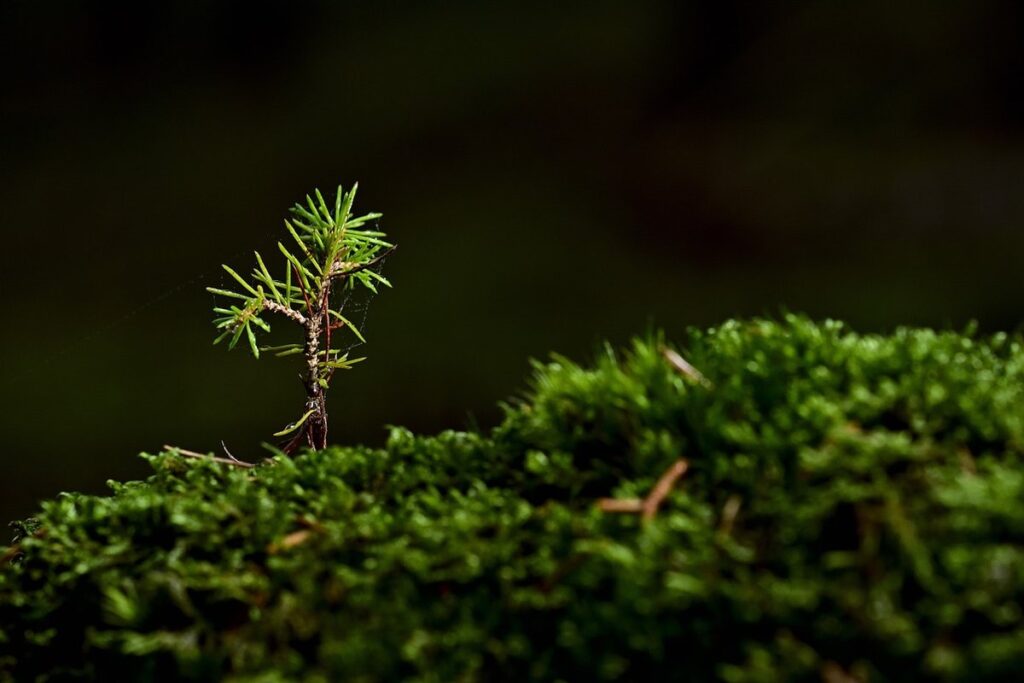
Understanding Seedling Damping Off
Damping off is a common problem that can be frustrating, but understanding its causes and symptoms is key to preventing it from taking over your seedlings. Let’s take a closer look at what you need to know.
Definition and Identification
Seedling damping off is a common issue that affects young plants, particularly those germinated indoors. It’s a fungal disease caused by overwatering, poor air circulation, and high temperatures. The symptoms are often subtle at first but can quickly escalate if left untreated.
Look for signs such as yellowing or browning of leaves, wilting, or a soft, mushy stem that collapses easily. Affected seedlings may also develop black spots on the stem or roots. Catching the issue early is crucial to successful treatment. Check your plants daily, and remove any dead or dying tissue immediately.
To identify seedling damping off, inspect your plants for these warning signs. Be aware of the growth conditions: high temperatures (above 75°F), low light, and excessive moisture all contribute to the development of this disease. If you suspect a problem, take action promptly by repotting healthy seedlings in fresh, well-draining media, and providing good air circulation around them.
Factors Contributing to Damping Off
Damping off is often the result of environmental factors that create an ideal breeding ground for pathogens to thrive. When it comes to seedlings, these conditions can be devastatingly effective.
Overwatering is one of the most significant contributors to damping off. Waterlogged soil provides a hospitable environment for fungi and bacteria to spread rapidly, effectively strangling seedlings from the roots up. A general rule of thumb is to avoid watering your seedlings when the top inch of soil feels dry to the touch – this ensures that water isn’t sitting around causing damage.
Air circulation is another critical factor in preventing damping off. Seedlings need adequate airflow to grow strong and healthy, and poor air circulation allows moisture to condense on leaves and stems, creating an atmosphere ripe for fungal infections. Providing sufficient space between seedlings and using fans or misting systems can help alleviate this issue.
High humidity also plays a significant role in the development of damping off. When it’s excessively humid, seedlings are more vulnerable to disease as moisture accumulates on surfaces. This creates a perfect environment for fungi to spread and infect other plants nearby.
Additionally, temperature fluctuations can be detrimental to young seedlings. While some plants thrive in extreme temperatures, many others cannot tolerate sudden changes or prolonged exposure to high or low temperatures. It’s essential to monitor the temperature in your growing space and take measures to maintain a stable environment.
Importance of Early Detection
Detecting seedling damping off early on is crucial to preventing significant losses. If left unchecked, this fungal disease can ravage an entire crop, leading to reduced yields and lower quality plants. A single case of damping off can spread quickly through a greenhouse or indoor growing space, compromising the health of many seedlings.
As soon as you notice symptoms such as soft, mushy stems, yellowing leaves, or a sudden drop in plant vitality, take action immediately. This is often the point where the fungus has begun to weaken the seedling’s defenses, making it harder to recover with treatment. Early detection and intervention can salvage affected plants, but prompt action is necessary to prevent further damage.
In many cases, the initial symptoms of damping off are mistaken for common issues such as overwatering or poor soil quality. However, the telltale sign is usually a rapid decline in plant health that cannot be attributed to other factors. Stay vigilant and inspect your seedlings regularly to catch any signs of disease early on.
Acting swiftly can help minimize losses and reduce the need for costly fungicides or replanting. Keep an eye out for these warning signs, and address issues promptly to give your plants the best chance at a healthy, thriving life cycle.
Causes of Seedling Damping Off
Damping off is often a result of environmental and cultural factors, such as overwatering, poor air circulation, and high temperatures. Let’s explore these causes in more detail to help you prevent this problem.
Fungal Pathogens
Fungal pathogens are one of the primary causes of seedling damping off, and three common culprits are Pythium, Phytophthora, and Fusarium. These fungi thrive in damp environments and can quickly spread through water or soil.
Pythium is a fast-growing fungus that can infect seedlings within 24 to 48 hours of germination. It thrives in warm temperatures (around 75-85°F) and high humidity, causing seedlings to develop brown roots and stems. Phytophthora, on the other hand, is a soilborne pathogen that can survive for years in the soil, waiting for the right conditions to strike.
Fusarium is another common fungus responsible for damping off, often entering through wounds or openings in the seedling’s stem. All three fungi can spread through water or contaminated tools, making it essential to maintain good hygiene and sanitation practices when caring for your seedlings.
To prevent fungal infections, ensure that your soil and growing environment are well-draining, and avoid overwatering, which can create an ideal breeding ground for these pathogens. Regularly inspect your seedlings for signs of infection, such as yellowing leaves or soft, mushy stems, and take prompt action to address any issues you find.
Bacterial Pathogens
Bacterial pathogens play a significant role in the development of damping off. Two primary culprits are Pseudomonas and Erwinia. These bacteria often coexist with fungal pathogens, such as Pythium and Phytophthora, to create a perfect storm that devastates seedlings.
Pseudomonas, for instance, can produce toxic compounds that weaken the plant’s defenses, making it more susceptible to infection by fungal pathogens. Erwinia, on the other hand, can break down the plant’s cell walls, creating entry points for fungi. This synergistic relationship between bacteria and fungi leads to a rapid decline in seedling health.
In some cases, bacterial pathogens can be the primary cause of damping off. For example, Erwinia chrysanthemi has been implicated in outbreaks of damping off in greenhouse-grown seedlings. To mitigate this risk, gardeners should maintain strict hygiene practices, including sterilizing equipment and disposing of contaminated media. This will help to minimize the spread of bacterial pathogens and reduce the likelihood of damping off.
Soil-Borne Diseases
Soil-borne diseases are a significant contributor to seedling damping off. These diseases can persist in contaminated soil, causing infection when seeds germinate and roots begin to grow. Contaminated soil can be caused by a variety of factors, including poor agricultural practices, use of diseased materials as compost or mulch, and inadequate sterilization techniques.
Factors like compacted or poorly drained soils can also contribute to the spread of soil-borne diseases. When water sits on the surface of the soil, it creates an ideal environment for fungal growth, which can lead to infection in young seedlings. Inadequate sterilization techniques can allow dormant pathogens to become active again, infecting new seeds and causing damping off.
To minimize the risk of soil-borne diseases contributing to seedling damping off, gardeners should prioritize using disease-free starting materials, practicing good agricultural hygiene, and incorporating sterile amendments into their soil mix. Regularly testing and rotating crops can also help break the life cycle of persistent pathogens in the soil.
Prevention Strategies
To successfully grow healthy seedlings, it’s essential to implement effective prevention strategies that prevent damping off from taking hold. Let’s dive into some actionable tips.
Good Hygiene Practices
Proper hygiene practices are essential for preventing seedling damping off. When working with plants, it’s easy to inadvertently spread fungal diseases from one plant to another through contaminated tools and equipment. Start by washing your hands thoroughly before handling seeds or seedlings. Use mild soap and water, then dry them completely with a clean towel.
Sanitize all tools and equipment after each use. Dip scissors in a solution of 1 part bleach to 10 parts water for 10 minutes. Rinse thoroughly and let air-dry. Similarly, clean growing spaces by removing dead plants and disinfecting the area with a solution of 1 cup of bleach per gallon of water.
Maintain good ventilation in your growing space to prevent moisture buildup, which can contribute to damping off. Remove any excess soil or debris from pots, and ensure they have proper drainage holes to prevent waterlogged conditions. By following these simple hygiene practices, you’ll significantly reduce the risk of seedling damping off and create a healthy environment for your plants to thrive.
Soil Preparation and Sterilization
Sterilizing seeds, soil, and equipment is a crucial step in preventing seedling damping off. Fungal and bacterial pathogens can be present on these items, even if they look clean to the naked eye. If not properly sterilized, these pathogens can spread quickly through your propagation area, causing widespread damage.
To prevent this from happening, it’s essential to use a sterilizing agent specifically designed for seeds, soil, or equipment. For example, you can soak seeds in a solution of 1 part bleach to 10 parts water before sowing them. This will help kill any bacteria that may be present on the seeds’ surface.
When sterilizing soil, mix it with a 3% peroxide solution and let it sit for several hours or overnight. This will ensure that any fungal spores or bacterial pathogens are eliminated. Always remember to rinse your equipment thoroughly after use, and dry them completely before storing.
Remember, prevention is key when it comes to seedling damping off. By taking the time to sterilize your seeds, soil, and equipment, you can create a healthy environment for your seedlings to grow.
Environmental Controls
Controlling the environment where your seedlings are growing can significantly reduce the risk of damping off. One crucial factor is ensuring adequate air circulation around each plant. Stagnant air creates an ideal breeding ground for fungal diseases, which cause damping off. To prevent this, provide enough space between seedlings, ideally 2-3 inches apart, to allow for good airflow.
Maintaining optimal temperature ranges is also vital. Most seeds prefer daytime temperatures between 70-80°F (21-27°C) and nighttime temperatures around 5-10°F (3-6°C) lower. Avoid placing your seedlings near heating vents, radiators, or drafty windows that can cause rapid fluctuations in temperature.
In addition to air circulation and temperature control, proper watering schedules are essential. Overwatering is a common mistake that can lead to damping off. Water your seedlings when the top inch of soil feels dry to the touch, and avoid getting water on the leaves or crown of the plant to prevent fungal diseases from spreading.
Treatment Options
Don’t worry, we’ve got you covered when it comes to treating seedling damping off. In this next part of our guide, we’ll explore your treatment options and what works best for saving your precious seedlings.
Fungicide and Bactericide Applications
When it comes to treating seedling damping off, fungicides and bactericides can be effective options. There are several products available on the market that can help control the spread of disease.
One common fungicide used for treating seedling damping off is copper-based products like Copper Oxychloride or Copper Sulfate. These products work by releasing copper ions that disrupt the fungal cell wall, ultimately killing the fungus. Application rates typically range from 0.2-1% and should be applied as a foliar spray or drench.
Another option is chlorothalonil-based fungicides, which contain a broad-spectrum active ingredient that controls various types of fungi. For example, products like Daconil or Ortho Garden Fungicide can be used to treat seedling damping off. Application rates vary depending on the product and type of fungus, but generally range from 0.5-1%.
When using fungicides or bactericides, it’s essential to follow all label instructions carefully. Wear protective clothing, including gloves and a mask, when applying these products.
Cultural Controls and Crop Rotation
When seedlings are affected by damping off, cultural controls can play a crucial role in aiding their recovery. One effective method is crop rotation, which involves changing the location of your plants to avoid re-infesting the same soil with fungal spores. This simple yet powerful technique can help prevent the spread of disease and reduce the risk of future outbreaks.
Another important step is removing affected plants to prevent the spread of disease. Inspect your seedlings regularly for signs of damping off, such as yellowing leaves or collapsing stems, and promptly remove any infected plants to prevent them from contaminating healthy ones. This will also give you an opportunity to inspect the soil and adjust your watering schedule accordingly.
Be sure to monitor your seedlings’ moisture levels closely, as overwatering can exacerbate the problem. Adjust your watering schedule to ensure that the soil isn’t too wet or dry, and provide good air circulation around your seedlings to promote healthy growth.
Biological Control Methods
Biological control methods can be an effective way to manage fungal and bacterial pathogens that cause seedling damping off. Beneficial microorganisms such as Trichoderma, Bacillus, and Pseudomonas can suppress pathogen growth by competing for resources and producing antimicrobial compounds.
You can incorporate these beneficial microbes into your soil mix or use them as a foliar spray. For example, Trichoderma harzianum is a fungus that has been shown to reduce damping off in seedlings by up to 90%. To use it effectively, make sure to provide the right conditions for its growth, such as adequate moisture and warmth.
Another beneficial microbe is Bacillus subtilis, which produces compounds that inhibit fungal growth. You can purchase Bacillus-based products or create your own by mixing the bacteria with water and spraying it on your seedlings. Remember to choose a product specifically labeled for use on seeds or seedlings.
Incorporating these biological control methods into your nursery practices can be a valuable tool in preventing damping off.
Case Studies and Real-World Examples
Let’s take a look at some real-life examples of seedling damping off, where it occurred and how it was ultimately prevented or treated successfully.
Common Mistakes and Lessons Learned
When dealing with seedling damping off, it’s essential to learn from common mistakes made by gardeners and growers. One such mistake is overwatering. Many novice growers tend to water their seedlings too frequently, which can lead to waterlogged soil and a perfect environment for fungal growth. For instance, Sarah, an experienced grower, recounts that she lost an entire batch of seedlings due to overwatering.
Another common error is poor air circulation around the seedlings. When seedlings are crowded or placed in a humid environment, it can create ideal conditions for damping off to occur. Tom, a seasoned gardener, shares his experience of having to discard dozens of seedlings that were struggling with damping off due to inadequate air circulation.
Lessons learned from these experiences include:
* Monitoring watering schedules and avoiding overwatering
* Ensuring proper spacing between seedlings to promote air circulation
* Keeping the growing area clean and free of debris
* Using fungicides or other treatments as a last resort, if necessary
By applying these lessons, growers can significantly reduce the likelihood of seedling damping off and ensure healthier, more robust plants.
Effective Management Strategies
When dealing with seedling damping off, effective management strategies can be the difference between saving and losing your young plants. Commercial growers, such as those at a greenhouse in California, reported implementing a strict temperature control system to prevent overheating, which is a common cause of damping off. They monitored temperatures closely and made adjustments as necessary to ensure optimal growing conditions.
Farmers in tropical regions have also had success with using well-draining potting mixes and providing good air circulation around seedlings. This helps prevent waterlogged soil, which can lead to root rot and increase the risk of damping off.
In addition to these strategies, gardeners can take proactive steps by maintaining clean and sterile equipment, sowing seeds thinly to promote healthy growth, and avoiding overwatering. By incorporating these techniques into your management plan, you’ll be better equipped to prevent seedling damping off and give your young plants the best chance at survival.
Some growers have even reported success with using organic fungicides or bactericides as a preventative measure, further reducing the risk of damping off in their seedlings.
Conclusion
Now that you’ve learned how to prevent seedling damping off, let’s summarize the key takeaways and review what steps you can take to ensure a healthy start for your seedlings.
Recap of Key Takeaways
In reviewing the key takeaways from our discussion on seedling damping off, it’s essential to focus on prevention as a crucial aspect of managing this issue. As we’ve highlighted throughout this article, poor watering habits and inadequate humidity control can contribute significantly to the development of damping off.
To prevent damping off, make sure to provide your seedlings with well-draining soil and maintain a consistent moisture level, avoiding overwatering. This is particularly important during the seedling stage when young plants are more susceptible to waterlogged conditions.
When treating damping off, we’ve emphasized the importance of addressing underlying causes such as fungal pathogens, bacteria, and pests. Isolating infected plants and disinfecting tools can help prevent further spread. Practicing good hygiene by washing your hands before handling seeds or seedlings is also critical in breaking the disease cycle.
By incorporating these preventive measures into your nursery management routine, you’ll be better equipped to identify potential issues early on and take corrective action to mitigate their impact.
Final Thoughts and Recommendations
As you’ve now gained a deeper understanding of seedling damping off, its causes, prevention methods, and treatment options, it’s time to take action. Don’t let this common issue continue to plague your seedlings. By implementing the strategies outlined above, such as maintaining optimal temperature, humidity, and water conditions, using clean seeds and growing mediums, and monitoring for signs of disease, you can significantly reduce the risk of damping off.
In addition to these measures, consider taking a proactive approach by testing your water quality, adjusting your fertilization schedule, and providing adequate air circulation in your growing space. For example, you could invest in a humidistat or fan to maintain a healthy balance of moisture and airflow.
By incorporating these practices into your daily routine, you’ll be better equipped to identify and address potential issues before they escalate. Don’t wait until it’s too late – take control of your seedling care today. If you’re unsure about any aspect of seedling damping off or want to explore more advanced techniques, consider consulting with a gardening expert or joining an online community for further guidance and support.
Frequently Asked Questions
How can I identify the early signs of seedling damping off?
Early detection is crucial to prevent further damage. Look for subtle changes such as a slight droop or wilt, yellowing or browning of leaves, and a decrease in growth rate. These symptoms often appear on one side of the plant before spreading to the rest.
What are some common mistakes that can lead to seedling damping off?
One of the most common mistakes is overwatering, which creates an ideal environment for fungal growth. Other mistakes include poor air circulation, inadequate light, and contaminated soil or equipment. Be mindful of these factors to prevent damping off from taking hold.
Can I use any home remedies to treat seedling damping off?
While there are no magic cures, some natural remedies can help alleviate symptoms. For example, cinnamon has antifungal properties that may help combat fungal pathogens. However, always maintain good hygiene practices and consider using a natural fungicide for optimal results.
How long does it take to recover from seedling damping off?
Recovery time varies depending on the severity of the disease and the effectiveness of treatment. In mild cases, seedlings can recover within 1-2 weeks with proper care and management. However, in severe cases, recovery may take longer or be unsuccessful.
What are some long-term strategies to prevent seedling damping off?
Prevention is key to avoiding this problem altogether. Practice good hygiene by sterilizing equipment and soil regularly. Implement environmental controls such as adequate air circulation, suitable temperature ranges, and sufficient light. Consider crop rotation and biological control methods to maintain a balanced ecosystem.